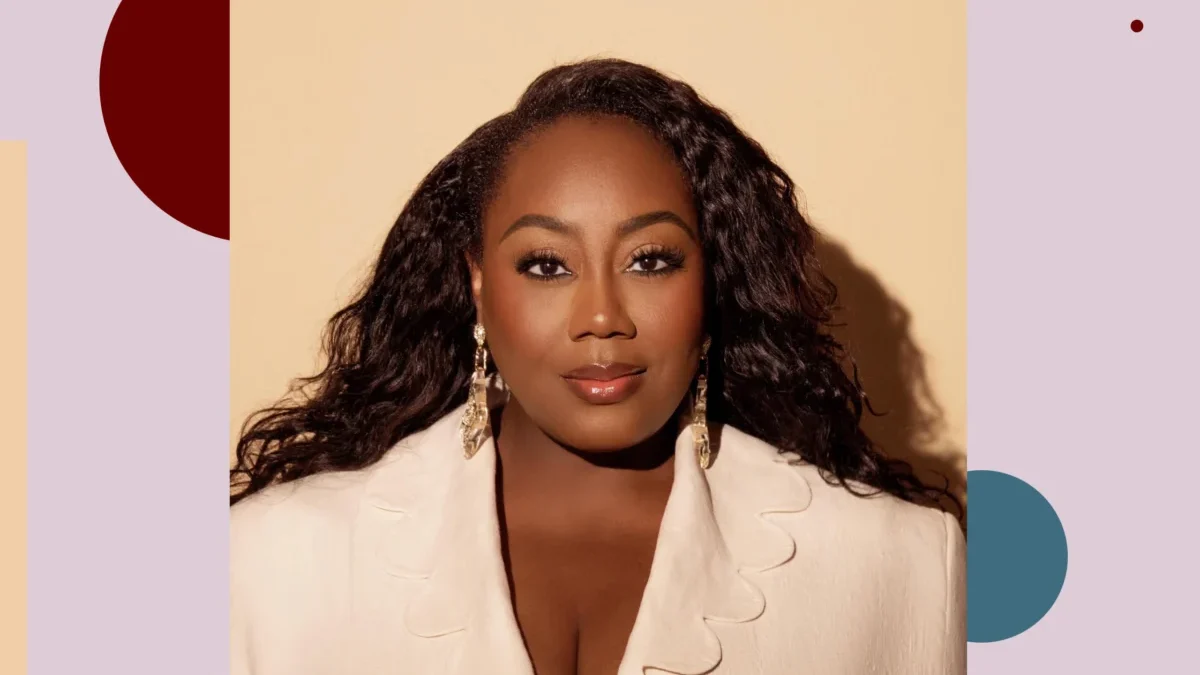
The future of digital publishing may well be resting in an unexpected place: the email inbox. For Geneva S. Thomas, a seasoned veteran of digital and legacy media, the inspiration for what she calls the world’s first "inbox magazine" arrived quite literally at her fingertips. While waiting for a gel manicure to dry under an LED light, Thomas experienced a moment of creative clarity. Pulling her hands from the dryer, she seized her phone and began typing out the preliminary notes for what would eventually become The Knowing, a digital-first, newsletter-delivered magazine tailored specifically for Black millennials and Generation Z.
It was a vision born from decades of industry observation, professional exhaustion, and a deep-seated desire to fill a gaping void in the modern media landscape. Three years after that initial flash of inspiration, following meticulous planning, user-experience design, and technical development, The Knowing officially launched its inaugural issue. Billed under the tagline "News, Culture & Sovereignty," the publication seeks to bridge the gap between the tactile luxury of historical print media and the agile, direct-to-consumer delivery of modern email newsletters.
A Career Forged in Legacy and Disruption
To understand the ambition behind The Knowing, one must examine the trajectory of its founder. Geneva S. Thomas, forty-three, brings a wealth of high-level institutional experience to her entrepreneurial venture. Her career began on the editorial side at Condé Nast before transitioning to the business sector, where she eventually served as the global head of growth marketing. Her resume includes pivotal leadership roles as the vice president of digital business at Essence and vice president of business operations at People Inc.
Throughout her career, Thomas bore witness to—and navigated—some of the most turbulent disruptions in modern media history. She worked through the industry-wide stampedes toward the "pivot to video" and short-form content, and she survived what she candidly describes as the cannibalization of legacy publishers by tech giants like Google and Meta. By the time she conceived The Knowing, she was taking a much-needed career break, reflecting on the mechanics of digital audience acquisition.
"For legacy businesses like Time Inc. and Condé Nast, a big part of our digital growth strategy were newsletters," Thomas notes. Over the past five to six years, the newsletter economy has experienced an explosive renaissance, popularized by nimble digital operations like Puck, Semafor, 1440, and Morning Brew, alongside creator-focused platforms like Substack. Yet, despite this boom, Thomas recognized a fundamental limitation in existing infrastructure for a brand with the scope of The Knowing.
Rejecting Substack for Autonomous Sovereignty
When mapping out the business model for The Knowing, Thomas quickly ruled out mainstream publishing platforms such as Substack. While Substack has proven immensely lucrative for individual writers and independent journalists, Thomas argues that it fails to serve the needs of a truly autonomous enterprise.
"It was incredibly important for me to build an autonomous and proprietary media business," Thomas explains. On platforms like Substack, she points out, creators are ultimately building the Substack brand. Publishers are forced to operate within predetermined templates, utilizing the platform’s logos and branding rather than cultivating a wholly independent corporate identity.
Instead, Thomas envisions The Knowing as an ideological successor to the storied legacy publications for which she once worked. She points to elite media institutions like The New Yorker, Vanity Fair, The New York Times, and The Atlantic, noting that their editorial independence and capacity for deeply reported, exhaustive journalism are directly tied to their robust subscription models.
"We have seen the sacrifice of deeply reported journalism, and there are certain publishers that still get to do that," Thomas says. "The reason why is because they built incredibly strong subscription businesses. We have not seen any Black-owned media build a robust subscription business, so we are really first movers when it comes to that."
The Anatomy of an Inbox Magazine
Designed to evoke the tactile and visual splendor of a traditional print magazine, each weekly Saturday issue of The Knowing is engineered to feel less like a hurried digital dispatch and more like a curated luxury experience. The website itself is designed to evoke a high-end hotel concierge, operating under the guiding question: "What if news felt like a concierge and not an interruption?"
The inaugural cover story tackled a pressing and timely socio-political issue: the systemic pushing out of Black women workers from their professions amid the political dismantling of corporate diversity, equity, and inclusion (DEI) initiatives. Another major feature explored the enduring career of music legend Gladys Knight, who continues to perform at age eighty-two.
These editorial choices are intentional callbacks to a golden era of Black print journalism epitomized by magazines like Ebony and Essence. Notably, Thomas’s undergraduate thesis focused specifically on the history of Essence. In an era marked by a severe racist and sexist backlash across American politics and corporate culture, Thomas believes the time is right to rebuild those protective, aspirational spaces.
The publication is divided into six distinct verticals, encompassing culture, politics, music, beauty, and wellness. Among them is a dedicated vertical titled "Sanctuary," which functions as a confessional space exploring how modern Black women navigate intersecting worlds and define their identities in the spaces between. Beyond the core weekly newsletter—which Thomas reverently refers to as "the hero product"—the brand has expansion plans that include live summits and exclusive private dinner collections aimed at professional and entrepreneurial women.
The Broader Media Landscape and Market Context
The launch of The Knowing arrives at a critical juncture for American journalism. Over the past decade, the decimation of local and mid-tier newsrooms, combined with shifting venture capital priorities, has left vast demographic segments underserved or entirely ignored by mainstream publications of record.
For generations, alternative Black publications have stepped into the breach to provide fact-based journalism, cultural criticism, and community reporting. The Knowing now enters an evolving ecosystem alongside other ambitious, mission-driven independent digital outlets such as Capital B and MLK50, all vying to serve what Thomas describes as "an audience orphaned by a publication of record."
However, Thomas’s approach distinguishes itself through its embrace of ultra-premium, luxury digital aesthetics. By merging rigorous, investigative journalism with the bespoke feel of classical print, The Knowing is attempting to prove that Black-owned digital media can successfully command a high-end, paying subscriber base without relying on programmatic advertising or tech-platform intermediation.
Looking Ahead: Funding and Expansion
Building a proprietary media business from the ground up requires significant capital, and Thomas has structured her growth timeline deliberately. Currently, she manages the day-to-day operations and produces the weekly issues single-handedly, relying on a collaborative vision shaped by user-experience designers, creative directors, and developers.
As the publication scales, Thomas plans to expand her newsroom infrastructure. "With leadership additions to our newsroom this year, including freelance support, production will be co-led for the hero, with runway to verticalize newsletter products," she notes, outlining future hires for dedicated heads of news and beauty.
Looking toward the immediate financial horizon, The Knowing is preparing to court institutional investors. At the start of 2027, the enterprise plans to target ten million dollars in Series A funding. Thomas hopes that the early traction, subscriber loyalty, and unique market positioning of the publication will demonstrate to investors that an economically viable, highly sophisticated media business can be built around an audience that has long endured neglect from traditional media conglomerates.
In an industry perpetually chasing the next algorithmic shift, The Knowing is betting on a simpler, more enduring premise: that readers—particularly professional Black women navigating a complex cultural moment—are willing to pay for journalism that treats them not as targets for data extraction, but as valued guests at a well-appointed table.