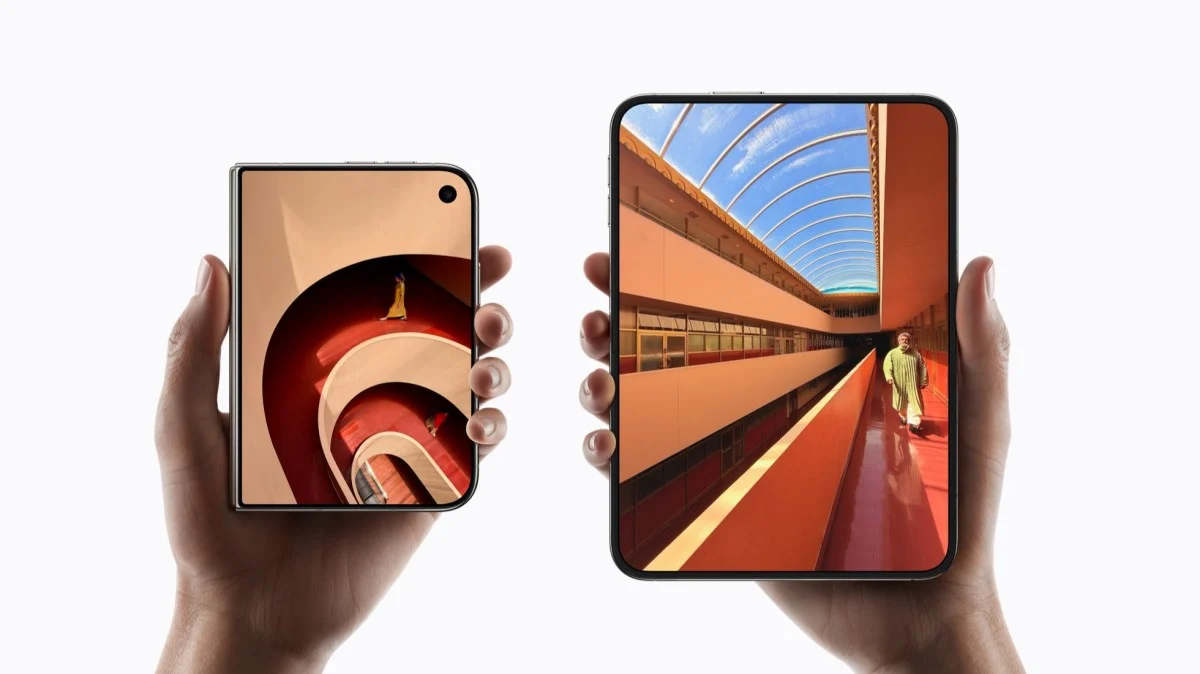
The nomenclature of Apple’s long-anticipated foray into the foldable smartphone market has finally been solidified, moving away from the rumored "Ultra" branding in favor of the more descriptive "iPhone Duo." According to insights provided by Mark Gurman of Bloomberg, this strategic naming convention is not merely an aesthetic choice but a foundational step for a broader, multi-tiered product ecosystem. By adopting the "Duo" moniker, Apple is positioning itself to introduce a diverse range of foldable devices, including a larger "Duo Max," a compact "Duo mini," and an entry-level "Duo SE," effectively mirroring the current tiered strategy seen in the standard iPhone lineup.
The Strategic Evolution of Branding
For several years, industry analysts and supply chain observers speculated that Apple’s first foldable device would carry the "Ultra" suffix, a term the company successfully utilized to signify high-end performance in its Apple Watch and silicon chip segments. However, internal discussions at Apple appear to have favored the clarity provided by "Duo." Market experts note that suffixes such as "Ultra mini" or "Ultra Max" carry an inherent linguistic dissonance that complicates consumer perception.
In contrast, the term "Duo" serves a dual purpose: it emphasizes the dual-screen form factor that defines the device while maintaining brevity. The three-letter construction aligns with Apple’s existing nomenclature strategy, echoing the simplicity of the "Air" and "Pro" suffixes. This decision reflects a calculated effort to ensure that the foldable category is immediately recognizable as a distinct product line rather than a niche experiment. Furthermore, the branding allows for a seamless transition for consumers already accustomed to the standard iPhone tiering, as Apple intends to eventually integrate these foldable devices into the primary iPhone ecosystem rather than treating them as a siloed luxury product.
Historical Context and Competitive Landscape
The foldable phone market is currently dominated by industry veterans such as Samsung, Huawei, and Google, all of which have spent the better part of the last half-decade iterating on hinge mechanisms, display durability, and software optimization. Samsung’s Galaxy Z Fold and Z Flip series have historically set the benchmark for hardware, yet they have struggled to achieve mass-market saturation, often relegated to the status of "enthusiast" devices due to high price points and concerns regarding long-term screen longevity.
Apple’s entry into this space, while delayed, is viewed by many as the "validation point" for the foldable form factor. Historically, Apple has waited for technologies to mature before adopting them, a strategy that has served them well with features like 5G connectivity and OLED displays. By entering the market now, Apple is betting that the underlying display technology—specifically the integration of Ultra-Thin Glass (UTG) and improved crease-reduction algorithms—has reached a level of reliability that meets their stringent quality standards.
The shadow of the Microsoft Surface Duo, a dual-screen device that failed to gain significant market traction, remains an interesting case study in the industry. While the Surface Duo was hampered by software compatibility issues and hardware compromises, Apple’s approach appears focused on an integrated hardware-software experience. Analysts are closely watching whether Apple will attempt to unify iOS or adopt a specific "Duo OS" derivative to leverage the increased screen real estate effectively.
Projected Market Impact and Supply Chain Dynamics
The expectation surrounding the launch is significant, with projections suggesting that the iPhone Duo could become the most prominent foldable device on the market by early next year. Gurman’s analysis points to a "demand-supply mismatch," predicting that the initial release will trigger intense consumer interest. This anticipated surge is expected to lead to immediate secondary market inflation, with devices likely appearing on resale platforms at significant markups.
From a supply chain perspective, the production of foldable displays is notoriously complex. Apple’s reliance on its high-tier display partners will be critical. The manufacturing yield for foldable panels remains lower than that of traditional rigid OLED panels, a factor that will likely contribute to the extreme supply shortages predicted for the first two quarters of the product’s lifecycle. To mitigate this, Apple has reportedly invested heavily in automated assembly lines and proprietary hinge-testing facilities to ensure that the "Duo" line maintains the same failure-rate thresholds as the standard iPhone 17 and 18 series.
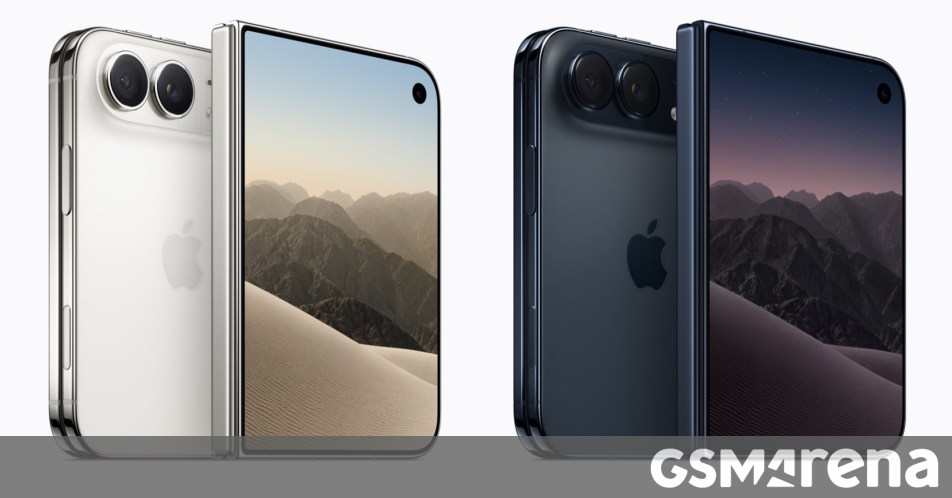
The New Normal of Mobile Computing
Beyond the immediate sales figures, the arrival of the iPhone Duo represents a broader shift in the philosophy of mobile computing. The industry is currently witnessing a stagnation in traditional smartphone innovation, where annual updates are limited to incremental camera improvements and marginal processor gains. The shift toward foldables represents the most significant form-factor change since the introduction of the smartphone itself.
Industry observers argue that if Apple successfully transitions its user base to the "Duo" format, it will effectively "force" the rest of the industry to standardize foldable manufacturing, leading to economies of scale that could eventually drive down prices. This "new normal" would not only change how users consume content but also how they interact with professional software, as the expanded screen real estate facilitates multitasking capabilities previously reserved for tablets and laptops.
Comparative Analysis: Foldable Growth Trends
Data from the International Data Corporation (IDC) and Counterpoint Research indicates that while the foldable segment is the fastest-growing category in the smartphone market, it still accounts for less than 5% of global device shipments. Apple’s entry is projected to act as a catalyst, potentially doubling the total addressable market for foldable devices within 24 months.
| Year | Global Foldable Shipments (Est.) | YoY Growth |
|---|---|---|
| 2024 | 18.2 Million | 22% |
| 2025 | 24.5 Million | 34% |
| 2026 (Projected) | 42.0 Million | 71% |
The projected surge in 2026 is directly tied to the expected release of the iPhone Duo. By diversifying the line into "SE" (entry-level) and "Max" (premium) models, Apple is strategically targeting a wide range of price sensitivities. The "Duo SE," in particular, is viewed as the most critical device for long-term adoption, as it would likely be priced within the range of the current flagship non-foldable iPhones.
Challenges and Potential Pitfalls
Despite the optimism, significant hurdles remain. The primary challenge for any foldable device remains the durability of the folding display and the mechanical hinge. Apple has traditionally been conservative with experimental hardware, and any reports of early screen failures could severely damage the brand’s reputation for reliability.
Furthermore, the software ecosystem must be ready. Developers have historically been slow to optimize applications for the wide, varying aspect ratios of foldable screens. Apple’s ability to provide developers with the necessary APIs and UI/UX guidelines will be the deciding factor in whether the "Duo" feels like a functional tool or a gimmick. If the transition to the Duo form factor results in a fragmented user experience—where apps look "stretched" or fail to utilize the extra space—consumers may be hesitant to pay the premium required for the hardware.
Looking Toward the Future
As the market prepares for the official unveiling, the narrative surrounding the iPhone Duo is shifting from "if" to "when." The decision to standardize the "Duo" branding suggests a long-term commitment that goes beyond a single product iteration. Apple is clearly preparing for a future where the rigid, rectangular glass slab that has defined the last decade of smartphones is no longer the sole standard for high-end mobile devices.
Whether the iPhone Duo ultimately leads to a revolution in mobile computing or remains an expensive luxury for the tech-forward, its impact on the industry is already undeniable. Competitors are already recalibrating their roadmaps, and the entire smartphone supply chain is bracing for a period of rapid, intensive transition. For Apple, the "Duo" is not just a phone; it is the cornerstone of the next decade of their hardware strategy. As we approach the anticipated release, the industry will be watching closely to see if Apple can deliver on the ambitious promise of making the foldable phone the new industry standard.