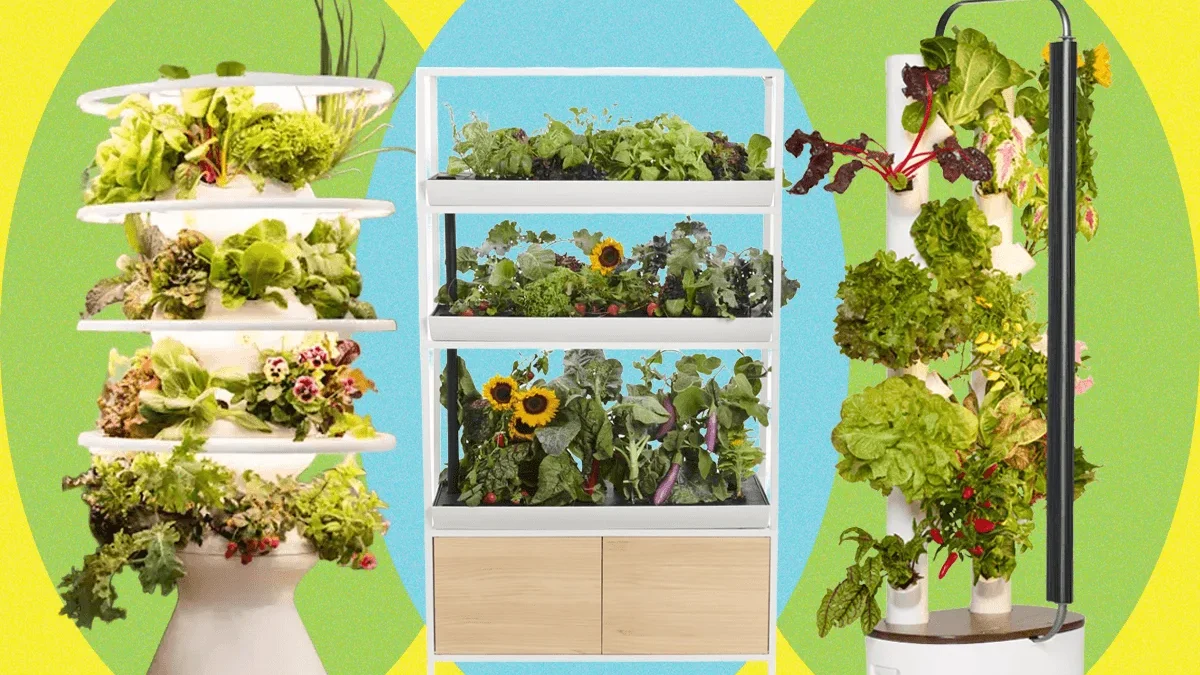
The market for consumer indoor gardening systems has expanded dramatically in recent years, transitioning from niche hobbyist setups to mainstream kitchen and living room appliances. As urban living spaces shrink and consumers increasingly seek sustainable, farm-to-table food sources, manufacturers have introduced a wide array of automated and semi-automated growing environments. These range from simple, passive watering jars to advanced, app-connected vertical gardens utilizing hydroponic, aeroponic, and nascent fogponic technologies.
Evaluating these systems requires looking beyond sleek aesthetic designs to assess tangible crop yields, energy consumption, maintenance requirements, and overall user experience. While these appliances successfully eliminate the traditional variables of outdoor weather, soil-borne pests, and weeds, they also introduce unique challenges, including hardware maintenance, proprietary consumable costs, and space constraints.
Overview of Prominent Consumer Hydroponic Systems
Consumer adoption of indoor growing appliances is largely driven by the promise of effortless herb and vegetable production. However, extensive hands-on testing reveals a wide performance gap across different price tiers and technological approaches.
Entry-Level and Passive Systems
For consumers seeking a low-commitment introduction to indoor greenery, passive and low-tech options offer simplicity at a lower price point.

The Modern Sprout Garden Jars, priced around $20, utilize a straightforward Mason jar design. Users rinse included gravel, add seeds and water, and rely on natural windowsill light. While guaranteed to sprout within five to ten days, these jars function primarily as decorative accents rather than functional harvest sources. Long-term testing of basil, cilantro, and rosemary variants typically yields only a handful of usable leaves over the course of a year.
Similarly, the Click & Grow Smart Garden, retailing near $125, provides a simplified automated watering experience. The system utilizes proprietary plastic seed pods filled with a nutrient-dense growing medium. A passive wicking mechanism draws water from a built-in reservoir up to the roots, with a floating visual indicator signaling when a refill is required. While praised for its low maintenance and compact countertop footprint, the system frequently exhibits slower growth rates compared to active hydroponic competitors. In some test instances, individual seed pods fail to germinate entirely, making the system better suited for ornamental flowers rather than high-yield food production.
Mid-Tier Hydroponic and Microgreen Units
Moving up in complexity and price, mid-tier systems often incorporate automated LED lighting schedules and specialized nutrient delivery methods.
The Lettuce Grow Counterstand Set, priced at $149, adapts the Kratky method of hydroponics—a passive system invented by horticulturist Dr. Bernard Kratky where plant roots suspend above a nutrient-rich water solution. Developed as a smaller alternative to the larger Lettuce Grow Farmstand, the Counterstand features three glass-like amber beakers paired with an 18-inch LED lamp operating on a timer. Despite its modern, laboratory-inspired aesthetic, the unit delivers limited yields relative to its countertop footprint, typically producing a small handful of leafy greens per week.
For consumers interested in concentrated nutrition, the Vego EZ Microgreens Planter (priced at $60 for a two-pack) offers a reliable, low-tech solution for growing microgreens. Utilizing food-safe plastic reservoirs and bamboo-fiber capillary grow mats, the system germinates seeds without complex pumps or automation. When paired with appropriate humidity domes and adjustable grow lights, the system demonstrates consistent success across successive harvests, yielding dense crops for salads and smoothies.

High-Tech Innovations and Not-Recommended Hardware
While innovation drives the sector forward, not all advanced designs meet practical performance standards.
The Plantaform Smart Indoor Garden, retailing for approximately $900, introduced a novel approach to indoor cultivation by utilizing "fogponics"—an aerosolized misting technology adapted from NASA aeroponic research to deliver water and nutrients directly to plant roots. While the egg-shaped, futuristic design garnered an Innovation Award at CES 2025, real-world testing revealed significant operational drawbacks. Most notably, because the internal container is not entirely airtight, the aerosolization of the included chemical fertilizer mix can degrade indoor air quality, prompting recommendations to restrict its use to basements or well-ventilated utility spaces. Furthermore, the system restricts users to growing a single plant variety at a time.
Similarly, the LetPot Smart Seed Starter, priced at $84, offers advanced features including soil temperature sensors, electrical conductivity (EC) monitoring, and a built-in heating pad. However, persistent quality control issues—such as intermittent sensor failures, audible power adapter hums, and unstable software memory during power loss—hinder its long-term reliability.
The Mechanics and Economics of Hydroponic Gardening
Understanding the broader implications of indoor hydroponics requires examining the fundamental mechanics, financial realities, and spatial requirements of these appliances.
What Is Hydroponics?
Hydroponics is the practice of growing plants without soil, suspending roots directly in water, nutrient-enriched liquid, or moist growing media. Nutrition is delivered via water-soluble mineral solutions, while artificial full-spectrum LED lighting compensates for the lack of natural sunlight. While root vegetables like potatoes, carrots, and large arborous plants cannot be grown in these systems, leafy greens, herbs, strawberries, and fruiting plants like dwarf tomatoes thrive.

Benefits Versus Real-World Costs
Proponents of indoor hydroponics highlight several distinct advantages:
- Water Efficiency: Hydroponic systems recirculate water, consuming a fraction of the liquid required by traditional agriculture.
- Pesticide-Free Cultivation: The absence of soil eliminates weeds and soil-borne pests, reducing the need for synthetic interventions.
- Climate Independence: Users can grow seasonal produce year-round regardless of geographic region or outdoor weather conditions.
However, financial analysis indicates that consumers do not save money on groceries by investing in these appliances. High upfront hardware costs, paired with recurring expenses for proprietary seed pods, replacement filters, and nutrient solutions, outweigh the market value of the harvested produce. Instead, these devices serve primarily as convenience appliances and aesthetic kitchen fixtures.
Practical Considerations: Noise, Space, and Maintenance
Prospective buyers must weigh several environmental factors before purchasing an indoor garden:
- Lighting and Heat: Most systems require LED lights to operate between 16 and 18 hours daily. The high light intensity can be disruptive if placed in bedrooms or living areas.
- Pump Noise: Systems utilizing continuous or cycling water pumps generate mechanical noise that may interfere with home offices or entertainment spaces.
- Maintenance Load: Water reservoirs require regular cleaning to prevent algae accumulation and mineral buildup. Neglecting maintenance can lead to mechanical failure or localized water leaks.
Industry Outlook and Methodology
The consumer indoor gardening market continues to iterate rapidly as manufacturers balance technological sophistication with user-friendly operation. Review methodologies in this sector typically involve unboxing, assembling, and operating units strictly according to manufacturer guidelines. Evaluation criteria prioritize setup simplicity, daily maintenance overhead, spatial efficiency, and crop yield health through to harvest maturity.
As technology advances, future iterations of indoor growing appliances will likely focus on improving air quality management, reducing mechanical noise, and lowering consumable costs to appeal to a broader demographic of urban consumers.