
Global e-commerce sales continue to scale unprecedented heights, with worldwide transactions projected to surpass $5.5 trillion. While traditional online storefronts hosted on platforms like Shopify and WooCommerce remain foundational to the digital economy, a parallel retail ecosystem has rapidly emerged. This modern commercial frontier bypasses the traditional web browser entirely, enabling brands to market, sell, and process transactions natively within social media applications.
Referred to as social commerce, this methodology represents a fundamental shift in how digital consumers discover, evaluate, and purchase goods. Rather than acting merely as top-of-funnel marketing channels for brand awareness, platforms such as Facebook, Instagram, TikTok, and Pinterest have transformed into closed-loop point-of-sale environments. Industry analysts note that this evolution bridges the gap between passive content consumption and immediate purchasing intent, streamlining the buyer’s journey to an unprecedented degree.

Defining Social Commerce and Its Distinctions
At its core, social commerce encompasses the entire shopping experience—from product discovery and research to checkout and payment—directly inside a social media network. This structural integration eliminates the friction of redirecting users to external websites, keeping consumers immersed in their preferred application throughout the transaction.
To fully understand the market dynamics, industry experts emphasize the critical distinctions separating social commerce from adjacent digital strategies:

- E-Commerce: A broad classification denoting the buying and selling of goods via dedicated online stores, independent websites, or branded mobile applications that typically require an independent checkout portal.
- Social Selling: A relationship-building process wherein sales representatives and brands interact directly with prospects on social networks to nurture leads, rather than executing direct in-app transactions.
- Social Commerce: The localized execution of commercial transactions where the purchase funnel initiates and concludes natively within the social ecosystem.
The Economic Imperative: Five Drivers of Social Shopping
The rapid adoption of social commerce is propelled by fundamental shifts in consumer behavior, technological enhancements, and a collective demand for frictionless digital experiences. Market researchers point to five primary factors accelerating this trend:
-
Enhanced Interactivity and Community Engagement
Unlike static e-commerce catalog pages, social commerce platforms inherently foster community-driven retail experiences. Shoppers can instantly read peer reviews, tag friends in product posts, consult followers on potential purchases, and engage in real-time direct messaging with brand representatives. This dynamic closely mirrors the social aspects of physical shopping malls translated into a digital medium.
-
Generational Preferences and Demographic Shifts
Younger demographics—specifically Millennials and Generation Z—view social media as their primary search engine and marketplace. According to comprehensive market data from Statista, approximately 62 percent of consumers aged 18 to 34 have completed a purchase directly influenced by branded social media posts or content shared by digital creators and influencers. -
Friction Reduction and Mitigation of Cart Abandonment
In a traditional e-commerce framework, a consumer’s journey involves multiple potential drop-off points: encountering an advertisement, navigating to an external browser, loading a slow website, creating an account, inputting shipping details, and manually entering credit card information. Each additional step increases the probability of cart abandonment. Social commerce streamlines this sequence to a matter of taps, allowing verified users to leverage stored payment credentials and finalize transactions instantly. -
Built-In, Real-Time Market Research
Operating a storefront directly within social channels provides brands with an organic, cost-effective focus group. Through public comments, direct messages, and engagement analytics, merchants gain immediate qualitative and quantitative feedback regarding product ideation, packaging design, and pricing strategies before committing to large-scale inventory investments.
-
Advanced Audience Targeting and Data Utilization
Modern social networks possess sophisticated data analytics architecture, allowing advertisers to deploy hyper-targeted campaigns. By matching real-time user intent, behavioral history, and demographic markers, brands can place ready-to-buy inventory directly in front of audiences actively seeking those specific solutions.
Ecosystem Analysis: Leading Platforms Driving the Trend
Major technology conglomerates have dedicated substantial capital to developing robust infrastructure tailored to social shopping. Each platform offers distinct mechanisms for merchants seeking to capture market share.

Facebook Shops
Facebook remains a cornerstone of the social commerce landscape through its Facebook Shops feature. Designed to be both complimentary to establish and fully customizable, Facebook Shops allow businesses to curate specific product collections, adapt typography and color palettes to match brand guidelines, and synchronize existing inventories from partner platforms like Shopify or WooCommerce via automated data feeds.
Purchases made through Facebook Shops can utilize native in-app checkouts or direct customers to external checkout pages and Messenger communication threads. To manage the subsequent influx of customer inquiries regarding shipping updates and product specifications, enterprises increasingly integrate conversational artificial intelligence tools, such as Heyday by Hootsuite, which automates routine pre-sale and post-sale support inquiries.
Instagram Shopping
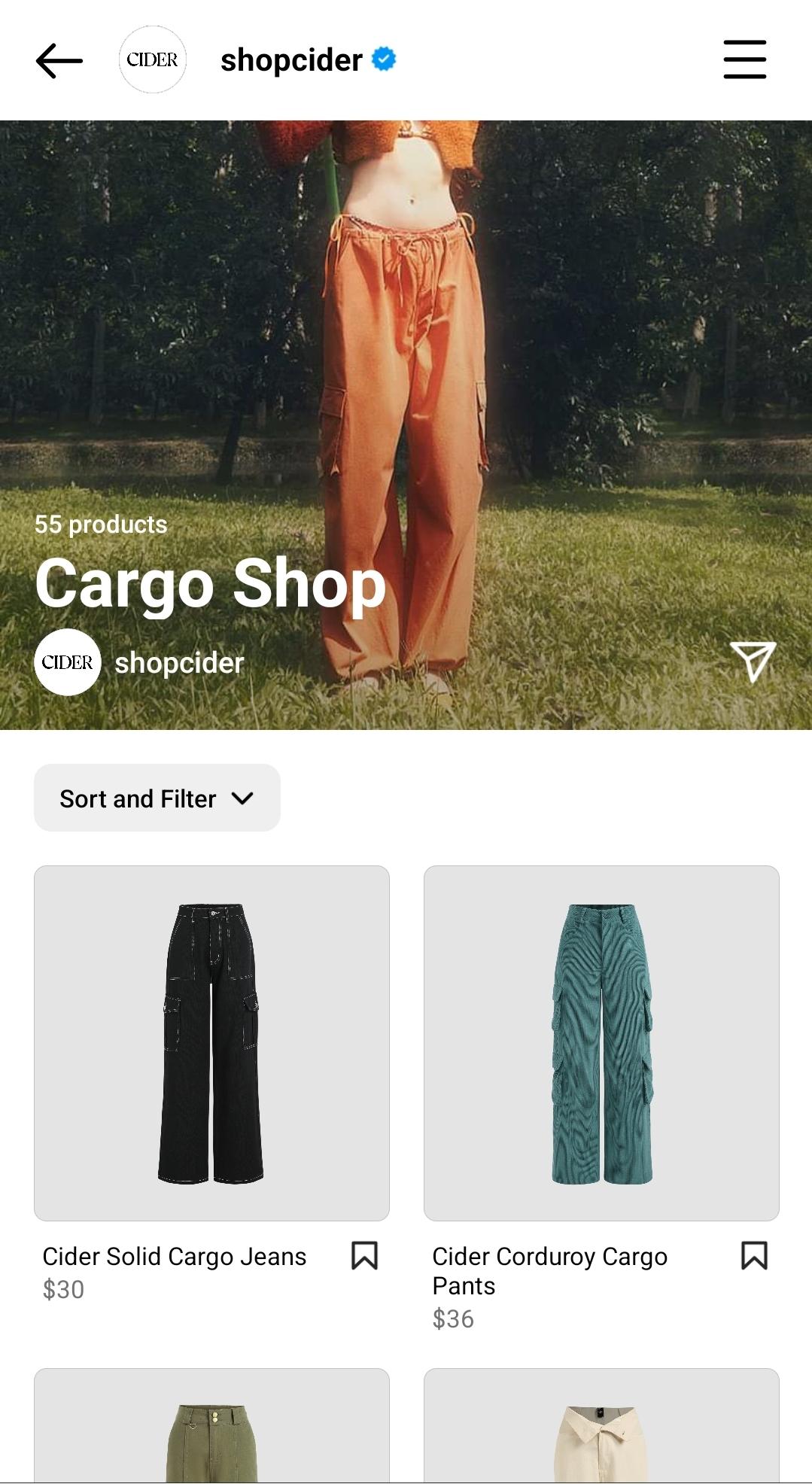
Leveraging visual-first storytelling, Instagram Shops enable brands to tag specific products within feed posts, Stories, Reels, and live broadcasts. By linking an Instagram business account to a Facebook business profile, merchants unlock dedicated product detail pages equipped with pricing, imagery, and direct purchase links. Recent technological integrations by Meta now allow users to finalize transactions and track shipments directly within Instagram Direct Messages (DMs), further shortening the path to conversion.
Pinterest and the Search-Driven Intent

As one of the pioneers of shoppable media, Pinterest utilizes Product Pins to connect high-intent users with commercial inventory. While international availability varies regarding native in-app checkouts—with US-based users enjoying streamlined on-platform purchasing—the platform’s structural advantage lies in its identity as a visual search engine. Industry metrics indicate that a vast majority of active Pinterest users utilize the platform specifically to research and plan future purchases, creating a high-value environment for lifestyle, home decor, and fashion brands.
TikTok and the Creator Economy
The cultural footprint of TikTok on modern retail is underscored by the ubiquitous hashtag #TikTokMadeMeBuyIt, which has accumulated billions of views globally. TikTok Shop provides merchants with native affiliate marketing capabilities, live-stream shopping events, and in-feed product showcases. By capitalizing on creator-led authenticity, brands can leverage trusted voices to drive immediate, impulse-driven conversions among highly engaged audiences. Although regional rollouts have experienced strategic adjustments, TikTok remains an indispensable channel for brands targeting younger demographics.

Strategic Implementation: Best Practices for Brands
Deploying an inventory catalog to social networks is only the initial phase of a successful social commerce strategy. To maximize return on investment, digital marketing professionals recommend adhering to several foundational practices:
- Prioritize Social Listening: Utilize dedicated monitoring tools to track brand sentiment, industry trends, and customer feedback across all active channels. Understanding consumer sentiment enables proactive reputation management and agile product development.
- Cultivate Authentic Engagement: Successful social commerce requires active participation. Brands must respond to inquiries promptly, provide genuine customer service, and distribute entertaining, value-driven content rather than purely promotional material.
- Leverage Social Proof: Empirical research consistently demonstrates that modern consumers rely heavily on peer validation before making financial commitments. Implementing automated post-purchase email sequences to solicit reviews, user-generated content, and video testimonials significantly elevates conversion rates.
- Integrate Conversational AI: To prevent cart abandonment caused by delayed response times during peak shopping hours, brands are increasingly deploying AI-powered chatbots. These systems manage up to 80 percent of routine customer service interactions—such as order tracking and pricing inquiries—while seamlessly routing complex queries to human support staff.
Broader Implications and Future Outlook
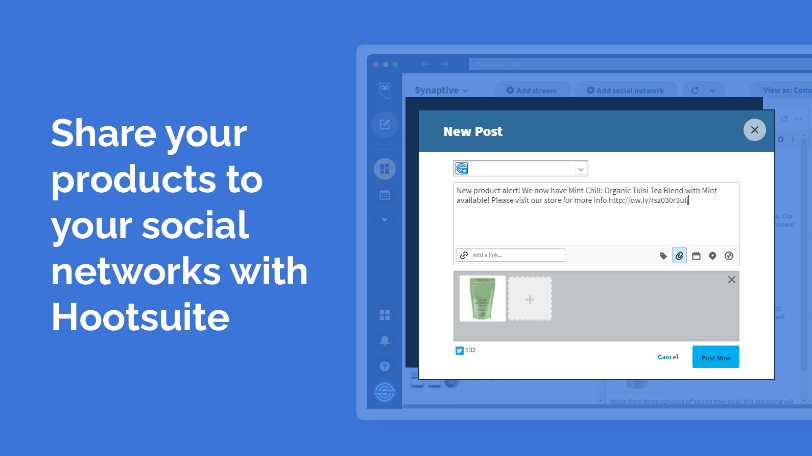
The rapid institutionalization of social commerce signifies a broader decentralization of the traditional web. As social media applications evolve from communication networks into comprehensive digital utilities, the boundaries between content consumption, entertainment, and commercial transactions continue to dissolve.
For small-to-medium enterprises and multinational corporations alike, adapting to this paradigm is no longer optional. As payment gateways become more secure, augmented reality features enhance product visualization, and artificial intelligence personalizes the consumer journey, social commerce is positioned to command an increasingly dominant share of global retail revenue in the years ahead.