The landscape of artificial intelligence regulation has shifted significantly following the enforcement of the European Union’s comprehensive transparency obligations under the AI Act, which took effect on August 2, 2026. This regulatory framework represents a watershed moment for technology companies operating within the European Single Market. While initial reactions in the tech sector were characterized by concern regarding the potential for massive financial penalties and operational disruption, the reality of the mandate is more nuanced: it is a push for structural clarity, requiring that users be explicitly informed when they are interacting with or consuming content generated or manipulated by artificial intelligence.
The reach of these mandates is extraterritorial. Much like the General Data Protection Regulation (GDPR) and the European Accessibility Act (EAA), the AI Act applies to any entity worldwide that provides AI systems to users within the EU. Whether a company is headquartered in Silicon Valley, Tokyo, or Berlin, if their AI-powered output is accessible to citizens of the European Union, they are legally obligated to comply with the transparency standards set forth in Article 50 of the Act.
A Chronology of Implementation
The journey toward this regulatory standard began years ago as the EU sought to balance rapid technological innovation with the protection of fundamental rights. Following the European Commission’s initial legislative proposals, the AI Act moved through intense parliamentary debate before reaching its final adoption phase. By the time the August 2, 2026, deadline arrived, the industry was already in a transition period.

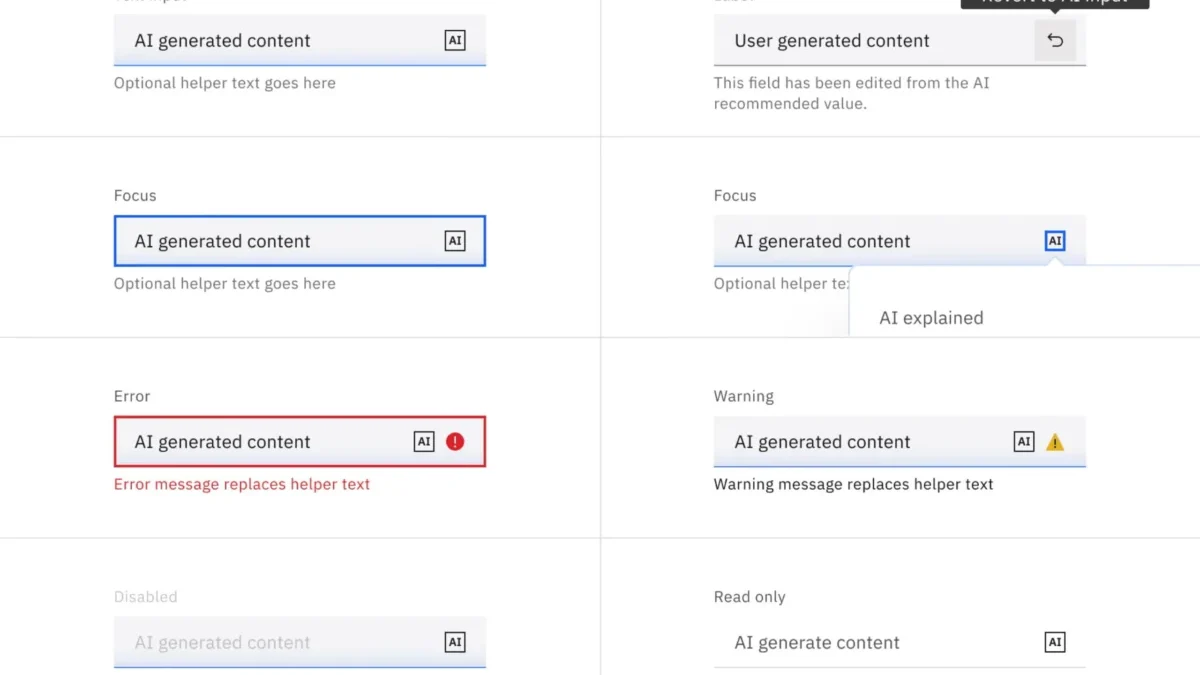
The primary intent behind the legislation is to eliminate the "black box" ambiguity that has defined many AI interactions. Historically, companies relied on vague indicators, such as the ubiquitous "sparkle" icon, to denote AI features. The European Commission has determined that such icons, while aesthetically recognizable to some, are functionally insufficient. Under the new rules, the disclosure must be "clear, distinguishable, and persistent."
The Mandate for Transparency: What Must Be Labeled
The core of the legislation, specifically Article 50(4), dictates that AI systems must be designed and developed in such a way that their outputs are marked in a machine-readable format and detectable as artificially generated or manipulated. This requirement is not applied arbitrarily across all software; rather, it targets content that could realistically be mistaken for human-authored or human-captured material.

Specifically, the disclosure obligation applies to:
- Synthetic Content: Any audio, video, or image content that appears to realistically resemble existing persons, places, or events.
- Automated Text Generation: Content created by AI for public consumption that is not a result of substantive human editorial review.
- Interactive AI Systems: Chatbots and virtual assistants that interact with humans must be designed to disclose their non-human nature, ensuring users are aware they are not communicating with a person.
Both providers—those who build the foundational AI models—and deployers—those who integrate these models into consumer-facing products—share legal accountability. A company cannot circumvent its obligations by arguing that they simply licensed a third-party model; the entity serving the end user in the EU bears the ultimate responsibility for ensuring the interface is compliant.

Distinguishing Human Editorial Control from AI Automation
One of the most critical aspects of the legislation is the distinction between "AI-assisted" work and "AI-generated" content. The European Commission has clarified that the use of assistive tools—such as spell-checkers, automated grammar correction, formatting tools, or AI-driven language translation—does not trigger the mandatory labeling requirement. These tools are categorized as efficiency enhancements rather than creative generation.
Conversely, substantive generation—such as the creation of entire paragraphs of text, composite imagery, or significant rewrites—is subject to disclosure. The Commission maintains that for text to be considered "human-authored," there must be clear evidence of editorial control by a named individual or entity. A brief human scan of AI-generated text prior to publication is insufficient to qualify as "human-edited" under the new guidelines. The rule of thumb for businesses is that if the AI was the primary driver of the content creation, the disclosure is mandatory.

Beyond the Sparkle: The Problem with Ambiguous Icons
The design community has long favored the "sparkle" symbol to denote AI functionality, but the European Commission has signaled that this icon is increasingly viewed as a "branding element" rather than a "transparency signal." Research from the Nielsen Norman Group has highlighted that users often find the sparkle icon confusing, as it fails to differentiate between a helpful AI feature (like a summary button) and AI-generated content (like a synthetic portrait).
To address this, the Commission has released a set of official AI labels. These icons are intended to provide a standardized visual language that consumers can quickly recognize. However, the Commission has warned that simply placing an icon on a page does not constitute compliance. Labels must be legible, accessible to users with disabilities, and must persist even if the content is downloaded or reshared across different platforms. The goal is to ensure that the origin of the content is traceable, regardless of where the file ends up.

Global Implications and Economic Impact
The EU’s move is part of a broader, global trend toward AI oversight. Similar regulations are surfacing in various jurisdictions, including specific state-level laws in the United States concerning "synthetic performers" in media and political advertising. These developments suggest that the era of "unregulated AI deployment" is rapidly coming to a close.
For multinational corporations, the implication is clear: the cost of compliance is an inevitable component of the cost of business. Companies that integrate these disclosure patterns into their design systems now—using clear, text-based labels alongside standardized icons—will likely face fewer legal hurdles than those that attempt to obfuscate the origin of their AI-generated content.

The Role of Responsible AI Design
Industry experts have noted that while the new rules may seem burdensome, they serve a dual purpose. Beyond legal compliance, they foster a higher degree of trust between technology providers and their users. In an era where "AI slop" and misinformation are concerns, a clear label acts as a mark of authenticity.
For developers, designers, and product managers, the focus should shift toward "explainability." This involves not just labeling the content, but providing users with context regarding how the AI arrived at a specific result. Implementing explainability panels—where a user can click a label to understand why a piece of content was generated or what data was used—is becoming the gold standard for high-quality, compliant AI interface design.

Summary of Requirements
- Effective Date: August 2, 2026.
- Scope: Any entity providing AI systems to EU citizens, regardless of company headquarters.
- Exemptions: Minor assistive edits (grammar, spellcheck, formatting) and closed B2B environments.
- Standardization: Use of clear, persistent labels and standardized icons rather than ambiguous symbols.
- Responsibility: Both providers and deployers are legally liable for transparency.
As the industry moves forward, the focus will inevitably turn toward how these transparency requirements influence user behavior. Will users be less likely to engage with AI-generated content once it is explicitly labeled? Initial data remains inconclusive, but one trend is certain: the market is favoring transparency. As consumers become more sophisticated, their ability to discern human-made content from machine-generated content will become a significant differentiator for brands.
The European Union’s approach does not aim to stifle innovation, but rather to ensure that the integration of AI into our daily lives is done with full knowledge of the user. For those building the next generation of AI products, the message is simple: transparency is no longer optional, and the companies that embrace this clarity early will be the ones that define the future of ethical technology.