A recent recall of iceberg lettuce by Taylor Farms, initially distributed across 27 states, has intensified public health scrutiny following the identification of a new outbreak of Cyclospora infections by the U.S. Food and Drug Administration (FDA). While the exact link between the recall and the newly identified outbreak remains unclear, the FDA’s investigation into potential sources is ongoing, raising critical questions about food safety protocols and the transparency of recall information for consumers.
Vague Recall Information Fuels Consumer Uncertainty
The initial recall notice issued by Taylor Farms, a prominent producer of packaged salads and produce, was characterized by a lack of specific detail, leaving consumers and retailers in a state of confusion. The announcement, which detailed the removal of iceberg lettuce due to a potential health risk, failed to provide crucial information regarding the specific retail locations where the affected product was sold or clear guidance on how consumers could identify and avoid it. This vagueness has been a recurring issue in food safety recalls, often hindering effective public health responses and leaving individuals vulnerable to potential contamination.
The FDA later confirmed that some of the recalled lettuce had been distributed to Walmart stores. However, independent media investigations revealed a broader distribution network, with the implicated iceberg lettuce also reaching Jack in the Box restaurants, a popular fast-food chain, and major food service distributors such as Sysco and US Foods. Furthermore, the recalled lettuce was not solely distributed as a standalone product; it was also found to be an ingredient in various pre-packaged salad blends that included romaine lettuce. This complex web of distribution channels underscores the challenges in tracking and containing contaminated food products once they enter the supply chain.
Uncertainty Surrounds New Cyclospora Outbreak
Adding to the existing concerns, the FDA announced on Wednesday the identification of a new outbreak of Cyclospora infections. The agency, however, provided scant details regarding the scope and origin of this new cluster of illnesses. It remains undetermined whether this latest outbreak is an entirely separate event or if it can be epidemiologically linked to the previously identified cases associated with the Taylor Farms recall.
The FDA’s statement was notably silent on the geographical locations where these new cases were identified, making it difficult for affected populations to ascertain their proximity to the outbreak. The agency also did not offer any information on how these cases might be connected, leaving a significant gap in public understanding. Similarly, details regarding the specific food sources currently under investigation have not been disclosed. While the FDA indicated that a traceback investigation is underway, the absence of preliminary findings or potential culprits has amplified public apprehension.
Government Agencies Face Scrutiny Amidst Investigations
The Department of Health and Human Services (HHS), the parent agency for both the FDA and the Centers for Disease Control and Prevention (CDC), did not immediately respond to requests for comment from Ars Technica regarding the ongoing investigations and the lack of transparency. This silence has been observed by other media outlets as well, including The New York Times, which also reported that both the FDA and CDC declined to answer questions pertaining to the new outbreak.
This lack of immediate and comprehensive communication from federal health agencies can have significant implications for public trust and the effectiveness of public health interventions. In an era where rapid information dissemination is crucial, delays or omissions in reporting can lead to increased anxiety, confusion, and potentially hinder efforts to prevent further spread of foodborne illnesses.
Budgetary Constraints and a Growing Burden of Foodborne Illnesses
The current challenges faced by the FDA and CDC are occurring against a backdrop of reported budget and staffing cuts implemented during the Trump administration. These reductions in resources can have a tangible impact on the agencies’ capacity to conduct thorough investigations, monitor food supply chains, and respond effectively to emerging public health threats.
This year alone has seen a concerning number of Cyclospora outbreaks. The Taylor Farms recall and the subsequent identification of a new outbreak contribute to a growing list of foodborne illnesses that federal agencies are tasked with investigating. Beyond Cyclospora, the FDA is actively managing ten other ongoing investigations into foodborne outbreaks. These investigations involve a range of dangerous pathogens, including Salmonella, E. coli, Clostridium botulinum (botulism), and Listeria monocytogenes. The sheer volume and diversity of these outbreaks highlight the persistent and complex nature of food safety challenges in the United States.
Background and Context: The Cyclospora Threat
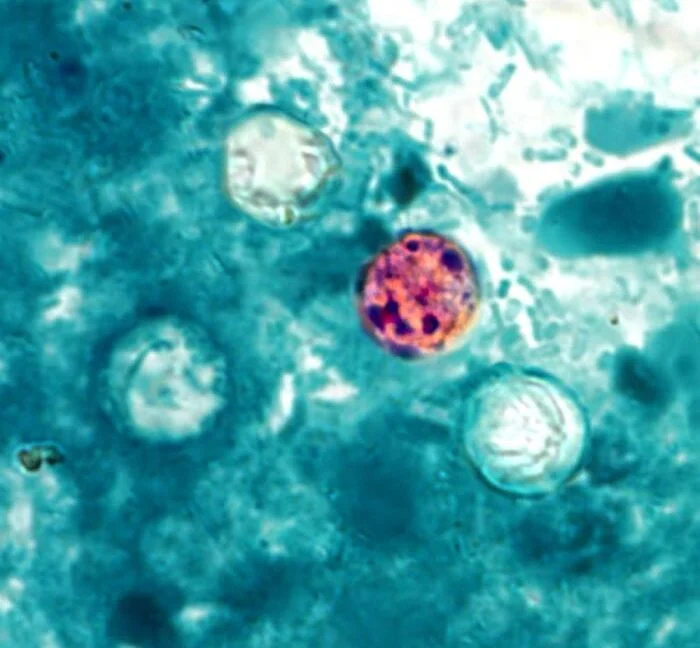
Cyclospora cayetanensis is a microscopic parasite that causes an intestinal illness called cyclosporiasis. The parasite is transmitted to humans through contaminated food or water. Common sources of Cyclospora contamination include fresh fruits and vegetables that have been irrigated with or washed in contaminated water, or handled by an infected individual. Symptoms of cyclosporiasis typically include watery diarrhea, loss of appetite, weight loss, cramping, bloating, gas, nausea, and fatigue. Some individuals may also experience vomiting and fever. The illness can be prolonged, lasting for several weeks or even months if left untreated.
Outbreaks of cyclosporiasis have become a recurring concern in the United States, often linked to imported produce. In recent years, various fruits and vegetables, including cilantro, basil, raspberries, and pre-packaged salads, have been implicated in Cyclospora outbreaks. The parasite’s life cycle and its ability to survive on produce make it a persistent threat, requiring diligent monitoring and robust food safety practices throughout the supply chain, from farm to table.
The challenges in identifying the source of Cyclospora contamination are multifaceted. The parasite is not easily detected through routine visual inspection, and laboratory testing can be complex. Furthermore, the long incubation period of the illness (typically one to two weeks) can make it difficult to trace the source once symptoms appear. The interconnected nature of the global food supply chain also means that contamination can occur in foreign countries, adding layers of complexity to traceback investigations.
Timeline of Events (Inferred and Reported)
While a precise chronological account is subject to ongoing investigation, the following timeline reconstructs the known events and their potential sequence:
- Pre-Recall Period: Iceberg lettuce produced by Taylor Farms, potentially contaminated with Cyclospora, enters the food supply chain. The point of contamination is not yet definitively identified, but could be at the farm level, during processing, or through cross-contamination.
- Early/Mid-October (estimated): Reports of Cyclospora infections begin to emerge, prompting initial investigations by public health authorities.
- Mid-October (estimated): Public health agencies identify a potential link to a specific food product or producer, leading to the issuance of a recall.
- October 26, 2023 (reported): Taylor Farms issues a recall for iceberg lettuce distributed to 27 states. The recall notice is characterized by its lack of specific detail regarding distribution points.
- Late October/Early November: Media investigations and FDA confirmations begin to shed more light on the distribution of the recalled lettuce, identifying Walmart as a retailer, and Jack in the Box, Sysco, and US Foods as other distribution points. The presence of the lettuce in blends with romaine lettuce is also reported.
- Early November (specific date not provided): The FDA identifies a new outbreak of Cyclospora infections. The agency states a traceback investigation is underway, but provides limited information on the scope or potential source of this new outbreak.
- Present: Investigations by the FDA and CDC continue into both the initial recall-associated illnesses and the newly identified outbreak. Public health officials are seeking to establish definitive links, identify all contaminated products, and prevent further illnesses.
Supporting Data and Broader Implications
The economic impact of foodborne illness outbreaks is substantial. Beyond the direct healthcare costs associated with treating infected individuals, outbreaks lead to significant financial losses for businesses through product recalls, damaged brand reputation, and decreased consumer confidence. According to the CDC, foodborne illnesses cost the United States an estimated $15.6 billion annually.
The current situation with Cyclospora highlights several critical areas of concern for public health and the food industry:
- Traceability and Transparency: The vagueness of recall notices remains a persistent problem. Improved systems for product traceability, coupled with more detailed and timely recall information, are essential for enabling consumers and retailers to take immediate action and protect themselves from contaminated products. The ability to pinpoint specific lot numbers, distribution dates, and retail locations is paramount.
- Supply Chain Vulnerabilities: The global nature of food production means that contamination can occur at any point in the supply chain. Robust international collaboration and stringent food safety standards in exporting countries are crucial to prevent the introduction of pathogens into domestic food supplies.
- Resource Allocation for Public Health Agencies: The reported budget and staffing cuts at the FDA and CDC raise questions about the agencies’ capacity to effectively monitor food safety, investigate outbreaks, and respond to emerging public health threats. Adequate funding and staffing are vital for ensuring the safety of the nation’s food supply.
- Consumer Education and Awareness: While regulatory agencies play a primary role, consumer awareness about food safety practices, the importance of following recall instructions, and recognizing symptoms of foodborne illness is also critical. Clear and accessible information from health authorities empowers individuals to make informed decisions and protect their health.
The ongoing investigations into the Cyclospora outbreaks underscore the persistent challenges in safeguarding the food supply. As the FDA continues its traceback efforts, the public awaits further information that can clarify the scope of the problem, identify all potential sources, and ultimately prevent future occurrences of these debilitating foodborne illnesses. The lack of immediate transparency from federal agencies, coupled with the known impact of resource constraints, further amplifies the need for robust and well-funded public health infrastructure.