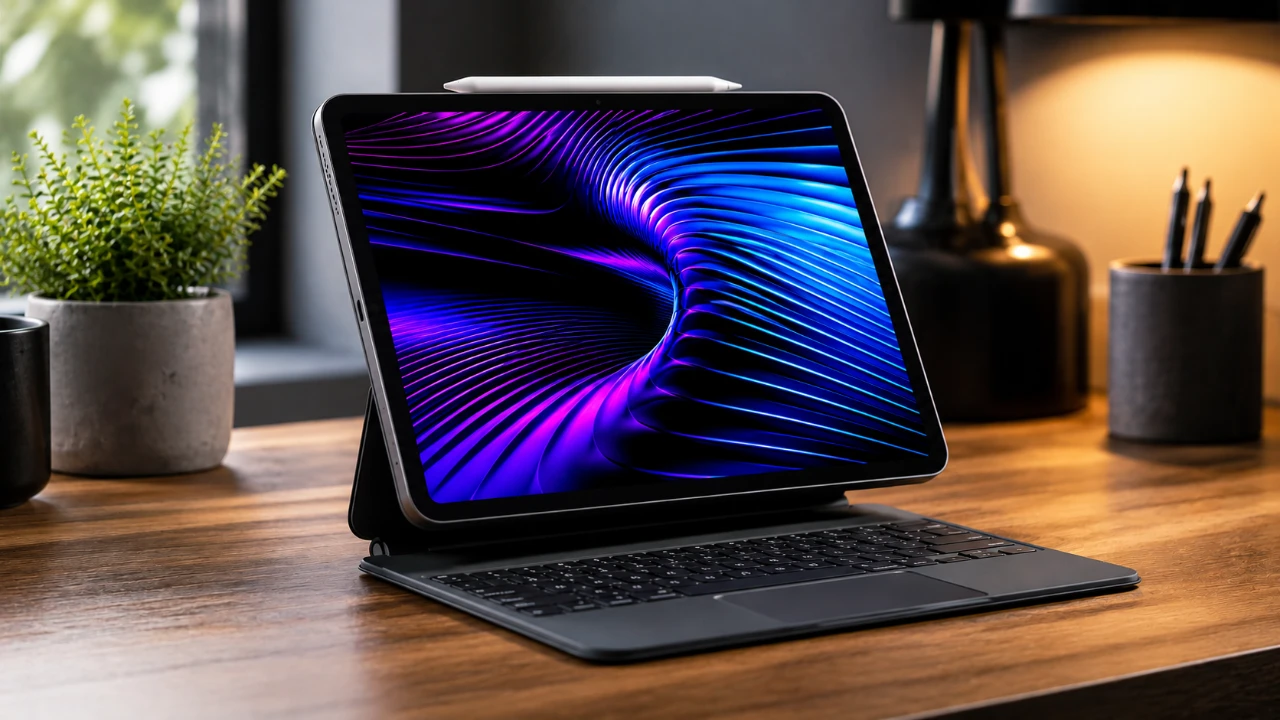
Apple’s upcoming 2027 iPad Pro, slated for a spring release, is shaping up to be a powerhouse of technological innovation, promising significant leaps in processing power, artificial intelligence capabilities, and thermal management. However, whispers from industry analysts and supply chain reports suggest that two persistent hurdles – the limitations of iPadOS and the device’s premium pricing – could significantly temper its market reception, particularly beyond the professional user base. While the hardware is poised to push the boundaries of what a tablet can achieve, the software ecosystem and the financial investment required may prevent it from reaching its full potential for a broader audience.
A Glimpse into Next-Generation Hardware
The 2027 iPad Pro is expected to launch in two familiar sizes: an 11-inch model and a larger 13-inch variant, catering to diverse user needs. At the heart of these devices will lie Apple’s next-generation silicon, with rumors pointing to either the M6 or M7 chip. These processors are reportedly being manufactured using TSMC’s cutting-edge 2-nanometer fabrication process, a technological marvel that promises not only a substantial boost in raw performance but also remarkable improvements in power efficiency. This advanced architecture is anticipated to yield significant gains in speed and responsiveness across all applications, from everyday browsing to demanding professional workflows.
The benefits of this new chip architecture are expected to be multifaceted. Enhanced CPU cores will accelerate complex calculations and multitasking, while a more powerful GPU will drive more sophisticated graphics rendering and smoother visual experiences. Furthermore, a next-generation Neural Engine will be the engine for advanced AI and machine learning tasks, unlocking new levels of intelligent functionality within the iPad Pro’s ecosystem. For professionals in fields such as graphic design, video editing, 3D modeling, and scientific research, these performance upgrades are not merely incremental; they represent a tangible leap forward, potentially allowing for the execution of tasks that were previously confined to high-end desktop workstations.
However, a crucial point of discussion revolves around the perceived value of these advancements for the average consumer. For users upgrading from devices already equipped with the M4 or M5 chips, the performance gains, while measurable, might not feel revolutionary for typical use cases like web browsing, social media, or casual gaming. This raises a pertinent question: will the substantial hardware improvements translate into a compelling enough reason for non-professional users to justify the inevitably premium price tag?
The AI Revolution and Advanced Cooling Solutions
The anticipated M7 chip is particularly poised to be a catalyst for AI-driven functionalities within the iPad Pro. Apple has been steadily integrating AI into its product lines, and the 2027 iPad Pro is expected to be a flagship device for this push. Potential AI applications could range from intelligent content creation assistance, such as AI-powered writing and image editing tools, to advanced predictive text and contextual suggestions that streamline user interactions. On the productivity front, AI could enable more sophisticated multitasking, smarter resource allocation for applications, and enhanced personal assistants capable of understanding and executing complex commands. Imagine an iPad Pro that can intelligently categorize your files, optimize app performance based on your usage patterns, or even offer proactive suggestions for your workflow.
Beyond the silicon, Apple is reportedly addressing thermal management with a significant hardware innovation: the integration of a vapor chamber cooling system. This advanced cooling solution is designed to efficiently dissipate heat generated during sustained, resource-intensive operations. For professionals engaged in tasks like rendering high-resolution video, running complex simulations, or working with large datasets, this will be a critical feature, ensuring consistent performance without thermal throttling. This technology, commonly found in high-performance laptops and gaming devices, signifies Apple’s intent to position the iPad Pro as a true workstation replacement for demanding creative and technical professionals.
Yet, the narrative circles back to the user experience for the everyday consumer. While these advanced cooling systems and AI capabilities are impressive feats of engineering, they may represent an over-specced solution for users whose daily digital interactions do not push the device to its limits. The sophisticated hardware, while undeniably capable, risks remaining underutilized for a significant portion of the potential user base, especially when juxtaposed with the continuing constraints of the iPadOS software.
The Persistent iPadOS Bottleneck: A Software Ceiling
Despite the groundbreaking hardware Apple is rumored to be developing, the operating system remains a significant factor in the iPad Pro’s ability to truly supplant traditional laptops for professional use. While Apple has progressively enhanced iPadOS over the years, introducing features like Stage Manager for improved multitasking, fundamental limitations persist that prevent it from fully leveraging the raw power of the hardware.
One of the most significant challenges is the lack of robust support for advanced file management and complex application workflows. Unlike macOS, iPadOS still operates with a more sandboxed approach to applications, which can hinder seamless integration and data sharing between professional-grade software. For instance, advanced video editing suites might not offer the same level of plugin support or direct access to system-level resources as their desktop counterparts. Similarly, the ability to run multiple instances of the same application or to have truly independent windows for different tasks remains a point of contention for power users accustomed to the flexibility of desktop operating systems.
The reliance on touch-first design principles, while a strength for many iPad users, can also become a bottleneck for complex desktop-class applications that benefit from precise mouse and keyboard input. While Apple has made strides in improving cursor support, the overall user experience for highly intricate tasks can still feel less intuitive than on a traditional laptop. Furthermore, the limited support for certain professional software packages and the absence of a command-line interface or full developer tool access mean that the iPad Pro, despite its silicon prowess, cannot yet cater to the full spectrum of professional computing needs.
This disconnect between bleeding-edge hardware and a software ecosystem that has yet to fully mature for professional workflows creates a substantial barrier. Until iPadOS evolves to offer a more desktop-like experience with enhanced multitasking, deeper application integration, and greater system-level control, the iPad Pro’s remarkable hardware capabilities may remain underutilized for a segment of users who desperately need them to unlock their full productivity potential.
Pricing: A Significant Barrier to Entry
The financial aspect of the 2027 iPad Pro is another area generating considerable discussion. Industry projections suggest that the base model will likely start around $1,200, with configurations featuring higher storage capacities, cellular connectivity, and premium finishes potentially pushing the price well over $2,000. This premium pricing strategy is influenced by several factors, including the cost of advanced components like the next-generation chips, the sophisticated display technologies, and the R&D investment in new features like AI integration and advanced cooling.
For a significant portion of consumers, this high entry price point will undoubtedly be a deterrent. In a market where refurbished models of previous iPad Pro generations, equipped with M4 or M5 chips, offer more than adequate performance for the vast majority of everyday tasks at a considerably lower cost, the value proposition for casual users becomes questionable. This widening price gap suggests a strategic shift by Apple, with the iPad Pro increasingly being positioned as a device for professionals and affluent enthusiasts rather than a mainstream tablet for the general public. This strategy mirrors Apple’s approach with its higher-end MacBook Pro models, focusing on a niche market willing to pay a premium for cutting-edge technology and performance.
Apple Pencil Updates: A Move Towards Sustainability and Enhanced Functionality
In conjunction with the 2027 iPad Pro, Apple is also anticipated to refresh its Apple Pencil line with two new models. These updates are expected to focus on enhancing user experience and incorporating more sustainable design principles. Rumors suggest improved haptic feedback for a more tactile and immersive drawing and writing experience, alongside enhanced pressure and tilt sensitivity to offer even greater precision for artists and designers.
Furthermore, potential changes to the Apple Pencil could be influenced by emerging EU regulations mandating replaceable batteries. This regulatory pressure could force a significant redesign, moving away from sealed units towards models that allow for user-replaceable batteries. Such a change would not only address long-standing concerns about battery longevity and the environmental impact of disposable batteries but also align with Apple’s broader sustainability initiatives. This move towards greater repairability and longevity would be a welcome development for many users and could bolster the accessory’s appeal, particularly among environmentally conscious professionals.
Defining the Target Audience: Who is the 2027 iPad Pro For?
The confluence of advanced AI-driven features and cutting-edge hardware points towards a refined target audience for the 2027 iPad Pro. The device is clearly being engineered to excel in specific professional domains:
- Creative Professionals: Graphic designers, illustrators, photographers, and video editors will benefit from the enhanced processing power, improved display accuracy, and potentially new AI-assisted creative tools.
- Architects and Engineers: For 3D modeling, CAD work, and complex design visualizations, the raw performance and graphical capabilities will be invaluable.
- Researchers and Scientists: Tasks involving data analysis, scientific simulations, and machine learning model training could see significant acceleration.
- Developers and Coders: While not a full desktop replacement, the improved multitasking and potential for more robust developer tools could make it a viable portable coding device for certain workflows.
However, for the average consumer whose daily digital needs are met by web browsing, email, streaming media, and casual gaming, the incremental hardware upgrades might not justify the significant financial outlay. The availability of cost-effective refurbished models with slightly older, yet still highly capable, chipsets presents a much more practical and budget-friendly alternative for these users. This segmentation of the market is likely to become more pronounced, with the iPad Pro solidifying its position as a premium tool for a specialized professional segment.
Launch Timing and Market Implications
Apple is strategically planning to unveil the 2027 iPad Pro during its traditional spring product event, a timeframe that also typically sees the debut of new iPhone models. This timing is designed to maximize media attention and public interest, positioning the iPad Pro as a significant highlight of Apple’s annual product cycle.
The ultimate success of the 2027 iPad Pro will hinge on Apple’s ability to strike a delicate balance. The company must effectively communicate the value proposition of its cutting-edge hardware while simultaneously addressing the persistent software limitations of iPadOS. The high price point will inevitably be a major factor influencing consumer adoption. While the iPad Pro is undoubtedly poised to captivate professionals seeking the pinnacle of mobile computing performance, its broader market appeal may continue to be constrained by its premium cost and the ongoing need for software evolution to fully unlock its hardware potential. The market will be watching closely to see if Apple can bridge the gap between its ambitious hardware vision and the practical realities of its software ecosystem and pricing strategy.
The development and launch of the 2027 iPad Pro will be a key indicator of Apple’s future direction in the tablet and mobile computing space. The company’s ability to innovate on both the hardware and software fronts, while carefully considering its pricing strategy, will determine its success in an increasingly competitive market.