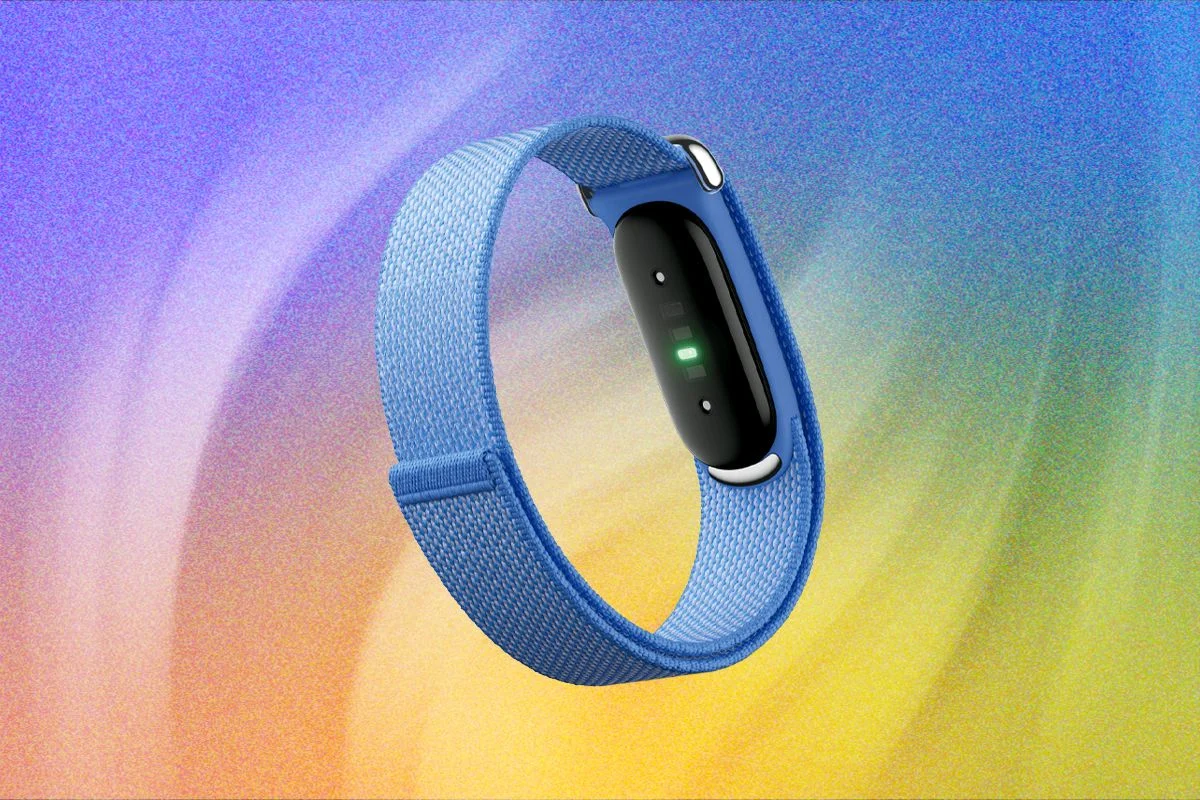
It has been half a decade since Google officially acquired Fitbit for a reported $2.1 billion, a landmark deal that not only integrated Fitbit’s hardware and software teams but also absorbed assets from Pebble, a company Fitbit had acquired in 2016. The integration has subtly reshaped the wearable landscape, with Fitbit now operating under the "Google Fitbit" umbrella. While the branding shift may not have captivated consumer consciousness, the core user-friendliness and accessibility of Fitbit devices remain a significant draw, particularly for individuals embarking on or re-engaging with their fitness journeys. Despite increased competition from a plethora of alternatives, Fitbit continues to distinguish itself through its affordable price points, intuitive interface, and stylish designs, solidifying its position as a leading wearable fitness brand. For those seeking reliable step-counting and sleep-tracking capabilities, Fitbit devices offer a compelling solution. Moreover, under Google’s stewardship, the brand has expanded its offerings to include smartwatches capable of rivaling established competitors. This guide highlights the top Fitbit trackers available, catering to diverse wearable needs.
The Evolution of Fitbit Post-Acquisition
The acquisition of Fitbit by Google, finalized in January 2021 after regulatory reviews, marked a significant moment in the burgeoning health tech industry. Google’s strategic move aimed to bolster its presence in the wearables market, competing more directly with established players like Apple and Samsung. The $2.1 billion price tag underscored the perceived value of Fitbit’s extensive user base and its established brand recognition in the fitness tracking space. The integration process has been gradual, with a focus on leveraging Google’s AI and software expertise to enhance Fitbit’s existing ecosystem. This has led to a more unified experience, with Fitbit data increasingly accessible through Google’s broader health and wellness platforms. The introduction of "Google Fitbit" branding signifies this closer alignment, aiming to present a cohesive product offering that benefits from the strengths of both companies.
Top Fitbit Recommendations for Every User
Best Fitbit Overall: Google Fitbit Air
For individuals who prioritize functionality without the distraction of a constant screen, the Google Fitbit Air stands out as the top recommendation. Weighing a mere 12 grams, it offers unparalleled comfort, making it easy to forget it’s even being worn. Despite its minimalist design, the Air diligently tracks a comprehensive suite of health metrics, including heart rate, sleep patterns, daily activity levels, skin temperature variations, and menstrual health. All insights are conveniently consolidated within the Google Health app, where data is presented in an easily digestible format, fostering a user-friendly experience.
The Fitbit Air excels in its core functionalities. Its battery life extends to approximately a week on a single charge, with a quick five-minute top-up providing enough power for a full day’s use. While automatic workout detection can occasionally misclassify activities, and some AI-driven guidance may appear generic, these minor drawbacks are overshadowed by the device’s exceptional comfort for all-day and all-night wear. Priced at $100, it represents one of the most accessible entry points into comprehensive health tracking. The primary advantage of the Air—its lack of a screen—also serves as its most significant limitation for users who prefer immediate access to their stats on their wrist. However, for the majority of users seeking a balanced combination of affordability, comfort, and everyday health monitoring, the Fitbit Air offers an optimal solution.
Pros:

- Lightest and most comfortable Fitbit model available.
- Comprehensive tracking of fitness, sleep, and overall health metrics.
- User-friendly app experience with customizable settings.
- AI Health Coach provides motivational support and insights.
Cons:
- Automatic activity detection can sometimes be inaccurate.
- AI Health Coach prompts can occasionally be superficial.
- The proprietary Google scores might be overemphasized for some users.
Best Fitbit for Beginners: Fitbit Charge 6
Launched in 2023, the Fitbit Charge 6 continues to be the benchmark for fitness trackers aimed at newcomers to the wellness technology space. It retains the sleek design of its predecessor, the Charge 5, featuring a vibrant AMOLED touchscreen with an optional always-on display. Crucially, it reintroduces the physical side button, enhancing user interaction. The device monitors key health indicators such as heart rate, blood oxygen saturation (SpO2), and skin temperature. It also offers advanced features like ECG (electrocardiogram) and electrodermal activity (EDA) scans, providing insights into irregular heart rhythms and stress levels. A notable functional upgrade is the Charge 6’s ability to connect its heart rate sensor to select gym equipment, including treadmills and exercise bikes from brands like NordicTrack and Peloton. During testing, its heart rate monitoring proved to be highly accurate, comparable to more premium devices like the Oura ring. The battery life is also a significant advantage, offering up to a week of usage on a single charge.
The integrated GPS, while not matching the precision of dedicated sports watches, is sufficiently reliable for outdoor activities. Furthermore, unlike many high-end sports wearables, Fitbit’s devices provide detailed and actionable sleep data, a crucial component for overall well-being. The integration of Google services, such as Google Maps and Google Wallet, enhances the smartwatch experience, offering added convenience. All of this is available at a price point significantly lower than Fitbit’s dedicated smartwatches, making the Charge 6 an excellent value proposition for beginners.
Pros:
- Impressive battery life lasting up to a week.
- A comprehensive array of health and fitness features.
- Includes advanced functionalities like ECG and built-in GPS.
- Seamless integration with Google services and YouTube Music controls.
Cons:
- Lacks a fall detection feature.
- Occasional Bluetooth connectivity issues were noted during testing.
- Automatic exercise recognition can be inconsistent.
Most Affordable Fitbit (With Display): Fitbit Inspire 3

Beyond its budget-friendly price tag, the Fitbit Inspire 3 boasts the longest battery life within the Fitbit lineup. A single full charge can sustain usage for up to 10 days, depending on the intensity of its features. While functionally similar to the Charge 6, the Inspire 3 omits built-in GPS and offers 20 exercise modes, a number deemed sufficient by many users compared to the Charge 6’s more extensive, and perhaps excessive, count. Users also forgo certain premium features, such as Bluetooth connectivity with select gym equipment, the EDA Scan app for stress management, and NFC technology. However, for individuals whose priorities do not include these specific functionalities, the Inspire 3 delivers accuracy comparable to the Charge 6 at a considerably lower cost.
Pros:
- Exceptional battery life, lasting up to 10 days.
- Lightweight and comfortable for daily wear.
- The most budget-friendly option in the Fitbit range.
Cons:
- Does not include Google integrations or YouTube Music controls.
- Lacks an ECG app.
Best Fitbit for Kids: Fitbit Ace LTE
The original Fitbit Ace, introduced in 2018, empowered children aged 8 and above to track their physical activity, earn virtual badges, and monitor their sleep. The latest iteration, the Fitbit Ace LTE, marks a significant departure from the band format, adopting a smartwatch design that is likely to appeal more to older children. Targeted at ages 7 to 14, the Ace LTE features a child-friendly aesthetic reminiscent of the Versa series, but with enhanced durability. It sports a substantial OLED screen protected by Gorilla Glass 3, designed to withstand the rigors of daily use. Unlike its predecessor, the Ace LTE is water-resistant to 50 meters, allowing for worry-free use during water activities.
While incorporating familiar fitness tracking sensors like an optical heart rate monitor and motion sensors for activity tracking, Fitbit has omitted sleep-tracking capabilities from this model. The Ace LTE includes LTE connectivity, enabling calls between parents and children, and utilizes Google Maps for location tracking. Future updates are expected to introduce payment functionality. The device also features engaging games, including a Tamagotchi-style virtual pet that ties into activity levels, offering a unique motivational element. However, the full Ace LTE experience requires a monthly subscription of $10, and the device itself represents a considerable investment for a children’s smartwatch. Nevertheless, its intuitive interface, balanced blend of entertainment and fitness encouragement, and robust safety features make it a strong contender for younger users.
Pros:

- Engaging and entertaining for children.
- Does not require an additional phone line.
- Games are designed with time and step limitations.
- User-friendly interface.
- Considered one of the most secure smartwatches for children.
Cons:
- May not appeal to older children within the target age range.
- Battery life is relatively short.
Best Fitbit Smartwatch: Fitbit Versa 4
With the advent of the Google Pixel Watch 4, the future of Fitbit’s dedicated smartwatch line may seem uncertain. However, for those who prefer a Fitbit-centric experience with superior battery life over the Pixel Watch, the Versa 4 remains a compelling choice. It features a gently curved design, closely resembling the original Versa, but with the welcome return of a physical button for enhanced navigation. The watch boasts a large, vibrant 1.5-inch AMOLED touchscreen display. Its battery performance is a key differentiator, offering up to six days of usage on a single charge, particularly when the always-on display feature is not utilized.
For sports enthusiasts, the Versa 4 includes built-in GPS for tracking outdoor runs and rides, as well as motion sensors for indoor swimming. However, its accuracy in these activities may not rival that of specialized sports watches. The PurePulse heart rate sensor is more suited for general daily heart rate monitoring than for high-intensity workouts like CrossFit. Third-party app support has been largely replaced by native Google applications, including Google Maps. Voice control is also integrated through Google Assistant, complementing Amazon’s Alexa. As a device that effectively manages phone notifications, tracks daily activity and sleep, and avoids the need for constant charging, the Versa 4 offers a robust set of features for everyday users.
Pros:
- Represents the best smartwatch offering within the Fitbit ecosystem.
- Integrated GPS for outdoor activity tracking.
- Enhanced Google integrations for convenience.
Cons:
- Does not support YouTube Music controls.
- Lacks an ECG app.
Best Fitbit for Health Tracking: Fitbit Sense 2
.jpg)
The Fitbit Sense 2 was conceived to appeal to users who might otherwise consider an Apple Watch. It incorporates an electrocardiogram (ECG) sensor, which has received FDA clearance in the US, to assist users in detecting potential signs of atrial fibrillation. Its skin temperature sensor monitors nocturnal temperature variations, aiding in trend analysis. Additionally, a SpO2 sensor tracks blood oxygen levels during sleep, which can help identify potential breathing disturbances indicative of sleep disorders like sleep apnea.
While not a diagnostic tool, the Sense 2’s continuous electrodermal activity (EDA) sensor captures real-time and ongoing measurements of skin response, which Fitbit uses as an indicator of stress. Although Fitbit could improve its delivery of actionable stress-related information, this feature represents a significant step forward. The Sense 2 also inherits all the fitness and sports-tracking capabilities of the Versa 4, including built-in GPS and the PurePulse heart rate sensor for monitoring Active Zone Minutes. However, accessing the most valuable health insights necessitates a Fitbit Premium subscription, which costs $10 per month or $80 annually. This subscription unlocks a library of workouts, mindfulness sessions, and advanced sleep and stress analysis tools.
Pros:
- Offers the most advanced health and fitness insights within the Fitbit range.
- Includes advanced features such as ECG and built-in GPS.
- Benefits from Google integrations.
Cons:
- Does not support YouTube Music controls.
- Represents the highest price point among Fitbit devices.
Understanding Fitbit Premium and Water Resistance
Fitbit Premium is a subscription service that enhances the Fitbit experience by providing access to a wider range of features not available in the free version of the app. For $10 per month or $80 annually, users gain access to a curated library of recipes, guided mindfulness sessions, and workouts led by Fitbit trainers and partner brands such as Peloton, Calm, Aura Health, Breethe, and Ten Percent Happier. In addition to the standard sleep score, Premium members receive more detailed sleep analysis, including a monthly profile of their sleep patterns, and personalized stress analysis. The value of this subscription is subjective and depends on an individual’s desire for in-depth data and guided wellness programs. Given its competitive pricing compared to other wearable subscription services and the inclusion of a complimentary six-month trial with new Fitbit purchases, it offers a trial opportunity for users to assess its benefits.
Regarding water resistance, all recent Fitbit models, including the Charge 6, Sense 2, and Inspire 3, are submersible up to 50 meters. While some Fitbits can track swimming, this functionality is typically limited to indoor pools, utilizing motion sensors to record movements. It’s important to note that while the Fitbit device itself is water-resistant, this protection may not extend to all accessory bands, including those from Google or third-party manufacturers.
Frequently Asked Questions About Fitbits
Can Fitbits Connect to Strava?
Yes, though the dedicated Strava app has been removed from some older Fitbit models. For the Google Pixel Watch, the Strava Wear OS app is available. For other Fitbit devices, users can connect their accounts via the strava.fitbit.com website, following the provided instructions to enable data sharing between the two platforms.

Can Fitbits Measure Blood Pressure?
Currently, Fitbits do not have the capability to measure blood pressure directly. While the Fitbit app previously allowed manual logging of blood pressure readings, this feature has been discontinued. Google’s Health Connect app can be used to consolidate health data from various sources, including blood pressure monitors that support the app, thereby bridging data from different platforms.
Can Fitbits Detect Sleep Apnea?
Fitbits are not designed for the clinical diagnosis of sleep apnea. However, their sleep-monitoring capabilities can help identify potential warning signs. The Sense 2 and Versa 4 include snore and noise detection features using built-in microphones. Accuracy can be affected by ambient noise or the snoring of a partner, and optimal performance is achieved in quiet environments.
Which Fitbit Has an ECG Sensor?
An ECG sensor measures the electrical activity of the heart, offering a more precise assessment of heart rhythm compared to optical heart rate sensors (PPG), which can be influenced by movement. Fitbit introduced its ECG sensor with the Sense model in 2020. This feature is now available on the Sense 2, Charge 6, and all Google Pixel Watch models. The accompanying Fitbit ECG app allows users to take on-demand measurements to help detect signs of atrial fibrillation.
Should I Get a Fitbit or an Apple Watch?
Both Fitbit and Apple are dominant forces in the activity tracking market. Fitbit offers a wider variety of form factors, from simple trackers to smartwatches, and generally provides longer battery life. Apple’s strength lies in its Apple Watch series, including the Apple Watch Ultra 2, which appeals to endurance athletes. Fitbit devices often provide a more beginner-friendly experience and greater ease of use. While Apple’s "closing the rings" motivational system is highly effective, Fitbit also offers strong nudges to encourage daily movement. Both platforms are serious about health tracking, offering features like ECG, SpO2 monitoring, and optical heart rate sensors. The Apple Watch boasts a richer app store and greater capabilities as a sports tracker. However, Fitbit’s increasing integration of Google apps and its comprehensive approach to health, fitness, and mental well-being data continue to make it a competitive and compelling choice.