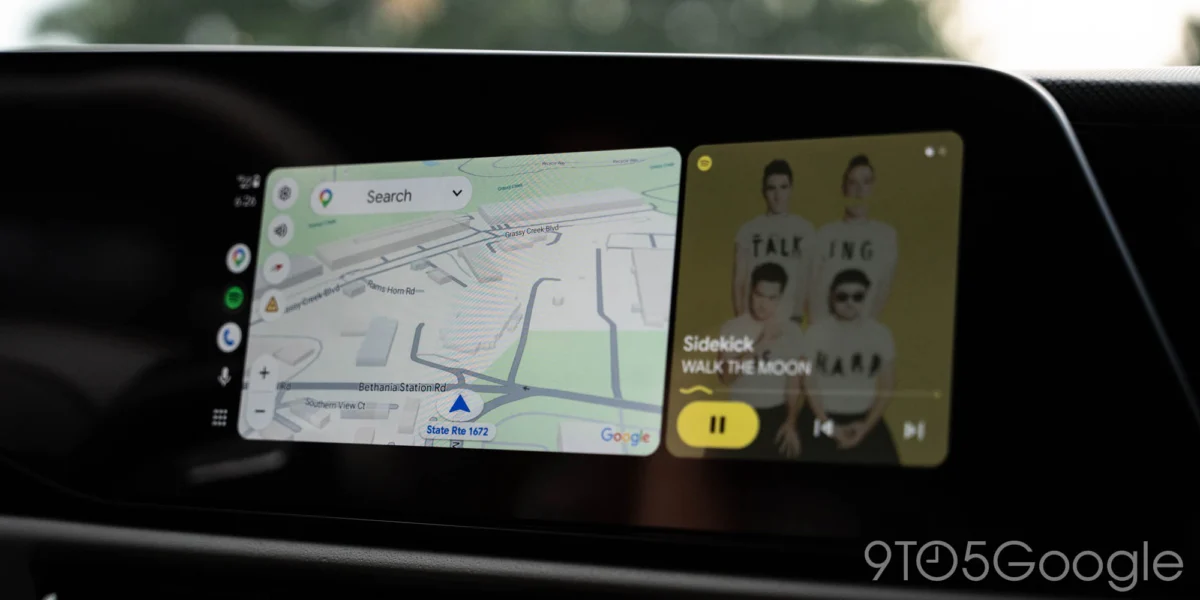
After a prolonged period of anticipation, signs are emerging that Google Maps within Android Auto is finally beginning to roll out support for a live speedometer. This feature, which displays a vehicle’s current speed directly on the navigation interface, has been a long-requested addition by users and represents a significant, albeit belated, enhancement to the driving experience. The rollout appears to be in its nascent stages, with only a handful of users reporting its presence, indicating a gradual and potentially staggered deployment.
The journey to this point has been notably protracted. While Google Maps introduced support for displaying speed limits within its interface several years ago, the integration of a live speedometer into Android Auto has lagged considerably. This delay is particularly puzzling given that Google has demonstrated the capability to implement such features swiftly on competing platforms. In July 2024, support for a live speedometer was introduced for Apple’s CarPlay, and the feature has been a standard offering on standalone Android devices for an extended period. The disparity in rollout timelines between these platforms has fueled user frustration and speculation regarding Google’s development priorities for its automotive infotainment system.

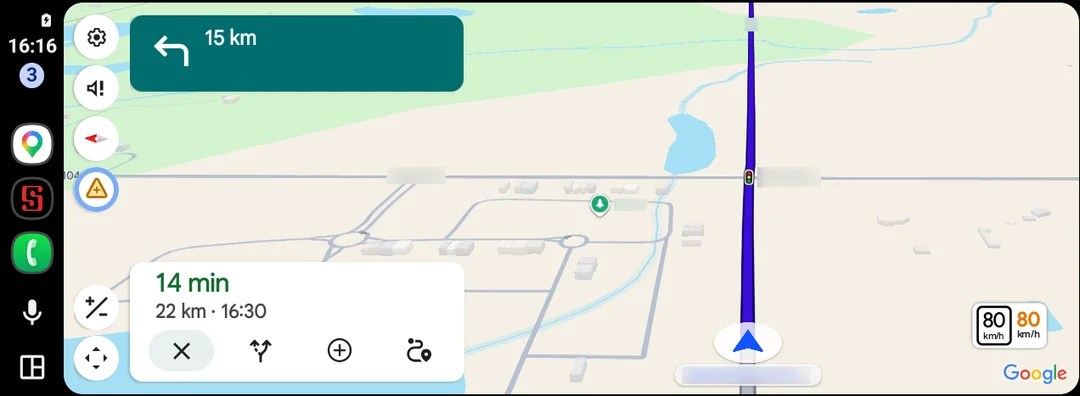
Recent reports, primarily originating from user discussions on Reddit, suggest that the speedometer is now appearing for some Android Auto users. One such report detailed a user located in Canada who observed the speedometer functionality while utilizing a beta version of the Google Maps app, specifically version 26.29.02.946673643. This sighting, while isolated, provides concrete evidence that the feature is actively being tested and deployed. The accompanying visual evidence, shared by users, depicts the speedometer integrated seamlessly into the Google Maps interface on the vehicle’s display.
However, it is crucial to emphasize that this feature is far from being universally available. As of the current reporting, many users, including this publication, have not yet encountered the speedometer. The limited number of reported sightings suggests that the rollout is likely in its early phases, possibly confined to specific regions, beta testers, or a limited subset of users as Google gathers feedback and ensures stability. The absence of widespread reports indicates that a full public release is still some time away.
The extended waiting period for this seemingly straightforward feature has led to considerable discussion within the Android Auto user community. Many have pointed to the fact that competing navigation applications, such as Waze (which is also owned by Google), have offered a speedometer function on Android Auto for years. This comparison further amplifies the perception of a slow development cycle for this particular functionality within Google Maps for Android Auto.
A History of Feature Rollouts in Android Auto
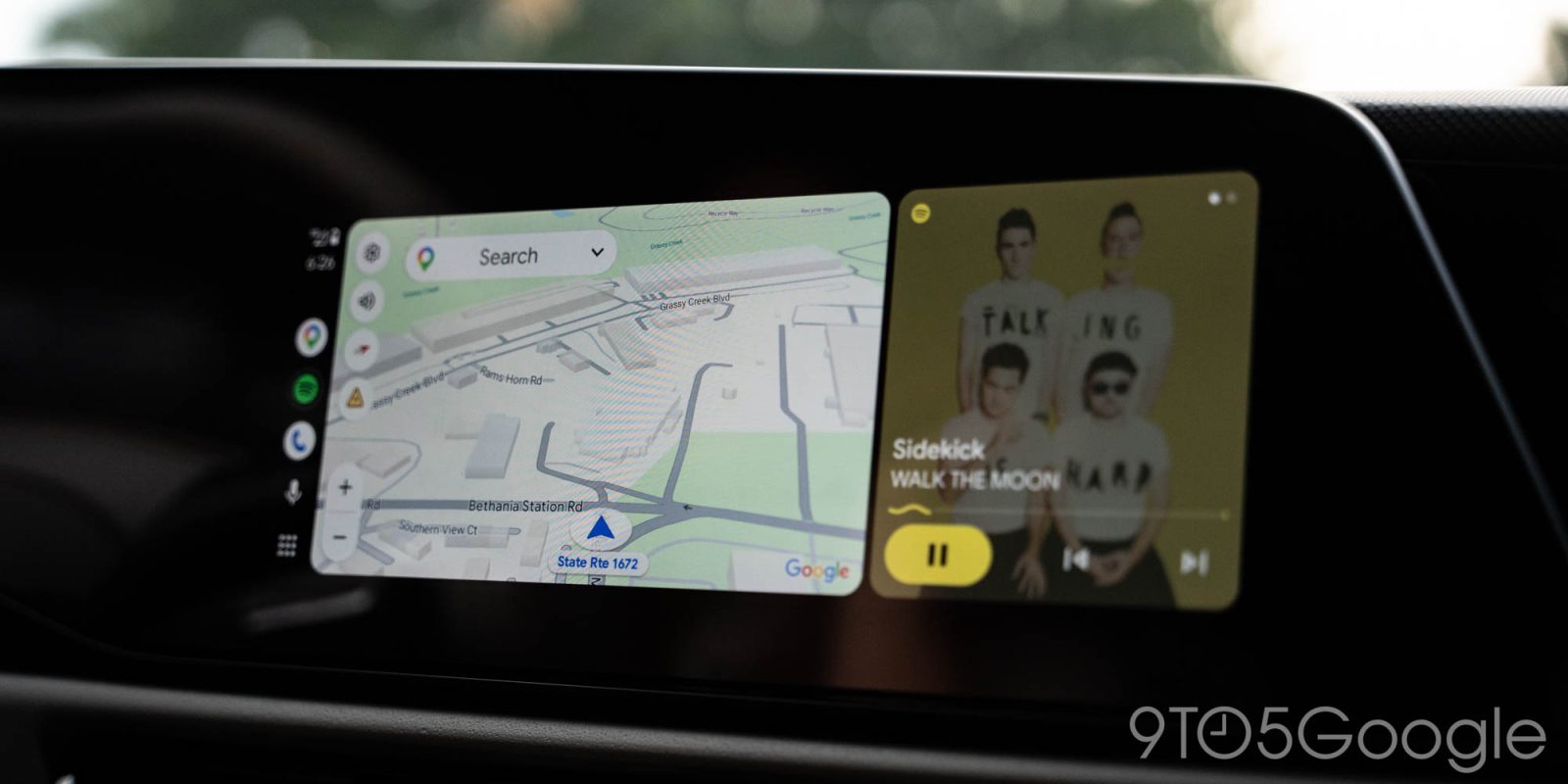
Understanding the timeline of feature introductions in Android Auto can provide context for the current speedometer situation. Google Maps itself has evolved significantly since its initial integration with Android Auto. Key milestones have included:
- Early Integration: Initial versions of Android Auto focused on core navigation and communication features, with limited customization and advanced functionalities.
- Speed Limit Display: Google Maps began displaying speed limits within its standalone app and later introduced this feature to Android Auto. The rollout of speed limits was itself a gradual process, taking months to reach all users across different regions.
- Waze Integration: The acquisition of Waze by Google led to its eventual availability as a third-party navigation option within Android Auto. Waze, known for its community-driven traffic updates and features, has long included a speedometer.
- CarPlay Speedometer: The recent introduction of a live speedometer in Google Maps for CarPlay in July 2024 marked a significant step, indicating Google’s renewed focus on enhancing its navigation offerings across platforms. This move likely spurred increased demand and anticipation for its Android Auto counterpart.
- Current Speedometer Rollout: The current, nascent rollout of the speedometer for Android Auto represents the culmination of years of user requests and the platform’s ongoing development.
Data and User Insights
While concrete data on the percentage of users who have received the speedometer update is not yet available, anecdotal evidence from platforms like Reddit provides valuable insights. The user who reported the feature in Canada was using a beta version of the Google Maps app. This suggests that Google is likely conducting phased testing, starting with internal teams and then expanding to beta testers before a wider public release.
The specific app version mentioned (26.29.02.946673643) is a key piece of information for users who wish to check their own devices. However, even having the correct app version does not guarantee access, as Google often employs server-side switches to control feature availability. This means that even users with the latest software may not see the feature until Google enables it for their account or region.
Analysis of Implications and User Impact
The introduction of a live speedometer in Android Auto, once fully rolled out, will have several implications for drivers:
- Enhanced Awareness and Safety: A live speedometer provides drivers with immediate visual feedback on their speed, which can be crucial for adhering to posted limits, especially in areas with frequent speed changes or in unfamiliar territories. This real-time information can contribute to safer driving habits and potentially reduce instances of speeding.
- Convenience and Reduced Distraction: Instead of relying on the vehicle’s often less prominent built-in speedometer or having to glance at a separate display, drivers can access their speed directly within the familiar Google Maps interface. This can minimize the need to divert attention from the road, thereby reducing distractions.
- Feature Parity: The rollout brings Android Auto closer to feature parity with other navigation platforms, including Waze and Apple CarPlay, addressing a long-standing point of comparison and user dissatisfaction.
- Data Collection and Improvement: The gradual rollout allows Google to collect valuable data on how the feature is used, identify any bugs or performance issues, and make necessary improvements before a widespread release. This data-driven approach is typical of Google’s software development lifecycle.
Potential Challenges and Future Outlook
Despite the positive signs, the rollout of the speedometer feature is not without potential challenges. As with any large-scale software deployment, there is a risk of bugs, performance issues, or compatibility problems with certain vehicle models or Android phone versions. Google’s strategy of phased rollouts is designed to mitigate these risks by identifying and addressing issues early on.
The extended development cycle for this feature may also reflect broader complexities within Android Auto’s architecture or Google’s internal development processes. Integrating new functionalities that must operate reliably across a diverse range of vehicles and hardware configurations presents a significant technical undertaking.

Looking ahead, users can anticipate a gradual expansion of the speedometer’s availability. It is advisable for users to ensure their Google Maps app is updated to the latest version and to keep an eye on official announcements or community forums for further updates. While patience has been a necessity for Android Auto users regarding this feature, the current developments suggest that the wait is nearing its end. The continued evolution of Android Auto, with the eventual inclusion of a live speedometer, underscores Google’s commitment to enhancing the in-car digital experience for its users.
The presence of a speedometer on Android Auto is a seemingly small addition, but its impact on user experience and safety is significant. As Google continues to refine its automotive offerings, features like these demonstrate a response to user feedback and a dedication to improving the overall functionality and appeal of the Android Auto platform. The eventual widespread availability of the speedometer will undoubtedly be a welcome development for millions of drivers who rely on Google Maps for their daily commutes and journeys.