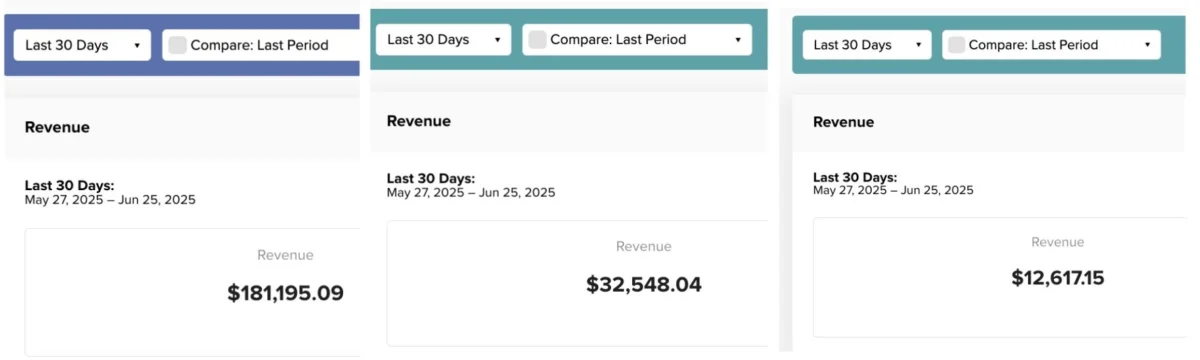
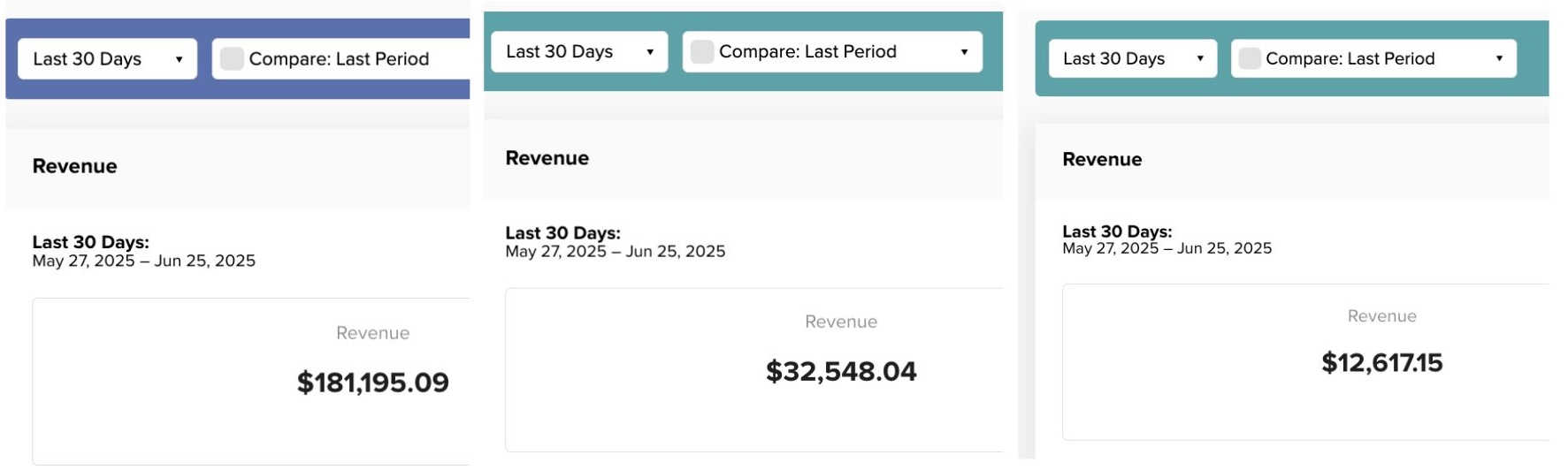
The digital publishing industry is currently undergoing a significant paradigm shift as traditional search engine optimization (SEO) strategies face increasing volatility due to frequent algorithm updates and the rise of generative artificial intelligence in search results. Jon Dykstra, a veteran niche site creator and publisher of the Fat Stacks blog, has recently detailed a comprehensive operational framework that bypasses reliance on organic search traffic. By leveraging a multi-platform "flywheel" approach, Dykstra reports generating in excess of $100,000 in monthly net profit across three distinct domains. This model emphasizes high-value content production, aggressive email list acquisition, and diversified monetization through display advertising and automated affiliate marketing.
The Evolution of the Non-SEO Publishing Model
The methodology developed by Dykstra is the culmination of an 18-month testing period designed to mitigate the risks associated with Google’s search ecosystem. For over a decade, niche site publishers relied almost exclusively on "long-tail" keywords to attract organic traffic. However, recent industry data suggests that organic reach for many independent publishers has fluctuated wildly following Google’s "Helpful Content" updates and the integration of Search Generative Experience (SGE).
In response to this instability, the reported strategy shifts the focus from "pleasing the algorithm" to building a direct-to-consumer media brand. The chronology of this transition began in late 2023, as Dykstra began de-emphasizing SEO-centric content in favor of "killer content"—material designed specifically for social sharing and bookmarking. The goal of this pivot was to create a self-sustaining ecosystem where traffic is owned rather than rented from search engines.
The Six-Step Framework for Content Domination
The architecture of this $100,000-per-month operation is built upon six foundational pillars. Each step is designed to feed into the next, creating a reinforcing cycle of traffic and revenue.

1. High-Value Content Production
The first stage involves the creation of comprehensive, niche-specific resources. Unlike traditional SEO content, which often targets low-competition keywords with thin information, this model requires "authoritative" content that solves specific user problems. The objective is to establish the domain as the primary resource in its respective space, encouraging repeat visits and direct traffic.
2. Aggressive Audience Capture
A critical failure point for many digital publishers is the inability to retain visitors. Industry statistics indicate that approximately 95% of first-time website visitors never return to the site. To counter this, the reported strategy mandates the immediate implementation of email capture tools. Using platforms such as Kit (formerly ConvertKit), the system integrates lead magnets and content upgrades across every page. This transforms transient traffic into a permanent asset—an email list that serves as an "insurance policy" against platform bans or algorithm shifts.
3. Multi-Stream Monetization
The revenue model is bifurcated into passive display advertising and active affiliate marketing.
- Display Advertising: The strategy utilizes Mediavine, an ad management platform known for high revenue per mille (RPM) rates. By optimizing site speed and ad placement, publishers can generate consistent revenue from every page view.
- Affiliate Integration: Beyond standard Amazon Associates links, the model incorporates Stay22, a sitewide affiliate platform. This tool automatically optimizes affiliate links for higher payouts and higher conversion rates, turning informational content into a significant revenue driver.
4. Newsletter-Centric Revenue
The email newsletter is treated not merely as a distribution channel but as a standalone profit center. By utilizing SparkLoop, a newsletter referral and monetization platform, publishers can earn revenue by recommending other newsletters to their subscribers. When combined with daily content delivery and sponsored placements, the newsletter becomes a high-margin component of the business.
5. Diversified Traffic Acquisition
To replace organic search, the model utilizes a combination of Pinterest and Facebook. Pinterest is treated as a visual search engine with high commercial intent, while Facebook is used to drive mass-market engagement. Tools like Pin Clicks are employed to automate and optimize the visual discovery process, ensuring a steady stream of "top-of-funnel" visitors to the website.
6. Social Media Automation and Scaling
The final step involves the use of automation tools like Manychat to convert social media engagement on Instagram, Threads, and Facebook into email subscribers. By automating conversations and lead capture through direct messages (DMs), the publisher can scale subscriber acquisition without manual intervention.
The Flywheel Effect: A Technical Analysis
The efficiency of this model is found in the "Flywheel Effect." In this context, the flywheel is a self-reinforcing loop where each action facilitates the next. The process begins when traffic hits the website from social or direct sources. This traffic immediately generates display ad revenue and potential affiliate commissions. A percentage of those visitors then join the email list.
Once on the list, subscribers receive daily newsletters that drive them back to the website. This return traffic generates a second round of ad impressions and affiliate opportunities. Furthermore, the use of SparkLoop within the newsletter allows for "cross-pollination" revenue, where the publisher is paid for every subscriber who opts into a partner publication. This cycle significantly increases the Lifetime Value (LTV) of a single visitor compared to the one-off nature of traditional SEO traffic.
Supporting Data and Financial Implications
While individual results in the niche publishing space vary, the reported $100,000 monthly profit figure aligns with high-end industry benchmarks for diversified media companies. According to 2024 digital advertising reports, premium ad networks like Mediavine often report RPMs ranging from $20 to $50 depending on the niche. For a site to generate $100,000 in monthly revenue through ads alone, it would require approximately 2 million to 5 million page views.
However, the integration of high-ticket affiliate offers and newsletter monetization significantly lowers the traffic threshold required to reach six-figure monthly profits. Industry analysts note that newsletter subscribers are often valued at $1 to $5 per month in revenue, depending on the niche’s monetization density. A list of 50,000 active subscribers could, therefore, account for a substantial portion of the reported income, independent of website traffic.

Industry Reactions and Broader Impact
The success of Dykstra’s non-SEO model has sparked significant discussion within the digital marketing community. Many publishers, once skeptical of "buying" traffic or focusing on social media, are now reconsidering their dependence on Google.
"The era of ‘set it and forget it’ SEO is largely over for the independent blogger," says one digital media consultant. "What we are seeing with the Fat Stacks model is the professionalization of the niche site. It’s no longer about building a ‘blog’; it’s about building a media brand that controls its distribution channels."
This shift has broader implications for the "Creator Economy." As platforms like Instagram and Threads introduce better monetization and automation features, the line between a "social media influencer" and a "niche site publisher" is blurring. The ability to scoop up subscribers via automated DM sequences—as seen with the Manychat integration—represents a sophisticated evolution in lead generation that was previously reserved for high-end SaaS (Software as a Service) companies.
Future Outlook: Sustainability in a Post-Search World
The primary challenge for this model remains the rising cost of paid traffic and the potential for "ad fatigue" among email subscribers. However, by maintaining a focus on "killer content" and genuine value, publishers can mitigate these risks. The reported success of running three separate domains under this framework suggests that the model is both scalable and repeatable.
As artificial intelligence continues to disrupt the traditional search landscape, the "Direct-to-Consumer" publishing model offers a blueprint for survival. By owning the audience through email and diversifying traffic sources through social automation, publishers can insulate themselves from the whims of tech giants. The transition from a search-dependent site to a diversified media empire appears to be not just a path to high profitability, but a necessary evolution for long-term sustainability in the digital age.