As November arrives, bringing with it a transition toward the winter solstice in the Northern Hemisphere, the digital landscape is undergoing its regular monthly transformation. For over 15 years, the Smashing Magazine project has curated a global initiative that bridges the gap between functional desktop utility and high-level digital artistry. This month’s collection, released at the dawn of November 2026, features a diverse array of wallpapers contributed by designers from Serbia, France, Spain, India, Lithuania, and beyond, providing a repository of creative work available for free to the public.
The Evolution of a Digital Tradition
The tradition of publishing community-sourced desktop wallpapers emerged as a response to the homogenization of default operating system backgrounds. When the project began in the mid-2000s, desktop customization was a primary method for users to exert agency over their computing environments. Today, while mobile-first design has shifted much of the focus away from desktop environments, the monthly wallpaper collection serves as a cultural artifact that tracks design trends—from the minimalist vector graphics of the late 2000s to the complex, AI-assisted, and parametric designs that characterize the 2026 landscape.
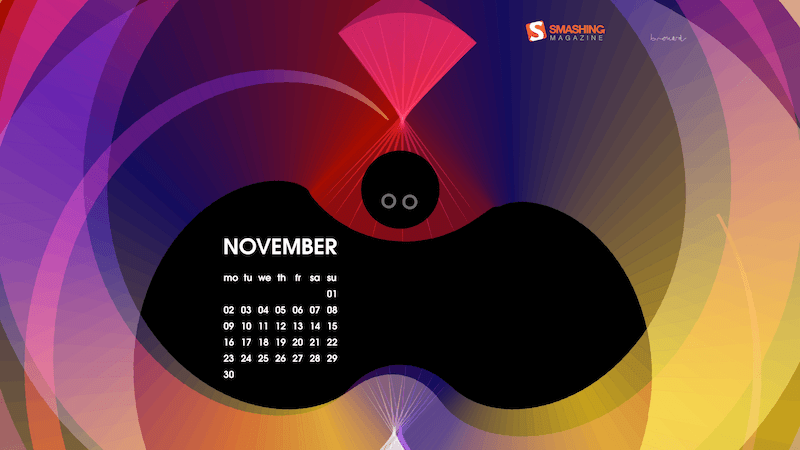
The chronological consistency of this project is notable in an industry often defined by rapid turnover. By soliciting contributions from international artists, the organizers have maintained a platform that functions as both a gallery and a community hub. The selection process for November 2026 reflects a thematic pivot toward the psychological experience of the season—balancing the "spooky" remnants of late autumn with the anticipation of the year’s end.
Seasonal Psychological Themes in Digital Design
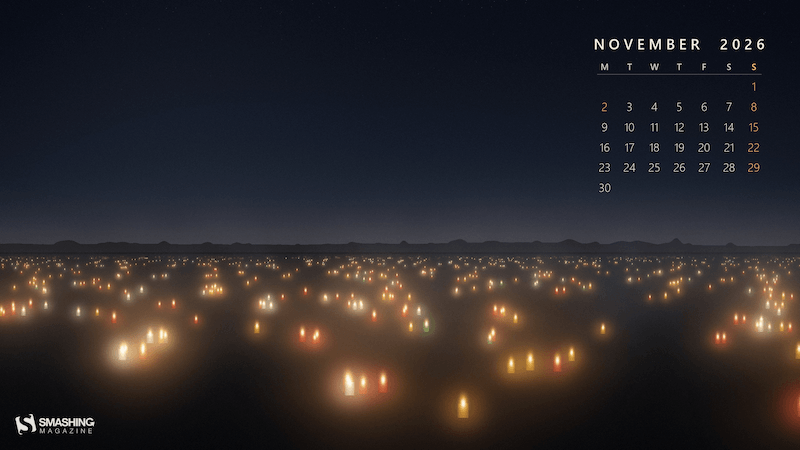
The submissions for this month highlight how environmental shifts influence creative output. Designers frequently utilize the changing climate of November as a catalyst for their work. For instance, the "Candlelight November" piece by Justas Arbatauskis, originating from Lithuania, draws upon the cultural practice of memorializing the deceased through the lighting of candles. This illustrates a trend where digital art is increasingly used to anchor global audiences in local, meaningful traditions.
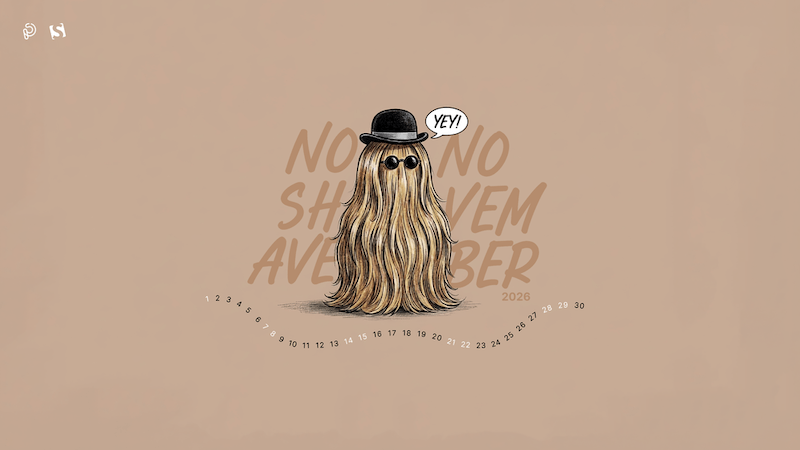
Conversely, works such as "From Spooky to Scruffy" by PopArt Studio, based in Serbia, lean into the popular cultural phenomenon of "Movember" or "No-Shave November," which encourages awareness of men’s health issues through the symbolic act of growing facial hair. The interplay between humor, such as the references to the Addams Family’s "Cousin Itt," and the functional requirement of a calendar demonstrates the evolving sophistication of digital wallpaper as a medium that communicates social cues.
Technical Diversity and Global Participation
The technical requirements for these wallpapers remain as rigorous as ever, catering to a vast spectrum of display hardware. As users move between high-resolution 4K monitors, ultra-wide displays, and various mobile aspect ratios, the need for scalable, high-fidelity imagery has become paramount. The participants in this month’s collection have provided files optimized for these varied resolutions, ensuring that the artwork retains its integrity regardless of the user’s hardware.
The geographic distribution of contributors remains a hallmark of the project’s success:
- Europe: Strong representation from Serbia, France, Spain, Belgium, and Lithuania, highlighting the region’s historical focus on graphic design and illustration.
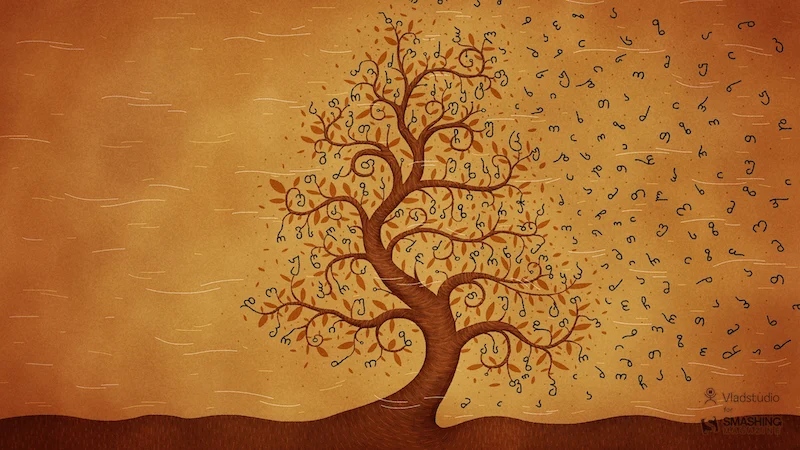
- Asia: Contributions from India, China, and Singapore provide a global perspective, often incorporating cultural symbols like the Georgian alphabet in the "Anbani" design.
- North America and Oceania: Continued participation from the United States and Australia ensures a balanced look at autumn and early winter themes across different climatic zones.
The Role of Art in Workplace Well-being
Beyond the aesthetic appeal, there is a functional element to this initiative that aligns with modern workplace wellness strategies. Research in environmental psychology suggests that the visual environment of a workspace—even a digital one—significantly impacts cognitive performance and mood. In a period often characterized by shortened daylight hours and the onset of winter-related seasonal affective symptoms, the introduction of bright, high-quality, and varied imagery acts as a low-cost, high-impact intervention for remote and office-based workers.

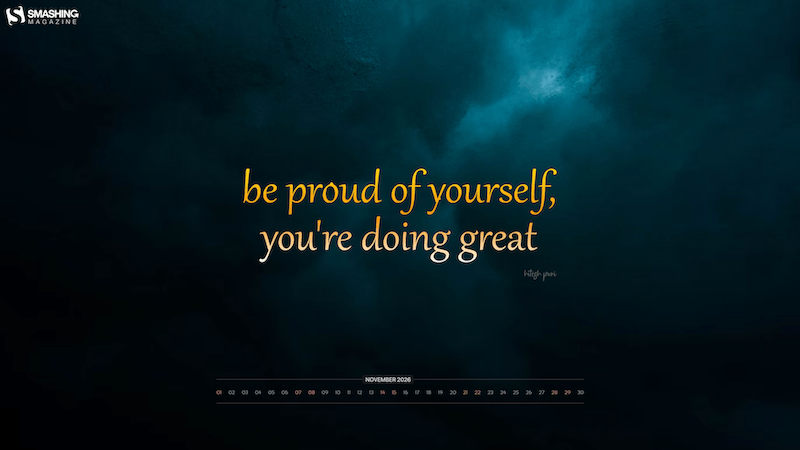
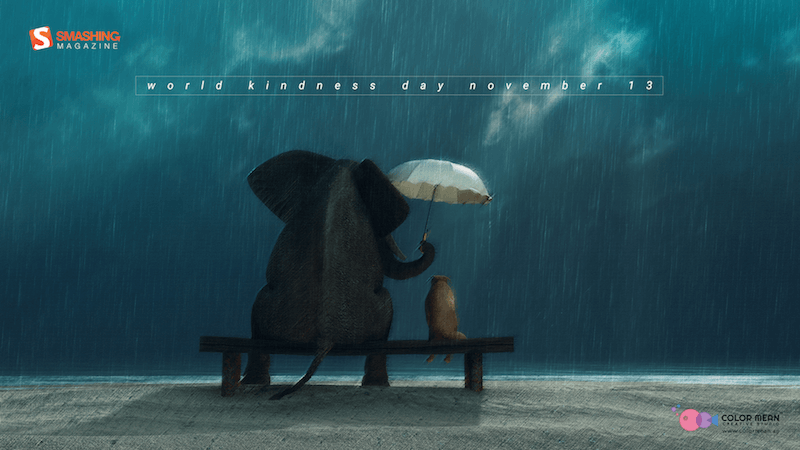
The inclusion of pieces like "Be Proud Of Yourself" by Hitesh Puri from India serves as a form of digital "nudge," providing positive reinforcement to the user throughout their workday. This demonstrates a shift in the purpose of wallpapers from purely decorative to supportive, acknowledging the psychological pressures of the modern digital workspace.

Integrating Artificial Intelligence and Future Trends
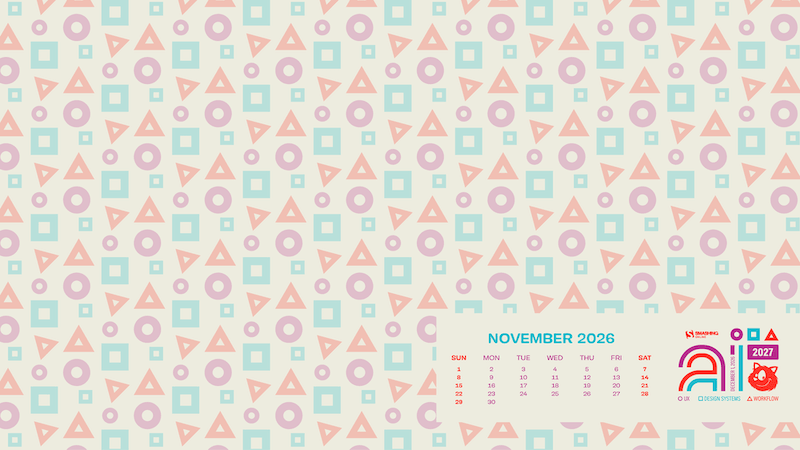
The November 2026 collection is also notable for the introduction of content regarding the upcoming AI 2027 Conference. By including a promotional wallpaper, the editorial team is testing the efficacy of the "wallpaper as billboard" model. This is a logical progression for a publication that sits at the intersection of design and technology. The rise of AI in creative workflows is an area of significant analysis, and the inclusion of AI-focused design content suggests that the community is actively grappling with how these tools will redefine the artistic process in the coming decade.
The implications for the design industry are clear: the barrier to creating high-quality, visually complex assets is lowering, shifting the value proposition from raw technical skill to conceptual strength and curation.
Call to Action and Future Submissions
The longevity of the Smashing Magazine wallpaper series relies on a steady influx of new talent. The call for submissions for December 2026, which are slated for publication on November 30, underscores the necessity of continuous community engagement. Historically, this platform has served as a launchpad for emerging designers to gain international exposure.
The process for potential contributors involves a rigorous review, where entries are judged on technical execution, originality, and the ability to convey a theme that resonates with a broad audience. As the publication prepares for the final month of the year, it is anticipated that the submissions will pivot toward themes of celebration, reflection, and the transition into the next calendar year.

Broader Impact and Industry Analysis
The enduring nature of this monthly series provides a unique data point for the digital design industry. While many digital trends are fleeting, the persistent demand for high-quality, human-curated desktop backgrounds indicates that users continue to value the intersection of technology and art. In an era dominated by algorithmic feeds and ephemeral content, the act of downloading, installing, and living with a static piece of art for 30 days is a counter-cultural gesture.
Furthermore, the initiative acts as a stabilizing force for designers. By providing a consistent schedule and a set of professional standards, the platform fosters a culture of reliability and excellence. It bridges the gap between hobbyist artists and professional design studios, allowing both to exist within the same digital ecosystem.
As the industry looks toward 2027, the role of such initiatives will likely evolve. We can expect to see an increase in interactive wallpapers, possibly incorporating real-time data visualizations or dynamic elements that respond to the user’s system performance or local weather. However, the core requirement—a high-quality, thoughtful, and aesthetically pleasing image—will remain the foundation.
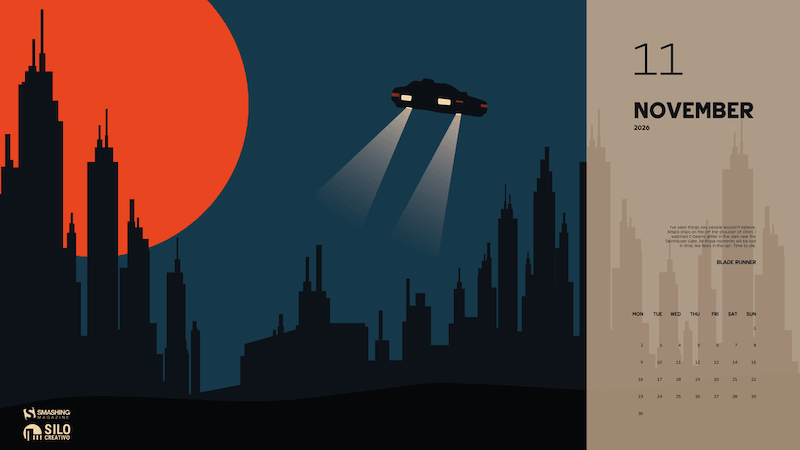
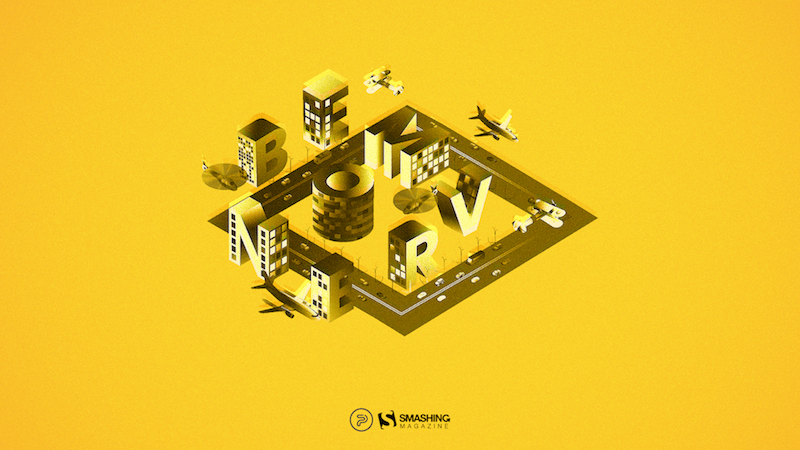
In conclusion, the November 2026 wallpaper collection is more than a simple set of images; it is a manifestation of global creative collaboration. By addressing the psychological, cultural, and technical needs of a diverse user base, the project continues to serve as an essential service for the digital community. Whether through the lens of a Spanish designer reflecting on mortality via Blade Runner motifs, or a Lithuanian designer celebrating the quiet solitude of candle-lit evenings, the collection succeeds in its primary goal: to brighten the digital environment, one desktop at a time. The commitment to this project for over a decade and a half is a testament to the enduring human desire to personalize the machines that define our modern lives. As we look ahead to the final month of the year, the anticipation for what the global design community will produce remains high, confirming that even in an increasingly automated world, the touch of a human designer remains indispensable.