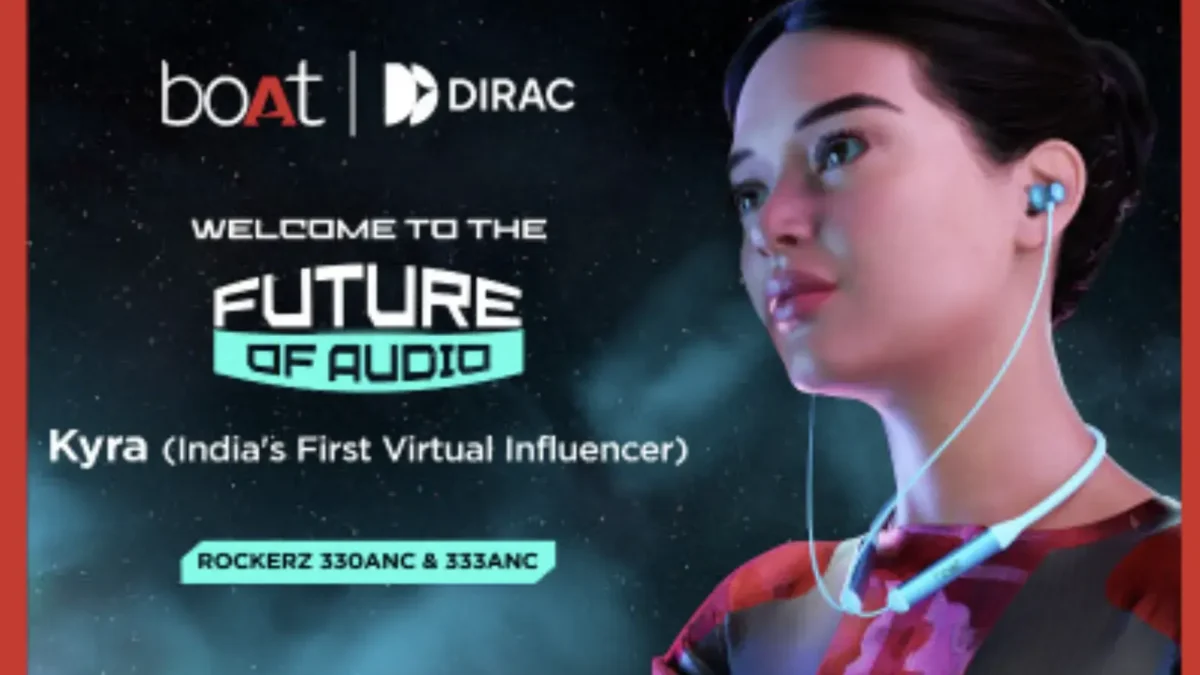
The modern social media landscape is increasingly populated by digital personas that look, speak, and act like human content creators yet exist entirely within lines of computer code. As brands navigate the evolution of digital marketing strategies, the integration of generative artificial intelligence has given rise to a new class of digital personalities known as AI influencers. These virtual entities—ranging from photorealistic lifestyle models to interactive brand mascots—are reshaping how companies approach consumer engagement, sparking vital industry conversations regarding production costs, consumer trust, and emerging global regulations.
The Evolution and Definitions of Virtual Personas
To understand the current trajectory of digital marketing, industry observers distinguish between traditional virtual influencers and generative AI influencers. Virtual influencers, such as Miquela Sousa (historically known as Lil Miquela), first emerged in the mid-2010s utilizing artist-driven computer-generated imagery (CGI). Created in 2016, Miquela paved the way for avatar-based brand partnerships, eventually securing representation with major talent agencies like CAA and working alongside luxury fashion houses including Prada, Calvin Klein, and Gucci.

Conversely, modern AI influencers leverage generative artificial intelligence to automate or assist in the creation of their appearance, voice, and behavioral content. A prominent example is Aitana Lopez, a Spanish virtual fitness model created by the Barcelona-based tech company The Clueless. Garnering hundreds of thousands of followers on Instagram, Lopez has promoted global consumer brands such as Amazon, Victoria’s Secret, and Olaplex. According to reports from the creators, the venture has generated substantial monthly revenues, highlighting the commercial viability of synthetic models.
Motivations Behind Brand Adoption: Control, Scale, and Economics
Brands are increasingly experimenting with AI influencers to address three core operational challenges: creative control, content scalability, and production costs.
Creative control remains a primary driver for agencies seeking to bypass the unpredictability of human talent. Ruben Cruz, founder of The Clueless, noted that Aitana Lopez was developed partly to insulate the agency from the logistical friction, scheduling conflicts, and personal egos often associated with human partnerships. AI-generated entities strictly adhere to predetermined scripts, aesthetic guidelines, and production timelines without creative dissent.

Scalability is another decisive factor. Unlike human creators who require rest, personal time, and physical recovery, AI influencers can theoretically generate content continuously across multiple time zones. This capability allows brands to maintain a constant social media presence without the logistical hurdles of physical photo shoots or location travel.
From a financial perspective, proponents argue that AI influencers offer significant long-term savings on production overhead. While initial setup and model creation costs can range from hundreds to hundreds of thousands of dollars, the marginal cost of producing subsequent digital assets drops significantly. Eliminating talent fees, travel expenses, and extensive production crews appeals to cost-conscious marketing departments. However, industry analysts emphasize that these savings must be weighed against hidden expenditures, including software licensing, legal compliance, rework hours, and crisis management reserves.
Consumer Perception and the Erosion of Brand Trust
Despite operational efficiencies, the integration of synthetic personas presents substantial risks to consumer trust. Market research indicates a profound skepticism among audiences regarding the authenticity of AI-generated endorsements.

According to data referenced from consumer studies, a notable portion of users interacts unfavorably with synthetic advertisements: nearly half of surveyed consumers report ignoring or taking no action upon viewing an ad featuring an AI influencer, while a significant percentage express outright distrust. Additional findings from industry surveys indicate that a majority of consumers would question product recommendations if they discovered an influencer utilized undisclosed AI generation, with many indicating an aversion to brands that rely heavily on synthetic social media content.
The core tension lies in the fundamental nature of influencer marketing, which traditionally relies on the shared human experiences, genuine product testing, and authentic relationships cultivated between creators and their audiences. Because AI influencers lack lived experiences, physical embodiment, and genuine emotional investment, consumer advocates argue that synthetic endorsements can easily be perceived as deceptive.
Global Regulatory Landscapes and Compliance Requirements
As the deployment of AI influencers expands, regulatory bodies worldwide are implementing stricter transparency requirements to protect consumers from misleading digital practices.

Regulatory developments have accelerated notably. In the United States, legislation such as New York’s state laws requires specific disclosures for advertisements featuring AI-generated synthetic human performers. Similarly, the European Union’s Artificial Intelligence Act enforces strict transparency obligations for generative content and AI systems that interact directly with individuals. Furthermore, regulatory bodies such as the Federal Trade Commission maintain that existing endorsement guidelines apply equally to virtual avatars and human influencers, requiring clear and conspicuous disclosure of commercial relationships.
These legal frameworks necessitate that brands implement rigorous compliance protocols. Failure to properly label synthetic content can result in regulatory penalties, platform sanctions, and severe reputational damage.
Strategic Implementation and Future Outlook
To successfully navigate the integration of AI influencers while preserving audience loyalty, marketing professionals are adopting structured workflows centered on human oversight, transparency, and consistency. Industry best practices recommend establishing clear content guardrails, maintaining open disclosure standards across all social media platforms, and engaging diverse communities in the development of virtual personas to prevent tokenism and cultural misrepresentation.

Looking ahead, the market for AI influencers is projected to evolve through increased interactivity and personalization, driven by advancements in conversational AI and real-time generative video. However, because consumer sentiment remains divided and regulatory scrutiny continues to tighten, market experts advise brands to adopt a measured approach. By conducting small-scale pilot programs, prioritizing absolute transparency, and carefully monitoring audience reception, organizations can evaluate the true utility of synthetic influencers within a balanced, multi-channel marketing strategy.