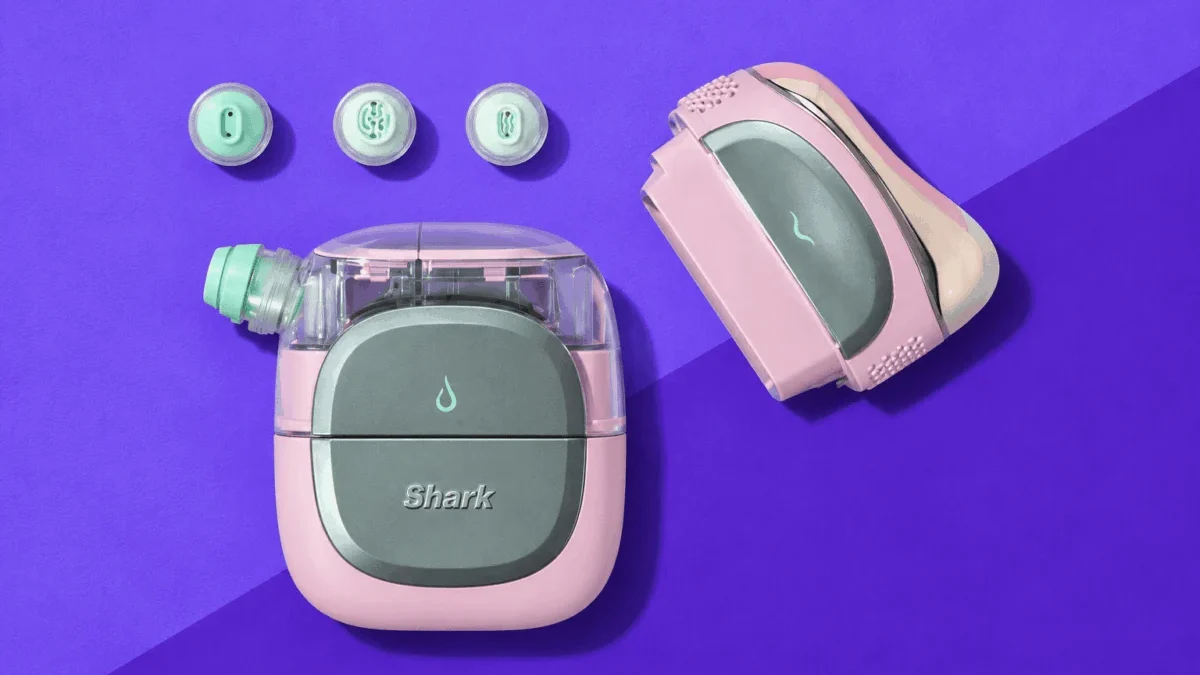
The consumer technology and beauty market has experienced a significant surge in demand for at-home skincare devices, highlighted by major promotional pricing events surrounding the annual Black Friday shopping holiday. Among the most prominent offerings in this category are the viral Shark Depuffi hot and cold face sculpting tool and the FacialPro Glow hydro-powered facial system, both of which have seen notable price reductions across multiple national retailers. As e-commerce platforms and brick-and-mortar storefronts record unprecedented traffic during the late-November retail window, high-demand beauty gadgets are facing severe inventory constraints, drawing increased scrutiny from market analysts and beauty industry observers alike.
Main Facts and Current Market Availability
The Black Friday promotional period has catalyzed a wave of discounted offerings from SharkNinja, a company widely recognized for its diverse consumer goods portfolio ranging from household vacuums to kitchen appliances and personal care technology. During the current sales cycle, the Shark Depuffi and the FacialPro Glow have emerged as top-tier items, available individually at reduced rates or packaged together in a bundled promotion.
Specifically, the Shark FacialPro Glow and Depuffi Bundle—which typically retails for $400—has been marked down to $300, presenting consumers with a $100 savings. Individually, the Depuffi face sculpting tool has seen its price dropped from $200 to $150 at participating merchants such as Shark’s official storefront and Macy’s. Meanwhile, the FacialPro Glow at-home hydro-powered facial system has been discounted from $250 to $180 at retailers including Ulta Beauty and Shark’s direct-to-consumer platform.
Despite these aggressive promotional strategies, supply chain availability remains a critical bottleneck. Industry reports indicate that the Shark Depuffi has experienced complete sell-outs across several major retail ecosystems, including Ulta, Sephora, and Target. In response to high consumer interest, manufacturers and distributors have implemented tiered promotional incentives, such as offering a complimentary Shark Depuffi unit with the purchase of select high-end styling tools like the Shark FlexStyle IonCurl Air Styler, valid while supplies last.
Chronology of the At-Home Skincare Trend
The rapid rise of multi-functional beauty devices like the Shark Depuffi and FacialPro Glow is the culmination of a multi-year shift in consumer behavior that accelerated significantly following global disruptions in the early 2020s.
During the period spanning from 2020 to 2022, temporary closures of professional dermatology clinics, aesthetician suites, and traditional spa facilities forced consumers to seek alternative skincare regimens within the home environment. This restriction catalyzed a boom in the direct-to-consumer beauty tech market, pushing advanced dermatological concepts—such as LED light therapy, microcurrent stimulation, and hydro-abrasion—out of clinical settings and into consumer-grade hardware.
By 2023 and 2024, brands that traditionally specialized in home appliances began investing heavily in personal care engineering, leveraging existing expertise in motor design, thermal regulation, and fluid dynamics. SharkNinja entered this competitive landscape by introducing targeted facial tools designed to replicate professional treatments—such as lymphatic drainage, thermal pore opening, and cryogenic cooling.
By late 2025 and into 2026, social media platforms and short-form video algorithms amplified the visibility of these specific devices, transforming items like the Depuffi into viral sensations. This digital word-of-mouth momentum directly preceded the current Black Friday sales window, setting the stage for record-breaking engagement and rapid inventory depletion across national distribution networks.
Product Engineering and Technological Specifications
The commercial success of the Shark Depuffi and FacialPro Glow relies heavily on their specific mechanical and thermal engineering, which differentiates them from passive cosmetic tools like traditional jade rollers or manual extraction strips.

The Shark Depuffi is classified as a contrast therapy device, utilizing a microprocessor-controlled thermal plate capable of cycling rapidly between targeted heat and cooling settings. Thermal regulation in skincare tools is designed to exploit the physiological responses of human skin: warmth is generally utilized to encourage vasodilation, soften sebum, and prepare the stratum corneum for topical product absorption, whereas cold settings induce vasoconstriction to temporarily reduce localized edema, minimize the appearance of pores, and calm inflammatory responses. The device’s physical architecture features an ergonomically molded chassis engineered to mirror the osteological contours of the human mandible, zygomatic arch, and orbital bones, permitting single-handed operation without excessive mechanical traction on delicate dermal tissues.
Concurrently, the FacialPro Glow operates as a multi-step hydro-powered facial system. Utilizing a closed-loop fluid delivery and suction mechanism, the system is designed to perform concurrent exfoliation, impurity extraction, and hydration infusion. The accompanying proprietary formulations—such as the Derm Detox exfoliating gel containing beta-hydroxy acids (BHAs) and alpha-hydroxy acids (AHAs), alongside the Hydro Infuse hyaluronic acid and peptide complex—are chemically optimized to function in tandem with the device’s fluid dynamics. This integration allows for the mechanical removal of oxidized sebum and keratin plugs from open comedones (blackheads) while simultaneously saturating the newly cleared pores with humectants, mitigating the irritation typically associated with manual extractions.
Supporting Data and Retail Landscape
The broader economic environment surrounding the late-November shopping season underscores a distinct consumer preference for high-value utility goods and wellness technology. Market research data compiled by retail analytics firms indicates that consumer spending on health, beauty, and personal care appliances has demonstrated consistent resilience, even amidst broader inflationary pressures affecting discretionary retail sectors.
According to retail tracking metrics for the current sales cycle:
- Beauty tech appliances have seen a year-over-year search volume increase of approximately 34% across major e-commerce aggregators.
- Promotional bundling strategies—such as the combined offering of the FacialPro Glow and Depuffi—account for a disproportionate share of high-ticket conversions, as consumers increasingly seek comprehensive regimes rather than isolated accessories.
- Inventory turnover rates for viral skincare hardware have compressed from an average of 14 days to under 48 hours during peak promotional windows, prompting warnings from supply chain logisticians regarding potential stockouts that may persist through the remainder of the fourth-quarter holiday shopping season.
Furthermore, competitive analysis reveals that the personal care tech market is no longer dominated exclusively by legacy beauty conglomerates. Technology-driven manufacturing companies, equipped with sophisticated global supply chains and rapid prototyping capabilities, have successfully captured significant market share by undercutting traditional clinical-grade pricing while maintaining comparable feature sets.
Industry Statements and Market Implications
While official corporate commentary from SharkNinja has remained focused on fulfillment logistics and inventory management, retail analysts have offered extensive insights into the broader implications of the viral beauty device phenomenon.
Industry analysts note that the rapid mainstream adoption of advanced at-home skincare devices signals a permanent evolution in consumer expectations regarding personal grooming and preventative maintenance. Rather than viewing advanced skincare as an occasional luxury reserved for clinical appointments, consumers increasingly expect clinical-grade efficacy in portable, consumer-operated form factors.
However, this rapid commercialization brings notable economic and regulatory implications. The heavy reliance on viral marketing campaigns propagated by social media influencers creates extreme demand spikes that can stress global manufacturing infrastructure, leading to artificial scarcity and secondary-market price gouging on peer-to-peer resale platforms. Additionally, dermatological and consumer safety experts frequently emphasize the necessity of proper consumer education regarding thermal and mechanical devices. Improper use of high-suction extraction systems or aggressive contrast therapy tools on compromised or highly sensitive skin barriers can lead to adverse dermatological reactions, including broken capillaries, purpura, or exacerbation of inflammatory conditions such as rosacea.
Despite these considerations, the sustained consumer demand observed during the current Black Friday sales cycle indicates that beauty technology has cemented its position as a primary driver of retail growth within the consumer electronics and personal care sectors. As brands continue to refine their engineering processes and expand their product ecosystems, the intersection of advanced dermatology and consumer hardware is expected to remain a dominant force in retail commerce for the foreseeable future.