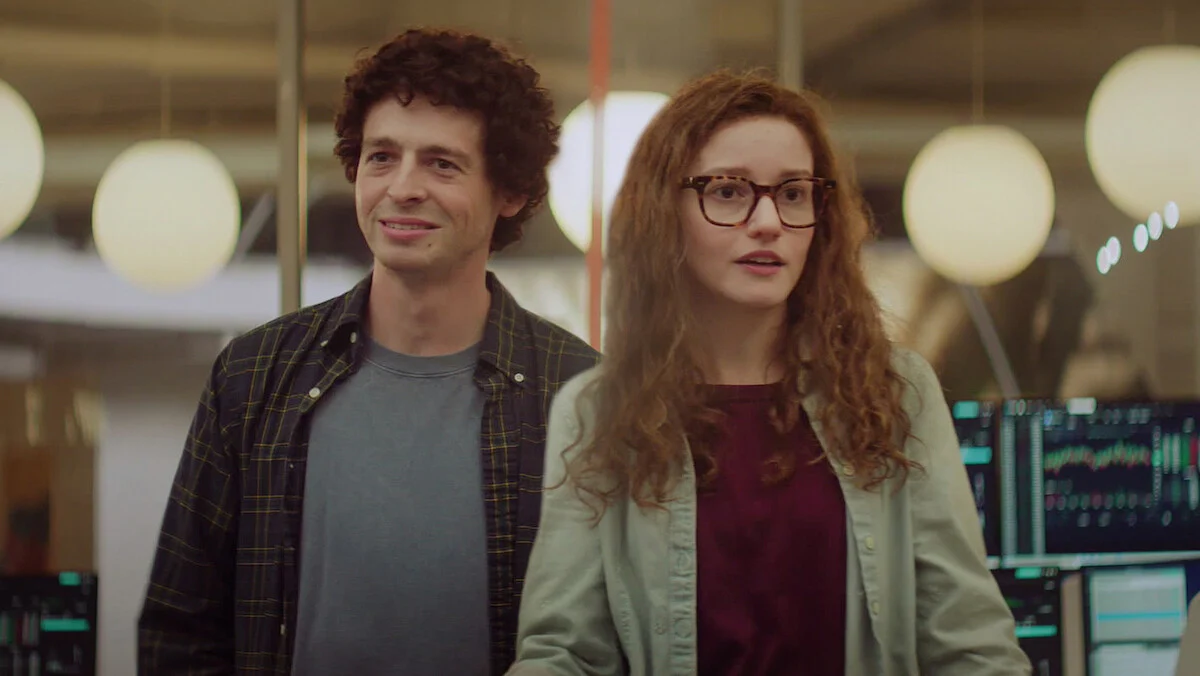
The release of the Netflix limited series The Altruists, an eight-part dramatization of the spectacular rise and fall of Sam Bankman-Fried and his cryptocurrency empire, FTX, has ignited a firestorm of criticism. While the series has garnered moderate praise from mainstream television critics for its production value and narrative pace, the reaction from within the cryptocurrency industry has been overwhelmingly hostile. Critics argue that the show—executive produced by Barack and Michelle Obama’s Higher Ground Productions—takes excessive creative liberties that fundamentally distort the nature of the fraud, reframe convicted felons as sympathetic figures, and lean into potentially xenophobic tropes regarding Binance founder Changpeng "CZ" Zhao.
The Anatomy of a Narrative Dispute
At the heart of the controversy is the series’ depiction of the events leading to the November 2022 bankruptcy of FTX. The show portrays Bankman-Fried and his former romantic partner and colleague, Caroline Ellison, not as primary architects of a multibillion-dollar financial crime, but as misguided idealists caught in a web of corporate coercion.
One particular scene that has drawn intense scrutiny depicts Zhao pressuring the pair into criminal activity, threatening to dismantle their exchange if they did not comply. Industry veterans, including DRW CEO Don Wilson, have publicly denounced this narrative, labeling it "preposterous" and an "epic fail." Wilson and others point out that the legal record, established during a high-profile federal trial, contains no evidence of such coercion. Instead, the court documents and testimony—including that of Ellison herself—paint a picture of a deliberate, long-term scheme to commingle funds between FTX and Alameda Research, Bankman-Fried’s proprietary trading firm.
Chronology of the FTX Collapse
To understand the intensity of the current backlash, it is necessary to revisit the timeline of the collapse:
- Early 2021–2022: Bankman-Fried emerges as a political donor and industry face, pledging millions to Democratic campaigns and lobbying for crypto-friendly regulation.
- November 2, 2022: A leaked balance sheet reveals that Alameda Research’s assets are heavily concentrated in FTT, a token created by FTX, suggesting deep liquidity issues.
- November 8, 2022: FTX freezes customer withdrawals after a "run on the bank" triggered by Binance’s decision to liquidate its FTT holdings.
- November 11, 2022: FTX, Alameda Research, and over 100 affiliated entities file for Chapter 11 bankruptcy. Bankman-Fried resigns as CEO.
- December 2022: Bankman-Fried is arrested in the Bahamas and extradited to the United States. Ellison enters a plea deal, agreeing to testify for the government.
- November 2023: A jury finds Bankman-Fried guilty on all seven criminal counts, including wire fraud and conspiracy to commit money laundering.
- March 2024: Judge Lewis Kaplan sentences Bankman-Fried to 25 years in federal prison.
The Question of Bias and Representation
The criticism of The Altruists extends beyond historical accuracy to the realm of cultural representation. Several industry figures have raised alarms regarding the portrayal of Changpeng Zhao, played by actor Terry Chen. The character is depicted with a heavy, affected Cantonese accent that many viewers argue relies on tired, racially charged stereotypes.
Zhao himself addressed the depiction on social media, noting his multicultural background—having grown up in Canada and worked globally—and expressing confusion at the portrayal. Laura Shin, a veteran crypto journalist and author, suggested that the decision to lean into these stereotypes appeared rooted in an anti-Chinese bias, stating that it was the only logical explanation for the specific character choices made by the production team.
Furthermore, the series has been accused of shifting culpability away from Bankman-Fried and onto Ellison. During the trial, prosecutors presented a mountain of evidence demonstrating that Bankman-Fried directed the fraudulent activities, including the misuse of customer funds to cover Alameda’s losses and fund political contributions. By recontextualizing the events as a "love story" or a tragedy of errors, critics believe the series obscures the cold reality of the financial losses sustained by millions of retail investors.
Follow the Money: Political Implications
The involvement of the Obamas as executive producers has fueled speculation regarding the series’ editorial direction. During the 2021–2022 election cycle, Bankman-Fried became one of the largest individual donors to the Democratic Party, contributing nearly $40 million to candidates and aligned political action committees.
Prominent legal figures, such as lawyer Hailey Lennon, have suggested that the show’s narrative choices may be a form of damage control for the political establishment. By framing Bankman-Fried as a victim of bullying or an accidental criminal, the production potentially dilutes the association between his fraudulent wealth and the millions of dollars he funneled into the political system. This "calculation," as described by some social media commentators, has deepened the divide between the mainstream media narrative and the technical reality documented by industry experts and forensic investigators.
Financial Reality vs. Cinematic Fiction
The financial scale of the fraud remains one of the largest in American history. As of the most recent updates from the bankruptcy estate, FTX creditors are expected to be made whole, but the process has been a years-long ordeal. The initial loss involved approximately $8 billion in customer funds that had simply vanished from the exchange’s accounts.
The series’ attempt to minimize these losses by focusing on the interpersonal drama between Bankman-Fried, Ellison, and other inner-circle members has struck a nerve with those who managed the cleanup. Constance Wang, the former COO of FTX, remarked that the series feels like a work of fiction that has unfairly co-opted the identities of real people. For those who were on the front lines when the exchange collapsed, the "romantic comedy" framing of the series is not just an artistic choice—it is a trivialization of a massive professional and personal catastrophe.
Broader Implications for Tech Journalism and Media
The controversy surrounding The Altruists serves as a case study in the tension between dramatization and factual accuracy. When high-profile streaming platforms produce content about recent, complex financial crimes, the potential for misinformation is significant. Because the trial of Sam Bankman-Fried is still fresh in the public consciousness, the discrepancies between the "Netflix version" and the "courtroom version" are stark.
Industry analysts note that this incident may lead to increased calls for transparency in how documentaries and docuseries are developed, particularly those involving public figures who have engaged in high-profile legal battles. When a production team chooses to invent characters, alter the timeline, or inject subjective motivations into a criminal narrative, they risk not only the ire of subject-matter experts but also the erosion of public trust in how these events are recorded for history.
As of late 2026, Bankman-Fried remains incarcerated, serving his 25-year sentence at a federal facility in California. His lack of public remorse, coupled with the ongoing fallout from the series, ensures that the debate over his legacy—and the industry he helped dismantle—will continue for the foreseeable future. For Netflix, the backlash highlights the difficulty of navigating the "true crime" genre when the truth is still being litigated in the court of public opinion.
Whether The Altruists will remain a controversial footnote in the history of the FTX collapse or influence public perception in the long term remains to be seen. However, the immediate reaction confirms that for those who lived through the "crypto winter," the story of Sam Bankman-Fried is far too complex, and the damage too profound, to be reduced to a scripted narrative of misunderstood idealism and corporate bullying.