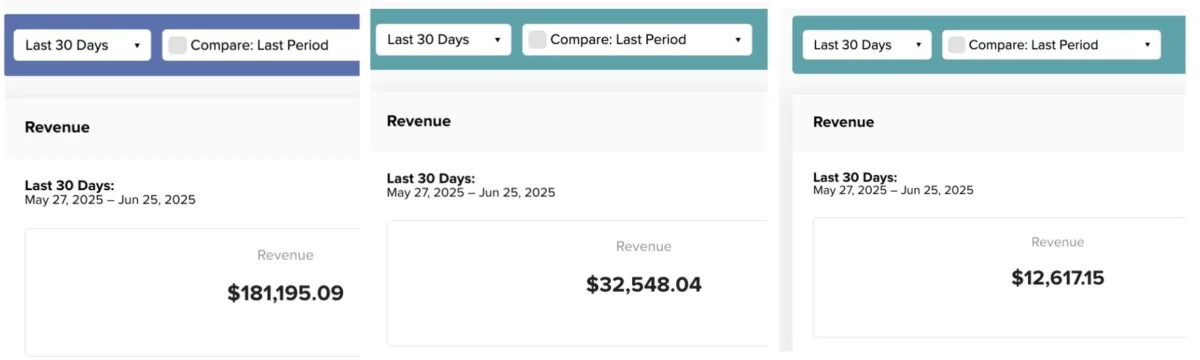
The digital publishing landscape has undergone a dramatic transformation over the past several years, forcing content creators to rethink traditional traffic acquisition models. For more than a decade, search engine optimization served as the primary lifeblood for niche content sites, dictating the financial success or failure of independent publishers. However, constant algorithmic updates, increased competition from major media conglomerates, and shifting user behaviors have prompted forward-thinking entrepreneurs to diversify their revenue channels. Jon Dykstra, an industry veteran with over ten years of experience in niche site creation, has publicly detailed a comprehensive blueprint that bypasses traditional search engine dependency entirely, generating upwards of $100,000 in monthly net profit across multiple web domains.
Background Context of the Digital Publishing Pivot
The modern publishing ecosystem has experienced unprecedented volatility, largely driven by major search engine algorithm revisions implemented throughout 2023 and 2024. These updates systematically altered visibility metrics for thousands of independent blogs and content platforms, heavily favoring massive corporate aggregators and established authority portals. Publishers who relied exclusively on organic search traffic saw their revenues plummet overnight, triggering a widespread crisis within the independent digital publishing community.
In response to this systemic industry shift, seasoned creators began experimenting with alternative traffic acquisition and monetization frameworks. Rather than competing directly with corporate giants for high-volume search terms, publishers like Dykstra spent over 18 months researching, testing, and refining a decoupled ecosystem. This approach shifts the foundational reliance away from search algorithms and anchors it firmly into owned media assets, advanced email marketing automation, and multi-channel social acquisition funnels.
Chronology of the Multi-Domain Scaling Strategy

The development of the six-figure publishing model followed a strict, methodical chronology designed to isolate variables and maximize efficiency at every operational stage.
Phase one, spanning the initial months of the 18-month testing period, focused exclusively on content quality and infrastructure. Dykstra abandoned the high-volume, low-effort publishing strategies typical of the early content-farm era, opting instead to build deeply researched, high-utility resources designed to establish topical authority.
Phase two involved plugging immediate monetization leaks. Recognizing that traditional display advertising captures only a fraction of a visitor’s economic value, the strategy integrated immediate email capture mechanisms. Using platforms like Kit (formerly ConvertKit) combined with automated social tools such as Manychat, the publishing operations began converting casual readers into owned subscribers.
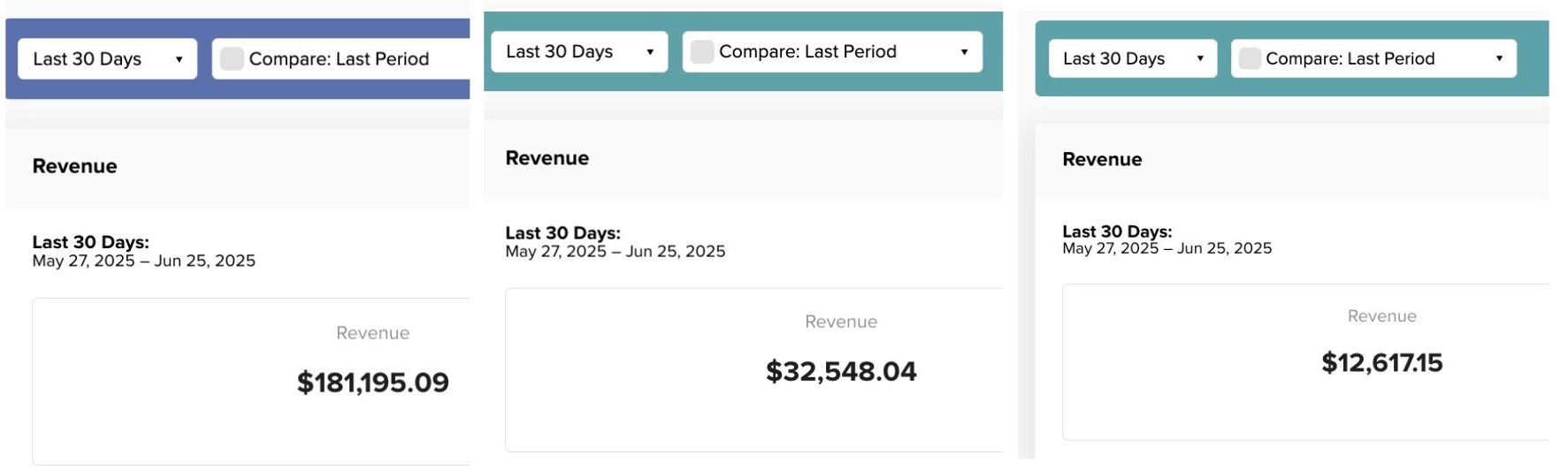
Phase three introduced advanced diversification through high-yield affiliate platforms like Stay22 and newsletter monetization frameworks like SparkLoop. By June 2025, the synergy of these integrated systems reached maturity, enabling three distinct domains to consistently exceed baseline revenue targets and generate substantial net profits month after month.
Core Mechanics of the Traffic and Monetization Flywheel
The operational blueprint relies on a continuous, self-reinforcing flywheel effect rather than a single linear sales funnel. Understanding each component of this architecture reveals why the model withstands algorithmic disruptions that typically destabilize traditional blogs.
Content Foundation and User Acquisition
The strategy begins with authoritative content publishing. High-value articles serve as the initial landing points for targeted visitors arriving from non-search channels. Rather than waiting for search engine crawlers, the framework leverages alternative discovery engines such as Pinterest—recognized increasingly for its high commercial buyer intent—alongside targeted social media platforms.
Subscriber Conversion and Retention
A critical failure point for many digital publishers is the abandonment of raw traffic. Under the modern multi-channel model, incoming visitors are immediately nudged toward opt-in incentives, content upgrades, and newsletter subscriptions. This transforms transient readers into permanent subscribers, creating a resilient audience base insulated from external platform bans or traffic volatility.
Multi-Tiered Monetization Architecture
Revenue generation is distributed across three primary pillars to maximize yield per visitor:
- Display Advertising: Premium ad management networks, specifically Mediavine, provide passive baseline income for every page view generated across the domain network.
- Sitewide Affiliate Integration: Platforms like Stay22 dynamically optimize affiliate links across content libraries, removing the administrative burden of managing individual merchant relationships while capturing maximum commission payouts.
- Owned Media Monetization: Daily newsletters operate as standalone revenue centers, incorporating sponsored placements, affiliate promotions, and cross-subscriber acquisition loops via platforms like SparkLoop.
Industry Implications and Broader Market Impact
The success of decoupled publishing models signals a broader maturation within the independent digital media sector. For years, the prevailing narrative suggested that independent creators were entirely at the mercy of major tech monopolies for distribution and monetization. By demonstrating that sustainable, high-margin businesses can be built through owned audience assets and automated social acquisition, industry leaders are redefining modern publishing standards.
Financial analysts observing the sector note that businesses operating on diversified traffic and monetization models command higher valuations in the private equity and site-brokerage markets. Because these properties do not suffer from single-point-of-failure vulnerabilities associated with search engine updates, investors view them as more stable and predictable assets.

Furthermore, the integration of social automation tools—such as using Instagram and Threads comment-to-DM workflows via Manychat—illustrates a blurring of lines between social media engagement and direct-response marketing. Publishers who master these cross-platform acquisition channels are effectively building independent media empires capable of generating six-figure monthly revenues without ever ranking on a traditional search engine results page.
Future Outlook for Independent Publishers
As artificial intelligence continues to reshape web search and content consumption habits, the traditional blog traffic model faces an uncertain future. Industry experts anticipate that traffic derived from conventional web searches will continue to contract as search engines answer user queries directly within interface summaries.
In this evolving climate, the blueprint pioneered by long-form content creators offers a viable roadmap for survival and expansion. By prioritizing direct audience relationships, rigorous data tracking, and diversified monetization loops, independent publishers can secure their financial independence and insulate their enterprises from external technological shifts. The empirical evidence from established multi-domain operations demonstrates conclusively that the future of digital publishing belongs to those who own their audience rather than rent their traffic.