In the hyper-competitive landscape of digital marketing, capturing consumer attention requires more than aesthetically pleasing visuals and clever copywriting. As brands vie for space on crowded social media feeds, the differentiator between a passive scroll and a profitable conversion often hinges on a single element: the call to action (CTA). Industry research consistently demonstrates that a well-crafted CTA can dictate the success or failure of an entire campaign, guiding potential customers seamlessly from initial discovery to final purchase.
Understanding the mechanics of persuasive CTAs has become a core competency for modern marketers. With ad-blocking software adoption remaining high—compounded by consumer fatigue over ad saturation—digital advertisers must refine their approach. Data from recent advertising industry reports indicate that over 22% of ad-blocker users cite excessive advertising volume as their primary reason for installation. Consequently, digital strategists are shifting away from generic prompts toward highly targeted, emotion-driven, and value-optimized instructions designed to mitigate decision fatigue and drive measurable results.
Anatomy of a Modern Call to Action

At its core, a call to action is a strategic text or button prompt engineered to inspire a target audience to execute a specific, measurable behavior. Whether prompting a user to click an external link, download a whitepaper, submit a contact form, or finalize an e-commerce checkout, the CTA serves as the navigational anchor of any marketing asset.

Historically, simple binaries such as "Buy Now" or "Download Now" dominated digital landscapes. However, contemporary marketing paradigms favor nuanced variations tailored to specific consumer intents. Longer phrases, such as "Subscribe today so you never miss an update," effectively combine value propositions with a sense of urgency. Marketing psychologists note that concise direction alleviates cognitive load, empowering users to make immediate decisions rather than abandoning a page due to choice paralysis.

Industry standards categorize CTAs by their overarching business objective:

- E-commerce campaigns rely on action-oriented verbs including buy, shop, order, reserve, save, and add to cart.
- Software-as-a-Service (SaaS) platforms focus on conversion milestones through terms like try, get started, subscribe, and sign up.
- Non-profit organizations leverage philanthropic verbs such as donate, commit, volunteer, and support.
- Content creators and community managers prioritize growth verbs like join, refer, and sign up.
Strategic Frameworks: The LIFT Model and Emotional Resonance

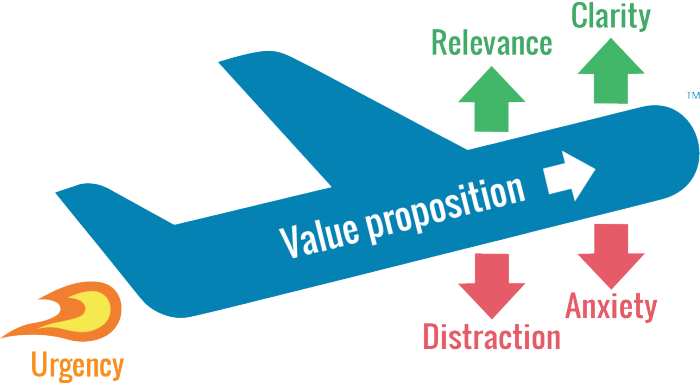
To evaluate the structural integrity of a CTA, digital marketing professionals frequently reference the LIFT Model, a conversion optimization framework developed by WiderFunnel. The model evaluates six core conversion factors: value proposition, relevance, clarity, urgency, anxiety, and distraction.

Applying the LIFT model transforms a basic phrase into a high-converting asset. For instance, analyzing the phrase "Download this ebook now" reveals distinct structural components: "Download" establishes relevance, "this ebook" provides clarity, "now" introduces urgency, and the complete phrase encapsulates the overall value proposition.

Beyond structural clarity, advanced copywriting techniques incorporate sensory and emotional modifiers to elicit deeper audience engagement. Brands frequently pivot away from dry transactional language, opting instead for emotive storytelling. Notable examples include subscription services and wellness apps utilizing terms like "period better" or "snuggle up," effectively transforming standard verbs into immersive brand experiences.

Cross-Platform Implementation: Facebook, Instagram, Email, and Beyond

While social media platforms like Facebook and Instagram remain central to digital acquisition strategies, the principles of effective CTA design extend across all digital touchpoints, including email marketing campaigns, dedicated landing pages, and corporate homepages.

Facebook Ads and Native Button Optimization
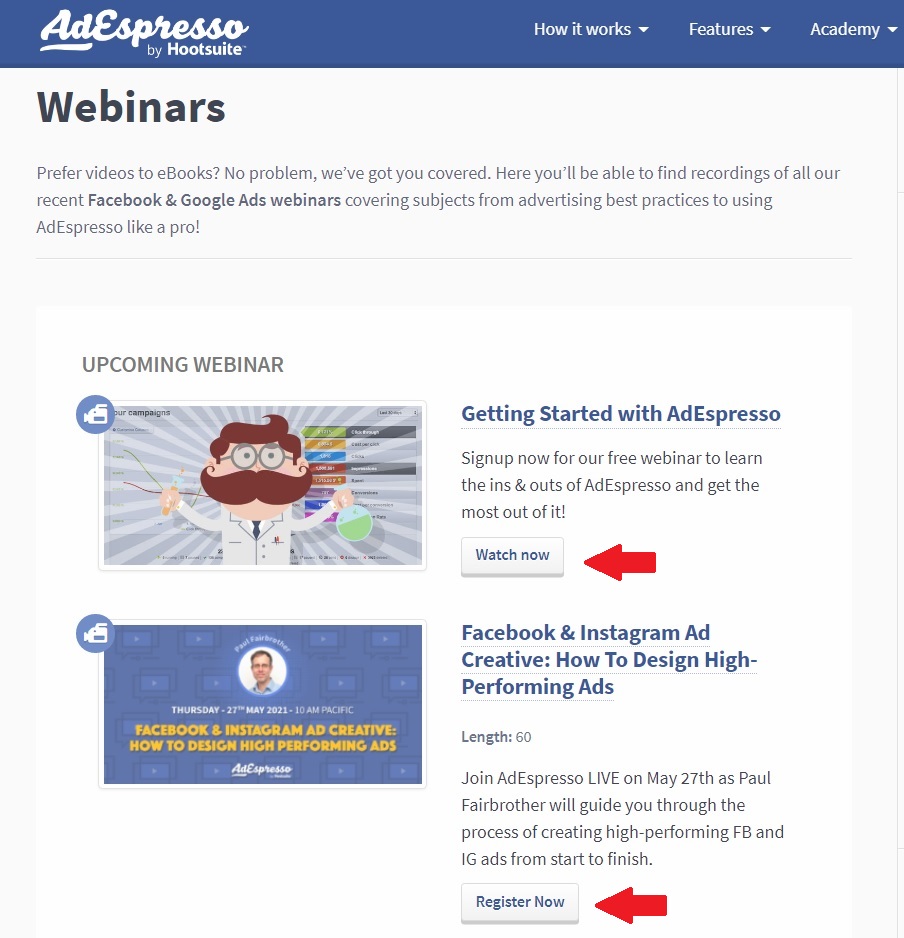
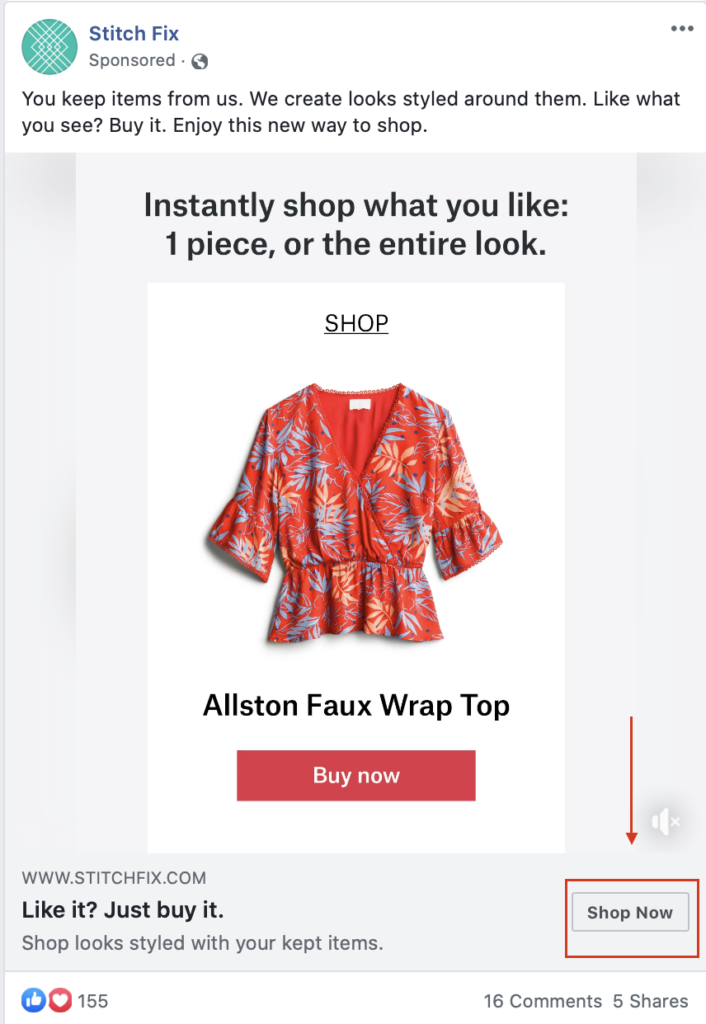
Facebook’s native advertising interface integrates clickable CTA buttons—such as "Shop Now," "Learn More," and "Download"—directly into ad units. Empirical testing conducted by digital advertising platforms demonstrates the quantifiable impact of these interface elements. Controlled split tests reveal that incorporating a well-optimized native CTA button can dramatically reduce cost-per-acquisition while doubling conversion volumes compared to ad units lacking a designated button. Furthermore, aligning the button text with the specific funnel stage—utilizing "Learn More" for top-of-funnel awareness campaigns and "Shop Now" for bottom-of-funnel conversion targets—optimizes advertising spend and audience alignment.

Instagram Visuals and Custom Copywriting
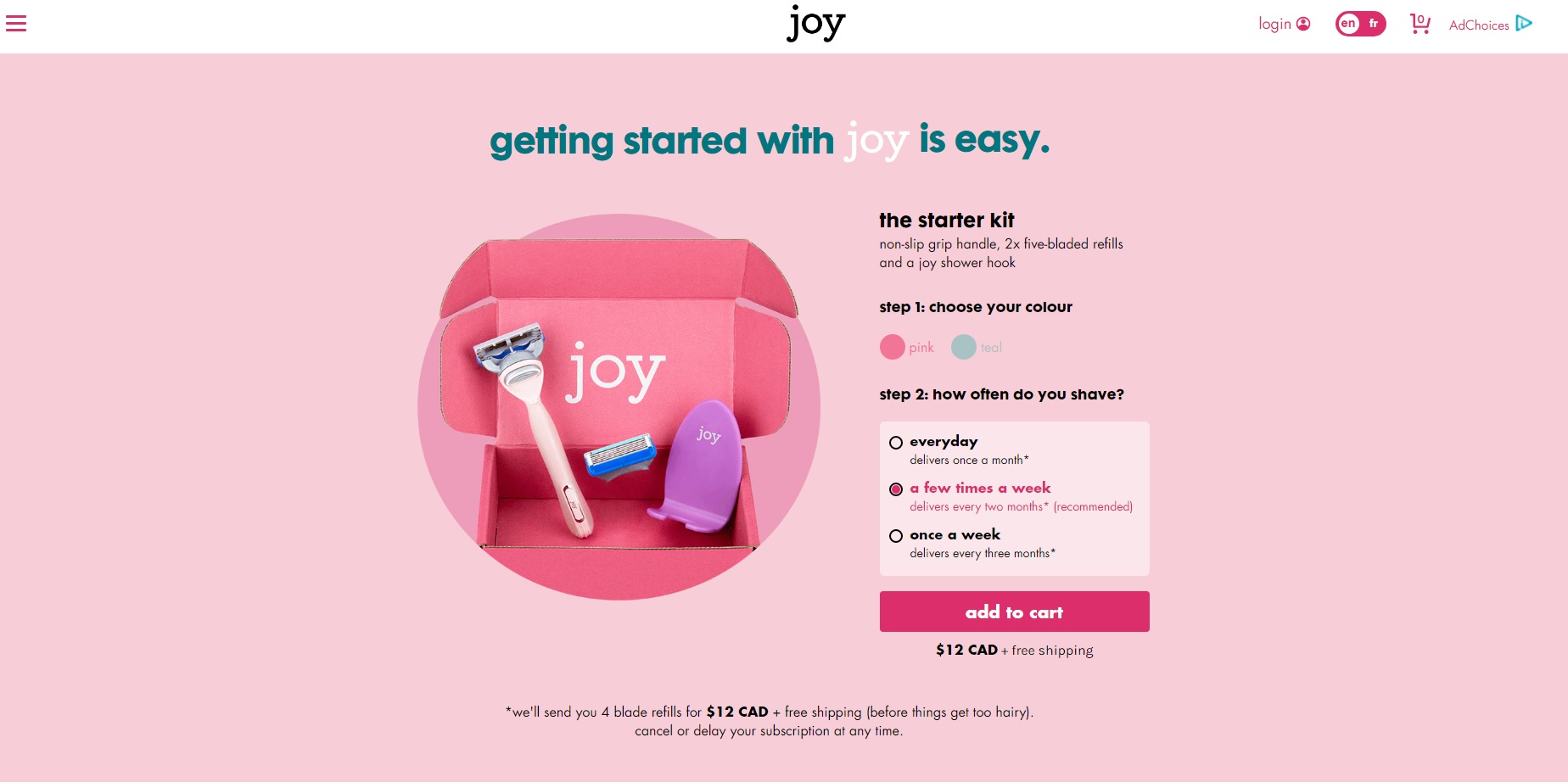
On visually driven platforms like Instagram, advertisers pair high-impact visual assets with customized contextual copy. Brands across beauty, SaaS, and lifestyle sectors utilize the platform to establish social proof—such as highlighting aggregate star ratings or subscriber milestones—before deploying a streamlined, direct CTA. This methodology ensures that the narrative weight is carried by the surrounding ad copy, leaving the CTA button to act as a frictionless conclusion to the user’s journey.
Email Marketing and Landing Page Precision
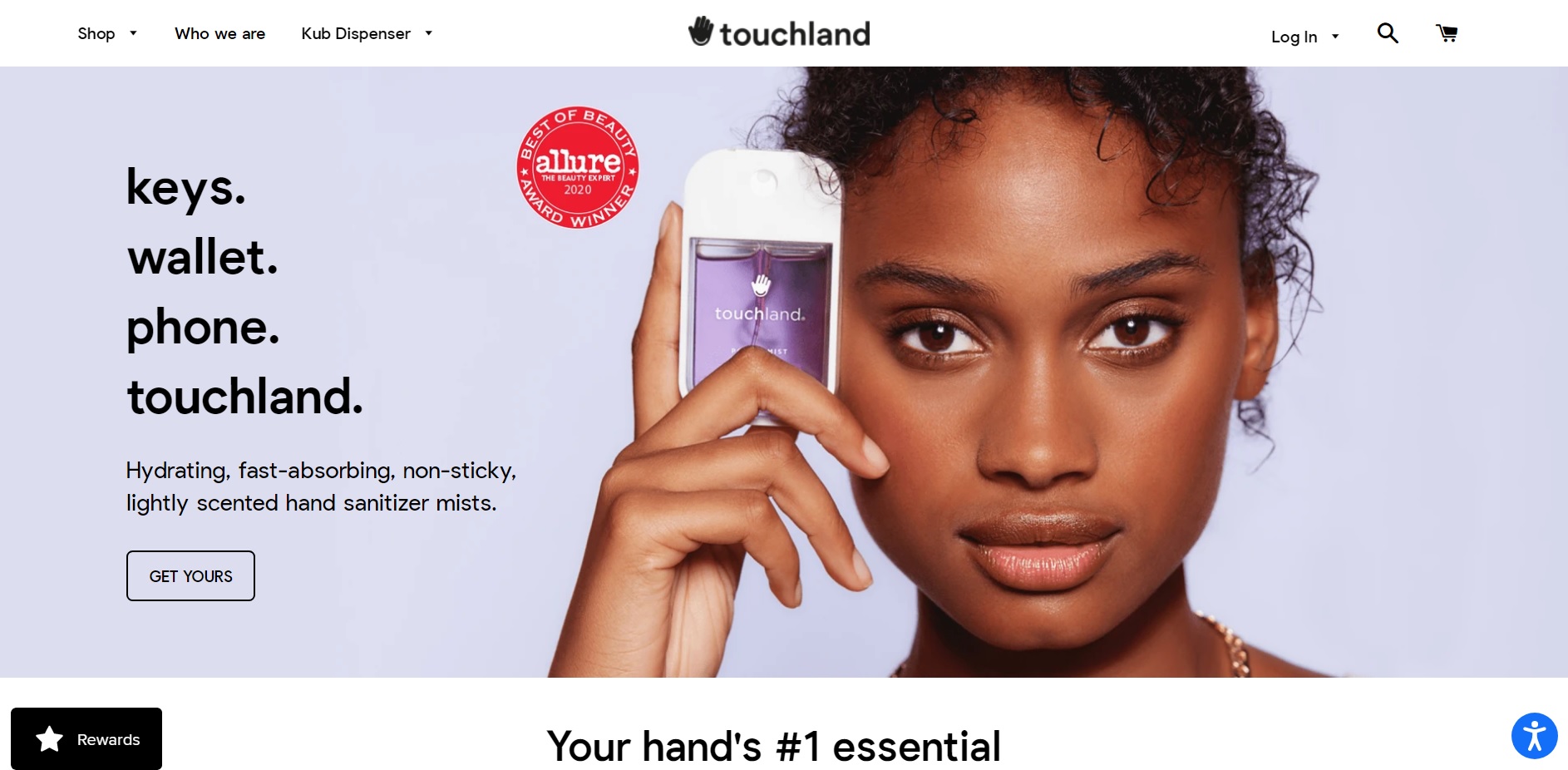
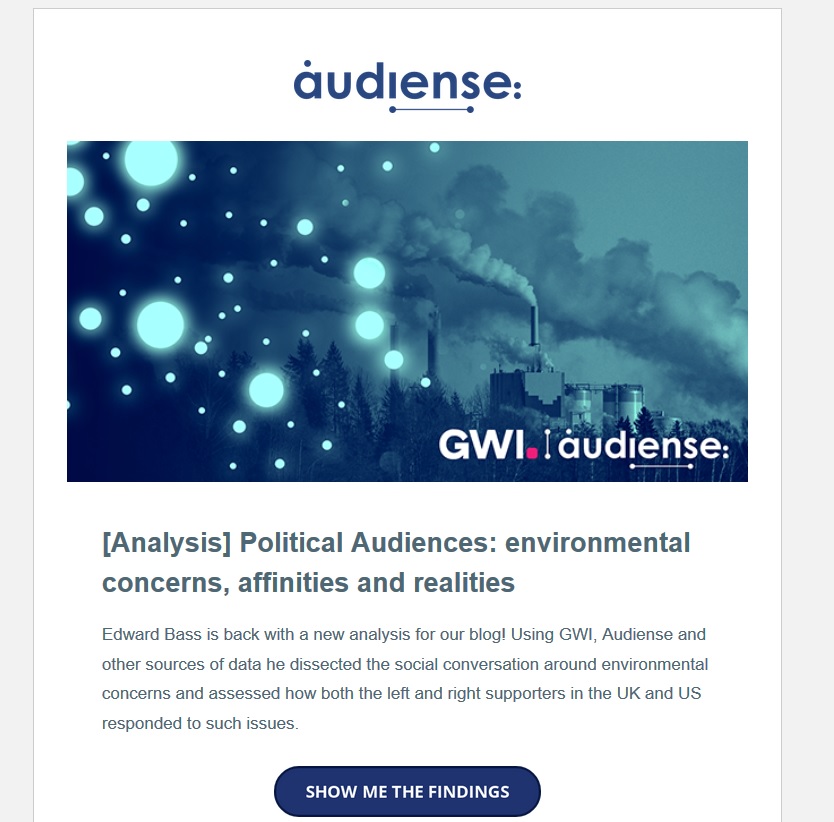
Email marketing remains a potent acquisition channel, with average conversion rates reaching up to 15% when executed effectively. Leading brands frequently utilize multi-CTA structures in longer email formats, combining prominent button prompts with hyperlinked text to accommodate varying user reading behaviors.
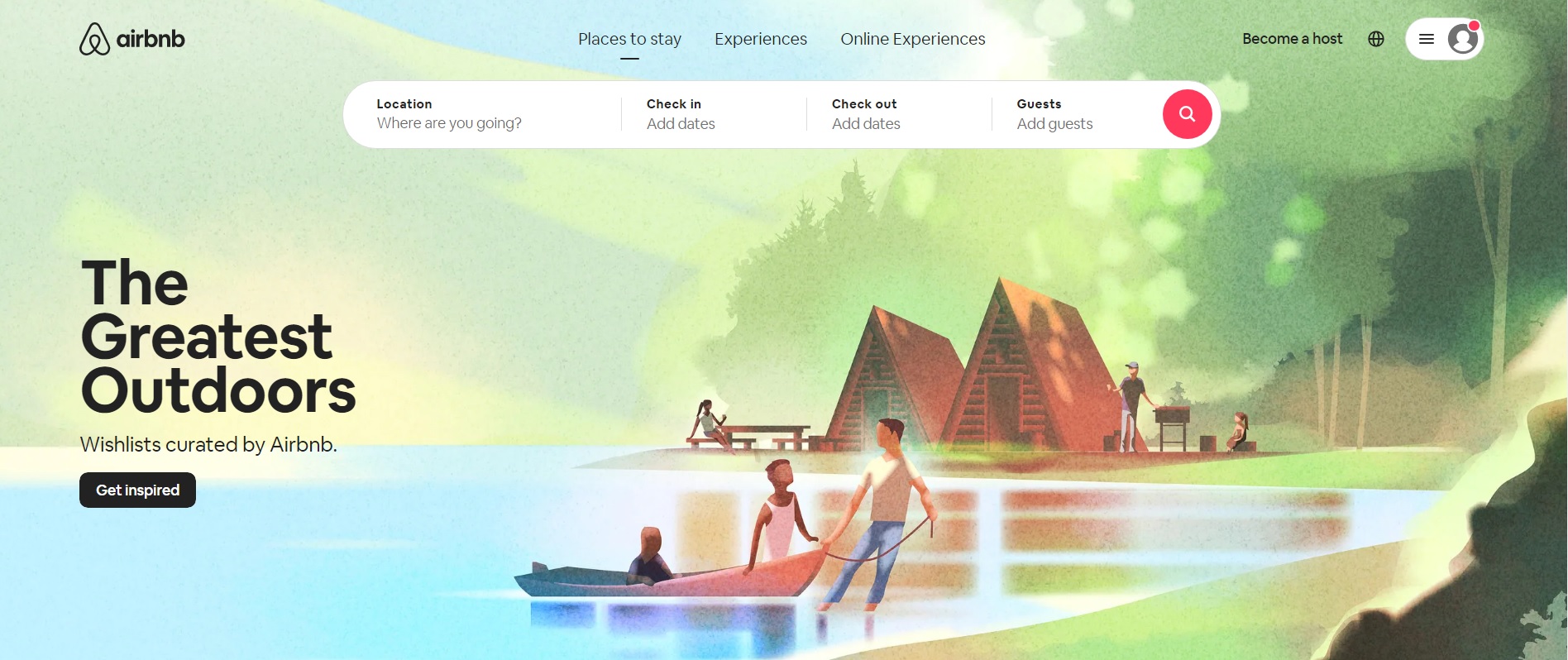
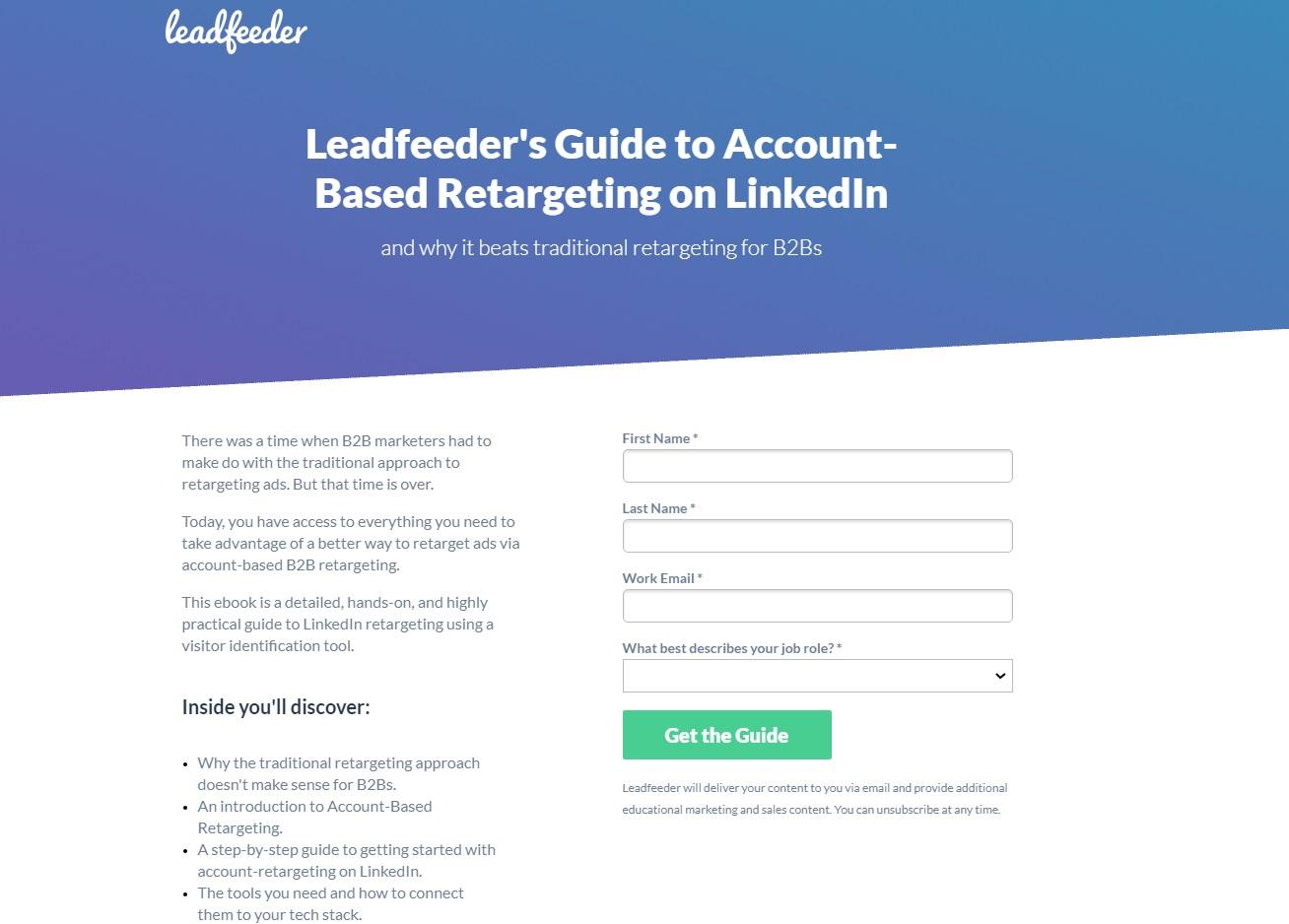
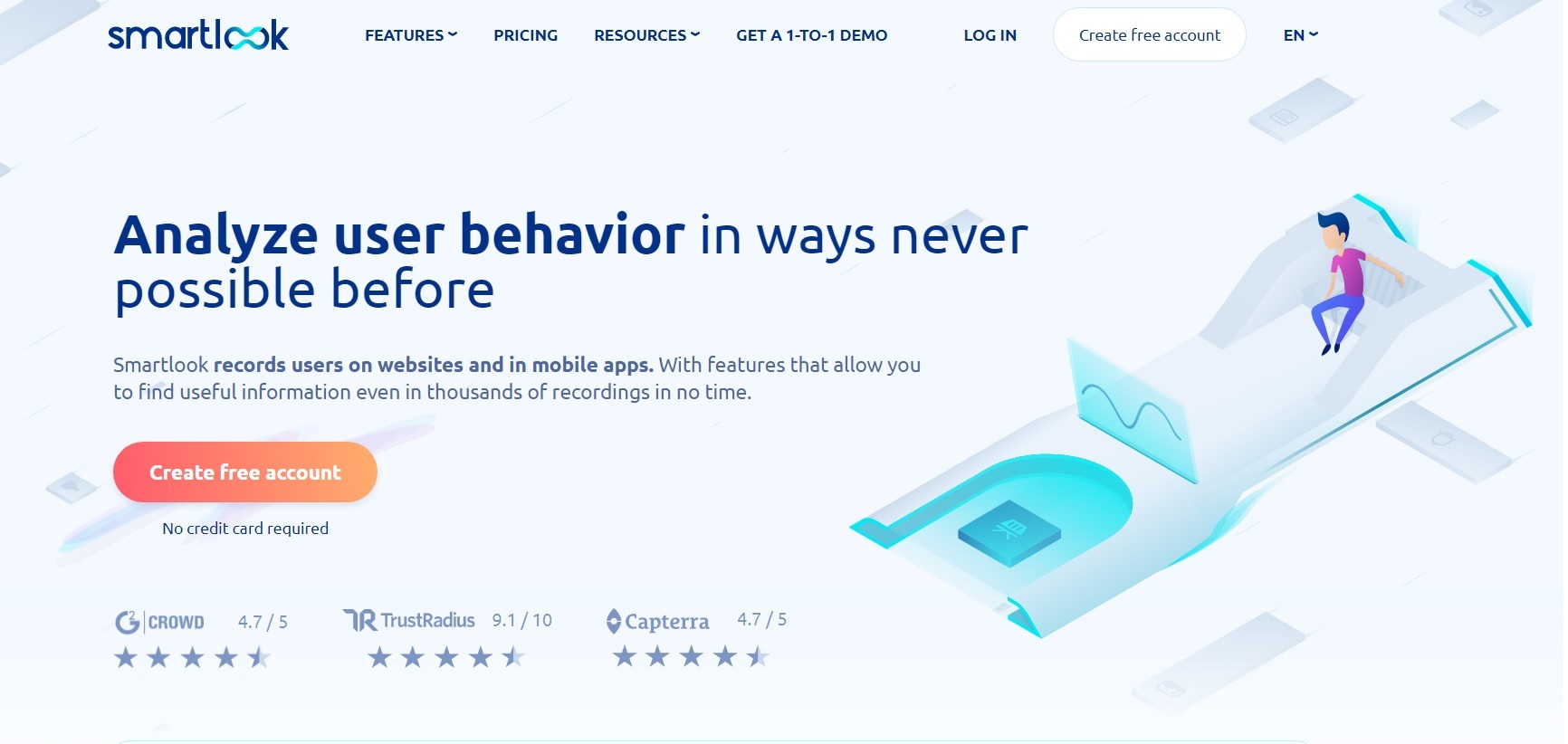
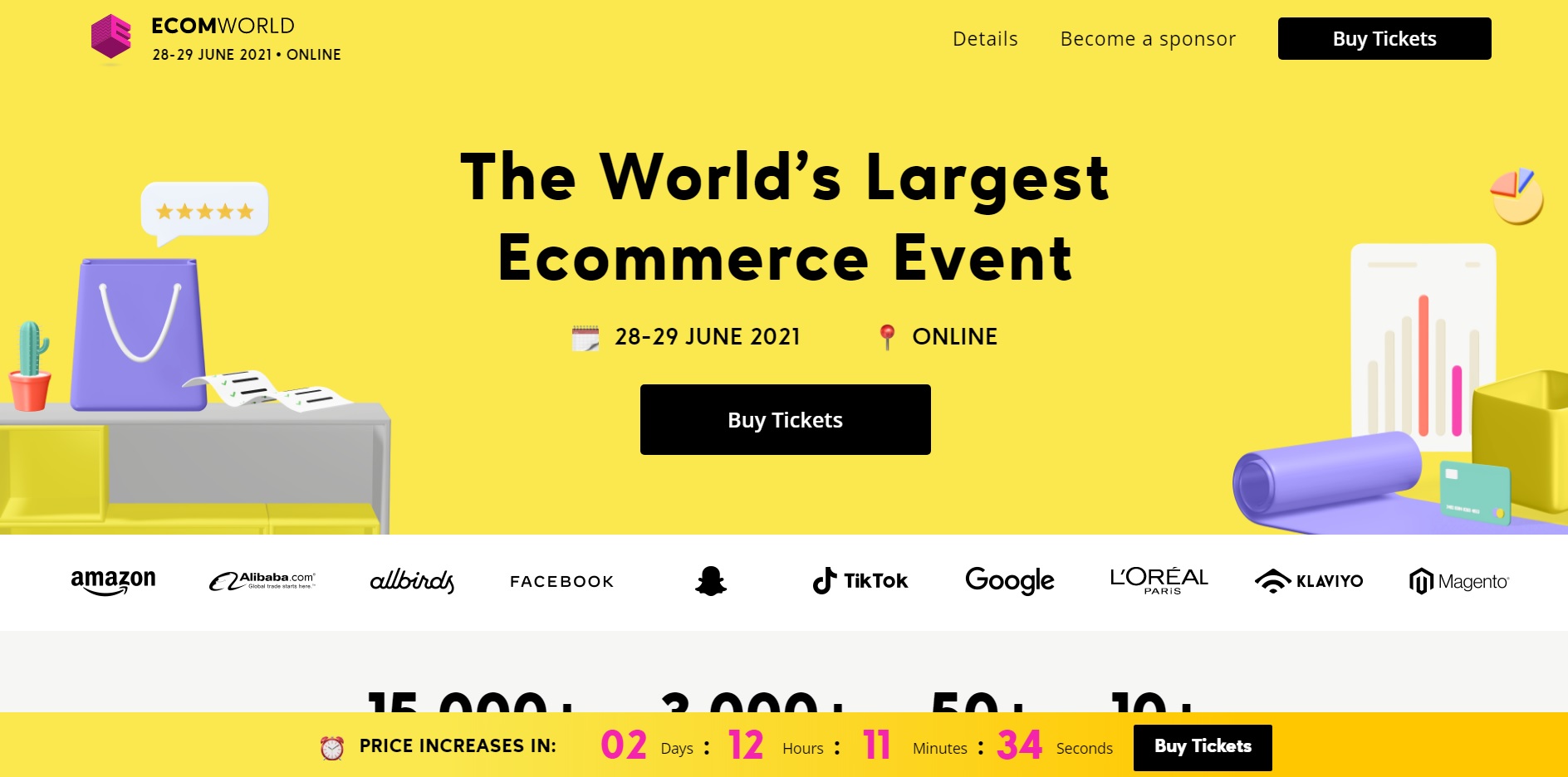
Similarly, high-converting landing pages prioritize minimalist design principles. By eliminating distracting top-tier navigation menus, external links, and extraneous visual elements, companies direct user focus entirely toward the primary conversion objective. Utilizing contrasting color palettes for CTA buttons ensures they remain the most visually prominent element within the user’s field of vision, satisfying core web design best practices.
Implications and Future Outlook
The empirical evidence supporting the rigorous optimization of calls to action is definitive. Case studies from conversion rate optimization agencies indicate that transitioning from plain-text links to prominent, button-based CTAs can increase conversion rates by upwards of 45% to 83% depending on the industry and implementation context.
As digital acquisition costs continue to fluctuate and consumer attention spans narrow, the margin for error in digital marketing shrinks accordingly. Organizations that invest in systematic split testing, audience-specific copywriting, and friction-free user interface design will maintain a distinct competitive advantage. Ultimately, the call to action remains the definitive bridge between audience engagement and commercial conversion, making its mastery essential for sustainable digital growth.