LinkedIn has officially crossed the milestone of 1.4 billion registered members worldwide, cementing its status as the premier digital ecosystem for professional networking, B2B marketing, and global recruitment. As the platform marks its 23rd year of operation under the corporate umbrella of Microsoft, recent financial disclosures and user behavior metrics illustrate a fundamental shift in how modern professionals consume content, engage with brands, and execute corporate strategy.

The platform’s continuous expansion mirrors broader shifts in the digital economy, where traditional text-based posts are rapidly giving way to video-first formats, executive thought leadership, and targeted advertising campaigns designed to capture high-value decision-makers.
Financial Growth and Corporate Milestones

As a core asset within Microsoft’s Productivity and Business Processes portfolio, LinkedIn continues to demonstrate robust financial performance. For the 2025 calendar year, LinkedIn generated $17.812 billion in revenue, representing a substantial increase from the $16.372 billion reported in 2024. This upward trajectory continued into fiscal 2026, with annual revenue climbing to $19.8 billion. Furthermore, Microsoft’s Q3 2026 earnings report highlighted a 12% year-over-year revenue increase, propelled largely by enterprise solutions and consumer subscription models.
Subscriptions have emerged as a vital revenue catalyst for the company. LinkedIn Premium surpassed $2 billion in annual revenue for the first time in the second quarter of 2025, driven by members seeking enhanced profile visibility, advanced networking tools, and expanded InMail capabilities.
Leadership transitions have also shaped the platform’s recent trajectory. In April 2026, Daniel Shapero assumed the role of Chief Executive Officer, succeeding Ryan Roslansky. Shapero, who has been with the company since 2008 and previously served as Chief Operating Officer, takes the helm at a critical juncture marked by aggressive integration of artificial intelligence tools and a pivot toward immersive media formats.
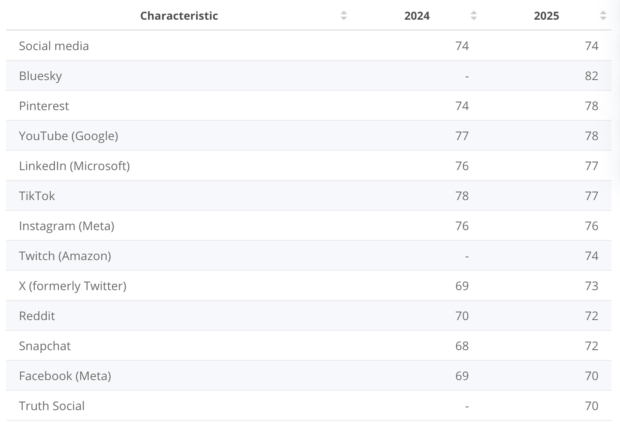
Founded in May 2003 by Reid Hoffman—just nine months prior to the launch of Facebook—LinkedIn was acquired by Microsoft in 2016 for $26.2 billion. Over more than two decades, the platform has transformed from a digital resume repository into a dynamic, highly active economic engine. Consumer sentiment surveys underscore this evolution; the 2025 American Customer Satisfaction Index awarded LinkedIn a score of 77 out of 100, outperforming the social media industry average of 74 and ranking ahead of major consumer platforms such as Instagram, Facebook, Reddit, and X.
Global Demographics and Audience Composition
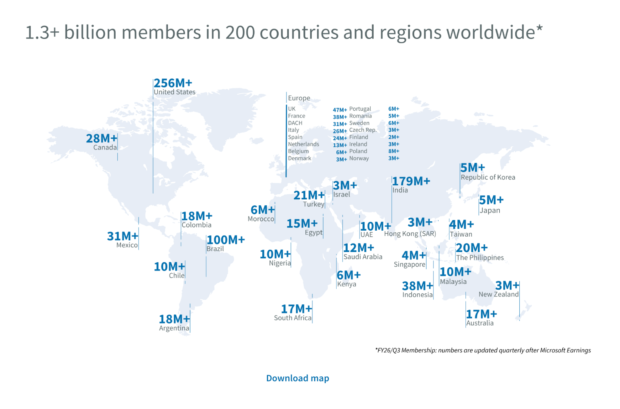
LinkedIn’s expansive reach now spans over 200 countries and territories, supported by a workforce of more than 15,500 full-time employees operating across 36 global offices. While the United States remains the platform’s largest single market with approximately 300 million members—accounting for roughly 34% of total web traffic—more than 78% of the platform’s total user base resides outside American borders.
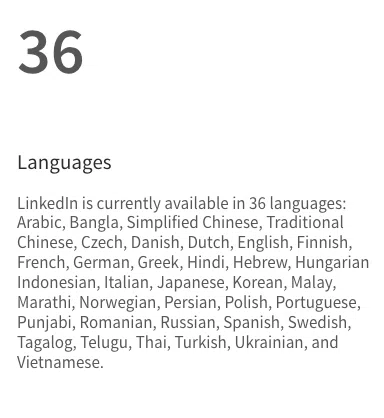
India and Brazil represent the second and third largest markets by user volume, respectively. Brazil achieved a significant milestone in June 2026 by crossing 100 million registered members, with Brazilian users generating over 11 million posts in the first quarter of the year alone. To accommodate this global audience, LinkedIn is currently available in 36 languages.
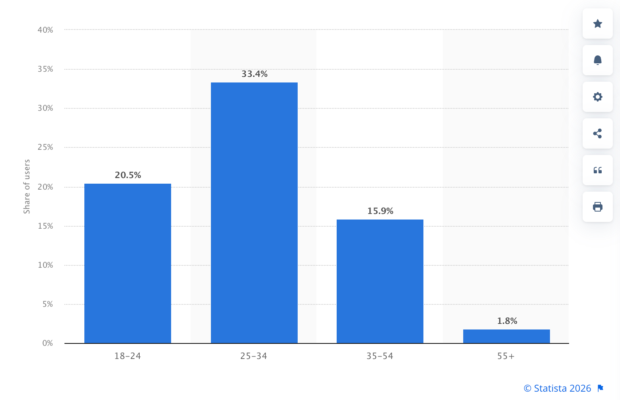
An analysis of age distribution reveals that individuals aged 25 to 34 constitute the largest demographic cohort, representing 33.4% of global users. This demographic, composed primarily of older Gen Z and younger Millennials, aligns with external labor market data indicating that Generation Z currently comprises 27% of the global workforce and is projected to become the dominant working generation by 2035.
Educational attainment remains a defining characteristic of the platform’s user base. Data from Pew Research indicates that 53% of American adults holding a bachelor’s degree or higher actively use LinkedIn, compared to only 10% of individuals with a high school education or less. This heavy skew toward knowledge workers provides B2B marketers with direct access to individuals holding budget approval authority and corporate purchasing power.
Engagement Trends and the Rise of Video Content
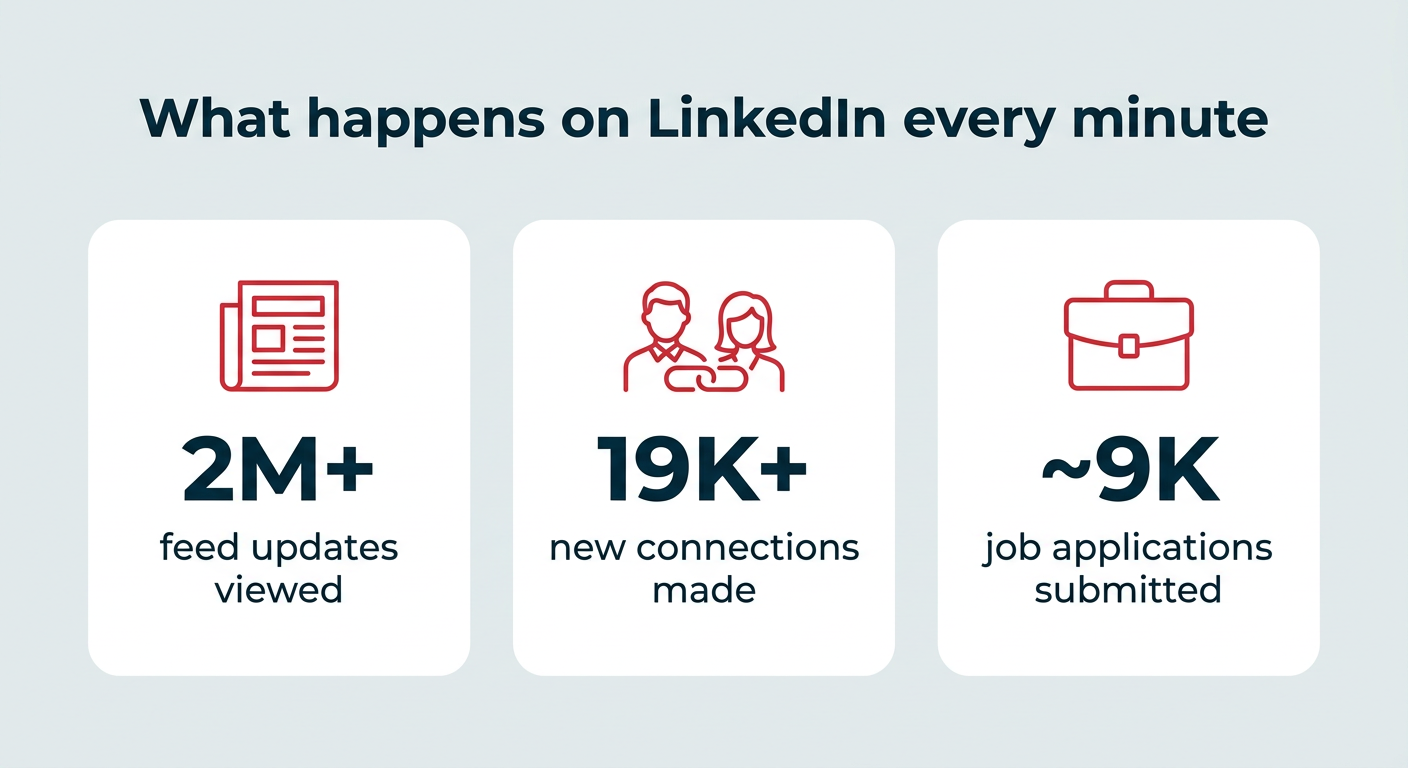
While total membership figures indicate theoretical reach, platform engagement metrics reveal how users interact with content on a daily basis. LinkedIn receives approximately 2.1 billion visits every month. Real-time platform activity metrics illustrate staggering scale: every minute, users view more than 2 million feed updates and establish over 19,000 new professional connections.
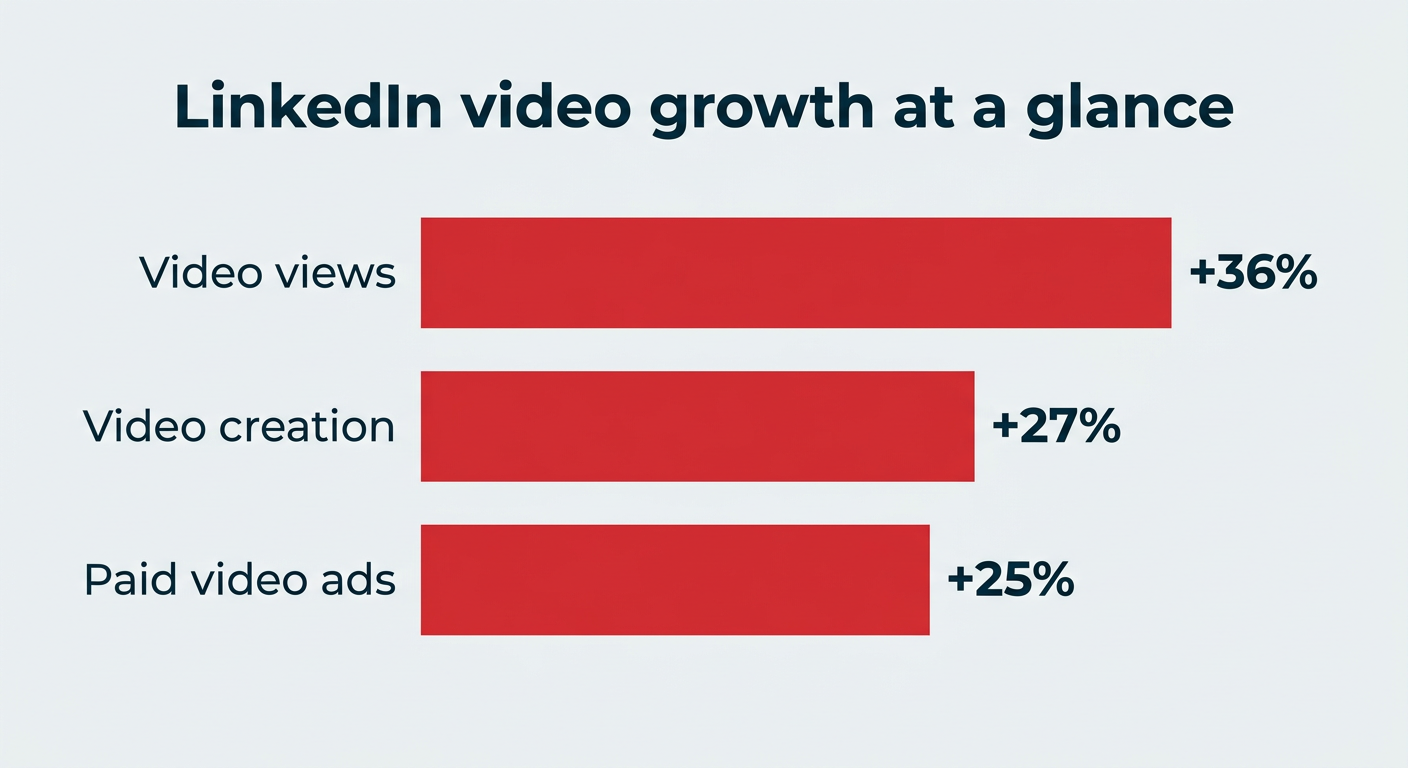
Content formats are undergoing a profound evolution, with video emerging as the platform’s primary growth engine. LinkedIn internal data indicates that video creation increased by 27% while video views surged by 36%. Furthermore, paid video advertising experienced a 25% year-over-year increase, driven by enhanced measurement tools and expanded creator partnerships. According to platform benchmarks, video content generates up to five times more engagement than standard text or image posts, compelling brands to reallocate resources toward live streams, short-form clips, and educational walkthroughs.
Despite the growing dominance of video, traditional visual and textual strategies remain effective. Posts featuring images consistently achieve double the comment rates of plain text, with multi-image collages yielding optimal results. Furthermore, executive visibility is increasingly prioritized; CEO posting activity has risen by 52% over the past two years, demonstrating that corporate leadership is actively leveraging personal brands to humanize enterprises and drive institutional trust.
Advertising Efficiency and B2B Marketing Implications
For commercial enterprises, LinkedIn Marketing Solutions has established itself as an indispensable tool for lead generation and brand awareness. Global advertising reach stands at 1.55 billion individuals, reflecting a 16.6% year-over-year increase equivalent to 220 million new reachable accounts.
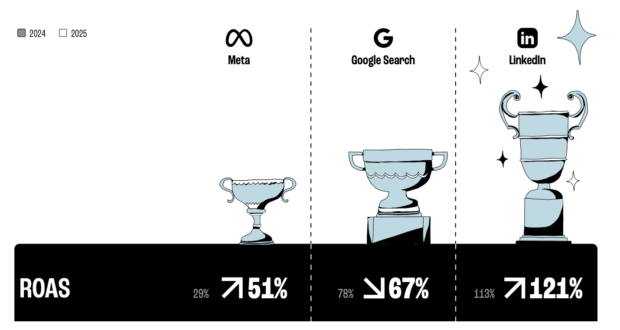
Although the average cost per click (CPC) on LinkedIn remains relatively high compared to other digital channels—hovering around $6.93 USD—B2B benchmark reports indicate that the expenditure is justified by audience quality. According to Dreamdata’s 2026 B2B Benchmark Report, LinkedIn advertising delivers an average Return on Ad Spend (ROAS) of 121%, significantly outperforming Google Search (67%) and Meta (51%).
Corporate marketing budgets reflect this confidence. Between the third quarter of 2024 and the third quarter of 2025, dedicated LinkedIn ad budgets grew by 31.7%. Concurrently, campaigns focused on top-of-funnel brand awareness and engagement nearly doubled, expanding from 17.5% to 31.3% of total platform ad spend. This shift indicates that B2B organizations increasingly view LinkedIn not merely as a direct-response conversion tool, but as a long-term brand-building environment.
Data analytics reveal that the average sales cycle from an initial LinkedIn ad impression to closed revenue spans approximately 281 days. This extended attribution window underscores the necessity for marketers to implement sophisticated multi-touch tracking models to accurately measure long-term campaign efficacy.
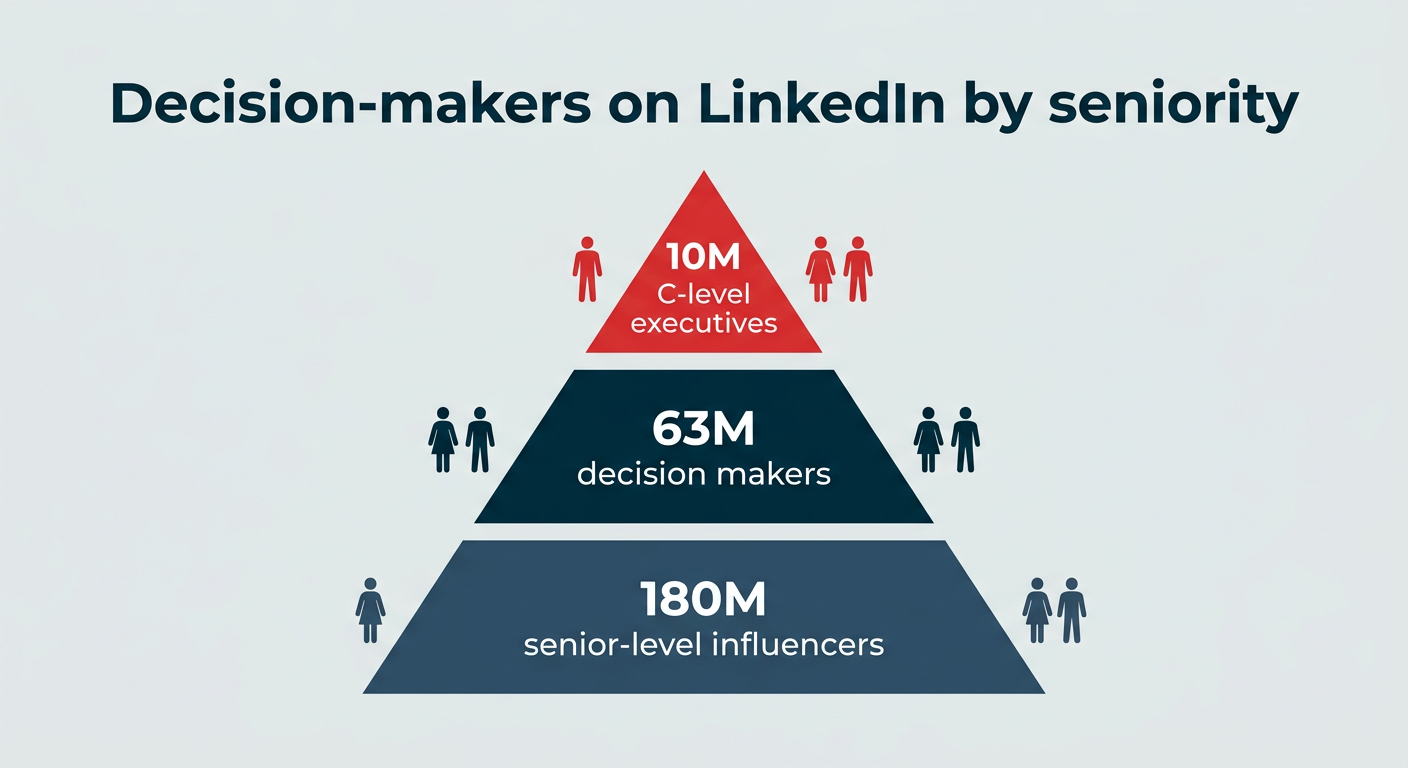
The platform’s unparalleled utility for B2B operations stems from its concentration of decision-makers. LinkedIn hosts approximately 10 million C-level executives, 63 million active decision-makers, and 180 million senior-level influencers. Surveys conducted by the Content Marketing Institute identify LinkedIn as the single most effective channel for B2B thought leadership, outranking traditional email newsletters and digital webinars. Furthermore, HubSpot’s 2026 State of Marketing Report notes that 42% of all companies—and 49% of small to medium-sized businesses—integrate LinkedIn into their core marketing strategies.
Recruiting, Verification, and Platform Security
Beyond marketing and networking, recruitment remains a foundational pillar of the LinkedIn ecosystem. The platform facilitates approximately 9,000 job applications every minute, translating to 540,000 applications per hour and nearly 13 million daily submissions. Corporate visibility within this labor market is vast, with over 71 million active company pages currently registered.
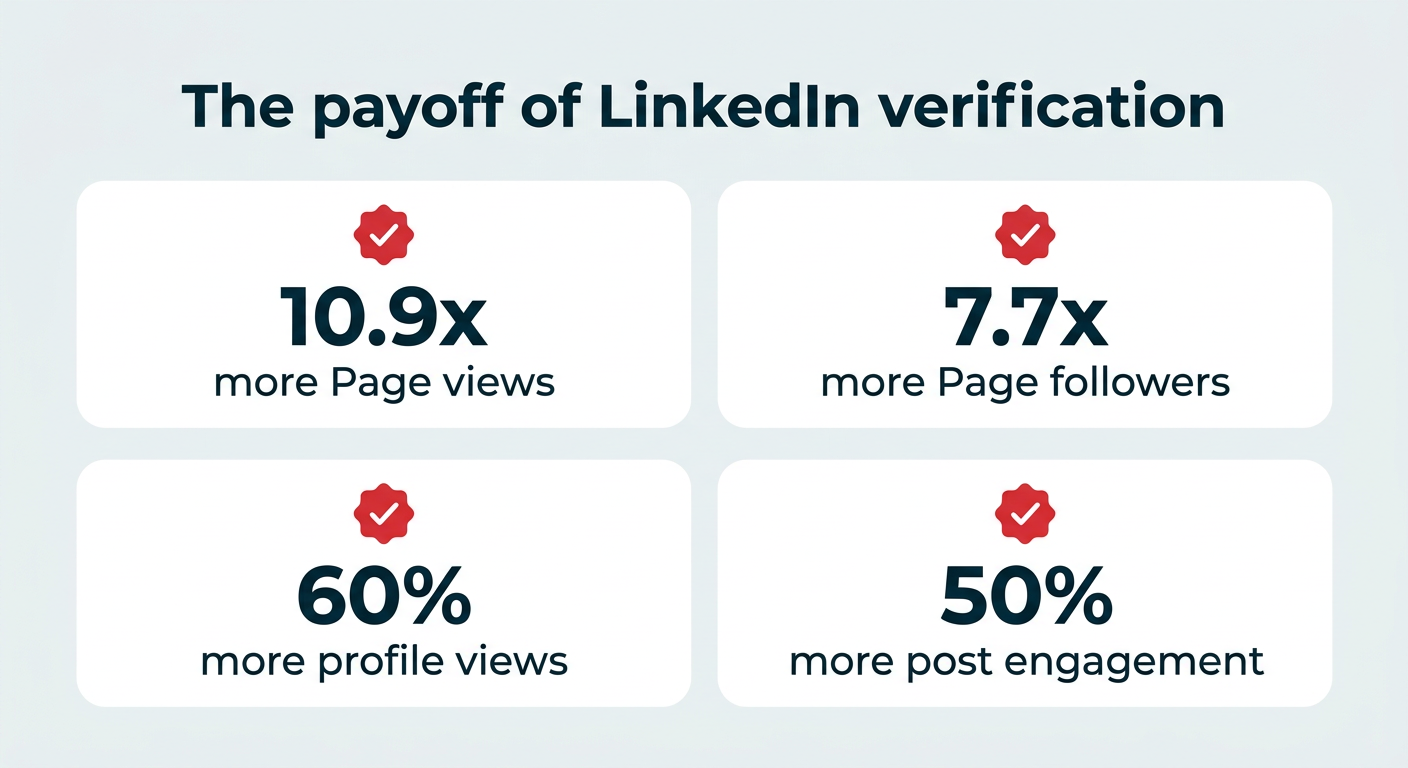
To combat misinformation, fake profiles, and automated bots, LinkedIn has prioritized platform security and identity verification. By December 2025, the platform surpassed 100 million verified members. This security initiative has yielded tangible professional benefits: verified individual members experience up to 60% more profile views and a 50% increase in post engagement. For corporate entities, verification provides an even greater advantage; verified company pages secure 10.9 times more views and 7.7 times more followers than unverified counterparts, making profile authentication a critical operational priority for modern social media managers.
Implications for the Future of Professional Networking
As LinkedIn advances further into 2026, its trajectory is defined by a delicate balance between massive global scale and targeted professional utility. By successfully integrating artificial intelligence features for job seekers, expanding its video infrastructure, and maintaining rigorous verification protocols, the platform has insulated itself against changing consumer preferences that have destabilized competing social networks.
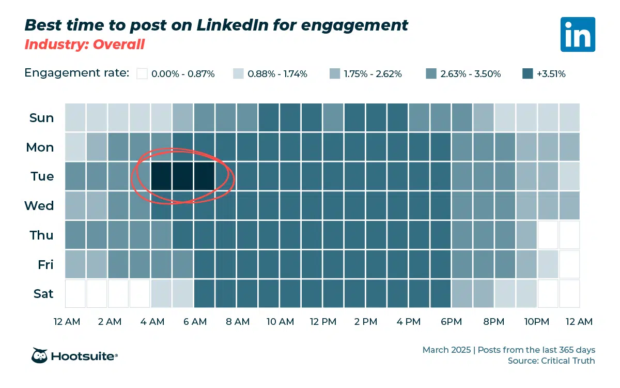
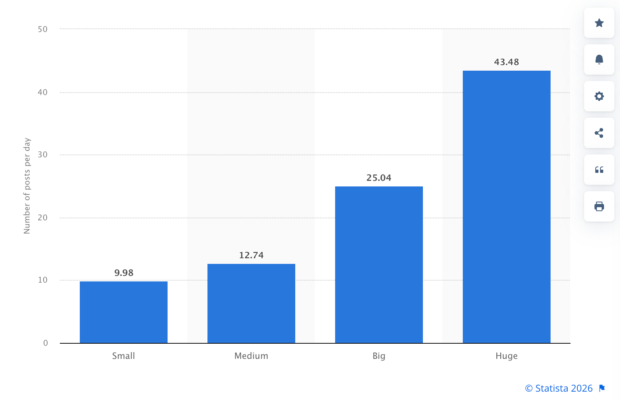
For enterprises, recruiters, and B2B marketers alike, the data confirms that LinkedIn has evolved from an optional digital auxiliary into the central infrastructure of the global knowledge economy. Navigating this environment successfully will require organizations to embrace consistent publishing cadences, leverage executive thought leadership, and adopt visual-first content strategies that align with the behaviors of a rapidly modernizing professional workforce.