Protection
Securing authenticity in an increasingly crowded and decentralized digital ecosystem has become a critical operational challenge for modern enterprises, public figures, and content creators. As fraudulent actors and sophisticated impersonation rings increasingly target established brands and high-profile individuals on social media, establishing an undeniable digital identity is no longer merely a branding preference—it is a core security requirement. For entities operating on Meta platforms, the coveted blue checkmark remains the definitive marker of organizational legitimacy, signaling to consumers, partners, and algorithms alike that a profile or page is the genuine article.
However, the methodology behind acquiring this digital seal of authenticity has historically been shrouded in ambiguity. Unlike automated security protocols or straightforward subscription tiers, traditional verification processes involve a rigorous, multi-layered evaluation by platform administrators. Understanding how this system operates, what platform gatekeepers prioritize during reviews, and how organizations can maintain their verified status over the long term is essential for robust digital asset management.

The Evolution of Digital Verification: Background and Context
The concept of platform verification originated over a decade ago as a direct response to the rising tide of parody accounts, celebrity impersonation, and fraudulent representation plaguing early social networks. In May 2013, industry pioneers introduced verification protocols designed initially to safeguard high-profile public figures, journalists, athletes, and major news organizations from identity theft.
As the digital economy matured and social platforms evolved from interpersonal communication networks into dominant commerce and marketing ecosystems, the criteria for verification underwent significant transformation. By 2018, platform operators expanded eligibility parameters to encompass commercial entities, local businesses, and public interest pages possessing substantial organic reach. Over subsequent years, access to the verification ecosystem expanded further, allowing individual profiles that met specific audience thresholds to request the distinction.
Historically, verification markers were not uniform. Platforms experimented with various visual indicators, including gray badges for localized businesses and specialized markers for specific marketplace transactions. Over time, however, platform governance teams consolidated these disparate signals, ultimately elevating the distinct blue checkmark as the universal standard for authenticated identity across profiles and business pages alike.
Decoding the Verification Process: Mechanics and Requirements
Applying for verification on Meta’s primary platform involves submitting a structured request via an official identification portal. While the interface is accessible to any registered user or page administrator, the internal review mechanism remains strictly guarded to prevent exploitation. The evaluation workflow generally centers on three primary pillars: authenticity, uniqueness, and notability.
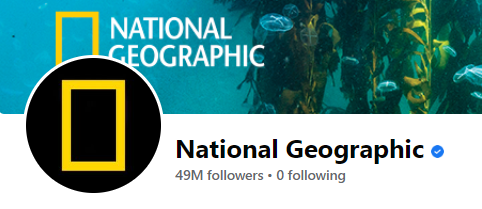
1. Establishing Authenticity
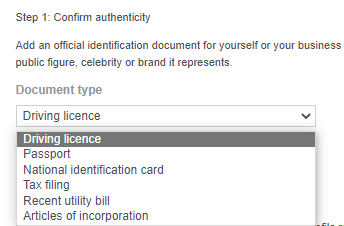
The baseline requirement of any verification request is proving that the entity behind the keyboard legally exists and corresponds precisely to the entity represented by the account. For individuals, this requires government-issued photographic identification, such as a passport or driver’s license. For commercial entities and registered organizations, platform reviewers typically request official documentation establishing corporate identity, including tax filings, articles of incorporation, utility bills in the business name, or certificates of formation. This step ensures that bad actors cannot subvert the system using synthesized identities or unauthorized corporate credentials.
2. Proving Notability
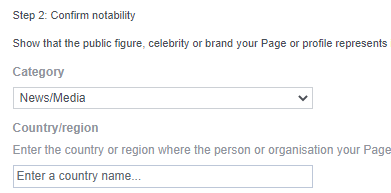
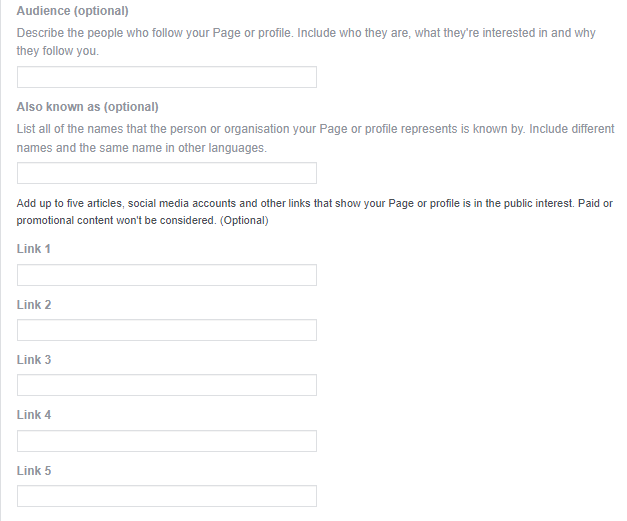
Beyond proving identity, applicants must demonstrate that their profile or page is in the public interest. Platform policies explicitly state that verified accounts must represent well-known, frequently searched individuals, brands, or entities. Reviewers assess notability based on coverage in multiple independent, reputable news sources. Paid or promotional content is categorically excluded from consideration, ensuring that manufactured buzz does not substitute for genuine public prominence.
3. Optimizing Profile Completeness
During the application phase, administrators evaluate the structural integrity of the target page or profile. Essential data points—such as verified contact information, official web properties, accurate categorization, and consistent branding—must be fully articulated. Providing comprehensive background data significantly reduces the friction points during manual or algorithmic reviews, lowering the likelihood of immediate administrative rejection.
Strategic Roadmap: Improving Acceptance Probability
Given that application rejections can trigger mandatory waiting periods before re-submission, organizations must systematically prepare their digital footprints well in advance of initiating a request. Industry strategists recommend a six-point preparatory framework to maximize the likelihood of a successful outcome.
First, comprehensive corporate auditing is essential. All business information across the page—including physical addresses, customer service contact numbers, operational hours, and executive bios—must match public registries identically. Discrepancies between a Facebook page and external corporate filings frequently trigger automated flags during the compliance review.
Second, digital asset integration must be seamless. Official web properties must feature prominent, functional hyperlinks directing traffic to the Facebook page, while the Facebook page must reciprocally link back to the primary domain. This cross-verification establishes a closed loop of digital provenance that reviewers can easily trace and validate.
Third, content hygiene and brand safety protocols must be strictly enforced. Platform compliance teams evaluate the overall tone and behavioral history of an account. Pages featuring inflammatory rhetoric, copyright violations, or content that diminishes public trust are routinely denied verification, regardless of their follower count or financial investment in advertising.
Fourth, establishing a dedicated Business Page—rather than relying solely on personal profiles—provides a more robust framework for corporate entities. Business pages offer structured data fields specifically tailored for commercial compliance, regulatory disclosures, and consumer trust signaling.
Fifth, organic community growth and audience engagement serve as direct indicators of public interest. While raw follower counts are not the sole metric evaluated, an active, organically engaged community demonstrates that the brand holds genuine relevance within its target demographic. Implementing sustainable organic marketing strategies, encouraging genuine customer reviews, and participating constructively in industry discourse helps substantiate the notability requirement.
Sixth, leveraging external media coverage is critical. Because reviewers look for independent validation of prominence, securing features in recognized industry publications, local news outlets, or trade journals builds a verifiable paper trail of public interest that directly supports the notability justification.
Post-Verification Security and Governance
Securing the blue checkmark is a significant milestone, but maintaining that status requires continuous vigilance. Platform governance frameworks permit administrators to strip verification badges under specific conditions, including violations of community standards, attempts to transfer ownership of the verified asset, or misleading modifications to the page name that alter its core representation.
Furthermore, the high commercial and symbolic value of a verified account makes it a prime target for cybercriminals, credential-stuffed attacks, and sophisticated social engineering campaigns. Account hijackers frequently target verified pages to deploy fraudulent cryptocurrency scams, distribute malware, or exploit established consumer trust for financial gain.
To mitigate these severe operational risks, platform security guidelines mandate rigorous defensive measures:
- Mandatory Two-Factor Authentication (2FA): Implementing multi-factor security protocols—such as authenticator applications or hardware security keys—creates an impenetrable barrier against unauthorized access attempts, even if primary login credentials are compromised.
- Strict Adherence to Community Standards: Verified entities are held to high standards of digital conduct. Regular audits of intellectual property usage, adherence to privacy regulations, and compliance with anti-harassment policies ensure that the account does not inadvertently trigger automated compliance penalties.
- Proactive Brand Marketing and Reputation Management: Maintaining active engagement and consistent publishing schedules ensures that the account retains the high-visibility profile that justified its verification in the first place, reinforcing the brand’s standing within the digital marketplace.
Broader Implications and Enterprise Impact
The ongoing refinement of social media verification protocols reflects a broader macroeconomic shift toward digital accountability and consumer protection. As generative artificial intelligence and digital manipulation tools lower the barrier for creating convincing deepfakes and fraudulent corporate facades, platforms are increasingly forced to act as arbiters of truth and identity.
For enterprises, public institutions, and independent creators, treating social media verification as a critical component of cybersecurity and brand equity is no longer optional. Organizations that approach verification as a strategic discipline—grounded in administrative compliance, robust internal security, and authentic community engagement—are far better positioned to protect their digital assets, preserve customer trust, and maintain a resilient competitive advantage in the modern digital economy.