
In today’s hyper-competitive global marketplace, organizations face mounting pressure to unify disparate communication channels, align internal departments, and deliver a seamless consumer experience. Traditional marketing models—characterized by siloed divisions managing independent campaigns—are increasingly inadequate against the backdrop of shifting consumer expectations and rapid technological advancement. Consequently, business leaders across industries are turning to holistic marketing: an enterprise-wide strategy designed to harmonize all business activities, core values, and customer touchpoints into a singular, cohesive brand narrative.
The imperative for a unified approach stems from how modern consumers interact with brands. Research into buyer behavior consistently demonstrates that customer perception is shaped across multiple interactions, ranging from digital advertising and social media engagement to customer service inquiries and affiliate publisher recommendations. When these touchpoints broadcast conflicting messages or utilize disjointed visual identities, consumer trust erodes. Conversely, organizations that successfully synchronize their operations report higher customer retention rates, enhanced lifetime value, and accelerated growth across both direct and indirect sales channels.
The Evolution and Core Framework of Holistic Marketing
The conceptual framework of holistic marketing moves far beyond conventional product promotion, framing the entire organization as a living embodiment of its brand values. While the academic foundation of the concept has existed for decades, its practical execution has evolved significantly in response to digital transformation. Modern holistic marketing rests upon three foundational dimensions: internal marketing, relationship marketing, and societal marketing.
Internal marketing addresses the alignment of organizational culture with external messaging. Employees, contractors, and service providers act as primary brand representatives. If internal teams do not fully comprehend or believe in a company’s mission, their ability to project authenticity to the public is compromised. By fostering engagement, open communication, and shared purpose internally, businesses empower their workforce to advocate for the brand instinctively.
Relationship marketing shifts the organizational focus from transactional sales to long-term value creation. By nurturing enduring connections with consumers, business partners, suppliers, and affiliate publishers, enterprises can transform casual buyers into brand advocates. In the context of performance-based marketing, robust relationship management ensures that affiliate networks remain closely informed, highly engaged, and fully equipped to represent the brand accurately.

Societal marketing integrates corporate social responsibility (CSR) and ethical practices directly into the operational model. Modern consumers—particularly digital natives—exhibit a strong preference for brands that demonstrate a tangible commitment to social, environmental, and ethical causes. Initiatives such as sustainable sourcing, charitable contributions, and community engagement initiatives no longer function merely as public relations exercises; they serve as central pillars of brand equity that reinforce consumer trust and loyalty.
Integrating the Marketing Mix and Driving Data-Centric Decisions
A successful holistic marketing strategy requires the synchronization of the traditional marketing mix—product, price, place, and promotion—across every operating unit. In practice, this means public relations, sales, customer support, and digital marketing teams must operate from a single playbook. Brand fonts, color palettes, value propositions, and core messaging must remain uniform, whether a consumer encounters the brand via a paid social media advertisement, an affiliate blog review, or a corporate press release.
Data-driven decision-making serves as the operational anchor for this integration. By leveraging advanced analytics, customer relationship management (CRM) systems, and performance tracking tools, enterprises can evaluate consumer behavior across channels with granular precision. Rather than relying on intuition, marketing executives utilize empirical data to refine resource allocation, optimize conversion paths, and ensure that every campaign aligns with overarching strategic objectives. This analytical rigor eliminates redundancies and maximizes the return on investment across complex, multi-channel marketing ecosystems.
Case Study: Apple’s Global Execution of Holistic Alignment
Few multinational corporations exemplify holistic marketing more effectively than Apple Inc. The technology conglomerate has maintained its market dominance largely through the meticulous coordination of its product design, global advertising, supply chain management, and retail experiences. Every consumer touchpoint—from sleek packaging and minimalist retail stores to synchronized digital interfaces—reinforces a unified brand identity centered on innovation, privacy, and simplicity.
Apple’s operational strategy extends these principles to its internal culture and external partnerships. The company’s corporate communications consistently highlight rigorous ethical standards, environmental protection plans, accessibility initiatives, and supplier responsibility guidelines. These values are mirrored in internal recruitment and employee engagement frameworks, ensuring that staff members at all levels embody the brand’s mission.
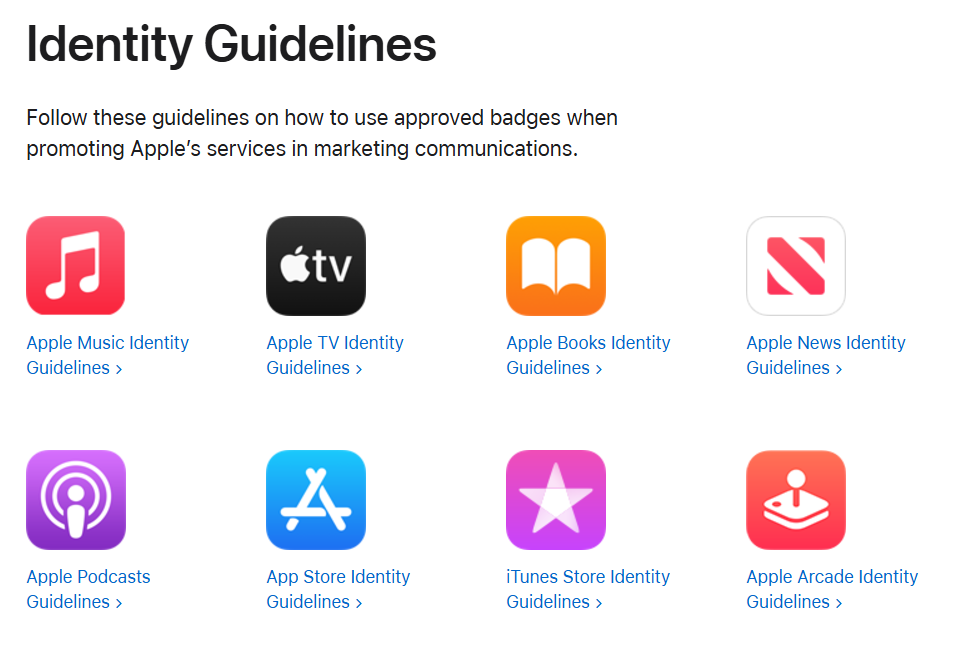
Furthermore, Apple integrates its performance and affiliate partners into this unified ecosystem through structured initiatives such as the Apple Services Performance Partners Program. By providing affiliates with comprehensive brand guidelines, marketing assets, and clear operational parameters, the company ensures that third-party promotions maintain the same high standards as its internal campaigns. This systemic alignment protects brand equity while driving significant revenue across global digital channels.
Implications for Affiliate Marketing and Program Expansion
The principles of holistic marketing offer profound implications for the growth and optimization of affiliate marketing programs. High-performing affiliate publishers are increasingly selective, conducting rigorous pre-campaign evaluations of potential merchant partners. Affiliates routinely assess a brand’s online reputation, customer conversion efficiency, product quality, and post-purchase customer service before agreeing to promote its offerings.
When a brand adopts a holistic approach, it naturally resolves the friction points that deter quality publishers. Consistent messaging, reliable customer service, and high retention rates translate directly into superior conversion statistics. Consequently, a well-managed holistic strategy acts as a catalyst for affiliate program growth, transforming the affiliate channel from an isolated marketing tactic into a primary revenue engine. When publishers are equipped with accurate audience profiles, transparent product data, and unified creative assets, they can drive highly qualified traffic that yields sustainable, long-term returns.
Navigating Future Challenges and Emerging Technologies
As the digital landscape continues to evolve, the application of holistic marketing must adapt to emerging technologies and shifting consumer expectations. Artificial intelligence (AI) and machine learning are rapidly transforming personalization capabilities, allowing brands to tailor customer interactions at scale. However, these technological deployments must be carefully managed to maintain brand consistency and data privacy compliance.
Simultaneously, the demand for corporate transparency and sustainability will only intensify. Businesses that fail to integrate ethical practices and social responsibility into their core operations risk alienating modern consumers and high-value affiliate partners alike. Future-proof organizations must anticipate these paradigm shifts, ensuring that digital innovation and social accountability are seamlessly woven into their overarching business strategies.
Ultimately, the successful execution of holistic marketing transcends tactical execution; it requires an organizational commitment to cross-departmental communication, shared vision, and structural teamwork. By treating every business unit, marketing channel, and external partnership as an interconnected component of a larger ecosystem, enterprises can navigate market volatility, build enduring brand equity, and achieve sustainable, long-term growth.