The digital publishing landscape is undergoing a significant shift as AI-driven monetization tools expand their reach outside specialized niches. Stay22, a prominent player in travel affiliate technology, has officially launched a retail-focused affiliate program designed to open its high-converting infrastructure to non-travel content creators and general-interest website operators.
Long recognized for its efficiency in converting web traffic within the tourism sector, the platform’s newly introduced retail options allow mainstream bloggers and digital publishers to monetize broader product categories. Early adopters report substantial revenue growth within days of implementation, signaling a potential new standard for automated, site-wide affiliate optimization.
Evolution of AI-Driven Monetization
Founded as an artificial intelligence-powered travel affiliate platform, Stay22 originally focused on connecting travel bloggers with booking engines, hotel aggregators, and tourism merchants. The core appeal of the platform has historically centered on its ability to utilize context-aware technology to match user intent with relevant booking options, yielding high conversion rates compared to traditional static banner advertisements or basic text links.

Recognizing the scalability of its underlying technology, company leadership authorized the development of a retail vertical. Rolled out in mid-2025, this expansion adapts the platform’s AI algorithms to scan and integrate general retail products into content across diverse niches, ranging from technology reviews to lifestyle and finance blogs. This strategic pivot broadens the total addressable market for the company while providing content creators outside the tourism sector with access to high-yielding monetization tools previously restricted to travel specialists.
Implementation and Technical Mechanics
The integration of Stay22’s retail program into existing website infrastructure relies on two primary deployment methods, which publishers can use independently or concurrently:
- Custom Link Generation: Publishers can manually generate targeted affiliate links for specific retail merchants through the platform’s dashboard, maintaining granular control over specific product recommendations embedded within editorial content.
- Automated Sitewide Script (LMA): By inserting a lightweight JavaScript code snippet across the entire website, publishers enable the platform’s backend algorithms to dynamically convert existing outbound links into monetized affiliate links and intelligently inject relevant product links based on context and historical conversion data.
According to platform documentation and early implementation reports by digital publishers, the automated script directs traffic toward high-converting merchants, including major global online retailers. Due to non-disclosure agreements, specific retail partners integrated into the backend are not universally publicized, but performance metrics indicate robust conversion efficiencies.
Financial Impact and Publisher Integration
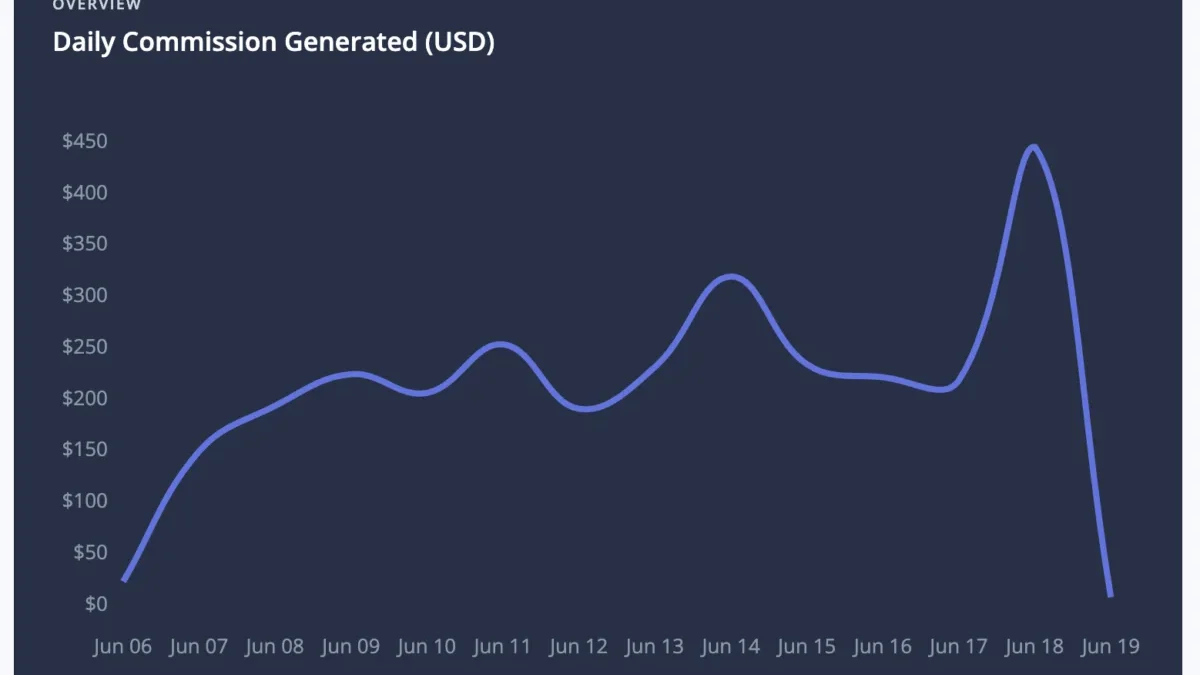
Initial case studies from prominent digital publishers indicate rapid revenue acceleration following the deployment of the retail script. Industry operators testing the beta version have reported daily earnings ranging from $200 to upwards of $4,500, depending on traffic volume and niche relevance.

A central concern for content creators adopting new monetization layers is potential interference with existing revenue streams, particularly programmatic display advertising networks such as Mediavine, Raptive, or Google AdSense. Early data suggests that the integration of Stay22’s retail scripts does not negatively impact display ad performance or Page RPMs (Revenue Per Mille). Publishers running simultaneous display advertising and the Stay22 retail script report stable ad yields alongside incremental gains in affiliate revenue.
Furthermore, joining the platform remains free for website operators, with the company generating revenue through a revenue-share model built into the back-end transaction processing.
Current Limitations and Reporting Infrastructure
While the financial performance of the retail program has exceeded early expectations for many publishers, the platform’s auxiliary features remain in a developmental phase. Because the retail program is currently operating in a beta capacity, reporting dashboards lack the granular analytical depth found in established retail networks like Amazon Associates or ShareASale.
Publisher feedback indicates that while revenue tracking is functional, detailed metrics regarding specific product performance, click-through granularity, and conversion funnels are presently limited. Company representatives have communicated to early users that reporting capabilities and dashboard features will receive systematic upgrades as the retail program matures out of its initial launch phase.

Broader Industry Implications
The expansion of specialized travel tech platforms into general retail affiliate marketing highlights a broader industry trend: the convergence of artificial intelligence and automated monetization across digital publishing. As search engine updates and shifting traffic acquisition channels pressure traditional display ad models, publishers increasingly rely on contextual affiliate marketing to diversify revenue streams.
By lowering the technical barrier to entry for complex affiliate strategies—automating link insertion and optimization via machine learning—platforms like Stay22 are reshaping how content sites monetize passive traffic. For general-interest publishers, the success of these early beta rollouts suggests that AI-driven link injection may soon become a standard component of modern content monetization stacks, sitting alongside programmatic ads and sponsored content.
As the retail program moves past its initial rollout phase, industry analysts will closely monitor whether the platform can maintain its high conversion efficiency at scale while expanding its reporting infrastructure to meet the demands of enterprise-level digital publishers.