
The landscape of modern personal finance is undergoing a significant shift as a growing demographic of consumers adopts a philosophy of "strategic refusal." This behavioral trend, often characterized by a calm and methodical approach to capital allocation, prioritizes long-term financial stability over immediate consumption. Unlike traditional austerity, which focuses on deprivation, modern frugality is defined by the substitution of high-cost, low-value habits with more efficient alternatives. This shift is not merely a response to economic pressure but a deliberate move toward "conscious consumption," where every expenditure is scrutinized for its true utility and opportunity cost.

The Behavioral Economics of Strategic Frugality
The core of this movement lies in a simple yet profound realization: most consumer expenditures are driven by autopilot habits rather than necessity. Behavioral economists note that the modern retail environment is designed to trigger impulsive decision-making through artificial urgency and social signaling. By identifying and refusing specific "friction costs"—small, recurring expenses that yield little long-term value—individuals are reclaiming significant portions of their disposable income.

Data suggests that the average American household spends thousands of dollars annually on items that frugal practitioners have successfully eliminated. This "quiet skipping" of common goods and services is often invisible to the casual observer, yet it forms the bedrock of what financial analysts call "stealth wealth."

A Chronology of Consumer Decoupling
The transition toward strategic frugality typically follows a predictable timeline. It often begins with the elimination of high-frequency, low-cost disposables and eventually scales up to major life purchases like vehicles and real estate.

Phase One: Household Efficiency and the Death of Disposables
The first stage of the frugal transition involves re-evaluating recurring household supplies. A primary target is the ubiquitous paper towel. While households traditionally used paper towels for all cleaning tasks, the strategic consumer restricts their use to biological messes or hazardous materials, substituting them with reusable rags made from repurposed textiles. This small shift can reduce a household’s annual paper product expenditure by 60% to 80%.

Similarly, the refusal of bottled water in favor of high-quality filtration systems marks a significant decoupling from the convenience economy. According to the Beverage Marketing Corporation, the average price of a gallon of bottled water is significantly higher than that of tap water, yet the quality difference is often negligible after filtration. By investing in a one-time filtration solution and reusable vessels, consumers eliminate a recurring weekly cost while reducing plastic waste.

Phase Two: The Rejection of Subscription and Convenience Premiums
As the consumer’s mindset matures, the focus shifts toward "convenience premiums." This includes the rejection of individually packaged snacks and pre-cut produce. The price markup for pre-washed and chopped vegetables can exceed 100% compared to whole produce. Frugal households counter this through "batch prepping," dedicating a small window of time each week to processing bulk purchases into ready-to-eat formats.
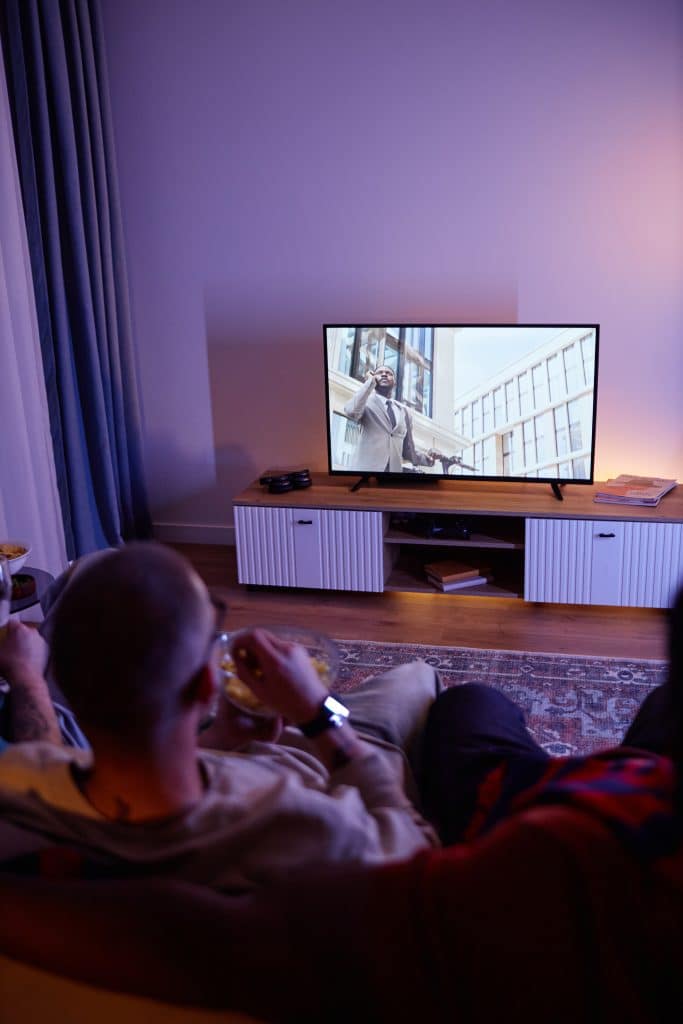
This phase also involves a critical audit of digital services. The "cable-cutting" movement has evolved into "streaming rotation." Rather than maintaining five or six simultaneous subscriptions, strategic consumers subscribe to one service at a time, exhausting the content library before canceling and moving to the next. This prevents "subscription creep," where small monthly fees aggregate into a substantial annual drain.

Phase Three: Asset Acquisition and the Secondary Market
The most significant financial gains are realized when consumers apply the logic of refusal to high-ticket items. This includes the rejection of new vehicles and full-price furniture.

Automotive data consistently shows that a new car loses approximately 20% of its value in the first year and 60% within five years. Frugal buyers leverage this depreciation by entering the market as the second owner of a well-maintained vehicle. This strategy allows for the acquisition of a reliable asset while avoiding the steepest part of the depreciation curve. In the furniture sector, the refusal of "fast furniture"—low-quality, flat-pack items—in favor of high-quality, secondhand solid wood pieces from estate sales ensures longevity and prevents the need for frequent replacements.

Data-Driven Insights: The Cost of "Autopilot" Spending
To understand the impact of these 29 refusals, one must look at the cumulative effect on a household’s balance sheet.

- Banking and Interest: Frugal individuals prioritize the elimination of interest payments. By paying credit card balances in full and avoiding "low monthly payment" financing traps, they save thousands in interest over a lifetime. Furthermore, by opting for fee-free credit unions or online banks, they avoid the $329 annual average in bank fees paid by many Americans.
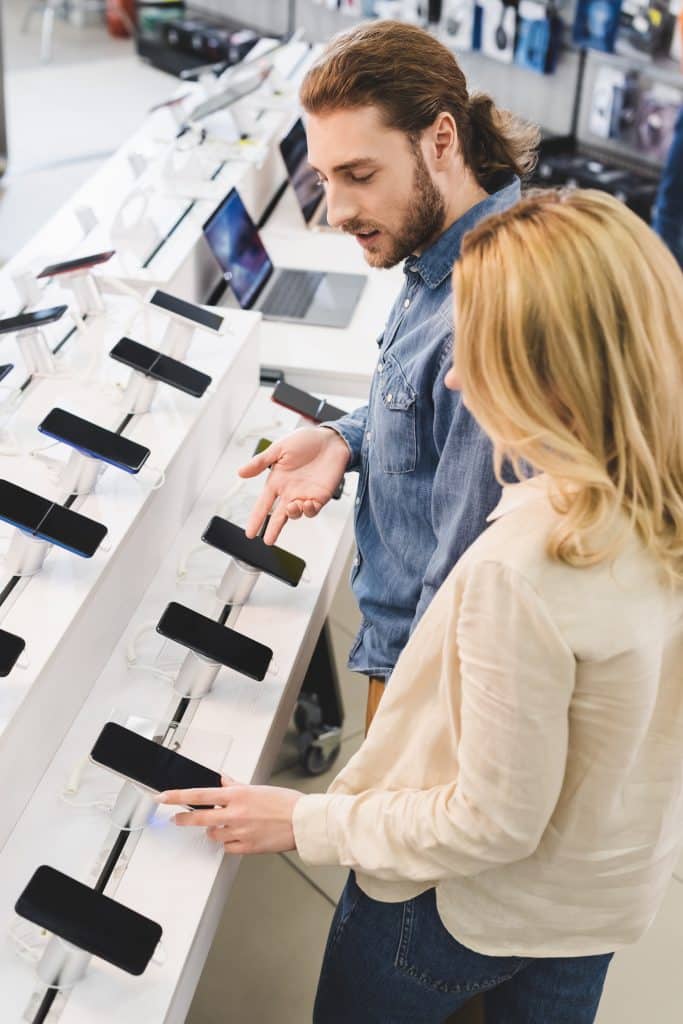
- Technology Cycles: The lengthening of the smartphone upgrade cycle from two years to four or five years can save an individual upwards of $1,000 every few years. Frugal consumers treat technology as a tool rather than a status symbol, opting for battery replacements over device upgrades when performance plateaus.
- The "Pink Tax" and Branding: By switching to store-brand pantry staples and cleaning supplies, consumers often find that the chemical composition is identical to name brands. The savings here typically range from 25% to 50% per grocery trip.
Reactions from Retail and Industry Analysts
The rise of the strategic consumer has not gone unnoticed by the retail sector. Industry analysts report a "bifurcation of the market," where retailers must choose between catering to the luxury segment or the high-efficiency, value-conscious segment.
"We are seeing a permanent shift in how a subset of the population interacts with brands," says Marcus Thorne, a retail strategist. "These are not people who can’t afford to buy; they are people who choose not to buy based on a different set of metrics. They are immune to traditional marketing tactics like ‘limited time offers’ or ‘status-based’ advertising."
The "Right to Repair" movement is another area where this demographic has made an impact. By refusing to outsource simple repairs—such as unclogging a washing machine pump or hemming a pair of trousers—consumers are challenging the "disposable" model of modern manufacturing. This has led to a resurgence in DIY education and a demand for products that are serviceable by the owner.

Broader Implications: Wealth Building and Environmental Impact
The implications of these 29 refusals extend beyond individual bank accounts. There is a significant environmental correlation; the refusal of fast fashion, single-use party supplies, and excess packaging directly reduces a household’s carbon and waste footprint.

Furthermore, the psychological impact of "the pause"—the final and most important refusal on the list—cannot be overstated. By refusing to act on manufactured urgency, consumers regain control over their dopamine responses. This leads to a reduction in "buyer’s remorse" and an increase in overall life satisfaction.

The "Pause" as a Financial Safeguard
The practice of waiting—24 hours for small purchases, a week for medium ones, and a month for major ones—acts as a natural filter for impulse buys. Data from consumer psychology studies indicates that the "want" for an item often dissipates after the initial emotional spike. Those who master the pause find that a majority of their "essential" wants evaporate when the clock runs out, leaving only genuine needs and high-value acquisitions.
Conclusion: The Future of the Frugal Paradigm
Strategic frugality is proving to be a robust defense against inflation and economic volatility. By systematically eliminating 29 common but unnecessary expenditures, individuals are not just saving money; they are redesigning their relationship with the economy. This is not a movement of "less," but a movement of "better."

As the "disposable economy" faces increasing scrutiny for its environmental and social costs, the habits of the quietly calm, frugal individual are likely to move from the fringe to the mainstream. The pattern behind these refusals suggests that financial freedom is found not in the ability to buy everything, but in the wisdom to refuse what does not serve a purpose. In the final analysis, the most powerful tool in a consumer’s arsenal is the word "no," delivered with the quiet confidence of someone who knows exactly where their money is going.