The annual ritual of preparing for Halloween festivities often begins with a trip to the local supermarket, where consumers are met with rising costs for seasonal confectionery. Current market data indicates that a standard bag of fun-size candy now retails between $5 and $10, depending on the retailer and regional supply chain factors. Despite this expenditure, these items are consumed rapidly, often disappearing within minutes of being served at social gatherings. As inflation continues to impact household grocery budgets, many hosts are re-evaluating the fiscal efficiency of traditional pre-packaged treats in favor of homemade alternatives that utilize pantry staples and discounted baking supplies.
The Economics of Seasonal Entertaining
The shift toward DIY party planning is driven by a need to maximize value without compromising on the festive atmosphere. By focusing on bulk ingredients—such as flour, sugar, butter, and shelf-stable snacks—hosts can produce significantly larger quantities of food for the same financial outlay required for a single bag of branded candy. Industry analysts note that "experience-based" spending is currently trending, where consumers prefer to invest in the presentation and shared consumption of food rather than the passive purchase of mass-produced items.

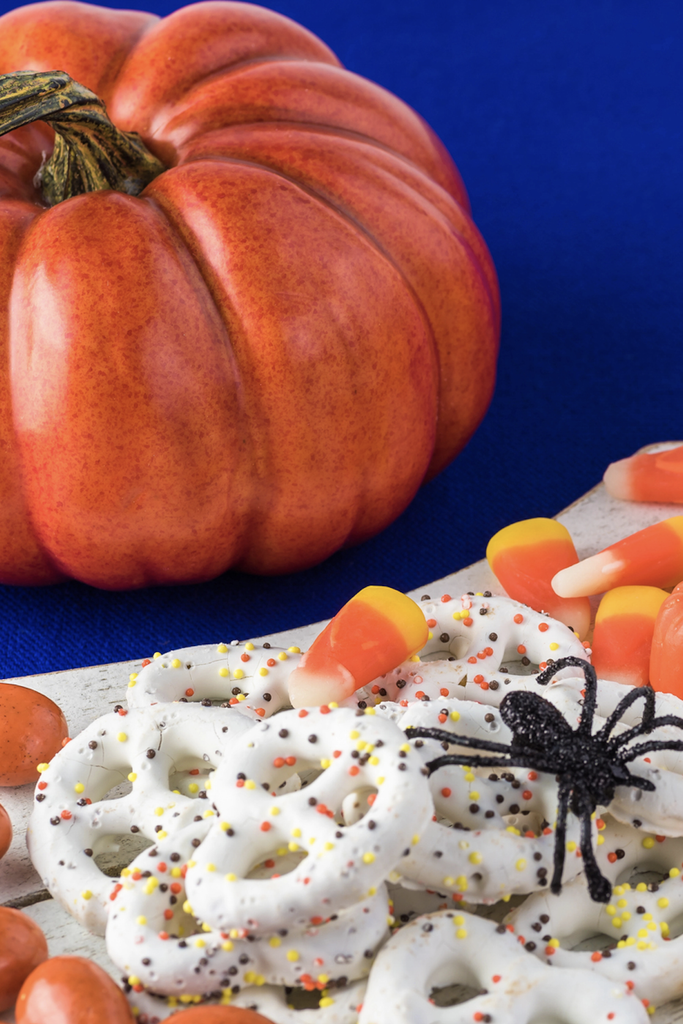
This strategy of "smart sourcing" involves leveraging the dollar-store baking aisle, utilizing leftovers, and purchasing large-format containers of staples like chocolate wafers or candy eyes, which reduces the per-unit cost of production. When broken down, many homemade treats, such as candy-coated pretzels or specialized snack mixes, result in a cost of approximately $0.10 to $0.20 per serving, a stark contrast to the premium pricing of branded holiday-themed sweets.
Strategic Planning and Execution
The transition from pre-packaged snacks to homemade goods requires a shift in logistical planning. A chronological approach to preparation—beginning with dry goods and ending with temperature-sensitive items—can prevent food waste and ensure optimal presentation.
- Early Planning (4–6 weeks out): Identifying non-perishable ingredients such as pretzels, popcorn kernels, and baking mixes. This phase allows for the comparison of unit pricing across different retailers.
- Ingredient Acquisition (2–3 weeks out): Sourcing high-volume items like candy eyeballs or chocolate wafers, which are more economical when purchased in large tubs rather than individual small-batch packets.
- Preparation (1–3 days out): Assembling dry mixes and baking stable items like cookies or brownies.
- Final Assembly (Day of event): Incorporating perishable or moisture-sensitive elements, such as fresh fruit, whipped toppings, or carbonated beverages, to maintain freshness and texture.
A Comparative Analysis of Value-Driven Treats
Data gathered from various culinary cost-tracking metrics suggests that certain items provide the highest return on investment for large groups.
- Witches’ Brew Punch: Often cited as the most efficient budget-friendly option, this classic mixture of lemon-lime soda, pineapple juice, and lime sherbet can serve up to 40 guests for under $12. The visual impact of the foaming reaction provides a "theatrical" element that adds value beyond the raw ingredients.
- Savory Alternatives: Integrating items like "Mummy Hot Dogs"—hot dogs wrapped in crescent dough—provides a substantial dinner option that mitigates the need for costly takeout or delivery services, which often carry significant service fees.
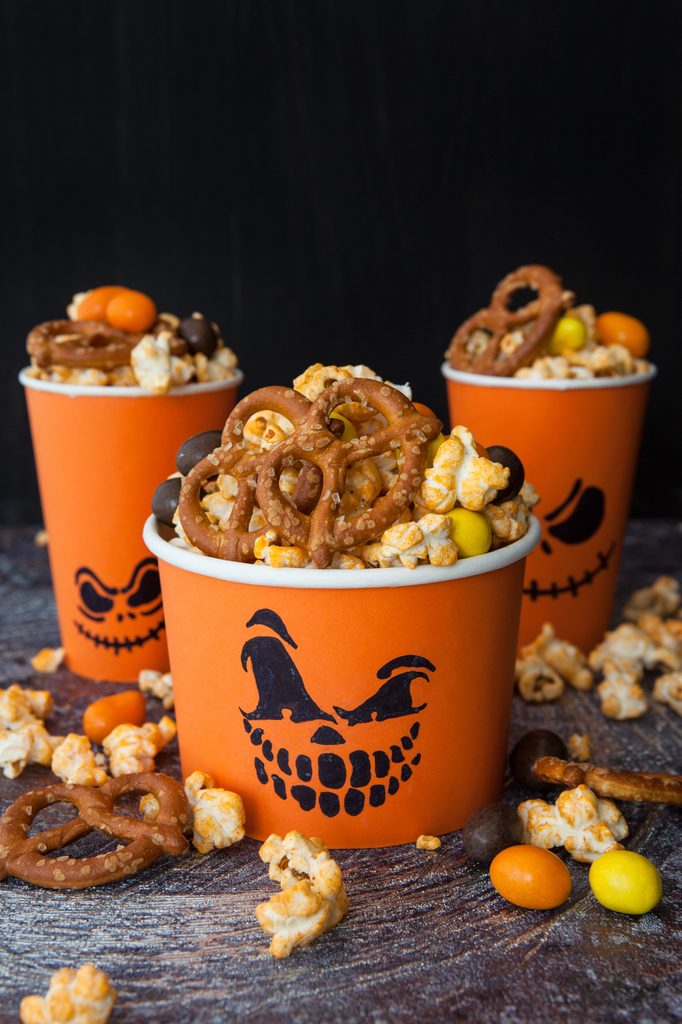
- Upcycled Snack Mixes: Utilizing leftover pretzels, cereal squares, and candy corn to create a custom "Monster Munch" allows for the repurposing of pantry staples. This method minimizes food waste, an ongoing concern for households looking to maintain a balanced budget.
The Role of Presentation in Consumer Perception
Public relations and event planning experts have long observed that the "perceived value" of a food item is often tied to its aesthetic appeal. By employing simple techniques—such as using ribbons for party favors, arranging items in themed displays, or utilizing inexpensive food coloring—hosts can elevate basic ingredients into sophisticated presentations.
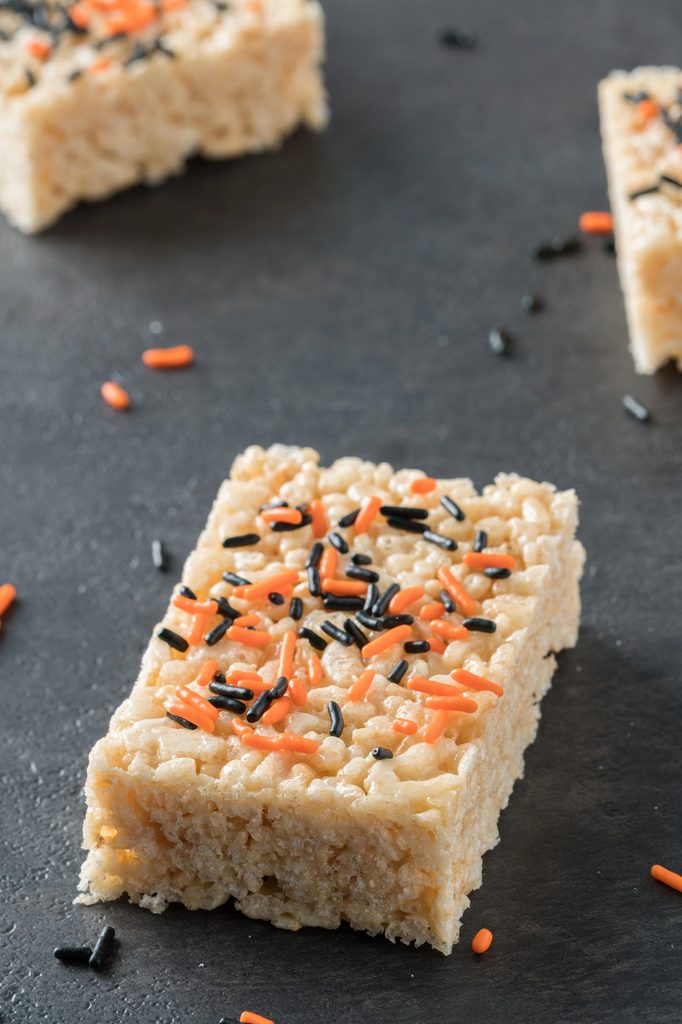
For instance, the "Pretzel Rod Wand" concept, where rods are dipped in candy coating and adorned with sprinkles, transforms a low-cost snack into an interactive party favor. When packaged in individual cellophane bags, these items are frequently perceived by guests as artisanal gifts, despite the cost per unit remaining well below $0.50. This demonstrates that creative labor can effectively substitute for high capital expenditure.
Addressing the "Hidden" Costs of Homemade Treats
While DIY options generally offer better value, they are not without risk. Professional chefs and frugal-living advocates emphasize that not every classic recipe is a bargain. Caramel apples, for example, frequently serve as a cautionary tale. High ingredient costs—including fresh apples, high-quality caramel, and specialized packaging—combined with the potential for structural failure (where the caramel coating slides off the fruit), can make them more expensive than store-bought equivalents if a batch requires re-making.
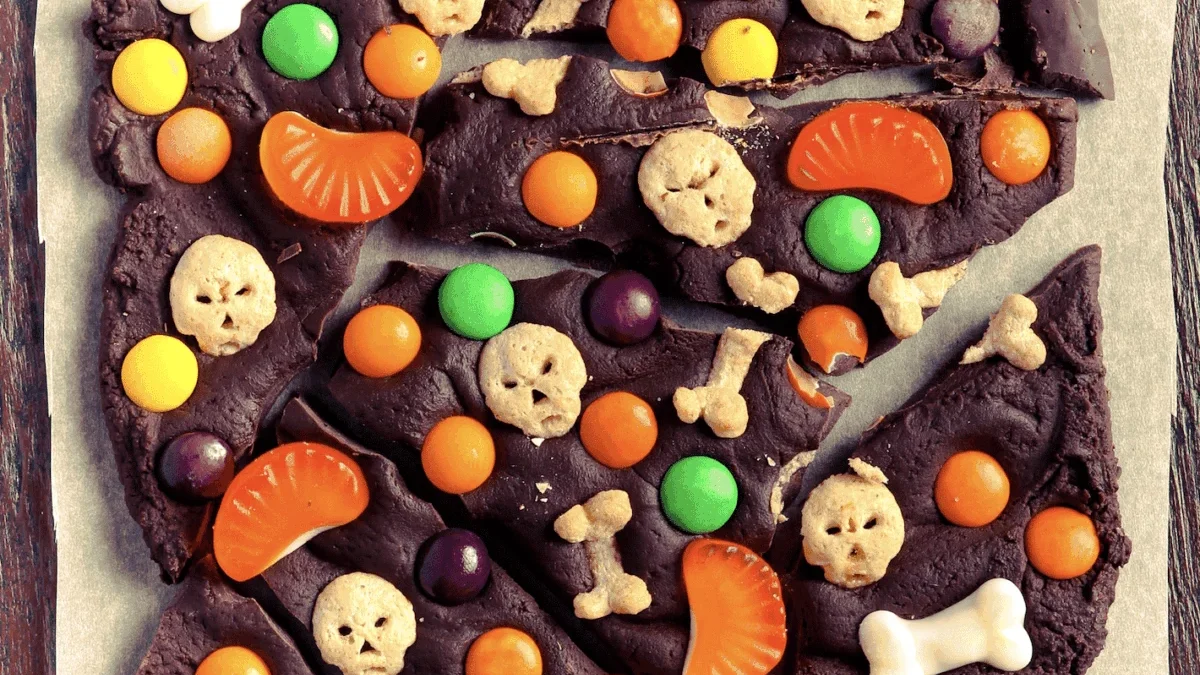
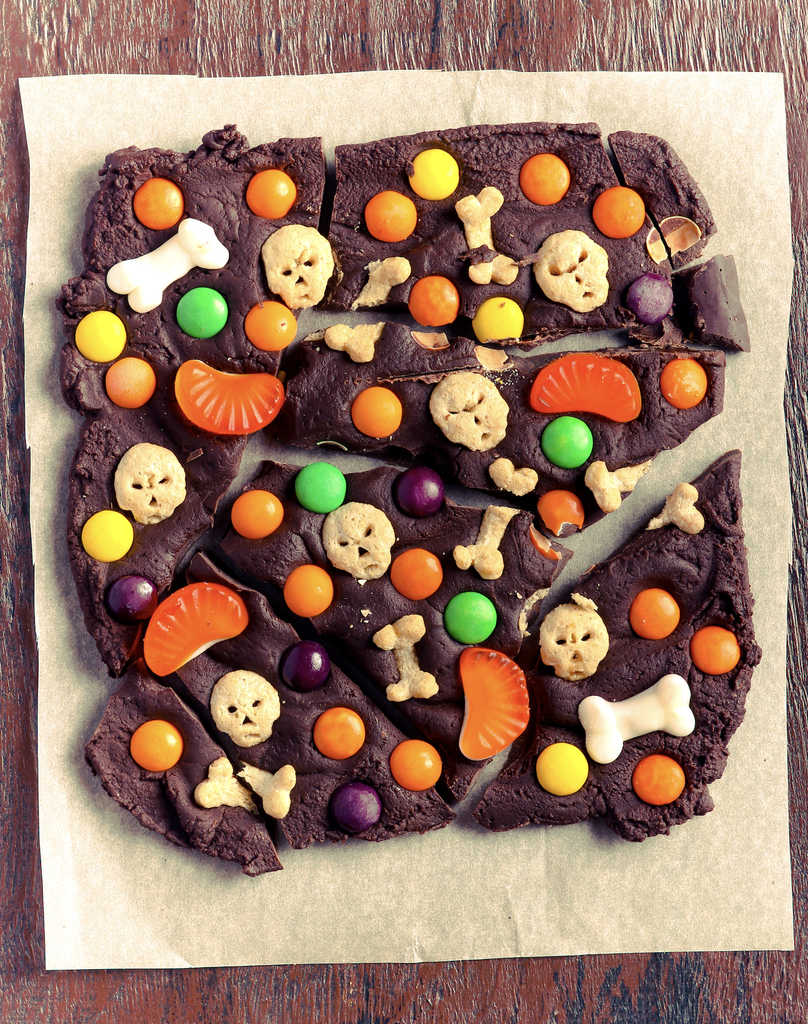
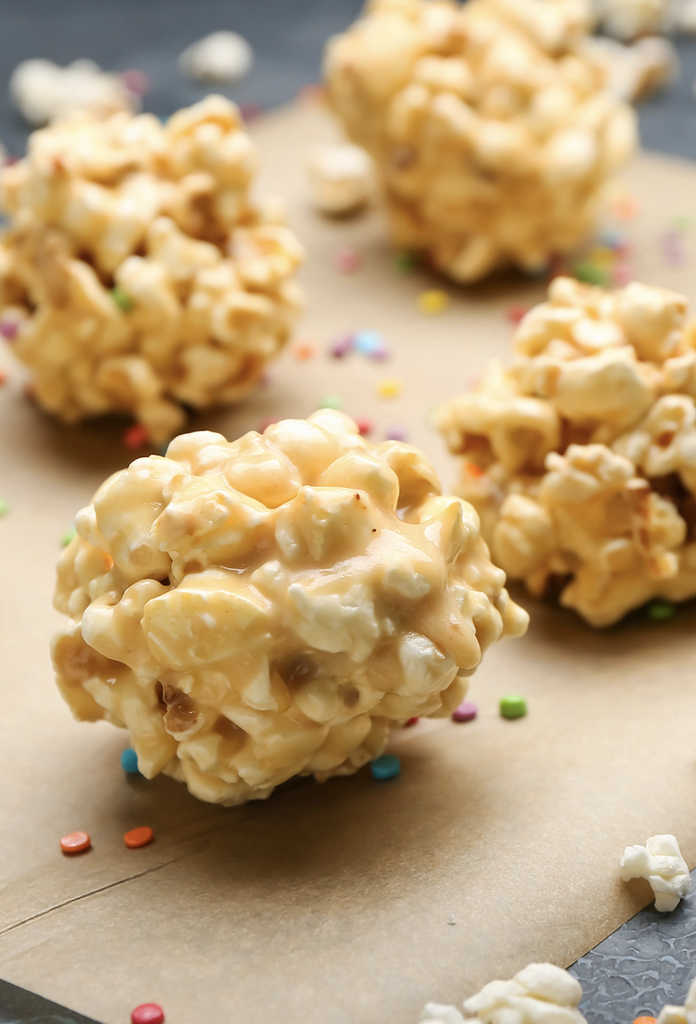
The "failure rate" of a recipe is a significant, yet often overlooked, variable in budget calculations. Experienced hosts recommend prioritizing recipes with high success rates, such as popcorn balls or chocolate bark, and reserving complex techniques for those with established culinary experience.
Broader Implications for Household Budgeting
The movement toward DIY holiday entertaining reflects a broader trend in consumer behavior: the "Takeout Tax" awareness. By opting to prepare food at home, families avoid the convenience premiums associated with delivery and catering. This behavioral change has positive long-term effects on household savings, as the skills and habits developed for Halloween can be applied to other holiday traditions throughout the year.
Furthermore, the practice of purchasing supplies immediately after the holiday—when seasonal merchandise is heavily discounted—serves as a proactive measure for the following year’s budget. Retailers typically clear out inventory by mid-November, providing an opportunity for consumers to stock up on baking essentials at a fraction of their original price.
Conclusion: The Value of Traditions
The cost of fostering family and social traditions is often overstated. As shown by the versatility of simple ingredients like flour, sugar, and seasonal decorations, the most memorable aspects of a holiday gathering are rooted in the effort of preparation rather than the price tag of the items served. By focusing on high-impact, low-cost recipes, hosts can successfully navigate the fiscal pressures of the season while maintaining the quality and excitement of their celebrations.
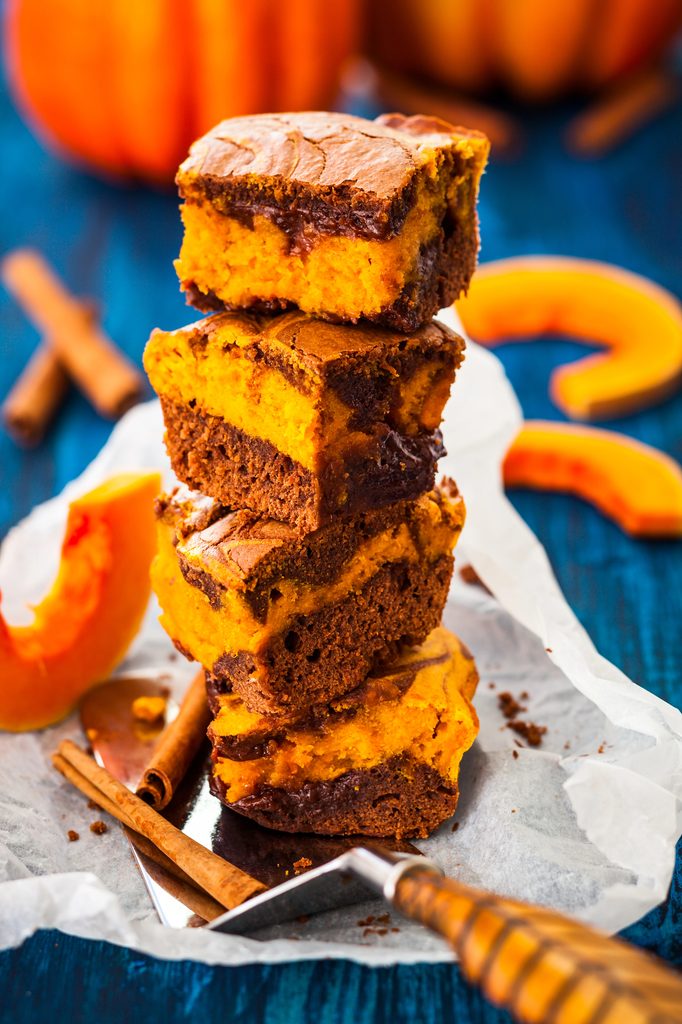
Ultimately, the shift toward a more mindful approach to party planning is not merely a reaction to rising inflation; it is an evolution in how communities value their shared experiences. Whether it is a bowl of homemade punch or a tray of simple brownies, the focus remains on the social utility of the event, reinforcing the fact that meaningful traditions are rarely defined by the size of the shopping bill. Through careful selection and strategic planning, the cost-to-enjoyment ratio of Halloween entertaining can be significantly improved, proving that resourcefulness remains one of the most effective tools in the modern kitchen.