Social media monitoring is the systematic process by which brands meticulously track and analyze all conversations, mentions, and sentiments expressed about them across various social media platforms and the broader digital landscape. Far beyond simple notification alerts, this critical function provides a real-time pulse on public perception, offering invaluable consumer intelligence that informs strategic decisions from marketing campaigns to product development and crisis management. In an era dominated by instantaneous digital communication, understanding and actively engaging with the online discourse surrounding a brand is not merely advantageous but essential for sustained success and reputation safeguarding.
The Evolution and Imperative of Digital Vigilance
The advent and explosive growth of social media platforms transformed how consumers interact with brands, moving from one-way advertising to dynamic, multi-directional conversations. Initially, brands attempted to manually track mentions, a laborious and often incomplete task given the sheer volume of daily posts, comments, and shares. The landscape shifted dramatically with the proliferation of platforms like Facebook, Twitter (now X), Instagram, LinkedIn, and TikTok, each generating billions of data points daily. This digital deluge necessitated the development of sophisticated tools and methodologies to effectively capture, filter, and interpret this vast amount of unstructured data.

Today, social media monitoring has become an indispensable component of digital strategy, driven by the understanding that a brand’s reputation can be built or shattered in moments online. The process encompasses tracking both direct mentions (where a brand’s handle or official hashtag is used) and, crucially, indirect or untagged mentions, which often represent candid, unfiltered consumer opinions. This comprehensive approach ensures that brands are not only aware of direct feedback but also privy to organic conversations occurring independently across the social web, offering a more complete and authentic view of public sentiment.
Deconstructing the Mechanics of Social Media Monitoring
At its core, social media monitoring is a multi-faceted activity combining technological solutions with strategic human analysis. It involves several key components working in concert to transform raw social data into actionable insights:

- Keyword and Phrase Tracking: The foundation of any monitoring strategy lies in identifying and tracking relevant keywords. This includes brand names (official and common misspellings), product names, slogans, campaign-specific hashtags, industry terms, competitor names, and even key personnel names. Advanced monitoring tools allow for complex Boolean searches to refine results and eliminate noise.
- Platform Coverage: Effective monitoring extends beyond a brand’s owned social channels. It encompasses a wide array of platforms, including major social networks, forums, blogs, review sites, news outlets, and even dark social channels where conversations might be less public but equally impactful.
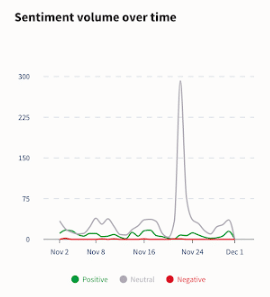
- Sentiment Analysis: Beyond merely identifying mentions, monitoring tools employ natural language processing (NLP) and machine learning to analyze the emotional tone of conversations. This classifies mentions as positive, negative, or neutral, providing quantitative data on public perception and enabling brands to quickly identify shifts in sentiment. For instance, a sudden spike in negative sentiment around a product launch could signal a critical issue requiring immediate attention.
- Mention Volume and Velocity: Tracking the number of mentions over time, and the speed at which they are accumulating, helps brands understand the scale and urgency of discussions. A sudden surge in mentions might indicate a viral moment (positive or negative) or the emergence of a trend.
- Demographic and Geographic Insights: Many tools can segment mentions by the demographics of the users posting them (age, gender, location) or the geographic origin of the posts, helping brands understand who their core audience is and where their brand resonance is strongest or weakest.
- Influencer Identification: Monitoring can reveal key influencers or highly engaged individuals who are frequently discussing the brand or industry, offering opportunities for collaboration or direct engagement.
These interwoven signals collectively transform everyday social interactions into a rich tapestry of intelligence, enabling brands to make data-driven decisions.
Distinguishing Monitoring from Social Listening: A Symbiotic Relationship
While often used interchangeably, social media monitoring and social listening serve distinct yet complementary purposes. Understanding their differences is crucial for a holistic digital strategy.
-
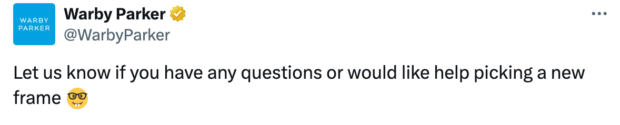
Social Media Monitoring (Reactive & Tactical): This is the "what" and "now." Monitoring focuses on tracking specific mentions, keywords, and hashtags in real-time. Its primary goal is to identify immediate conversations that require a response or intervention, such as customer service inquiries, complaints, or positive feedback. It’s about staying on top of the daily discourse and managing immediate interactions. For example, if a customer tweets Warby Parker about their glasses, monitoring identifies that tweet for a direct, timely response.
-
Social Listening (Proactive & Strategic): This is the "why" and "over time." Listening takes the data collected through monitoring and analyzes it over longer periods to discern patterns, trends, and overarching sentiment. It’s about stepping back from individual interactions to understand the broader context, uncover underlying consumer needs, identify market opportunities, and inform long-term strategic planning. Using the Warby Parker example, social listening would analyze thousands of customer tweets about eyewear to understand evolving preferences, common pain points, or emerging styles.
In practice, the two are deeply intertwined. Monitoring feeds listening with raw data, and listening provides the strategic context that makes monitoring more effective. A robust digital strategy integrates both, allowing for both agile, real-time responses and informed, long-term strategic shifts.
Strategic Imperatives: Why Brands Cannot Afford to Ignore Social Media Monitoring
The benefits of a well-executed social media monitoring strategy extend across nearly every facet of a modern business, providing a competitive edge and enhancing overall brand health.
-
Deepened Audience Understanding: Beyond direct engagement on owned channels, monitoring unveils who is discussing a brand, where, and with what sentiment, even when not directly tagged. This offers a more comprehensive view of the true audience – including potential customers and critics – and their unfiltered opinions, preferences, and pain points. This insight is invaluable for refining buyer personas and tailoring communication strategies.
-
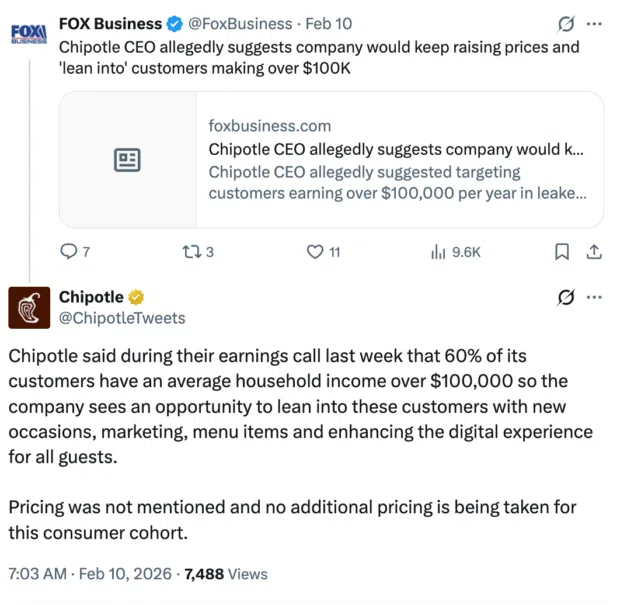
Proactive Crisis Management and Reputation Protection: One of the most critical functions of monitoring is its ability to act as an early warning system. By establishing a baseline of normal sentiment and mention volume, brands can quickly detect anomalies – a sudden surge in negative comments, a viral complaint, or misinformation spreading rapidly. Tools offering real-time alerts empower brands to intervene swiftly, often before a localized issue escalates into a full-blown public relations crisis. The infamous Chipotle incident, where the CEO’s alleged comments sparked widespread backlash, demonstrated the necessity of rapid, widespread social media response to mitigate reputational damage. Conversely, monitoring can also identify positive momentum, allowing brands to amplify positive reviews or boost popular content.
-
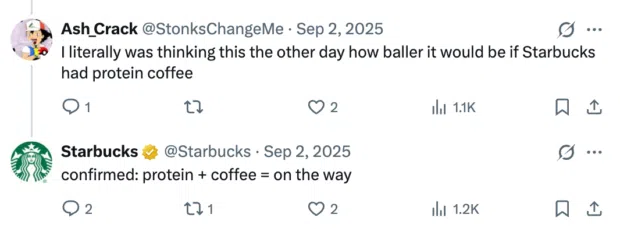
Enhanced Marketing Campaign Optimization: Monitoring provides immediate feedback on the performance of social campaigns. Brands can track sentiment, engagement rates, and key messages in real-time, allowing for agile adjustments to campaign creatives, messaging, or targeting. Furthermore, monitoring uncovers common questions, objections, or even new product ideas emerging from consumer discussions, directly informing future marketing efforts and content creation. Starbucks, for instance, frequently responds to customer suggestions on X, often leading to menu innovations or service improvements. This real-time feedback loop is crucial in a fast-paced digital environment.
-
Superior Competitive Intelligence: Monitoring extends beyond self-analysis to encompass the broader competitive landscape. By tracking competitors’ brand mentions, campaign performance, product launches, and customer service interactions, brands can benchmark their own performance, identify gaps in the market, and learn from both successes and failures of rivals. This competitive insight can inform pricing strategies, product differentiation, and overall market positioning. For example, understanding which hashtags or content types generate the most engagement for a competitor can help refine one’s own content strategy.
-
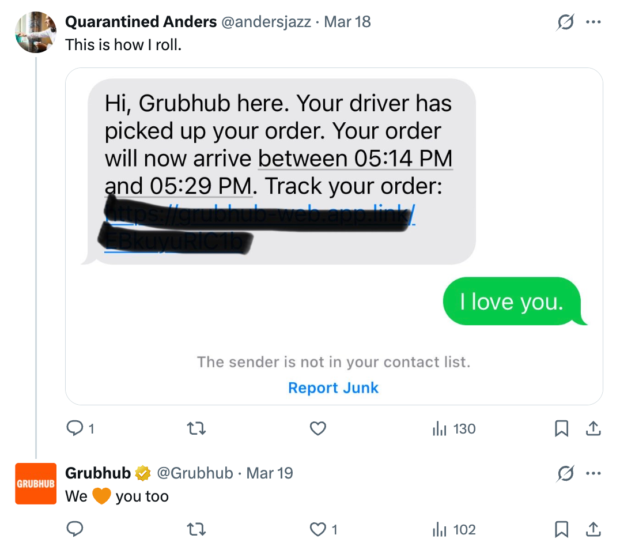
Meaningful Audience Engagement and Customer Service: In today’s customer-centric world, quick and empathetic responses to social media mentions are paramount. Monitoring ensures that brands don’t miss direct inquiries or complaints, enabling prompt resolution and fostering customer loyalty. Beyond direct mentions, monitoring uncovers opportunities for proactive engagement – joining relevant conversations where the brand isn’t tagged, offering assistance, or simply acknowledging positive feedback. Grubhub, for example, frequently delights customers by responding to positive, untagged tweets, demonstrating active listening and appreciation. This level of engagement builds goodwill and strengthens customer relationships. According to a study by NewVoiceMedia, 45% of consumers will abandon an online transaction if their questions or concerns are not addressed quickly.
Crafting a Robust Social Media Monitoring Strategy: A Step-by-Step Approach
Implementing an effective social media monitoring program requires a structured approach, moving from foundational goal setting to advanced tool utilization and cross-functional integration.
-
Define Clear, Measurable Goals: The first step is to articulate what the brand aims to achieve through monitoring. Are the goals focused on improving customer service response times, identifying emerging trends, mitigating reputational risks, or understanding market sentiment around a new product? Specific, measurable, achievable, relevant, and time-bound (SMART) goals will dictate the scope and focus of the monitoring efforts. For example, a goal might be "Reduce average social media customer response time by 20% within six months" or "Increase positive sentiment score for Brand X by 10% in the next quarter."
-
Identify Key Monitoring Parameters: Once goals are established, determine precisely what to track. This involves creating a comprehensive list of keywords, phrases, hashtags, and social accounts.
- Brand-specific terms: Official brand names, product lines, campaigns, executives.
- Industry terms: Generic terms relevant to the sector (e.g., "vegan food," "sustainable fashion").
- Competitor terms: Names of direct competitors, their products, and campaigns.
- Common misspellings and slang: To capture informal mentions.
- Geographic and linguistic variations: If the audience is global, include terms in multiple languages and region-specific slang.
- Negative keywords: To filter out irrelevant noise (e.g., if "Apple" is monitored, add "fruit" as a negative keyword to exclude mentions of the fruit).
-
Select the Right Monitoring Tools: While manual tracking is possible for very small operations, it quickly becomes unfeasible. Professional social media monitoring tools automate data collection, analysis, and reporting. The choice of tool depends on factors like budget, team size, desired features (real-time alerts, sentiment analysis, competitive benchmarking, historical data), and integration capabilities with existing social media management platforms. Leading tools like Hootsuite and Talkwalker offer robust capabilities for enterprise-level monitoring.

-
Integrate Insights Across Departments: The true power of social media monitoring is unleashed when insights are shared and acted upon across the entire organization, not just within the social media team.
- Customer Service: Real-time alerts on customer complaints or queries enable immediate response and resolution, directly impacting customer satisfaction.
- Marketing & PR: Insights into campaign performance, emerging trends, and public sentiment guide future content creation, campaign strategy, and media relations.
- Product Development: Feedback on desired features, pain points, or suggestions can directly inform product roadmaps and innovation cycles.
- Sales: Identifying potential leads or understanding customer objections can equip sales teams with valuable context.
- HR: Monitoring can sometimes reveal insights into employee sentiment or brand perception as an employer.
The 2019 research by Perakakis, Mastorakis, and Kopanakis highlighted that "Social media monitoring tools can help marketers identify opportunities for interacting with customers by providing vital insights… determining when and how to respond back to customers," underscoring the interdepartmental utility.
Leveraging Advanced Tools: Hootsuite and Talkwalker in Action
Modern social media monitoring is significantly enhanced by sophisticated platforms designed to streamline and deepen the analysis process.

1. Streamlined Data Tracking with Hootsuite Streams:
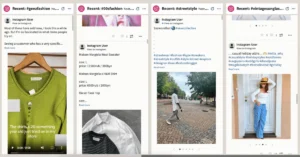
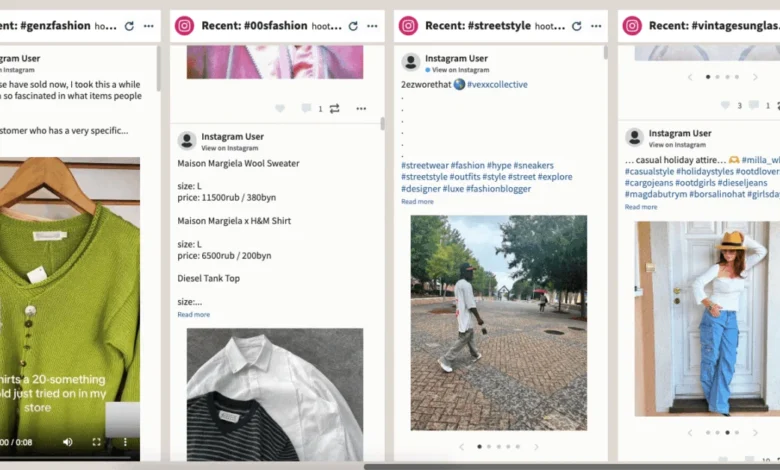
Hootsuite provides a centralized dashboard where users can set up customizable "streams" to monitor mentions, keywords, and hashtags across various social networks. These streams can be organized into boards tailored to specific needs, such as:
- Brand Mentions Board: Tracking all direct and indirect mentions of the brand.
- Competitor Monitoring Board: Observing competitor activities and public discourse.
- Industry Trends Board: Identifying broader conversations and emerging topics.
- Customer Service Queue: Prioritizing and assigning customer inquiries for rapid response.
The ease of setting up streams allows teams to quickly configure their monitoring parameters. For deeper insights, Hootsuite’s integration with powerful listening tools like Talkwalker allows users to add a "Listening Stream" directly into their dashboard, merging real-time monitoring with advanced analytical capabilities. This dual approach ensures comprehensive coverage and granular detail.
2. Competitive Deep Dive with Hootsuite Analytics:
For brands prioritizing competitive intelligence, Hootsuite Analytics offers advanced reporting capabilities. Users can add up to 20 competitors per platform to generate detailed reports that compare performance metrics. These reports can reveal:

- Share of Voice: How much of the overall conversation in a sector is attributed to a brand versus its competitors.
- Engagement Rates: Comparative analysis of likes, comments, shares, and other interactions.
- Top-Performing Content: Identifying what types of posts resonate most effectively for rivals.
- Trending Hashtags: Discovering which hashtags drive the most engagement for competitors, offering insights for refining one’s own hashtag strategy.
This competitive benchmarking is crucial for identifying market opportunities, refining content strategies, and understanding industry best practices.
3. In-Depth Insights with Talkwalker:
Talkwalker, a leading AI-powered social media monitoring and listening tool, is seamlessly integrated within Hootsuite, providing unparalleled analytical depth. Talkwalker extends monitoring capabilities beyond traditional social platforms to include blogs, forums, news sites, review platforms, and even emerging platforms like Bluesky, gathering data from over 150 million sources globally. Its artificial intelligence capabilities enable:
- Advanced Sentiment Analysis: More nuanced understanding of emotional tone, distinguishing sarcasm or complex expressions.
- Trend Prediction: Identifying nascent trends before they go mainstream.
- Image and Video Analysis: Detecting brand logos or products in visual content.
- Audience Segmentation: Detailed demographic and psychographic analysis of conversational participants.
With 50 filters to categorize data and the ability to assign conversations directly to relevant team members for follow-up, Talkwalker transforms vast datasets into highly actionable intelligence, supporting strategic decision-making across the enterprise.

The Future Landscape of Digital Monitoring
As social media platforms continue to evolve and user-generated content grows exponentially, the importance of sophisticated monitoring tools will only intensify. Future developments are likely to include even more advanced AI and machine learning for predictive analytics, hyper-personalization of insights, and real-time monitoring of emerging platforms and niche communities. Ethical considerations surrounding data privacy and responsible AI use will also become increasingly central to the development and application of these technologies.
In conclusion, social media monitoring is no longer a luxury but a fundamental requirement for any brand operating in the digital age. It provides the necessary intelligence to understand audiences, manage reputation, optimize marketing efforts, gain competitive advantages, and foster meaningful customer relationships. By adopting a strategic approach and leveraging powerful tools like Hootsuite and Talkwalker, businesses can navigate the complexities of the social web with confidence, transforming raw data into tangible growth and resilience.