The global gaming industry has transitioned from a niche hobby into a dominant force in the professional sports and entertainment landscape. With the eSports market projected to reach a valuation exceeding $2.5 billion by 2029, the demand for high-caliber visual identity has never been higher. For professional athletes, streamers, and competitive organizations, a logo is no longer merely a graphic; it is a critical asset that signals authority, fosters community, and drives the monetization of digital intellectual property. As the aesthetic expectations of modern audiences evolve, designers are tasked with crafting visual identities that remain legible across diverse digital environments, from high-resolution desktop monitors to compact mobile device screens.
The Strategic Importance of Esports Branding
In the professional gaming sector, branding functions as a psychological bridge between a player or team and their audience. Unlike traditional sports, where logos often carry decades of heritage, eSports branding is frequently characterized by aggressive, high-contrast, and dynamic aesthetics. This design language is not arbitrary; it is rooted in the need to capture attention within the saturated attention economy of platforms like Twitch, YouTube Gaming, and various tournament broadcast channels.
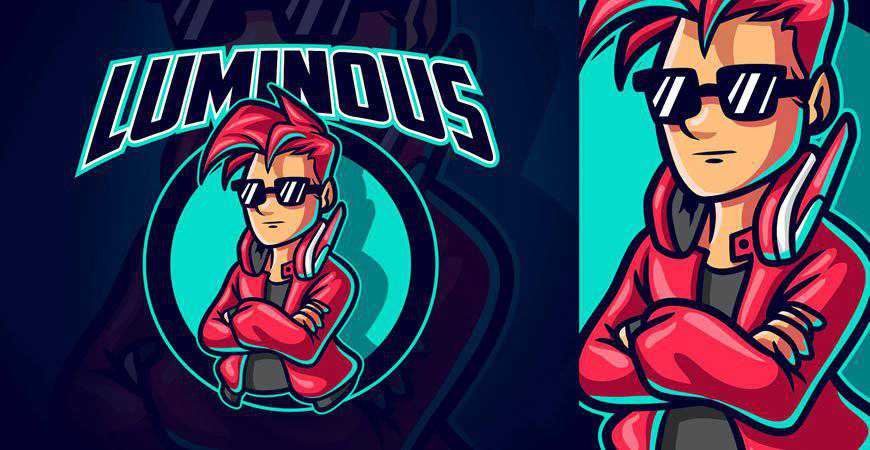
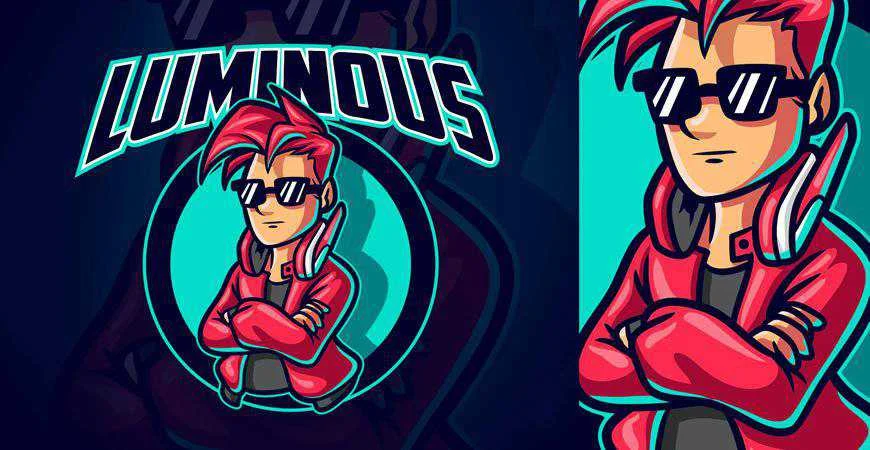
Data indicates that consistent branding significantly enhances fan engagement. Teams that maintain a cohesive visual identity across their social media, live-streaming overlays, and merchandise portfolios report higher rates of follower retention. For professional designers, this requires a delicate balance: the logo must be simple enough to be recognizable as a small profile icon, yet intricate enough to convey the specific persona—be it the stealth-oriented precision of a "Ninja" aesthetic or the futuristic, high-tech vibe of a "Roboto" mascot.
Historical Context and the Rise of the Mascot Logo
The evolution of gaming logos traces back to the early 1990s, when arcade-era neon and pixel art defined the industry. However, the contemporary "Mascot Logo" trend—popularized by North American sports leagues—has become the gold standard for eSports. This shift represents a broader professionalization of the industry. By adopting the structure of traditional sports emblems, eSports organizations have successfully signaled to potential sponsors and investors that they are legitimate, sustainable enterprises.
Throughout the 2010s, as the "Let’s Play" phenomenon exploded, independent streamers began utilizing these mascot templates to differentiate themselves from the casual player base. This created a secondary market for vector-based, customizable design assets. By 2020, the availability of high-quality templates in formats like AI (Adobe Illustrator) and EPS (Encapsulated PostScript) democratized professional design, allowing even small-scale creators to access premium, scalable branding tools that were previously reserved for well-funded organizations.
A Curated Selection of Contemporary Logo Templates
The current market for gaming templates is vast, yet it can be categorized by the specific brand values they intend to communicate. Below is an analysis of various archetypes currently dominating the space:
1. The Stealth and Precision Archetype
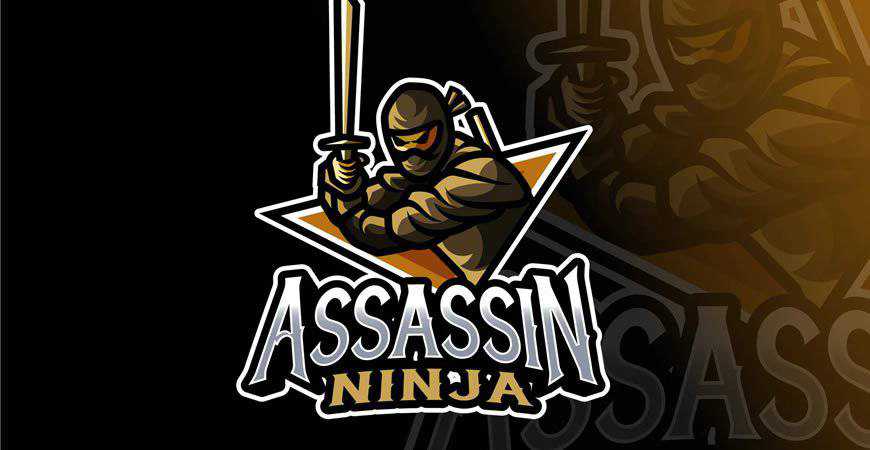
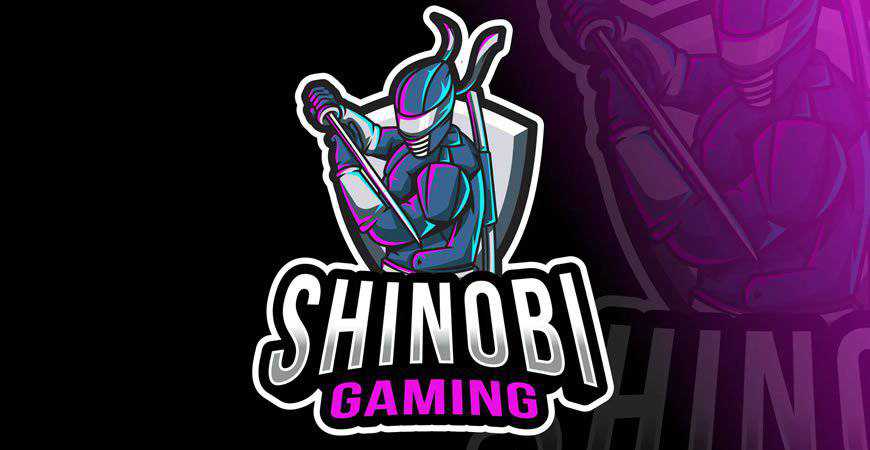
Templates such as the Ninja Assassin or Shinobi series lean into the cultural fascination with covert operations and tactical gameplay. These designs often utilize sharp, angular lines and a color palette dominated by deep purples, blacks, and electric blues. They are specifically optimized for players specializing in first-person shooters (FPS), where reflexes and tactical awareness are the primary value propositions.
2. The Futuristic and Technological Persona
The Roboto and Digital Gamer templates represent the intersection of hardware and human performance. By incorporating geometric shapes and gradients that mimic digital lighting, these designs appeal to developers, tech-centric gaming studios, and players who emphasize the "cyber" aspect of the eSports experience. These designs often feature minimalist sans-serif typography to emphasize a modern, forward-thinking brand.

3. The Aggressive Mascot Emblem
The Werewolf, Dragon, and Hunter templates are designed to project power and intimidation. These are the "powerhouse" logos intended for competitive squads aiming to strike fear into opponents. In terms of color theory, these designs frequently utilize high-intensity orange, red, or neon green against dark backgrounds to ensure visibility on low-light streaming interfaces.
4. The Retro-Revivalist Aesthetic
Capitalizing on the nostalgia cycle, many creators are returning to 1980s-inspired aesthetics. Templates like the Handheld Gaming or Retro Gaming Club logos utilize chunky, pixelated typography and color palettes reminiscent of 8-bit consoles. This aesthetic is particularly effective for streamers who focus on community building and long-form, narrative-driven content, as it invokes a sense of warmth and familiarity.
Technical Considerations for Designers
For professional designers entering this space, the technical requirements of a gaming logo are stringent. Because these assets are frequently printed on high-volume merchandise—such as jerseys, mousepads, and apparel—vector files (AI/EPS) are non-negotiable.

Key considerations include:
- Scalability: The logo must maintain its integrity when scaled from a 50×50 pixel avatar to a 3-foot wide arena banner.
- Color Versatility: While "bold and bright" is the industry standard, a successful logo must also be legible in monochrome or grayscale for printing on official documents or dark-mode UI elements.
- Negative Space: The use of negative space, as seen in the Gamer Joystick template, allows for a more sophisticated, memorable design that stands out against the more crowded, detail-heavy mascot alternatives.
The Broader Economic Implications
The proliferation of these templates has effectively lowered the barrier to entry for aspiring professional organizations. By reducing the time and cost associated with custom branding, these tools allow teams to pivot their resources toward player salaries, travel expenses for tournaments, and high-end production equipment.
Market analysts observe that as the eSports industry continues to mature, we are likely to see a trend toward "brand refreshing." Organizations that began with generic mascot templates are now evolving into more abstract, minimalist corporate identities as they attract non-endemic sponsors (brands outside the gaming industry, such as insurance, automotive, and financial services firms). This evolution suggests that the current generation of templates serves as a vital "starter kit," helping entities establish their presence before they transition into bespoke, high-level corporate branding.
Strategic Deployment: Where to Showcase Your Identity
A logo’s effectiveness is predicated on its placement. In the current digital ecosystem, professional gamers are advised to maintain a consistent visual presence across the following platforms:
- Live-Streaming Overlays: The logo should be integrated into the stream’s "scene" transitions, alerts, and offline screens.
- Social Media Headers: Twitter, Instagram, and Discord require specific aspect ratios that must be accounted for during the design phase.
- In-Game Apparel: For competitive teams, the logo must be optimized for jersey embroidery and screen printing.
- Digital Hubs: The logo acts as the primary icon for the player’s personal website, donation pages, and partner affiliate links.
Conclusion: The Future of Competitive Branding
The gaming logo is no longer an afterthought; it is the cornerstone of a player’s personal brand and a team’s professional reputation. As the lines between traditional sports and eSports continue to blur, the demand for high-quality, professional-grade design templates will only increase. By utilizing current, versatile, and well-structured assets, designers can ensure that their clients are equipped to compete at the highest levels, both in the game and in the marketplace. Whether for an individual streamer or a professional organization, a well-forged logo is the first step toward building a lasting legacy in the digital arena.