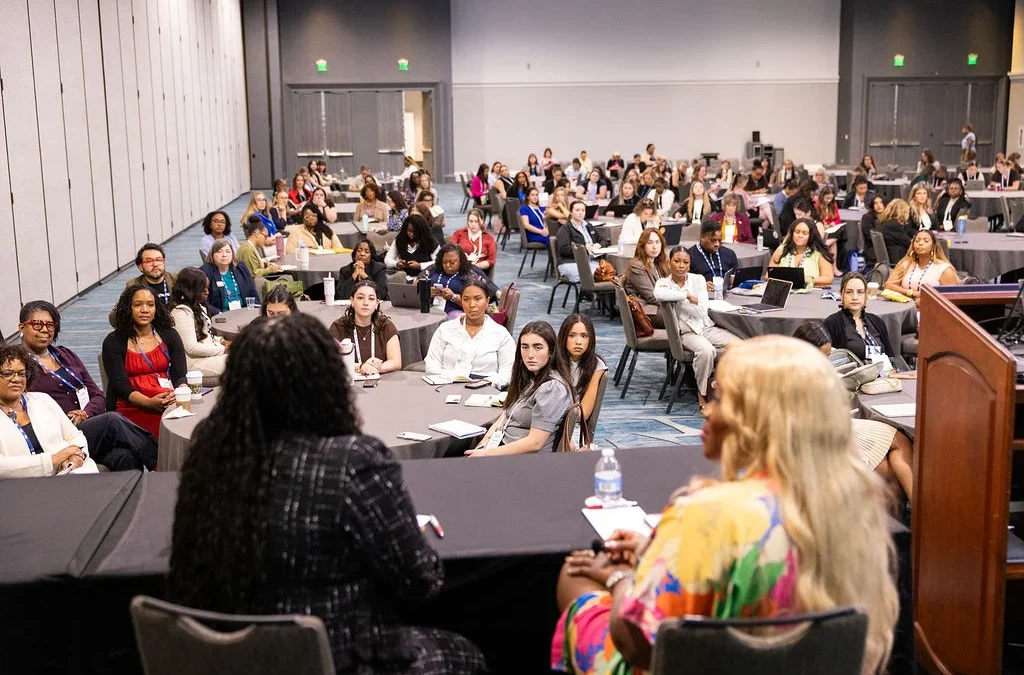
Contextualizing PRSA ICON 2026
PRSA ICON stands as the flagship annual conference for the Public Relations Society of America, drawing thousands of practitioners, agency leaders, and corporate communication executives. In 2026, the conference focused heavily on the intersection of technological disruption, the shifting media landscape, and the urgent need for diversity, equity, and inclusion within the C-suite. Against the backdrop of a rapidly changing global economy, the presence of leaders like Browne and Barry underscored a broader industry push to move from performative inclusion to tangible, structural change.

The Divergent Paths of Leadership
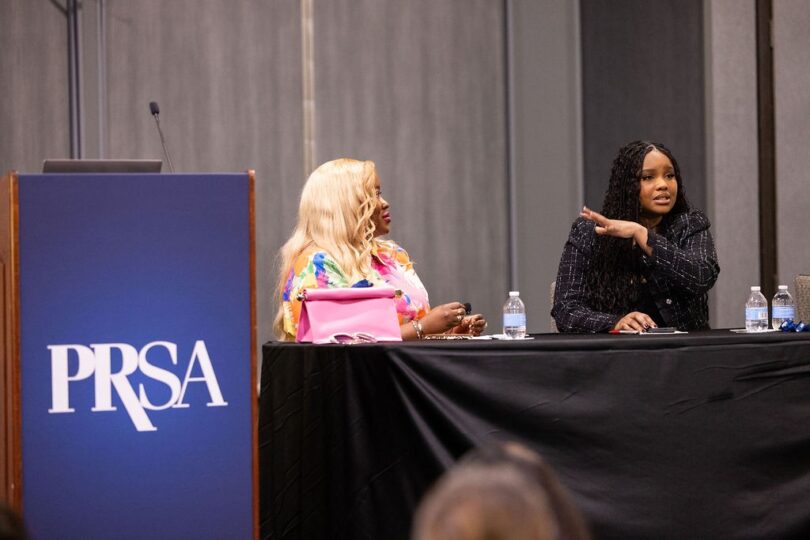
The session highlighted two distinct but complementary approaches to career advancement. Sabrina Browne’s professional journey represents the institutional path; she has spent years operating within the upper echelons of global organizations, providing strategic counsel to CEOs and navigating high-stakes reputational crises. Her work centers on the "room where it happens"—the boardroom, where communication strategy directly impacts stock value, corporate reputation, and stakeholder trust.
Conversely, Fatou Barry represents the entrepreneurial disruptor. By founding The PR Girl Manifesto, Barry identified a systemic gap in the industry: a lack of accessible, community-driven support systems for women, especially those early in their careers. Her platform has evolved from an idea into a robust ecosystem that provides networking, mentorship, and advocacy. By building a space that traditional industry hierarchies failed to provide, Barry demonstrated that the modern PR leader does not merely wait for a seat at the table; they build new tables that better serve the diversity of the industry’s workforce.
Data-Driven Insights on Women in Communications
While women have long constituted a majority of the public relations workforce, parity at the executive level remains an ongoing challenge. According to industry data, while roughly 70% of PR practitioners are women, the percentage of women in top-tier executive roles—such as Chief Communications Officer or Agency President—is significantly lower, often fluctuating between 30% and 40%. Furthermore, for women of color, these percentages drop even more sharply.
The discussion at ICON 2026 underscored that "presence" is not merely about physical attendance in a meeting. It is a strategic competency. Browne and Barry argued that for women to close the leadership gap, the industry must transition from a model of "mentorship"—which can be passive—to "sponsorship," where established leaders actively advocate for, promote, and invest in emerging talent. This shift is critical for long-term retention. Statistics suggest that employees with active sponsors are 22% more likely to receive a promotion than those without, highlighting the tangible economic impact of the professional relationships discussed during the session.
The Mechanics of Influence: Presence with Purpose
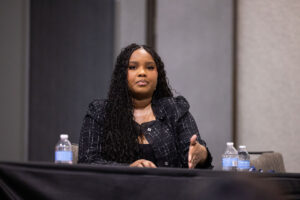
A core theme of the session was the concept of "Presence with Purpose." For Browne, this involves the rigorous development of professional judgment. She noted that in high-pressure environments, a leader’s value is determined by their ability to provide clarity amidst noise. For women, this is often compounded by the "double bind"—the sociological phenomenon where women in leadership must balance being assertive (to be seen as competent) with being communal (to be seen as likable).
The speakers argued that the most effective way to navigate this is to ground leadership in authentic values. By remaining connected to their personal experiences and the diverse perspectives they bring to the table, women can move from being "advisors" to being "architects" of corporate culture. This involves challenging the status quo, pushing for ethical decision-making, and ensuring that communication functions are not just defensive units, but engines of growth and social responsibility.
Entrepreneurship as an Act of Structural Correction
Fatou Barry’s journey provides a blueprint for what happens when practitioners stop waiting for institutional permission to lead. The PR Girl Manifesto serves as an example of "community-as-infrastructure." In an era where many professionals report feelings of isolation—particularly in hybrid or remote work environments—Barry’s model emphasizes that relationships are the primary currency of the industry.
The implications of this for the broader market are significant. Agencies and corporate departments that fail to provide meaningful networking and development opportunities risk losing top talent to these decentralized, community-driven platforms. The rise of these independent networks suggests a shift in power dynamics: professionals are increasingly prioritizing environments where they feel seen, supported, and challenged, rather than just employed.

Industry Implications and Future Outlook
The conversation in Orlando did not conclude with the end of the session. It left attendees with a mandate: leadership is a function of impact, not just title. The speakers challenged those in attendance who hold the power to hire and promote to look beyond traditional recruiting pipelines.
- Strategic Sponsorship: Organizations must formalize sponsorship programs that connect high-potential women of color with executive-level sponsors who can open doors to boardrooms and senior management committees.
- Community Integration: Firms should look to partner with or support independent platforms like The PR Girl Manifesto to tap into diverse, highly engaged talent pools that may not be accessible through traditional HR channels.
- Value-Based Leadership: The next generation of leaders is looking for organizations that align with their personal values. Transparency in corporate communications and a demonstrated commitment to social issues are no longer "nice-to-haves"; they are prerequisites for talent retention.
A Legacy of Advocacy
As the session drew to a close, the focus shifted to the concept of legacy. Browne and Barry emphasized that the ultimate measure of success is the "multiplier effect"—the extent to which one’s own ascent allows others to follow. For the women shaping the future of communications, the goal is to dismantle the barriers that once hindered them so that the next generation can focus entirely on the work itself.

The impact of this session, as reflected in the reception from attendees, suggests a growing hunger for this type of candid, actionable discourse. By bringing together the experiences of global corporate counsel and independent entrepreneurship, the PRSA ICON 2026 session provided a comprehensive look at the multifaceted nature of modern PR leadership. As these women continue to shape the industry, the definition of a "leader" is becoming more inclusive, more resilient, and more focused on the collective advancement of the profession.
In conclusion, the discourse led by Sabrina Browne and Fatou Barry serves as a reminder that the evolution of public relations is not an accidental phenomenon. It is a deliberate, collaborative process led by professionals who understand that their presence is a catalyst for change. As the industry moves toward 2027 and beyond, the influence of these voices will undoubtedly continue to dictate the standards of excellence, the nature of corporate responsibility, and the composition of the executive suites that define the global communications landscape. The future of PR is not just being managed; it is being actively authored by those who have decided that they will no longer wait for a definition of leadership that does not include them.