The landscape of the smart home industry is currently defined by a widening disparity between market leaders, particularly regarding the lifecycle of hub-based display hardware. While Amazon has aggressively iterated on its Echo Show product line to maintain a competitive edge, Google has remained notably conservative, leaving its Nest Hub ecosystem in a state of extended stasis. This divergence has become particularly acute during the current Black Friday sales cycle, where significant discounting on modern Amazon hardware has highlighted the lack of a viable, contemporary successor to the aging Nest Hub portfolio.
A Chronology of Hardware Stagnation
The current frustration among Google ecosystem users stems from a clear timeline of hardware releases that suggests a shift in strategic focus away from proprietary smart display development. The Google Nest Hub (2nd Gen), which serves as the cornerstone of many smart home setups, was released in March 2021. Even then, the device utilized technology and design language largely derived from its predecessor, the original Nest Hub launched in 2018.
The situation is even more pronounced for those utilizing the Nest Hub Max, the company’s premium smart display offering. Released in September 2019, the device has now exceeded a five-year lifecycle without a formal hardware refresh. In the fast-paced consumer electronics sector, where processors, display panels, and artificial intelligence integration cycles typically run on 18-to-24-month cadences, five years represents an eternity.

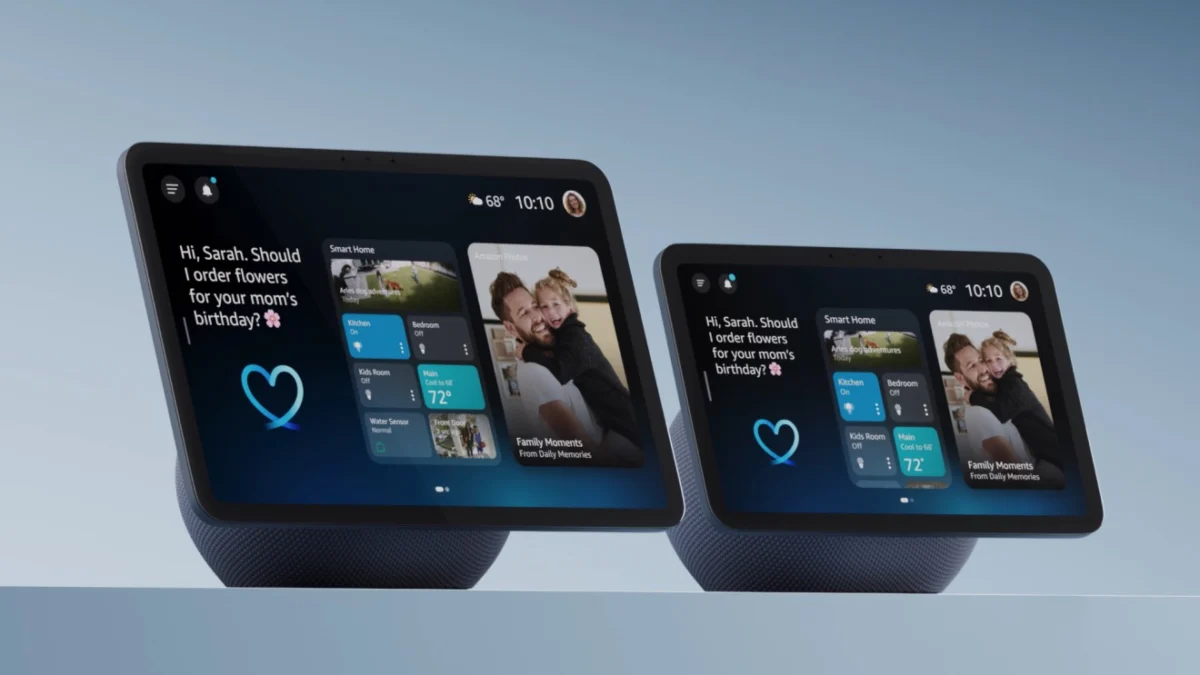
Conversely, Amazon has maintained a rigorous release schedule for the Echo Show. Since the introduction of the first Echo Show in 2017, Amazon has systematically expanded the line to include varying form factors, ranging from the compact Echo Show 5 to the wall-mountable Echo Show 15. The recent launch of the latest Echo Show models, featuring 8.7-inch and 11-inch variants, underscores Amazon’s commitment to hardware evolution. These units boast higher-resolution displays, improved acoustic architecture, and updated system-on-chip (SoC) configurations that facilitate faster processing of voice commands and media streaming.
Market Dynamics and Competitive Pressure
The smart display market is no longer a two-horse race between Amazon and Google. The entry of other major technology conglomerates has intensified the pressure on legacy providers. Apple, for instance, has recently entered the smart display space, targeting the premium segment and further squeezing Google’s market share. Market analysts have noted that as the smart home moves toward a more unified "Matter" standard, the hardware used to interact with these devices has become more critical than ever.
Data from recent consumer electronics market reports indicate that while Google maintains a strong foothold in voice-assistant software through Google Assistant, its hardware sales have plateaued due to the lack of new incentivizing products. In contrast, Amazon’s strategy of utilizing deep discounting during major retail events like Black Friday—where devices are frequently marked down by $100 or more—serves two purposes: it clears older inventory and lowers the barrier to entry for new users, thereby cementing the Echo ecosystem within the household.
The Technical and Aesthetic Divide
The primary criticisms leveled against the current Nest Hub lineup are focused on performance latency and display fidelity. The 2021 Nest Hub, while functional for basic smart home control, often struggles with the demands of modern media-rich interfaces. As users demand more from their smart displays—such as high-definition video conferencing, sophisticated security camera integration, and advanced AI-driven dashboards—the hardware limitations of the legacy Nest devices become increasingly apparent.

Amazon’s latest offerings address these pain points directly. The new 11-inch Echo Show, for example, utilizes a display with improved color accuracy and brightness levels, making it more effective as a digital photo frame or a kitchen companion for recipe viewing. Furthermore, the acoustic performance in these new units has been overhauled, providing a richer, more balanced sound signature that the aging Nest Hub speakers simply cannot match. By offering a premium physical aesthetic that blends more seamlessly into modern home decor, Amazon has successfully positioned its hardware as a lifestyle upgrade rather than just a utilitarian tool.
Implications for the Google Home Ecosystem
The lack of a "Nest Hub 3" or a meaningful "Nest Hub Max" successor has forced loyalists into a difficult position. For users who have invested heavily in the Google Home ecosystem—purchasing smart bulbs, thermostats, and security cameras compatible with the Google Home app—the prospect of switching to an Amazon Echo device involves more than just a hardware swap; it involves migrating a complex, interconnected digital infrastructure.
However, the "switching cost" is beginning to feel outweighed by the "opportunity cost" of sticking with obsolete hardware. If a user’s primary interface for their smart home—the display—is slow, unresponsive, or visually dated, the entire smart home experience suffers. This has led to a rise in "hybrid" homes, where users retain their Google-based smart home back-end while supplementing their living spaces with Amazon Echo displays for visual interaction.
Official Stance and Future Outlook
Google has remained largely tight-lipped regarding its roadmap for smart displays. In internal communications and occasional public statements, the company has emphasized its pivot toward software and AI-driven experiences, particularly through the Gemini model. Some industry observers suggest that Google may be waiting to integrate its next-generation AI agents into hardware that is specifically optimized for multi-modal interaction.

While there have been leaks and rumors regarding a new "Google Home display" appearing in regulatory filings, no official product launch has materialized. For the time being, the silence from Mountain View regarding the Nest hardware division is perceived by many in the industry as a sign that the company is re-evaluating its hardware strategy. Whether this results in a streamlined approach focused on third-party integration or a sudden, high-end hardware reveal remains a matter of significant debate.
The Broader Impact on Consumer Trust
The long-term impact of this stagnation extends beyond a single product category. When a consumer trusts a brand to provide a foundational piece of their domestic infrastructure, they expect a reasonable degree of support and innovation. When that trust is met with a lack of development, it creates an opening for competitors to capitalize on user dissatisfaction.
As we move through the final quarter of the fiscal year, the retail data is clear: consumers are voting with their wallets. The aggressive Black Friday pricing for Echo Show devices is not merely a seasonal tactic; it is an assertion of dominance in a space that Google appears, at least for the moment, to have abandoned. For those still waiting for a Nest Hub refresh, the timeline has shifted from an expectation of "soon" to a state of indefinite uncertainty.
Conclusion
The current state of the smart display market serves as a masterclass in the necessity of product lifecycle management. Amazon’s ability to iterate on its Echo Show hardware ensures that its customers feel supported and that their home devices remain at the cutting edge of performance. Google, by contrast, has allowed its once-pioneering Nest Hub line to fade into the background, creating a vacuum that is rapidly being filled by competitors. As consumers increasingly prioritize speed, display quality, and AI-integrated functionality, the decision to hold onto legacy Google hardware becomes harder to justify. Unless Google makes a decisive move to refresh its smart display lineup, the trend of users gravitating toward the Echo ecosystem will likely continue, further diminishing the relevance of the Nest brand in the modern smart home.