The Digital Content Revolution How Diversified Revenue Streams and Audience Ownership Are Replacing Traditional Search Engine Optimization Strategies

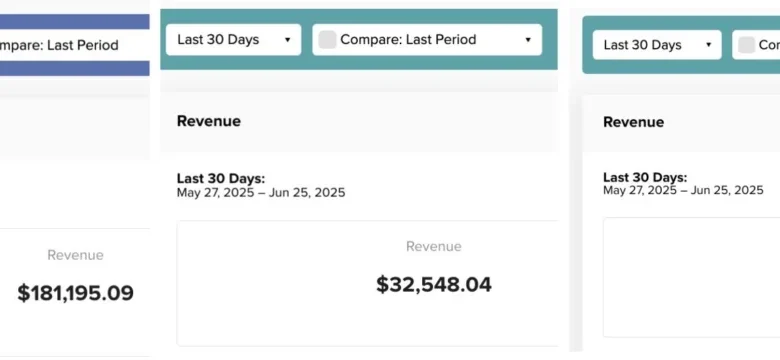
The landscape of digital publishing is undergoing a fundamental transformation as independent content creators pivot away from a long-standing reliance on search engine optimization (SEO) toward diversified, multi-channel revenue models. For over a decade, the standard blueprint for digital success involved optimizing content for Google’s algorithms to capture organic search traffic, which was then monetized through display advertisements. However, recent shifts in search engine behavior—including the integration of generative artificial intelligence and frequent "Helpful Content Updates"—have rendered SEO-only strategies increasingly volatile. In response, a new class of "creator-publishers" has emerged, successfully generating monthly profits exceeding $100,000 by prioritizing direct audience ownership and social media-driven traffic over traditional search rankings.
The Shift from SEO Dependency to Audience Ownership
The traditional niche site model, which relied heavily on "long-tail" keywords to attract passive search traffic, has faced significant headwinds over the last 18 months. As search engines prioritize large-scale authoritative domains and AI-generated summaries, smaller independent publishers have seen their organic visibility fluctuate or decline. This environment has necessitated a "niche publishing pivot." Industry data suggests that the most successful modern publishers are those who treat their websites not merely as repositories for search-friendly text, but as the hubs of broader media ecosystems.
Jon Dykstra, a prominent figure in the niche publishing space and founder of Fat Stacks, has documented a blueprint that reflects this industry-wide shift. By moving away from a singular focus on SEO, Dykstra has scaled three separate domains to a combined profit margin exceeding $100,000 per month. This methodology emphasizes "quality over quantity," focusing on high-value content that encourages user retention and bookmarking, rather than one-off visits from search engine result pages.
The Six-Step Framework for Modern Digital Growth
The transition from a search-dependent site to a diversified content empire involves a systematic approach to content creation, audience capture, and monetization. Analysts identify six core pillars that define this new era of digital publishing:

1. High-Value Content and Technical Infrastructure
The foundation of a profitable content site has moved beyond "filler" blog posts. Modern successful publishers utilize robust tech stacks—including high-performance hosting and specialized WordPress themes like Kadence—to ensure user experience (UX) is optimized for speed and readability. The objective is to establish the site as a definitive resource within its niche, fostering a level of trust that encourages repeat visits.
2. The Prioritization of First-Party Data
As third-party cookies are phased out and social media algorithms become more restrictive, the collection of first-party data—specifically email addresses—has become the primary insurance policy for digital businesses. Leading publishers now integrate sophisticated email service providers, such as Kit (formerly ConvertKit), and monetization platforms like SparkLoop to capture and retain visitors. By converting a transient visitor into a newsletter subscriber, the publisher gains the ability to drive traffic on demand, bypassing the "gatekeepers" of Google and Meta.
3. Diversified Monetization Beyond Display Ads
While display advertising remains a cornerstone of digital revenue, it is no longer the sole source of income for top-tier sites. Ad management platforms like Mediavine continue to provide high-yield programmatic revenue, but they are increasingly supplemented by automated affiliate marketing. Platforms such as Stay22 have revolutionized this space by automatically optimizing affiliate links across a domain, allowing publishers to earn commissions on travel, retail, and services without the manual labor of managing dozens of individual partnerships.
4. The Newsletter as a Primary Revenue Stream
The modern newsletter has evolved from a simple content delivery tool into a standalone profit center. By utilizing daily or weekly cadences, publishers can monetize their email lists through direct sponsorships, referral programs, and internal cross-promotions. The "Newsletter Flywheel" creates a self-reinforcing cycle: email subscribers are driven back to the website to view ads and affiliate offers, while simultaneously being introduced to other relevant newsletters through platforms like SparkLoop, generating referral revenue in the process.
5. Multi-Channel Traffic Generation
With organic search traffic becoming less predictable, publishers are turning to Pinterest and Facebook as high-intent traffic sources. Pinterest, in particular, functions as a visual search engine where content has a longer shelf life than on traditional social feeds. Tools such as Pin Clicks have become essential for publishers looking to tap into the commercial intent of Pinterest users, who often search for inspiration related to home decor, travel, and lifestyle products.
6. Social Media Automation and Acquisition
The final piece of the modern publishing puzzle involves leveraging "short-form" social platforms like Instagram and Threads not just for engagement, but for subscriber acquisition. Through automation tools like Manychat, publishers can convert social media comments and direct messages into email sign-ups. This allows for a 24/7 "automated sales team" that funnels social media users into the publisher’s owned ecosystem.
Chronology of the Digital Publishing Pivot
The timeline of this industry shift can be traced through several key events in the digital landscape:
- 2022 – Early 2023: Increased volatility in Google Search rankings leads to the "Helpful Content Update" (HCU), which negatively impacts many traditional niche sites.
- Mid-2023: Leading publishers begin reporting a significant shift in resource allocation, moving budgets from SEO-focused content to social media and email marketing.
- Late 2023: The rise of AI-driven search (SGE/AI Overviews) creates a "zero-click" environment, where users find answers directly on the search page, further reducing traffic to independent blogs.
- 2024 – Present: The "Flywheel Model" becomes the gold standard for independent publishing. Success stories like Dykstra’s $100,000 monthly profit milestone validate the theory that "audience ownership" is more profitable and stable than "algorithm chasing."
Supporting Data and Economic Impact
The economic implications of this shift are significant. According to recent industry reports, the "Creator Economy" is estimated to be worth over $250 billion. Within this economy, the transition from "rented" audiences (social media followers) to "owned" audiences (email subscribers) is the most critical factor in business valuation.
Data from ad management firms suggests that while SEO traffic often has a higher initial conversion rate for certain niches, "return traffic" from email and direct bookmarks has a 30% higher Lifetime Value (LTV). Furthermore, diversified sites are often valued at higher multiples—sometimes 40x to 50x monthly profit—when they go to market, because they are perceived as less risky than sites relying solely on a single traffic source.
Expert Analysis and Industry Reactions
Digital marketing analysts suggest that the era of "easy" SEO is over, but the era of "brand-building" for independent publishers has just begun. "We are seeing a professionalization of the niche site industry," says one digital media consultant. "The publishers who are surviving and thriving are the ones who treat their sites like media brands rather than just SEO projects. They are building communities, not just ranking for keywords."

Reactions from the publishing community have been mixed. While many veteran SEOs have expressed frustration with the unpredictability of search algorithms, those who have adopted the multi-channel approach report a sense of "algorithm independence." This independence allows for more creative freedom in content production, as writers no longer have to obsess over keyword density or "optimized" headers to the detriment of the reader’s experience.
Broader Impact and Future Implications
The long-term impact of this shift will likely lead to a more fragmented but resilient digital media landscape. As the "Flywheel Effect" becomes more common, we can expect to see:
- A Decline in Generic Content: Since search engines are no longer the primary gatekeepers, there is less incentive to produce "cookie-cutter" content designed solely for algorithms.
- Increased Investment in Automation: Tools that bridge the gap between social media and email (like Manychat and SparkLoop) will become standard components of the digital publisher’s toolkit.
- The Rise of the Micro-Media Conglomerate: Successful creators will continue to scale by acquiring or launching multiple domains within related niches, creating a network effect that multiplies their revenue potential.
In conclusion, the success of publishers who have crossed the $100,000 monthly profit threshold serves as a roadmap for the future of the internet. By focusing on high-quality content, capturing first-party data, and diversifying revenue streams across ads, affiliates, and newsletters, digital entrepreneurs are proving that it is possible to build a massive, sustainable business without being beholden to the whims of search engine giants. The question for the industry is no longer whether SEO is dying, but how quickly publishers can adapt to a world where the audience, not the algorithm, is king.