Scaling Digital Publishing to Six-Figure Monthly Profits Through Non-Search Traffic Strategies

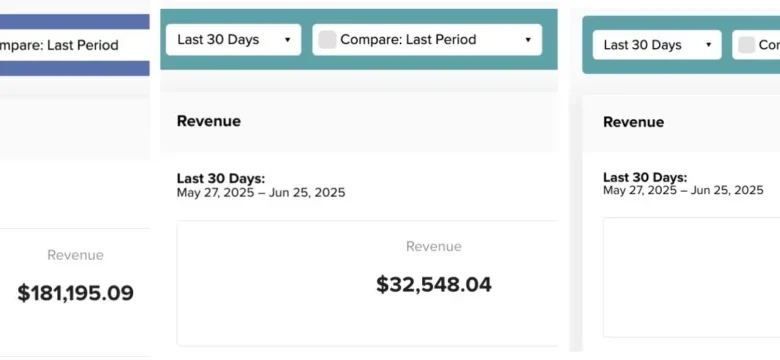
The landscape of digital publishing is undergoing a fundamental transformation as independent content creators move away from a historical reliance on search engine optimization (SEO) toward a diversified, multi-channel revenue model. This shift is exemplified by the recent operational success of veteran niche site publisher Jon Dykstra, who has documented a transition from traditional search-dependent blogging to a robust ecosystem generating over $100,000 in monthly net profit. By leveraging a combination of high-value content, email automation, social media traffic, and specialized monetization platforms, Dykstra’s three-domain portfolio has achieved a level of financial stability that challenges the conventional wisdom of the "SEO-first" era of the internet.
The Shift in Digital Asset Management
For over a decade, the standard operating procedure for niche publishers was to create content specifically designed to rank on the first page of Google. However, a series of aggressive algorithm updates, including the Helpful Content Update (HCU) and the integration of AI-driven search overviews, have introduced unprecedented volatility into the search landscape. In response, a new blueprint for digital publishing has emerged—one that prioritizes direct-to-consumer relationships and diversified traffic sources.
The methodology developed by Dykstra over an 18-month testing period represents a departure from "passive" SEO. Instead of waiting for search engines to crawl and rank pages, the modern publisher treats their website as the hub of a larger media brand. This approach focuses on "omnichannel" distribution, ensuring that a single piece of content can generate revenue through display ads, affiliate commissions, and newsletter sponsorships simultaneously, regardless of its position in search results.
A Chronology of the 18-Month Transition
The evolution of this six-figure model did not occur overnight. It was the result of a deliberate pivot that began in late 2023, as search traffic became increasingly unreliable for many independent publishers.

- Phase I: The Content Foundation (Months 1–6): The focus shifted from keyword-stuffed articles to "killer content"—material designed for high engagement and bookmarking. This phase prioritized authority and utility over search volume.
- Phase II: The Infrastructure Build (Months 7–12): Publishers began integrating advanced tech stacks. This included moving to robust email service providers like Kit (formerly ConvertKit) and establishing partnerships with high-tier ad networks like Mediavine.
- Phase III: The Traffic Diversification (Months 13–18): This period marked the aggressive expansion into social media traffic. By utilizing platforms like Pinterest for its visual search capabilities and Facebook for its community-sharing potential, publishers successfully bypassed the Google "gatekeeper."
- Phase IV: Scaling and Automation (Present): The current stage involves the use of AI and automation tools, such as Manychat, to handle subscriber acquisition on social media, creating a "flywheel" effect where traffic and revenue become self-sustaining.
The Technical Stack and Revenue Infrastructure
To achieve six-figure monthly profits, the modern digital publisher utilizes a sophisticated array of tools designed to maximize the value of every visitor. The data suggests that a visitor who joins an email list is significantly more valuable over their lifetime than a one-time search visitor.
Display Advertising and Affiliate Integration
Display ads remain the primary revenue stream for many content sites. Mediavine, an industry-leading ad management firm, has become the gold standard for publishers reaching high traffic thresholds. Unlike lower-tier ad networks, Mediavine optimizes for high revenue per mille (RPM), ensuring that even modest traffic volumes can yield substantial returns.
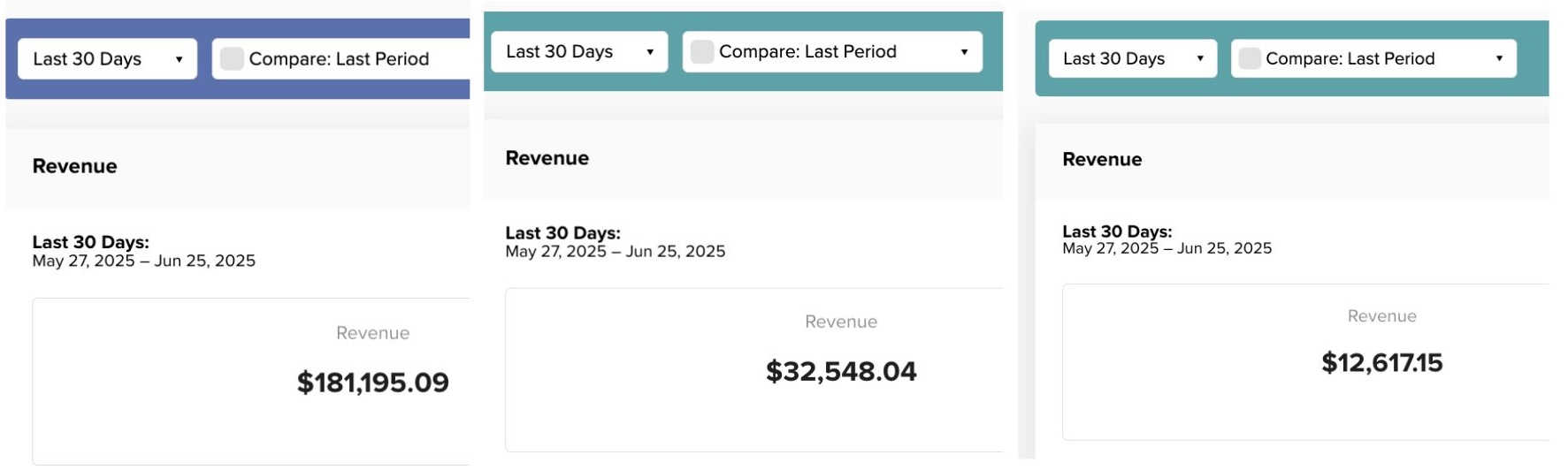
Parallel to display ads is the integration of automated affiliate platforms. Stay22, a sitewide affiliate tool, has emerged as a critical component of the monetization stack. By automatically converting standard links into affiliate links and optimizing for the highest payouts, publishers can generate significant commissions without the manual labor of managing hundreds of individual affiliate relationships. Data from June 2025 indicates that these automated systems can contribute tens of thousands of dollars to the monthly bottom line.
The Email Newsletter Flywheel
The core of the "SEO-proof" model is the email newsletter. Industry benchmarks suggest that for every dollar spent on email marketing, the average return is approximately $36 to $42. Dykstra’s model utilizes SparkLoop, a newsletter growth platform, to monetize the signup process itself. Through "recommendations," a publisher can earn revenue simply by suggesting other high-quality newsletters to their new subscribers.
Furthermore, a daily newsletter serves as a re-engagement tool. By sending subscribers back to the website, publishers create a secondary wave of ad impressions and affiliate clicks. This "loop" ensures that the audience remains active and the revenue remains consistent, even during periods of low organic search visibility.
Strategic Traffic Generation Beyond Google
The reliance on Google has been replaced by a two-pronged strategy involving Pinterest and Facebook. Pinterest functions less as a social network and more as a visual search engine with high commercial intent. Tools like PinClicks allow publishers to analyze trending topics and deploy visual content that drives thousands of targeted visitors to their sites daily.
On the social side, the rise of "conversational commerce" through platforms like Instagram and Threads has changed subscriber acquisition. By using Manychat, publishers can automate interactions. When a user comments on a post, the system automatically sends a direct message with a link to join the email list. This automation allows for 24/7 lead generation without manual intervention, effectively turning social media followers into owned email assets.
Market Context and Industry Implications
The broader digital publishing industry is watching these developments closely. Market analysts note that the "death of the niche site" has been greatly exaggerated; rather, it is the death of the low-quality niche site that relied solely on search traffic.
The move toward an omnichannel approach reflects a broader trend in the creator economy. As platforms like TikTok and Instagram become more crowded, the value of "owned" media—websites and email lists—has skyrocketed. Financial data indicates that digital assets with diversified traffic and high-profit margins are currently being valued at 35x to 45x their monthly net profit in the acquisition market. A domain generating $100,000 in monthly profit could potentially be valued at upwards of $4 million, making these sites significant financial instruments.
Challenges and Risk Mitigation
While the six-figure monthly model is lucrative, it is not without risks. The primary challenge lies in the complexity of the moving parts. Unlike the SEO models of the past, this system requires constant monitoring of social media algorithms, email deliverability rates, and ad performance.
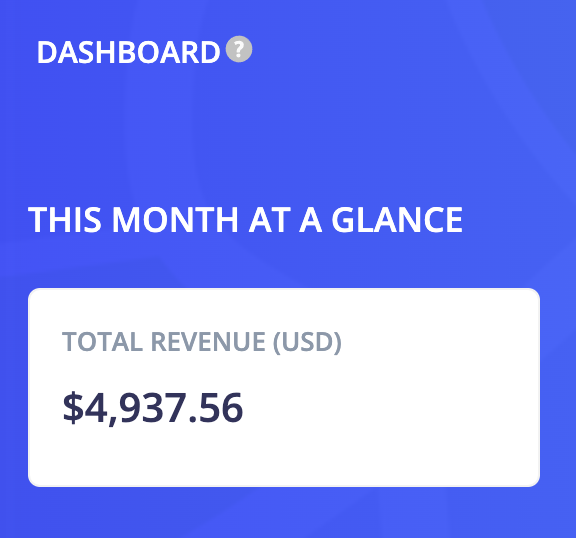
To mitigate these risks, successful publishers are adopting a "portfolio" approach. By running multiple domains across different niches—as Dykstra does with his three-domain setup—publishers can insulate themselves against a downturn in any single industry or platform. Furthermore, the use of professional training, such as Scott DeLong’s newsletter strategies or Brian’s SocialBuddy courses for Instagram, highlights the professionalization of the field. Creators are no longer just bloggers; they are media executives managing complex digital properties.
Broader Impact on the Digital Economy
The success of this non-SEO model has profound implications for the future of the internet. It suggests a move toward a "fragmented" web where users find content through curated newsletters and social communities rather than a single search bar. This decentralization could lead to a more resilient ecosystem for independent journalists and hobbyist publishers who have felt marginalized by the dominance of large media conglomerates in search results.
As Jon Dykstra and other high-level publishers continue to scale, they provide a roadmap for the next generation of digital entrepreneurs. The transition from a "mortgage-paying domain" to a multi-million dollar digital empire is now a documented reality. The question for the industry is no longer whether search traffic is necessary, but how quickly publishers can adapt to a world where it is merely one of many tools in a larger arsenal.
Conclusion and Future Outlook
The data-driven success of Jon Dykstra’s 18-month pivot confirms that the path to high-level profitability in digital publishing now runs through audience ownership and technical automation. By focusing on "killer content" and building a self-reinforcing revenue flywheel, publishers can achieve financial independence that is immune to the whims of search engine giants. As the digital economy continues to evolve, those who embrace these diversified strategies are positioned to lead the next era of online media, turning individual domains into powerful, sustainable revenue engines.