Understanding Social Media Monitoring: Tracking Brand Mentions, Sentiment, and Turning Insights into Action

Social media monitoring serves as a critical strategic function for brands navigating the complex digital landscape, offering real-time intelligence on public perception, emerging trends, and direct consumer feedback. In an era dominated by instantaneous communication and pervasive online discourse, the ability to systematically track, analyze, and react to conversations surrounding a brand is not merely an advantage but a fundamental requirement for sustained success. This comprehensive guide delves into the mechanisms of social media monitoring, its profound importance, and how organizations can leverage these insights to refine strategies across marketing, product development, customer service, and reputation management.
The Evolution of Digital Engagement and the Imperative of Monitoring

The genesis of social media monitoring is intrinsically linked to the explosive growth of social platforms over the past two decades. What began as informal online communities has transformed into a global town square where billions of users share opinions, experiences, and engage directly with brands. This shift fundamentally altered the power dynamic between companies and consumers. No longer is brand perception solely shaped by carefully crafted advertising campaigns; it is now heavily influenced by user-generated content, reviews, and real-time conversations.
Prior to the widespread adoption of social media, consumer feedback was primarily gathered through surveys, focus groups, and direct customer service channels, processes that were often slow, costly, and limited in scope. The advent of platforms like Facebook, Twitter (now X), Instagram, and TikTok created an unprecedented, always-on feedback loop. This digital revolution made it imperative for brands to not only establish an online presence but also to actively listen to the vast amount of data being generated. Social media monitoring emerged as the systematic process to harness this "free consumer intelligence," transforming unstructured social data into actionable business insights. Industry reports frequently underscore this necessity; for instance, a 2023 study by Statista indicated that global social media users surpassed 4.8 billion, generating an unparalleled volume of digital dialogue that brands cannot afford to ignore.
Core Mechanics: How Social Media Monitoring Operates

At its heart, social media monitoring is the continuous process of identifying and collecting mentions of a brand, its products, services, competitors, or relevant industry keywords across various social media channels. This encompasses both direct mentions (where a brand’s official account is tagged) and indirect mentions (where the brand is discussed without a direct tag), as well as comments on owned content and broader conversations occurring elsewhere on the social web.
The operational framework of social media monitoring typically involves several key components:
- Keyword Tracking: This is the foundation, involving the systematic search for specific terms such such as brand names, product names, campaign hashtags, key personnel names, and even common misspellings or slang associated with the brand.
- Mention Aggregation: Advanced monitoring tools automatically gather all instances where these keywords appear across social platforms, forums, blogs, news sites, and review platforms. This aggregation consolidates disparate data points into a centralized dashboard.
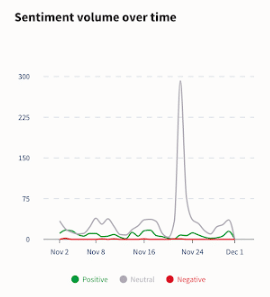
- Sentiment Analysis: Beyond simply identifying mentions, monitoring tools employ natural language processing (NLP) and machine learning to analyze the emotional tone of conversations. This determines whether the sentiment towards a brand or topic is positive, negative, or neutral, providing a crucial indicator of public perception.
- Trend Identification: By analyzing the volume and nature of mentions over time, monitoring helps identify spikes in conversation, emerging topics, and shifts in public interest. This can signal the rise of a new meme, a potential crisis, or a popular new product feature request.
- Geographic and Demographic Analysis: Many tools can segment mentions by location, language, and user demographics, offering insights into which audiences are discussing the brand and where.
- Influencer Identification: Monitoring can reveal key opinion leaders or influential users who are discussing the brand, presenting opportunities for partnership or engagement.
Together, these analytical signals transform everyday social chatter into a structured data stream, enabling teams to respond effectively and strategically.

Distinguishing Monitoring from Listening: A Crucial Distinction
While often used interchangeably, social media monitoring and social media listening serve distinct, albeit complementary, purposes. Understanding this difference is crucial for developing a robust digital strategy.
-
Social Media Monitoring (Reactive & Tactical): Monitoring is primarily focused on what is being said and when. It’s about collecting data in real-time to facilitate immediate responses. The goal is often to track specific mentions, identify customer service issues, manage immediate reputation risks, and engage directly with users who are discussing the brand. As Perakakis, Mastorakis, and Kopanakis highlighted in their 2019 research, social media monitoring tools are instrumental in "determining when and how to respond back to customers." For example, if a customer tweets about a problem with their Warby Parker glasses, monitoring ensures the brand’s social team sees and responds promptly, as demonstrated by the brand’s active engagement on platforms like X.
-
Social Media Listening (Proactive & Strategic): Listening, on the other hand, involves taking a step back to analyze the why behind the conversations. It’s about extracting broader patterns, identifying underlying trends, and understanding the overarching sentiment over time. While monitoring captures the individual comments, listening interprets the collective narrative. This deeper analysis informs long-term strategic decisions, such as product development, campaign planning, and market positioning. For instance, while monitoring flags a surge in negative comments about a new product, listening would analyze why those comments are negative, identifying common pain points or unexpected uses that can inform future iterations or marketing adjustments.
Both are vital. Monitoring provides the raw data and the immediate engagement opportunities, while listening provides the strategic intelligence derived from that data. A holistic approach integrates both.
Strategic Imperatives: Why Brands Prioritize Social Media Monitoring
The benefits of social media monitoring extend far beyond simple customer service, touching virtually every facet of a business.
-
Understanding Your Audience with Granular Detail: Social media monitoring provides an unfiltered view of who your audience is, what they care about, and how they perceive your brand. By tracking not just direct mentions but also conversations where your brand isn’t explicitly tagged, companies gain a more complete demographic and psychographic profile of their customers and prospects. This includes insights into their language, preferred platforms, interests, and pain points, which are invaluable for tailoring messaging and developing relevant products.
-
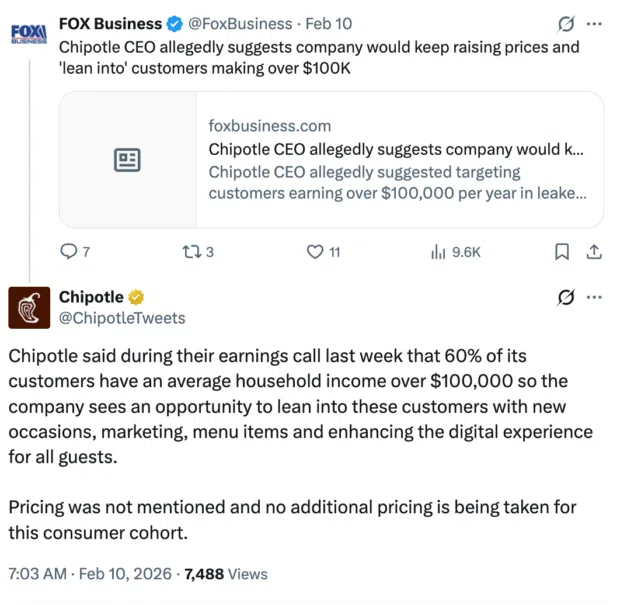
Nipping Potential Disasters in the Bud: Crisis Prevention and Reputation Management: In the digital age, a minor customer complaint can escalate into a full-blown brand crisis within hours. Social media monitoring acts as an early warning system. By establishing a baseline of normal sentiment and mention volume, brands can quickly detect unusual spikes in negative feedback or controversial discussions. Real-time alerts empower social and PR teams to respond swiftly, offering explanations, apologies, or corrective actions before a situation spirals out of control. Chipotle’s rapid response to a negative headline regarding its CEO’s alleged targeting of higher-income customers exemplifies how proactive monitoring and communication can mitigate reputational damage. Conversely, monitoring also helps identify positive momentum, allowing brands to amplify successful content or positive user-generated campaigns by allocating additional budget or resources.
-
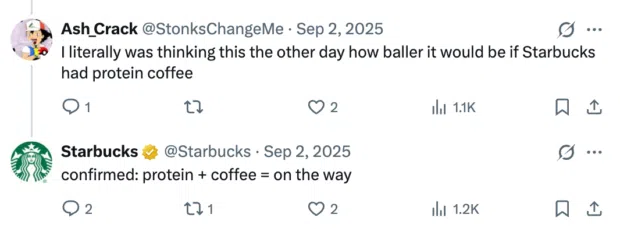
Informing and Optimizing Marketing Campaigns: Monitoring provides instantaneous feedback on the performance of marketing campaigns. Brands can gauge public reaction to new ads, product launches, or content initiatives in real time, enabling agile adjustments. Beyond campaign-specific insights, monitoring surfaces broader trends, popular hashtags, and relevant memes that can be integrated into future marketing efforts. Starbucks, for example, frequently engages with customer requests and feedback on X, demonstrating how monitoring can inspire new product ideas or inform campaign themes. Competitive monitoring also plays a crucial role here, allowing brands to analyze what resonates with their rivals’ audiences and identify successful or failed strategies.
-
Understanding Your Competitive Space and Market Dynamics: Social media monitoring extends beyond a brand’s own ecosystem to encompass competitors and the broader industry. This provides critical competitive intelligence, allowing brands to benchmark their performance, identify market gaps, and anticipate competitor moves. Key insights include:
- Competitor Campaign Performance: What are rivals launching, and how are audiences reacting?
- Customer Sentiment Towards Competitors: Are there common complaints or praises directed at competitors that your brand can address or capitalize on?
- Industry Trends and Disruptors: Monitoring helps identify emerging technologies, changing consumer preferences, or new market entrants that could impact the industry.
- Reputation Management Strategies: Learning from competitors’ successes and failures in handling online crises or engaging with their communities.
-
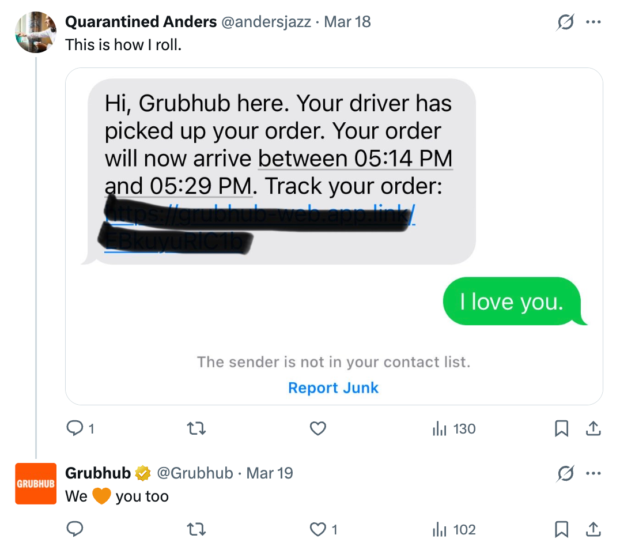
Engaging with Your Audience and Fostering Loyalty: While scheduled posts are essential, the true power of social media lies in genuine interaction. Monitoring ensures that direct mentions, questions, and feedback are addressed promptly, improving customer satisfaction and demonstrating responsiveness. More profoundly, it allows brands to discover and engage with conversations where they aren’t directly tagged. These moments present organic opportunities to turn a frustrated customer into a loyal advocate, delight an existing fan, or convert a potential buyer by offering helpful information or a timely intervention, as seen in Grubhub’s active engagement with positive customer tweets. This proactive engagement builds stronger community ties and humanizes the brand.
Crafting an Effective Monitoring Strategy: A Step-by-Step Methodology
Developing a successful social media monitoring strategy requires careful planning and execution.
-
Define Clear Goals: The initial step is to articulate what the brand aims to achieve through monitoring. These goals should be SMART (Specific, Measurable, Achievable, Relevant, Time-bound). Common objectives include:

- Improving customer satisfaction by reducing response times.
- Enhancing brand reputation by proactively addressing negative sentiment.
- Identifying new product ideas or feature requests.
- Tracking the success of marketing campaigns.
- Gaining competitive insights.
- Preventing and managing crises.
- Understanding audience demographics and psychographics.
Defining these goals dictates what data needs to be collected and how it will be analyzed.
-
Decide What to Track: Based on established goals, a comprehensive list of keywords and phrases must be compiled. This should be dynamic and regularly updated. Essential tracking elements include:
- Brand Names: Official names, common misspellings, abbreviations.
- Product/Service Names: Including variations and specific model numbers.
- Campaign-Specific Hashtags and Keywords: For active marketing initiatives.
- Key Personnel Names: Especially for public figures or company leadership.
- Competitor Names and Products: To gather competitive intelligence.
- Industry-Specific Terms: To identify broader trends and relevant discussions.
- Common Customer Service Keywords: "Problem," "issue," "help," "support," etc., combined with brand names.
- Location-Specific Terms: If the brand operates in multiple regions.
- Multiple Language Variations: For brands with a global audience.
-
Select the Right Tools: While manual monitoring is possible for very small operations, it quickly becomes unsustainable. Dedicated social media monitoring and listening tools automate the collection, organization, and analysis of data. Key considerations when choosing a tool include:
- Platform Coverage: Which social networks, forums, and news sites does it monitor?
- Sentiment Analysis Capabilities: How accurate and nuanced is its sentiment detection?
- Alerts and Notifications: Can it provide real-time alerts for critical mentions or sentiment shifts?
- Reporting and Analytics: Does it offer customizable dashboards and insightful reports?
- Integration: Does it integrate with existing CRM, customer service, or social media management platforms?
- Scalability: Can it grow with the brand’s needs?
-
Share Insights Across Teams: The true value of social media monitoring is unlocked when insights are disseminated and acted upon by relevant departments.

- Social Media & Customer Service: These teams are on the front lines, responding directly to mentions, resolving issues, and engaging with the community.
- Marketing & PR: Insights inform campaign optimization, content strategy, and proactive reputation management.
- Product Development: Customer feedback on desired features, pain points, and product improvements directly influences the product roadmap.
- Sales: Identifying potential leads, understanding purchase intent, and addressing pre-sale questions.
- Executive Leadership: High-level summaries of brand health, market sentiment, and competitive landscape support strategic decision-making.
A seamless flow of information ensures that the "voice of the customer" heard on social media translates into tangible improvements and strategic advantage.
Implementing Monitoring: Tools and Techniques
Leading platforms offer robust capabilities for effective social media monitoring. Hootsuite, for example, provides integrated solutions that streamline this process.
-
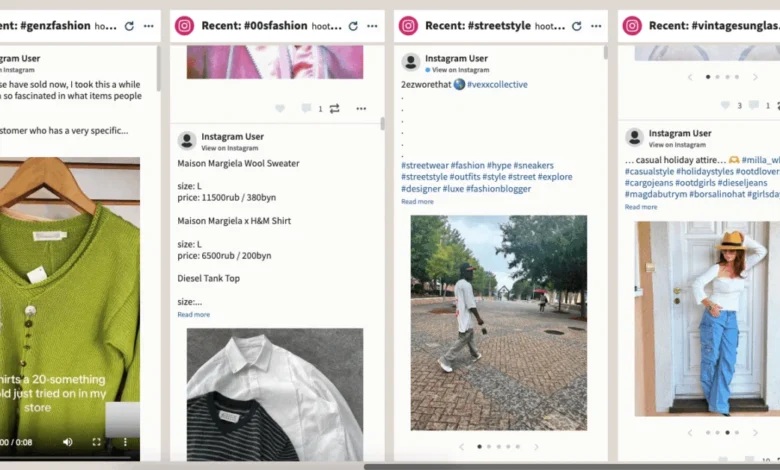
Tracking Data with Hootsuite Streams: Hootsuite Streams allow users to set up customizable feeds to monitor mentions, keywords, and hashtags across various social networks from a single dashboard. These streams can be organized into boards dedicated to specific aspects, such as:

- Brand mentions
- Competitor activity
- Industry trends
- Customer service queries
This modular approach ensures that relevant conversations are easily accessible. Users can also enhance their monitoring by integrating Hootsuite Listening, powered by Talkwalker, to bring deeper, AI-driven insights directly into their streams.
-
Diving Deeper with Hootsuite Analytics Tools: For competitive monitoring and performance benchmarking, Hootsuite Analytics offers advanced reporting. Users can add competitors and generate comprehensive reports detailing:
- Audience growth
- Engagement rates
- Top-performing content types
- Effective hashtags
This enables brands to understand their standing within the competitive landscape and refine their strategies based on data-driven comparisons. The ability to identify which hashtags drive the most engagement for competitors provides actionable intelligence for content optimization.
-
In-depth Insights with Talkwalker Integration: Talkwalker, an industry-leading AI-powered social listening tool, integrates seamlessly within Hootsuite. This integration expands monitoring capabilities significantly, pulling data from over 150 million sources beyond mainstream social platforms, including blogs, forums, and news sites. Talkwalker’s AI capabilities enable sophisticated sentiment analysis, trend prediction, and the categorization of data using over 50 filters. This allows for highly granular analysis and the efficient assignment of conversations to appropriate team members for follow-up, transforming raw data into highly actionable intelligence.
Broader Business Impact and Future Outlook

The implications of effective social media monitoring are far-reaching. Beyond immediate customer service, it fuels product innovation by identifying unmet needs and validating market demand. It empowers marketing teams to create more resonant and timely campaigns, and it provides PR professionals with the tools to proactively safeguard brand reputation. Furthermore, by fostering genuine engagement and demonstrating responsiveness, monitoring cultivates stronger customer loyalty, turning casual users into brand advocates.
As social media platforms continue to evolve and new channels emerge, the complexity and importance of monitoring will only increase. The future of social media monitoring will likely see even greater integration of artificial intelligence and machine learning, enabling more predictive analytics, nuanced sentiment interpretation, and automated insight generation. Real-time visual listening, which analyzes images and videos for brand logos and contextual cues, is also gaining prominence.
In conclusion, social media monitoring is no longer a peripheral activity but a central pillar of modern business intelligence. By systematically tracking, analyzing, and acting upon the vast ocean of public opinion expressed online, brands can remain agile, responsive, and deeply connected to their audience, ultimately driving growth and reinforcing their position in an ever-changing digital world.