The Evolving Digital Landscape: How Blogging Has Fragmented into a Multi-Platform Strategy


The once-straightforward act of "blogging" has undergone a profound transformation, evolving from a singular activity predominantly hosted on platforms like WordPress into a diversified, multi-channel strategy. What was once a clear path for digital content creators, primarily involving a self-hosted website, is now a complex ecosystem of owned platforms, all-in-one publishing services, feed-based social networks, and opportunities to leverage existing authoritative stages. This fragmentation reflects the dynamic shifts in digital consumption habits, technological advancements, and the burgeoning creator economy, compelling content producers to adopt a nuanced approach to reach and engage their audiences.
A Brief History of Digital Publishing’s Evolution
The concept of online journaling, or web-logging, emerged in the late 1990s, gaining significant traction in the early 2000s with the advent of user-friendly content management systems. WordPress, launched in 2003, quickly became the dominant force, democratizing publishing by offering an accessible framework for individuals and businesses to create and manage their own websites. This era was characterized by the pursuit of organic search traffic, the cultivation of RSS subscribers, and the establishment of a "digital home base" where content creators had absolute control over their intellectual property and brand presentation. For nearly two decades, the advice to "start a blog" almost invariably meant building a WordPress site.
However, the proliferation of social media platforms, the rise of email marketing as a direct communication channel, and the increasing demand for instant gratification fundamentally altered the content landscape. Readers moved from actively seeking out blogs to encountering content within their social feeds or curated email newsletters. This shift necessitated a strategic pivot for creators, moving beyond a single-platform mindset to embrace a more distributed model.
The Four Pillars of Modern Content Distribution

Understanding the contemporary blogging environment requires categorizing the diverse platforms available today, each serving distinct purposes and offering unique advantages and disadvantages for content creators.
1. Owned Platforms: The Digital Homestead
At its core, an owned platform represents the traditional blog, a digital asset where the creator maintains complete control over their content, design, and data. This typically involves a self-hosted WordPress site, requiring the purchase of a domain name, web hosting, and the installation and management of the WordPress software. Other content management systems (CMS) like Squarespace, Wix, or custom-built solutions also fall into this category, though WordPress remains the most prevalent, powering over 43% of all websites on the internet, according to W3Techs.
The primary advantage of an owned platform is unparalleled autonomy. Creators dictate the visual identity, functionality through plugins, monetization strategies, and the long-term archival of their work, free from platform-specific rules or policy changes. This "digital real estate" serves as a foundational hub, a place where all other content streams can converge and ultimately lead back to. For instance, a creator might use social media to drive traffic to a comprehensive article on their personal blog.
However, this control comes with significant responsibilities. Creators are solely accountable for technical setup, maintenance, security, and, crucially, audience acquisition. New sites often struggle to gain initial traction, relying heavily on search engine optimization (SEO) and independent marketing efforts. Data from Ahrefs suggests that over 90% of pages get no organic traffic from Google, highlighting the challenge of visibility for nascent blogs. Building an audience on an owned platform is a long-term endeavor, demanding consistent content creation, technical proficiency, and strategic promotion. Despite the initial hurdles, for those committed to building an enduring brand and maximizing long-term value, an owned platform remains the strategic cornerstone. Experts often recommend integrating an email capture mechanism from the outset, using services like ConvertKit or MailerLite, to build a direct line of communication with readers, mitigating reliance on search algorithms.
2. All-in-One Publishing & Newsletter Platforms: Curated Communities
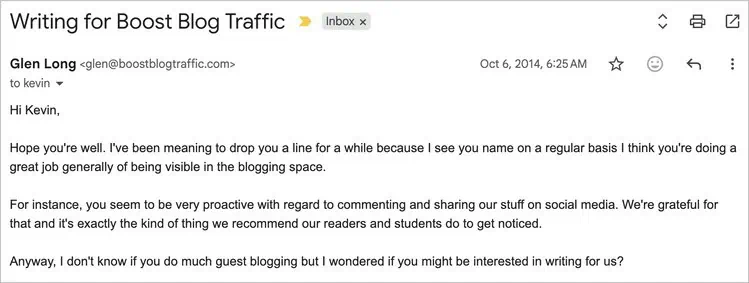
A significant shift in recent years has been the rise of all-in-one platforms that streamline the publishing process, often with a strong emphasis on email newsletters. Substack and beehiiv exemplify this category, offering integrated tools for writing, publishing, email distribution, and subscriber management. These platforms are particularly appealing to writers seeking to bypass the technical complexities of self-hosting and rapidly connect with an audience.
The appeal lies in their simplicity and built-in discovery mechanisms. Creators can sign up and begin publishing almost immediately, leveraging the platform’s infrastructure for hosting, design templates, and even some level of audience exposure. Substack, for example, boasts a robust network effect, allowing subscribers to easily discover new publications and creators to cross-promote each other. Beehiiv offers more advanced analytics and customization options, catering to creators who view their newsletter as a core business asset. Both platforms have played a pivotal role in the "creator economy," enabling direct monetization through paid subscriptions, with Substack reporting that its top writers earn significant annual incomes.
While these platforms offer freedom from technical overhead, they impose certain limitations. Creators operate within the platform’s ecosystem, adhering to its design constraints and terms of service. Portability of the entire content archive can be challenging, though email lists are typically exportable. The choice between Substack and beehiiv often hinges on the desired balance between ultimate simplicity and advanced functionality, with Substack generally favored for its ease of use and community features, and beehiiv for its business-oriented tools.
Medium, another prominent platform, shares some characteristics with this category. It allows writers to publish "stories" and build a following, with opportunities for distribution through its internal network and curated publications. While it offers a pleasant writing and reading experience and can provide significant reach through popular publications, its email newsletter capabilities and overall trending trajectory are often considered less robust compared to dedicated newsletter platforms like Substack and beehiiv. Medium remains a valuable supplemental channel for amplifying content and reaching new readers, particularly for thought leadership and opinion pieces.
3. Feed-Based Social Platforms: Ephemeral Engagement & Network Building
Social media platforms such as LinkedIn and X (formerly Twitter) represent a distinct category, operating on an algorithm-driven feed model. Content published here typically has a short lifespan, quickly disappearing down the feed unless it gains significant initial engagement. These platforms are not designed as primary content repositories but rather as powerful tools for audience interaction, idea testing, and driving traffic to other platforms.
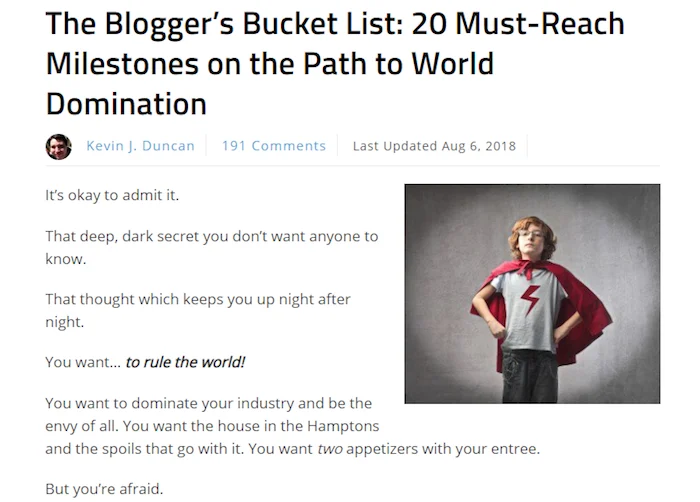
On LinkedIn, professional content thrives. Long-form posts, articles, and updates related to industry insights, career development, and business strategies can resonate deeply within professional networks. X, with its more conversational and less structured environment, rewards consistency, wit, and timely engagement. Both platforms demand active participation beyond just posting; commenting, replying, and sharing other users’ content are crucial for visibility and network growth.
The primary challenge is the ephemeral nature of content and the lack of a "long tail" effect seen with search engine traffic. However, the immense user bases of these platforms—LinkedIn with over 930 million members and X with hundreds of millions of daily active users—offer unparalleled opportunities for direct engagement and audience building. For many creators, these platforms serve as a vital "top of funnel" strategy, allowing them to test content ideas, build rapport, establish authority, and ultimately direct interested users to their owned websites or newsletters. The key is to leverage their strengths for lead generation and community building, rather than attempting to replicate a traditional blog.
4. Borrowed Platforms: Leveraging Established Authority
Guest blogging, or contributing content to established third-party websites and publications, represents a powerful strategy for instant credibility and accelerated audience growth. By publishing on sites like Forbes, Business Insider, or niche-specific industry leaders (such as Smart Blogger for writing advice), creators can tap into pre-existing, engaged audiences.
The immediate benefit is the transfer of authority and trust. When a piece is published on a reputable site, the author is instantly perceived as a subject matter expert, bypassing the lengthy process of building credibility from scratch. This exposure can lead to significant increases in personal brand recognition, website traffic, and opportunities for further collaboration or professional advancement. From an SEO perspective, high-quality backlinks from authoritative domains are invaluable for improving a creator’s own site ranking.
The process typically involves pitching article ideas to editors or responding to invitations. The bar for acceptance is generally high, reflecting the value of the platform’s reputation. A strong guest post can open doors to new audiences and professional opportunities, as exemplified by the author’s own journey to Editor-in-Chief at Smart Blogger after a series of successful guest contributions. Conversely, a poorly executed guest post can damage a burgeoning reputation. Therefore, creators must carefully select platforms that align with their brand and uphold high editorial standards. This strategy is less about housing content and more about strategically positioning oneself within existing authoritative ecosystems.
Strategic Implications for the Modern Content Creator
The fragmentation of the blogging landscape necessitates a sophisticated, multi-pronged content strategy. The question for creators is no longer "Which platform should I use?" but rather:
- Where should my core, evergreen content reside? (Likely an owned platform)
- How will I build and nurture a direct audience connection? (All-in-one newsletter platforms)
- How will I engage with new audiences and drive discovery? (Feed-based social platforms)
- How will I establish authority and gain immediate credibility? (Borrowed platforms)
A successful strategy often involves a combination of these approaches, with content being repurposed and adapted for different channels. A comprehensive guide on an owned blog might be broken down into a series of short posts for X, a more detailed article for LinkedIn, and a condensed version for an email newsletter. This integrated approach maximizes reach and engagement while reinforcing a creator’s brand across multiple touchpoints.
The Future of Digital Content Creation
As the digital landscape continues to evolve, further innovations in AI-powered content creation, personalized content delivery, and new social platforms are inevitable. The underlying principle, however, remains constant: effective content creation is about understanding your audience, delivering value, and strategically distributing your message across the most appropriate channels. The "blog" in its singular, traditional sense may have diversified, but the spirit of independent publishing and direct communication with an audience is more vibrant and accessible than ever before, albeit through a more intricate, interconnected web of platforms.
Related posts: