Navigating the Evolving Landscape: Essential Facebook Ad Sizes and Design Specifications for Optimal Campaign Performance in 2022


The dynamic realm of digital advertising, particularly on platforms as pervasive as Facebook, demands an unwavering commitment to precision from social media managers and marketers. In a landscape where user attention is fleeting and competition is fierce, the seemingly minor detail of an incorrectly sized image or a low-resolution video can significantly derail an entire ad campaign, leading to wasted budget and suboptimal results. Facebook, now a core component of Meta Platforms, consistently updates its ad guidelines and specifications, reflecting evolving user behaviors, technological advancements, and the platform’s strategic shifts. Staying abreast of these frequent changes is not merely a best practice; it is an operational imperative for any brand aiming to maximize its return on advertising investment. This comprehensive guide aims to provide the most up-to-date Facebook ad sizes and design specifications for 2022, offering a crucial resource for crafting effective and engaging campaigns.
The Imperative of Precision in Facebook Advertising
The challenge of maintaining accurate ad assets is a familiar one for digital marketers. An honest mistake, such as uploading an image with the wrong aspect ratio or a video that fails to meet resolution standards, can lead to immediate and tangible negative consequences. Ads that display incorrectly often appear unprofessional, fail to load properly, or are cropped in ways that obscure key messaging. Such issues not only diminish the user experience but also directly impact critical metrics like click-through rates (CTR), engagement, and conversion rates. In an environment where advertising spend can be substantial, ensuring every creative asset is perfectly optimized is a foundational element of campaign success.
Facebook’s continuous evolution, driven by its vast user base (reaching nearly 3 billion monthly active users globally as of late 2022), necessitates these guideline adjustments. The platform consistently introduces new features, refines existing ones, and adapts to changing content consumption patterns, particularly the pronounced shift towards mobile devices and video content. These changes inherently alter the optimal dimensions and technical requirements for advertisements to perform seamlessly across diverse placements, from the traditional news feed to immersive Stories and external Audience Network sites.
The Evolving Ecosystem: Why Facebook Ad Specs Change

Facebook’s transformation into Meta Platforms underscores its ambition to lead in immersive digital experiences, yet its advertising revenue remains largely anchored in its established social media properties. As one of the world’s largest advertising platforms, generating tens of billions in ad revenue annually, Facebook is acutely focused on optimizing the ad delivery experience for both users and advertisers. The rationale behind the frequent updates to ad specifications is multi-faceted:
- Enhanced User Experience: Facebook prioritizes a smooth and native content experience. Ads that seamlessly integrate into the user’s feed or story without visual glitches, slow loading times, or awkward cropping contribute to a less disruptive browsing experience. This, in turn, can reduce ad fatigue and improve overall platform satisfaction.
- Mobile-First Dominance: The overwhelming majority of Facebook users access the platform via mobile devices. This trend has dictated a strong emphasis on vertical video and full-screen formats, leading to specific requirements for mobile-optimized creative assets that fill the screen effectively.
- Diversification of Ad Placements: Beyond the traditional news feed, Facebook has expanded its advertising inventory to include Messenger, Instagram (also part of Meta), Audience Network, and various in-app experiences. Each placement often has unique display characteristics and user interaction patterns, necessitating distinct design specifications.
- Technological Advancements: Improvements in display technology, network speeds, and device capabilities allow for higher resolution images and videos. Facebook encourages advertisers to leverage these advancements by recommending high-resolution assets, ensuring visual clarity and impact.
- Competitive Landscape: To remain competitive with other digital advertising giants and emerging platforms, Facebook continually refines its ad offerings to provide marketers with powerful tools and optimal reach, which includes clear guidelines for maximizing creative effectiveness.
The 2022 specifications reflect this ongoing commitment, providing advertisers with the necessary parameters to design ads that are not only visually appealing but also technically sound, ensuring they render correctly across Facebook’s vast and varied ecosystem.
Core Ad Formats and Their Specifications
Understanding the specific requirements for each ad type is paramount. Below, we delve into the detailed specifications for Facebook’s primary ad formats, along with their strategic applications and implications.
Facebook In-Feed Ads: Capturing Attention in the Scroll
In-feed ads are Facebook’s most ubiquitous advertising format, appearing directly within a user’s primary news feed, interspersed with organic content from friends, family, and pages. This placement offers broad reach and is highly effective for building brand awareness, driving traffic, and generating leads. The goal is to create ads that are visually compelling enough to halt a user’s endless scroll.
-
Images:
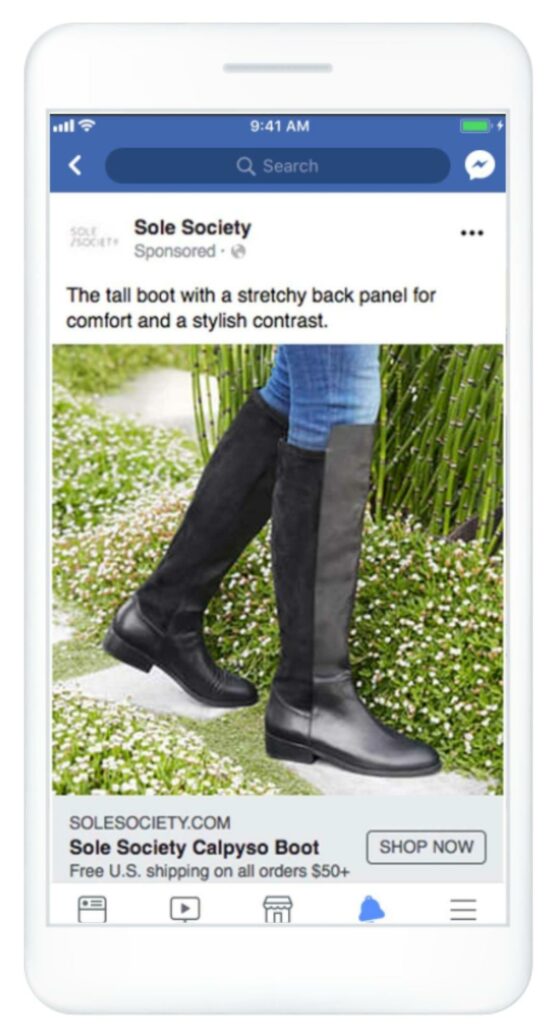
- Supported file types: JPG and PNG.
- Maximum file size: 30 MB.
- Minimum size: 600 x 600 px.
- Image ratio: Flexible, ranging from 1.91:1 (landscape) to 1:1 (square). Square (1:1) often performs well on mobile due to screen real estate.
- Resolution: At least 1080 x 1080 px recommended. Uploading the highest possible resolution ensures clarity across various devices.
- Text recommendations: Primary text: 125 characters. Headline: 27 characters. Description: 27 characters. Minimal overlaid text on images is generally preferred, as excessive text can reduce reach.
-
Videos:
- Supported file types: MP4, MOV, or GIF.
- Ratio: 1:1 (square) for both desktop and mobile is versatile, while 4:5 (vertical) is optimized for mobile-only consumption, maximizing screen fill.
- Maximum file size: 4 GB.
- Minimum sizes: 120 x 120 px.
- Resolution: At least 1080 x 1080 pixels.
- Video length: 1 second to 241 minutes. Shorter videos (15-60 seconds) are often more effective for engagement in the feed.
-
Implications: Well-optimized in-feed ads, particularly those with high-resolution visuals and concise copy, stand a significantly better chance of cutting through the noise. Panoramic or 360-degree images can offer an immersive experience, increasing dwell time.
Facebook In-Stream Video Ads: Engaging Audiences Mid-Content
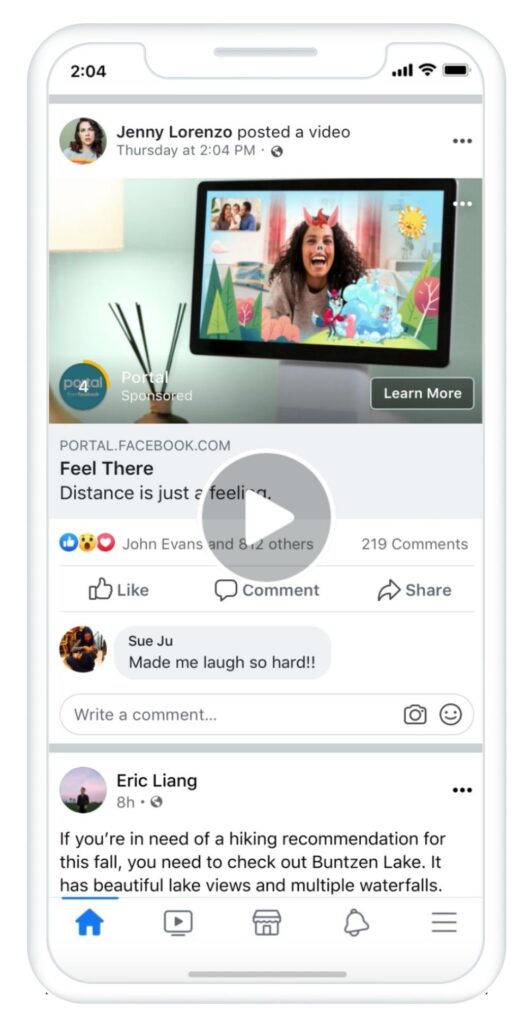
Designed to appear within existing video content, Facebook in-stream video ads are ideal for advertisers focused on driving traffic or conversions, as they typically capture a more engaged audience. These ads play before, during, or after other videos on Facebook, including Facebook Live streams. They are currently exclusive to mobile users.
-
Images (for accompanying thumbnails/visuals):
- Supported file types: JPG or PNG.
- Ratio: 1.91:1 (landscape) or 1:1 (square).
- Resolution: At least 1080 x 1080 px.
- Maximum file size: 30 MB.
- Minimum size: 600 x 600 px.
- Aspect ratio tolerance: 3%.
- Text recommendations: Primary text: 125 characters. Headline: 40 characters. Note: Avoid adding text directly onto these images.
-
Videos:
- Supported file types: MP4, GIF, or MOV.
- Maximum file size: 4 GB.
- Ratio: 16:9 (widescreen) or 1:1 (square). Widescreen is common for video content.
- Video length: 5 seconds to 10 minutes. Short, impactful videos (5-15 seconds) are often most effective for in-stream placements to maintain viewer attention before they skip.
- Maximum image size (for thumbnail/placeholder): 120 x 120 pixels.
- Resolution: At least 1080 x 1080 px.
-
Strategic Use: These ads are particularly powerful when aligned with the content of the video they interrupt, offering a relevant message to an already attentive audience. Their mobile-only nature underscores the importance of a compelling visual hook.
Facebook In-Feed Carousel Ads: Showcasing Diversity and Detail
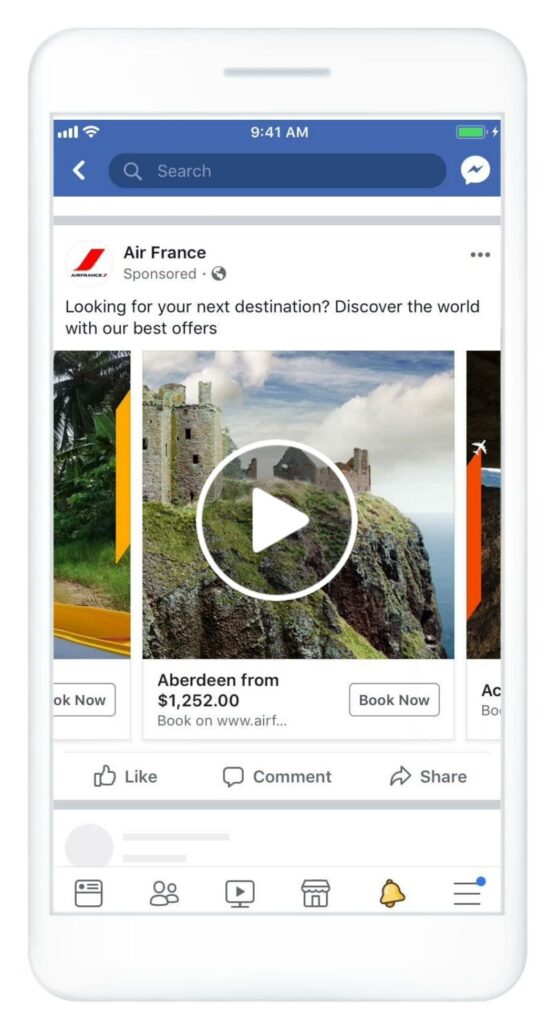
Carousel ads allow marketers to display between two and ten scrollable images or videos within a single ad unit. This format is exceptionally versatile, enabling brands to highlight multiple products, showcase different features of a single product, tell a story sequentially, or provide a richer brand narrative. Each "card" in the carousel can link to a different landing page, making it excellent for e-commerce.
-
Combined Image/Video Specs:
- Supported image file types: JPG and PNG.
- Supported video file types: MP4, GIF, and MOV.
- Maximum file size: 30 MB for images; 4 GB for videos.
- Minimum size: 120 x 120 px for videos; 600 x 600 px for images.
- Ratio: 1:1 (square) is standard for carousel cards to ensure consistent display.
- Resolution: At least 1080 x 1080 px.
- Number of carousel cards: 2 to 10.
- Video length: Between 1 second and 241 minutes (though shorter is better for engagement).
- Aspect ratio tolerance: 3%.
-
Text recommendations: Primary text: 125 characters. Headline: 32 characters. Description: 18 characters. Landing page URL: Required.
-
Advantages: Carousel ads excel at conveying depth and variety. For e-commerce, linking individual products to their respective pages streamlines the customer journey, directly impacting conversion rates.
Facebook Collection Ads: The E-commerce Powerhouse
Collection ads are specifically designed for e-commerce businesses, presenting a full-screen, visually driven ad experience that allows users to browse and discover products directly within Facebook. When a user clicks on a collection ad, it typically leads to an Instant Experience—a fast-loading, immersive, full-screen landing page within the Facebook app.
-
Combined Image/Video Specs:
- Supported image file types: JPG and PNG.
- Supported video file types: MP4, GIF, and MOV.
- Maximum file size: 4 GB for videos; 30 MB for images.
- Ratio: 1:1 (square) for the main image/video.
- Resolution: At least 1080 x 1080 px.
- Instant Experience: Required. This is the core of the collection ad, providing an in-app shopping experience.
-
Text recommendations: Primary text: 125 characters. Headline: 40 characters. Landing page URL: Required.
-
Impact: Collection ads significantly reduce friction in the mobile shopping journey. By combining a compelling hero image or video with multiple product listings, they facilitate discovery and direct purchases, proving highly effective for driving product sales and conversions.
Facebook Instant Articles Ads: Fast-Loading, Engaging Content
Instant Articles are Facebook’s mobile-optimized publishing format, designed to load rich content like news articles directly within the Facebook app up to ten times faster than standard mobile web articles. Ads placed within Instant Articles are therefore contextually relevant and benefit from the rapid loading times, improving user engagement with the advertising content.
-
Images:
- Supported file types: JPG and PNG.
- Maximum file size: 30 MB.
- Minimum image size: 600 x 600 px.
- Recommended resolution: At least 1080 x 1080 px.
- Recommended aspect ratio: 1:1 (square).
-
Videos:
- Supported file types: MP4, GIF, and MOV.
- Maximum file size: 4 GB.
- Maximum size: 120 x 120 pixels for videos (thumbnail).
- Video length: Between 1 second and 241 minutes.
- Recommended resolution: At least 1080 x 1080 px.
- Image aspect ratio: 1:1.
- Video aspect ratio: 16:9 (widescreen).
-
Text recommendations: Primary text: 125 characters. Headline: 40 characters.

-
Benefits: For content marketers and publishers, Instant Articles ads offer a way to monetize content while providing an exceptional user experience. The fast loading times minimize bounce rates, ensuring that advertising messages are seen and absorbed.
Facebook Marketplace Ads: Localized Commerce, Global Reach
Facebook Marketplace functions as a digital classifieds section, allowing users to discover, buy, and sell items locally. Advertisers can leverage this space to promote their products and services to an audience actively seeking specific items. These ads can be image or video-based and are particularly effective for businesses with a local focus or those selling tangible goods.
-
Images:
- Supported file types: JPG and PNG.
- Maximum file size: 30 MB.
- Maximum size: 600 x 600 px.
- Resolution: At least 1080 x 1080 pixels; no maximum resolution.
- Image ratio: 1:1 (square).
-
Videos:
- Supported file types: MP4, GIF, and MOV.
- Maximum file size: 4 GB.
- Maximum image size (thumbnail): 120 x 120 px.
- Ratio: 1:1 (square).
- Resolution: At least 1080 x 1080 px.
- Video length: Between 1 second and 241 minutes.
- Aspect ratio tolerance: 3%.
-
Text recommendations: Primary text: 125 characters. Headline: 40 characters. Description: 30 characters.
-
Strategic Advantage: Marketplace ads tap into transactional intent, reaching users who are often closer to a purchase decision. Tailoring ads to specific product categories and geographic locations can yield high conversion rates.
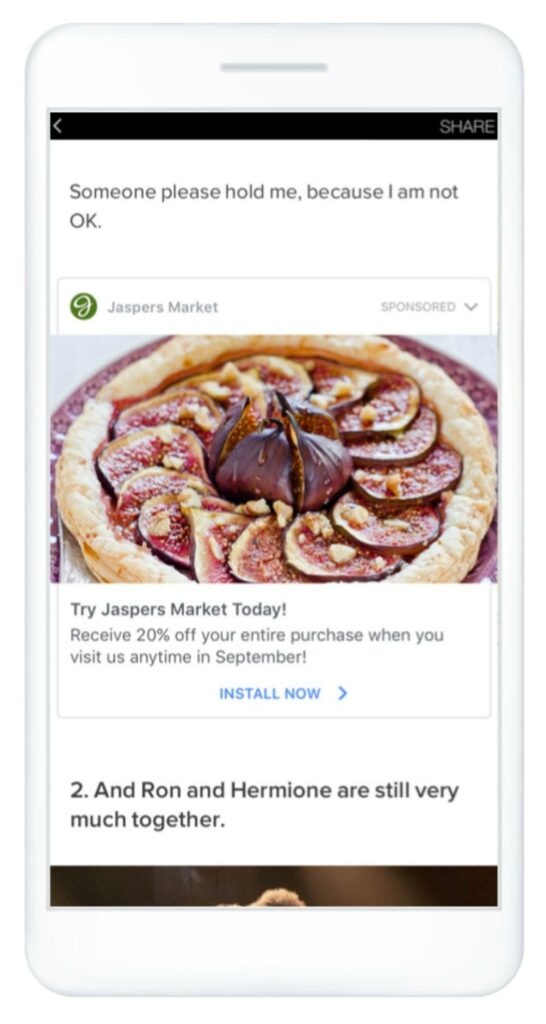
Facebook Right Column Ads: Desktop Visibility for Niche Audiences
Once a dominant placement, right column ads appear on the right-hand side of the Facebook desktop interface. While mobile usage has eclipsed desktop, these ads still offer a viable option for reaching desktop users, particularly for certain B2B audiences or those who primarily engage with Facebook on larger screens. They are exclusively for desktop users.
-
Images and Videos:
- Supported image file types: JPG and PNG.
- Maximum file size: 30 MB for images; 4 GB for videos.
- Minimum width: 254 px.
- Minimum height: 133 px.
- Resolution: At least 1080 x 1080 pixels; no maximum resolution.
- Image ratio: 1:1 (square).
- Video length: Maximum of 241 minutes.
-
Text recommendations: Headline: 40 characters.
-
Considerations: Due to their smaller size, right column ads demand exceptionally clear and concise visuals and headlines. While their reach may be smaller than mobile-first placements, they can still be cost-effective for specific, desktop-centric target demographics.
Facebook Stories Ads: Ephemeral Engagement, High Impact
Mirroring the popular "Stories" format across social media, Facebook Stories are full-screen, vertical images or short videos that disappear after 24 hours. Ads appear between organic Stories from friends and pages, offering an immersive, full-screen experience. These are highly effective for capturing attention on mobile.
-
Images:

- Supported file types: JPG and PNG.
- Image ratio: 9:16 (full vertical screen).
- Resolution: At least 1080 x 1080 pixels; no maximum resolution.
- Maximum file size: 30 MB.
- Minimum width: 500 pixels wide.
- Aspect ratio tolerance: 1%.
- Note: Leave approximately 14% (250 px) of the top and bottom free from critical text or logos, as these areas may be covered by the user interface elements.
-
Videos:
- Supported file type: MP4, GIF, or MOV.
- Ratio: 1:1 (square) or 4:5 (vertical) for mobile. For full-screen Stories, 9:16 is optimal.
- Resolution: At least 1080 x 1080 pixels.
- Maximum file size: 4GB.
- Minimum width: 120 px.
- Minimum height: 120 px.
- Video duration: 1 second to 241 minutes (but max 15 seconds for optimal Story placement).
- Text recommendations: Primary text: 125 characters. Headline: 27 characters. Description: 27 characters.
- Note: Adding video sound and captions is optional but highly recommended to cater to different viewing preferences.
-
Strategic Value: Stories ads leverage the highly engaging, full-screen mobile experience. Their ephemeral nature creates a sense of urgency, and creative elements like polls or stickers can enhance interactivity.
Facebook Audience Network Ads: Extending Reach Beyond Facebook
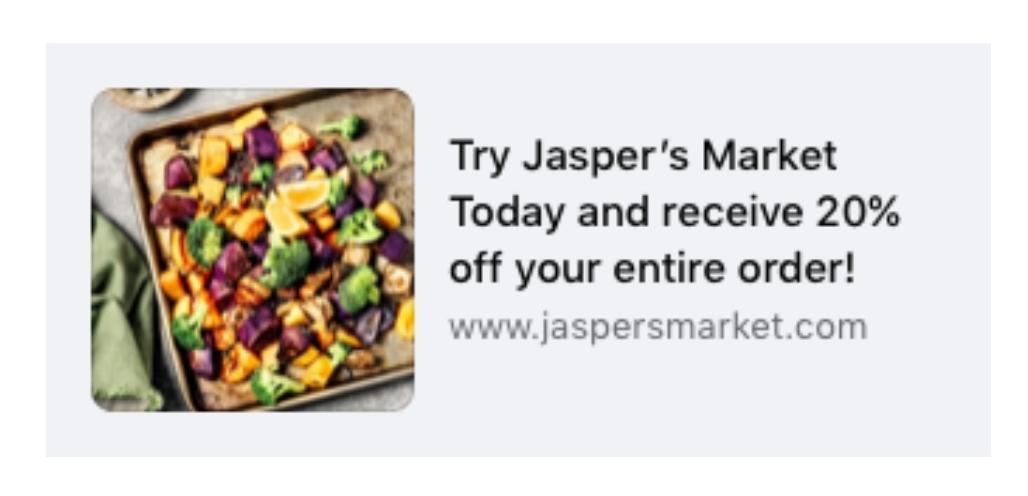
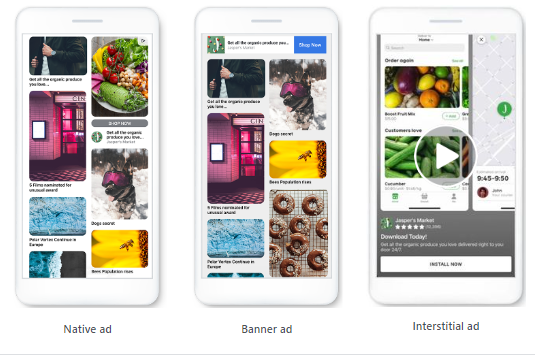
The Audience Network extends Facebook’s reach by delivering ads to third-party mobile apps, websites, and instant articles. This allows advertisers to reach audiences beyond the core Facebook platform, leveraging Facebook’s powerful targeting capabilities across a wider network. Ad formats include native, banner, and interstitial ads.
-
Images:
- Supported file type: JPG or PNG.
- Maximum file size: 30 MB.
- Ratio: 9:16 (vertical).
- Resolution: At least 398 x 208 px.
- Minimum size: 398 x 208 px.
-
Videos:
- Supported file type: MP4, MOV, or GIF.
- Maximum size: 4GB.
- Ratio: 1:1 (square) for desktop or mobile, or 4:5 (vertical) for mobile only.
- Resolution: At least 1080 x 1080 px.
- Minimum size: 120 x 120 px.
- Video length: Between 1 second to 241 minutes.
-
Text recommendations: Primary text: 125 characters. Headline: 40 characters. Description: 30 characters.
-
Video text recommendations: Primary text: 125 characters. Headline: 27 characters. Description: 27 characters.
-
Brand Safety: Facebook provides robust controls for Audience Network, allowing businesses to create exclusion lists for content categories where they prefer their ads not to appear, ensuring brand safety and contextual relevance.
Facebook Messenger Story Ads: Direct Communication, Immersive Experience
Similar to Facebook Stories, Messenger Story ads are full-screen, vertical ads that appear as users scroll through Stories within the Messenger app. This placement offers a highly personal and immersive advertising experience, leveraging the direct communication environment of Messenger.
-
Images:
- Supported file type: JPG or PNG.
- Maximum file size: 30 MB.
- Ratio: 9:16 (full vertical screen).
- Resolution: At least 1080 x 1080 px.
- Minimum width: 500 px.
- Aspect ratio tolerance: 1%.
-
Videos:
- Supported file type: MP4, MOV, or GIF.
- Maximum size: 4GB.
- Ratio: 9:16 (full vertical screen).
- Resolution: At least 1080 x 1080 px.
- Minimum width: 500 px.
- Aspect ratio tolerance: 1%.
- Video length: Between 1 second to 2 minutes.
-
Text recommendations: Primary text: 125 characters. Headline: 40 characters.
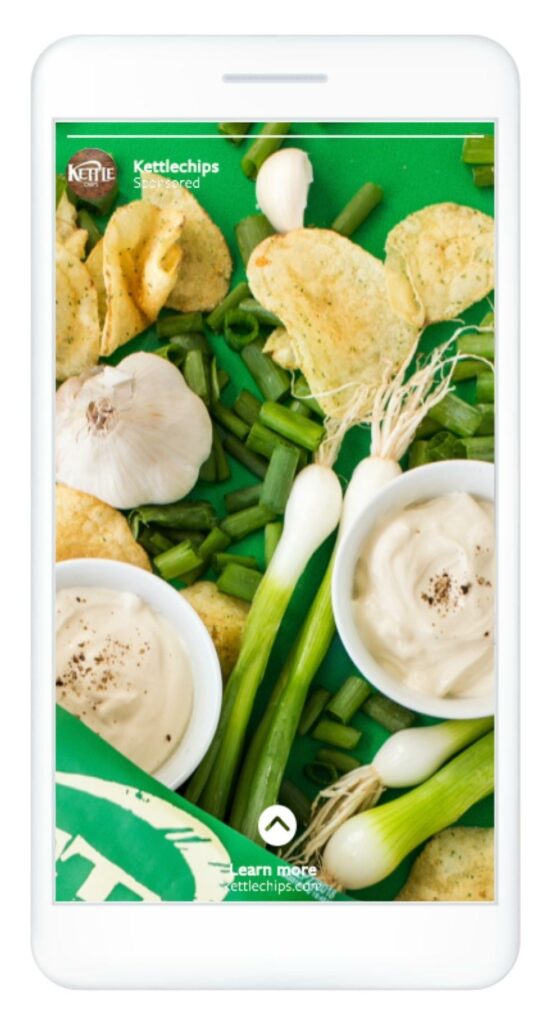
- Note: As with Facebook Stories, leave approximately 14% (250 px) of the top and bottom of the image/video free from critical elements to avoid obstruction by the Messenger UI.
-
Engagement: Messenger Story ads benefit from the platform’s intimate nature, allowing for creative use of emojis, stickers, and other interactive elements to foster deeper engagement.
Strategic Ad Placement: Maximizing Return on Investment
Beyond merely understanding the technical specifications, successful Facebook advertising hinges on strategic ad placement. Facebook offers options for "Automatic Placements," where its algorithms distribute ads across all eligible placements for optimal performance, or "Manual Placements," which allow advertisers to select specific channels based on their campaign objectives and creative assets.
Here’s a simplified overview of ad format compatibility across key Facebook and Meta placements:
- Facebook News Feed: Supports Single Image, Single Video, Carousel, Collection, Instant Experience.
- Facebook Right Column: Supports Single Image, Carousel. (No support for Single Video, Collection, Instant Experience.)
- Facebook In-Stream Videos: Supports Single Video. (No support for Single Image, Carousel, Collection, Instant Experience.)
- Facebook Instant Articles: Supports Single Image, Carousel. (No support for Single Video, Collection, Instant Experience.)
- Audience Network: Supports Native (for Single Image, Carousel), In-stream Video, Rewarded Video (for Single Video). (No support for Collection, Instant Experience.)
- Messenger: Supports Single Image. (No support for Single Video, Carousel, Collection, Instant Experience.)
- Instagram Stories: Supports Single Image, Single Video, Instant Experience. (No support for Carousel, Collection.)
- Instagram Feed: Supports Single Image, Single Video, Carousel, Instant Experience. (No support for Collection.)
Choosing the correct placement ensures that the ad is displayed in an environment where it is most likely to resonate with the target audience. For instance, an e-commerce brand focused on driving direct sales might prioritize Collection ads on the Facebook News Feed and Instagram Feed, leveraging the Instant Experience for immediate conversion. Conversely, a brand aiming for broad awareness might opt for a mix of In-Feed video ads and Stories ads across Facebook and Instagram to maximize visual impact.
The Broader Implications for Advertisers
Adhering to Facebook’s detailed design specifications is not just about avoiding errors; it’s a strategic move that offers several significant advantages:
- Enhanced User Experience: Correctly formatted ads load faster, display accurately, and provide a seamless experience, which reduces negative sentiment and improves overall ad effectiveness.
- Improved Performance Metrics: Optimized ads tend to achieve higher click-through rates, better engagement, and ultimately, more conversions. This translates directly into a more efficient use of advertising budget and a higher return on investment.
- Brand Professionalism: High-quality, properly displayed ads reflect positively on a brand’s image, conveying professionalism and attention to detail.
- Algorithm Favorability: While not explicitly stated, it is widely inferred that Facebook’s algorithms favor ads that comply with its guidelines, as these contribute to a better platform experience. This can potentially lead to better ad delivery and lower costs.
- Future-Proofing Campaigns: As Facebook continues to evolve, staying updated with current specifications ensures that campaigns remain relevant and effective, adapting to new features and user preferences.
The complexity of managing diverse ad formats across multiple placements underscores the value of robust marketing platforms and tools. Solutions that allow marketers to manage, schedule, and analyze paid and organic campaigns from a single dashboard streamline workflows, ensuring creative assets meet the latest specifications while providing comprehensive performance insights.
Conclusion: The Foundation of Successful Facebook Campaigns
In the fast-paced world of digital marketing, where Facebook remains a colossal force for reaching vast and diverse audiences, mastering the intricacies of ad sizes and design specifications is non-negotiable. The 2022 guidelines provide a clear roadmap for advertisers to craft compelling, high-performing campaigns that resonate with users and drive tangible business outcomes. By understanding the strategic
Related posts: