European Journalism Organizations Launch Retreat to Address Trauma, Resilience, and Ethical Reporting Amidst Global Crises


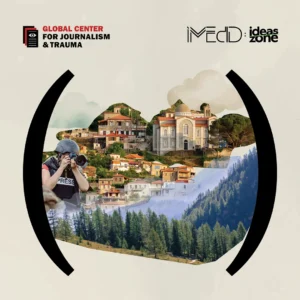
The Global Center for Journalism and Trauma (GCJT), in a strategic collaboration with iMEdD’s Ideas Zone, has opened applications for a pivotal four-day retreat designed to fortify European journalists against the profound psychological and ethical challenges inherent in high-impact reporting. Scheduled to take place from October 14 to 18, 2026, in the serene, revitalized mountain village of Vamvakou, Laconia, Greece, this initiative seeks to equip news professionals with essential tools for trauma-informed practice and robust psychological resilience. The program specifically targets reporters, editors, photographers, and multimedia journalists who routinely cover critical global events such as armed conflicts, mass migration, escalating climate crises, and complex disinformation campaigns, all of which demand not only rigorous journalistic skill but also immense personal fortitude.
The Initiative: A Deep Dive into Purpose
In an increasingly volatile global landscape, journalists frequently operate on the front lines, bearing witness to human suffering, systemic injustices, and rapid societal shifts. This exposure, while fundamental to informing the public, often comes at a significant personal cost. The retreat is meticulously structured to provide a crucial respite from the relentless pressures of daily news cycles, offering participants a unique opportunity for introspection and professional development. Its core objectives revolve around enabling journalists to critically reflect on the ethical dimensions of their demanding work, integrate trauma-informed reporting practices into their methodologies, and cultivate sustainable strategies for psychological resilience. The curriculum will encompass expert briefings delivered by leading figures in journalism and trauma psychology, facilitated group discussions promoting peer learning and shared experiences, and practical workshops. All activities are designed to foster a confidential, collaborative, and supportive environment, allowing participants to openly address vulnerabilities and collectively build stronger coping mechanisms.
The location, Vamvakou, is not merely a scenic backdrop but a deliberate choice. This small village in the Peloponnese, part of an ambitious regeneration project by the Vamvakou Revival cultural association, offers an environment conducive to reflection and healing. Its tranquil setting away from urban bustle provides the ideal conditions for journalists to disengage from external stressors and focus entirely on their personal and professional well-being. This physical distance from the newsroom is integral to the retreat’s design, emphasizing mental rejuvenation alongside skill enhancement.
Who, What, When, Where: Program Details
The retreat, running for five days from October 14 to 18, 2026, will immerse sixteen selected journalists in an intensive program tailored to their unique professional demands. The participant profile is broad, encompassing various roles within news organizations, recognizing that the psychological toll of high-impact reporting affects all facets of news production. Whether it’s a frontline reporter documenting atrocities, an editor making difficult ethical decisions about graphic content, a photographer capturing harrowing images, or a multimedia journalist weaving complex narratives, the program aims to address universal challenges while also acknowledging specific role-based stressors.
The curriculum is built upon three foundational pillars:
- Ethical Dimensions of Reporting: This segment delves into the complex moral quandaries faced by journalists. It will explore principles of "do no harm," responsible sourcing, privacy considerations for vulnerable individuals, the ethics of publishing disturbing content, and the potential for secondary trauma for both journalists and their audience. Discussions will draw on real-world case studies and encourage participants to develop robust ethical frameworks for their work.
- Trauma-Informed Reporting Practices: This critical component educates journalists on the psychological impact of trauma, not only on the individuals and communities they cover but also on themselves. Participants will learn how to approach sensitive interviews with empathy and respect, avoid re-traumatizing sources, recognize signs of trauma in others, and employ language that is both accurate and sensitive. The aim is to enhance the quality and integrity of reporting while safeguarding the dignity of those affected by traumatic events.
- Strategies for Psychological Resilience: Understanding that exposure to trauma is an occupational hazard for many journalists, this pillar focuses on practical techniques for managing stress, preventing burnout, and fostering mental well-being. Topics may include mindfulness, self-care routines, peer support mechanisms, understanding vicarious trauma, and developing personal coping strategies to sustain long and healthy careers in demanding fields.
The retreat’s methodology emphasizes active learning and peer exchange. Expert briefings will provide theoretical foundations and cutting-edge research, while group discussions will allow participants to share personal experiences, challenges, and successful strategies in a non-judgmental space. Workshops, led by seasoned journalists who have navigated similar challenges and trauma specialists with deep understanding of journalistic contexts, will translate theoretical knowledge into practical skills. The small group size of sixteen participants is deliberately chosen to facilitate deep engagement and personalized attention, fostering a strong sense of community and trust among peers.
The Organizers: Pillars of Support for Journalism
This collaborative retreat is the brainchild of two prominent organizations dedicated to advancing journalistic excellence and welfare:
The Global Center for Journalism and Trauma (GCJT): Founded on the principle that informed, ethical, and resilient journalism is crucial for democratic societies, GCJT has been a pioneer in addressing the psychological impact of newsgathering. The Center works globally to educate journalists, editors, and news organizations on the effects of trauma, providing training and resources to help professionals manage stress, prevent burnout, and report responsibly on traumatic events. Their expertise lies in developing programs that integrate psychological support with journalistic best practices, recognizing that a journalist’s well-being is intrinsically linked to the quality and integrity of their reporting. GCJT’s extensive network of trauma specialists and veteran journalists brings unparalleled knowledge to the retreat’s curriculum, ensuring a program that is both clinically informed and practically relevant.
iMEdD (incubator for Media Education and Development): Established in Athens, Greece, with the exclusive grant of the Stavros Niarchos Foundation (SNF), iMEdD is a non-profit organization dedicated to supporting and promoting transparency, credibility, independence, and excellence in journalism. Through various initiatives, including training programs, research projects, and the "Ideas Zone," iMEdD acts as a catalyst for innovation and development within the media sector. The "Ideas Zone" specifically provides a platform for dialogue, collaboration, and the incubation of new journalistic projects and methodologies. iMEdD’s partnership with GCJT for this retreat underscores its commitment not only to journalistic skill development but also to the holistic well-being of media professionals, acknowledging that innovation must be underpinned by human sustainability. The synergy between GCJT’s specialized knowledge in trauma and iMEdD’s broad mandate for journalistic development creates a robust framework for the retreat’s success.
The Growing Imperative: Mental Health in Modern Journalism
The need for such a retreat is more pressing than ever. Contemporary journalism is characterized by a relentless 24/7 news cycle, increased digital surveillance, targeted harassment, and direct exposure to global crises through both physical presence and digital streams. Numerous studies and reports highlight the severe mental health toll on journalists.

Statistical Evidence:
- A 2022 study by the Dart Center for Journalism and Trauma, in partnership with the International Federation of Journalists (IFJ), revealed that a significant percentage of journalists report symptoms consistent with Post-Traumatic Stress Disorder (PTSD), anxiety, and depression. Over 70% of journalists surveyed admitted to experiencing at least one symptom of psychological distress, with frontline reporters showing even higher rates.
- Data from UNESCO indicates that journalists covering conflict zones or disasters are particularly vulnerable, with studies showing PTSD rates as high as 28%—comparable to those found in combat veterans and emergency first responders.
- Beyond acute trauma, chronic exposure to distressing content, tight deadlines, and precarious employment conditions contribute to widespread burnout and compassion fatigue, leading to high attrition rates in the profession. A 2021 report by the Reuters Institute for the Study of Journalism highlighted that 70% of journalists reported feeling burnt out, with many considering leaving the profession.
- The rise of disinformation and online harassment also presents unique psychological challenges, as journalists are often subjected to coordinated attacks that undermine their credibility and personal safety, leading to increased stress and self-censorship.
Challenges of High-Impact Reporting:
- Conflict Zones: Covering conflicts like the ongoing war in Ukraine or the Israeli-Palestinian conflict exposes journalists to direct violence, death, and destruction, leading to profound moral injury and psychological scarring.
- Migration Crises: Documenting the plight of refugees and migrants, witnessing their perilous journeys across the Mediterranean or through borderlands, and reporting on their often-dehumanizing conditions can lead to vicarious trauma and deep emotional distress.
- Climate Crises: Reporting on extreme weather events, ecological devastation, and the displacement of communities due to climate change requires journalists to confront existential threats and the often-slow, unfolding tragedy of environmental degradation.
- Disinformation Campaigns: Investigating and debunking misinformation, particularly when it fuels social division or impacts public health, involves navigating complex narratives, facing online abuse, and often feeling a sense of futility in combating widespread falsehoods.
Ethical Considerations: The psychological well-being of journalists is not merely a humanitarian concern; it has direct implications for the quality and ethics of their work. A journalist struggling with their own trauma or burnout may be less equipped to report sensitively, ethically, or even accurately. This retreat directly addresses these concerns, recognizing that a resilient journalist is better positioned to uphold the highest standards of the profession, minimize harm to sources, and deliver nuanced, empathetic reporting.
Application and Eligibility: A Call to European Journalists
The call for applications extends to journalists across the Council of Europe countries, emphasizing a broad European scope for participation. This geographic requirement ensures that the program benefits a diverse group of professionals working within varied media landscapes and facing region-specific challenges, while also fostering a pan-European network of support.
Eligibility Criteria:
- Applicants must possess at least five years of professional experience in journalism, demonstrating a significant commitment to the profession and a likely history of covering high-impact stories. This experience level ensures participants can contribute meaningfully to discussions and benefit maximally from the advanced training.
- Applicants must be based in a Council of Europe member state. The Council of Europe comprises 46 member states, including most European nations, reflecting the inclusive intent of the organizers to support journalists across the continent.
- All sessions will be conducted in English, necessitating a strong command of the language from all participants to ensure effective communication and engagement in workshops and discussions.
The application deadline is May 11, 2026. Prospective participants are strongly encouraged to submit their applications well in advance to ensure consideration for this highly competitive fellowship. The fellowship is comprehensive, covering all associated costs including travel to and from Vamvakou, accommodation for the duration of the retreat, and all meals. This full funding removes financial barriers, ensuring that eligible journalists, regardless of their economic circumstances or their news organization’s budget, can access this vital training. The application process, managed through the iMEdD website, will likely require a detailed professional biography, a statement of interest outlining the applicant’s experience with high-impact reporting and their motivation for attending, and potentially professional references or examples of their work. The selection committee will prioritize candidates who demonstrate a clear need for the training and a strong commitment to integrating its principles into their future practice.
Statements and Perspectives from Leadership
While specific statements from the leadership were not provided in the original prompt, the nature of the event allows for logical inference of their likely perspectives:
A representative from the Global Center for Journalism and Trauma would undoubtedly emphasize the growing recognition of journalism as a profession with significant psychological hazards. "Journalists are the eyes and ears of our democracies, often operating in environments that would test the strongest of individuals," an inferred statement might read. "Our commitment at GCJT is to ensure that these vital professionals are not left to cope alone. This retreat, in partnership with iMEdD, represents a critical investment in their well-being, equipping them with the resilience and ethical frameworks necessary to continue their crucial work effectively and sustainably."
Similarly, a spokesperson for iMEdD would likely highlight the organization’s broader mission of fostering a robust and healthy media ecosystem. An inferred statement could be: "At iMEdD, we believe that excellent journalism is inextricably linked to the well-being of journalists. The ‘Ideas Zone’ is precisely for initiatives that push the boundaries of media support, and this retreat is a prime example. By addressing trauma and promoting resilience, we are not only safeguarding individuals but also strengthening the integrity and credibility of European journalism as a whole. Our beautiful setting in Vamvakou offers the perfect environment for this vital work, fostering connection and healing."
An expert trauma specialist involved in the program might add: "The science is clear: prolonged exposure to traumatic events without adequate support leads to significant mental health challenges. This retreat is designed to be a proactive intervention, providing journalists with evidence-based strategies to process their experiences, understand the impact of trauma on others, and build a personalized toolkit for resilience. It’s about empowering them to continue telling essential stories, while also protecting their own mental health and ensuring ethical engagement with vulnerable communities."
Broader Implications for European Journalism
This retreat holds significant implications beyond the immediate benefit to its participants, signaling a broader shift in how journalistic institutions and support organizations approach professional development and welfare.
- Shifting Newsroom Culture: The very existence of such a specialized retreat underscores a growing global acknowledgment of the mental health crisis within journalism. It can serve as a powerful catalyst for news organizations across Europe to re-evaluate their own internal support structures, policies, and training for journalists operating in high-stress environments. This could lead to more proactive mental health provisions, debriefing protocols, and a more open culture where seeking psychological support is destigmatized.
- Elevating Ethical Standards: By focusing on trauma-informed reporting, the retreat aims to elevate ethical standards across the board. Journalists who understand the nuances of trauma are better equipped to avoid sensationalism, respect the privacy of victims, and present stories in a manner that educates rather than exploits. This directly contributes to more responsible and impactful journalism, particularly when covering sensitive topics like conflict, migration, and human rights abuses.
- Strengthening Democratic Discourse: Resilient, ethically grounded journalists are fundamental to a healthy democratic society. When journalists are supported in managing the psychological toll of their work, they are better positioned to provide accurate, nuanced, and fearless reporting, thereby strengthening public discourse and combating the spread of misinformation and propaganda. This initiative, therefore, indirectly contributes to the resilience of democratic institutions themselves.
- Fostering a European Network of Support: Bringing together journalists from across Council of Europe countries creates a vital cross-border network. Participants will not only learn from experts but also from each other, sharing experiences and building lasting professional relationships that can serve as a peer-support system long after the retreat concludes. This collaborative spirit is essential in an era where global challenges require coordinated journalistic efforts.
- Setting a Precedent: This fully funded, expertly designed retreat could set a precedent for similar initiatives in other regions or specialized areas of journalism. It highlights the importance of philanthropic and organizational support in addressing critical, often overlooked, aspects of journalistic practice.
In conclusion, the collaboration between the Global Center for Journalism and Trauma and iMEdD represents a forward-thinking and essential investment in the future of European journalism. By proactively addressing the psychological and ethical demands of high-impact reporting, this retreat in Vamvakou aims not only to support individual journalists but also to cultivate a more resilient, ethical, and ultimately more effective media landscape capable of informing the public with integrity and empathy in an increasingly complex world. Applications for this transformative opportunity are open until May 11, 2026, marking a significant milestone in the ongoing efforts to champion the well-being of those who bring the world’s most critical stories to light.