Chernobyl: Minimal Nuclear Risk Despite Russian Presence
Risk of nuclear disaster is minimal as russian forces reach chernobyl – Chernobyl: Minimal Nuclear Risk Despite Russian Presence, the site of the world’s worst nuclear disaster, has once again become a focal point of international concern. The recent presence of Russian forces at the Chernobyl Exclusion Zone has raised fears of a potential nuclear disaster, but experts assure that the risk is minimal.
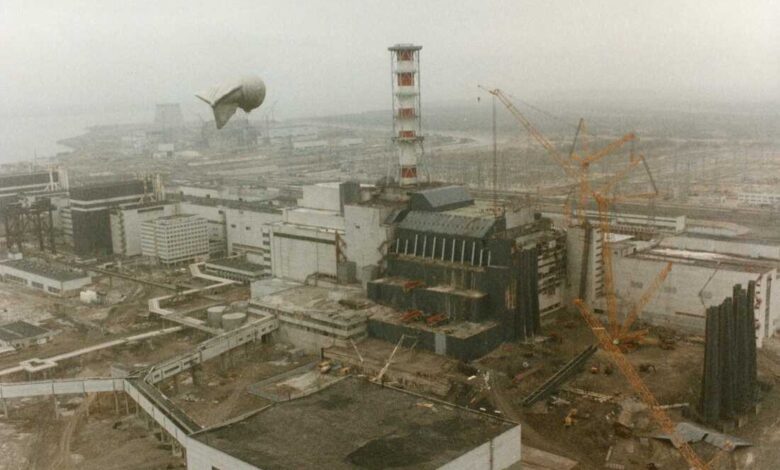
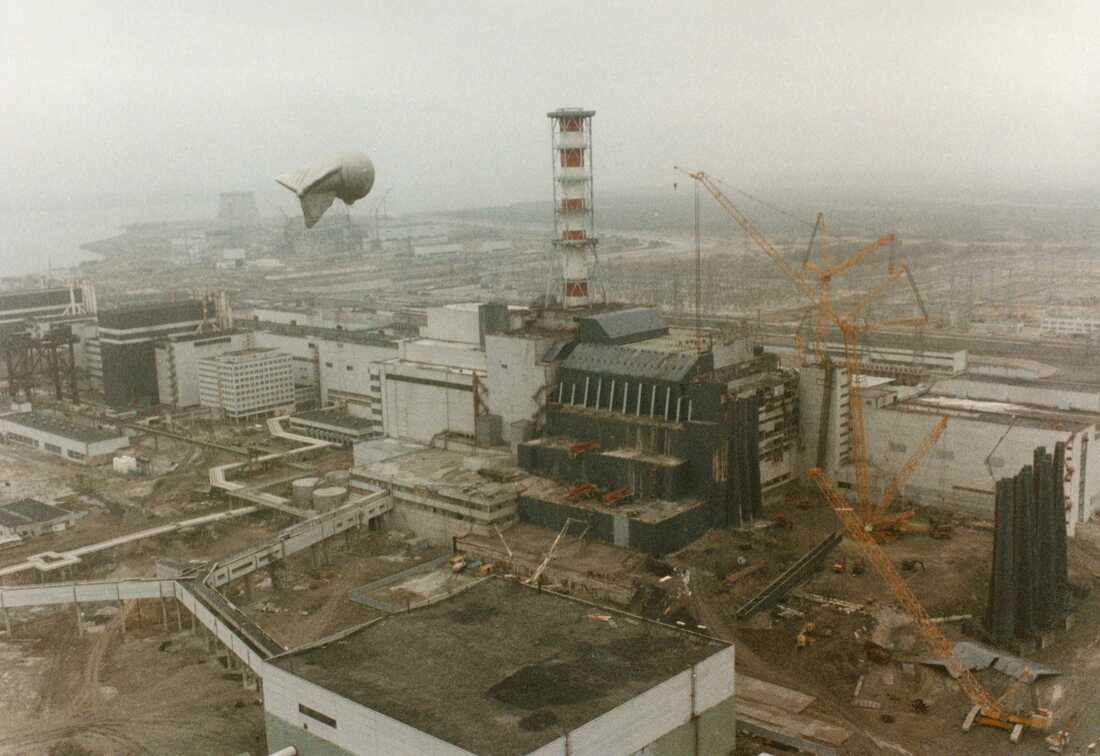
The Chernobyl site, though still radioactive, is now a well-managed and monitored area. Despite the Russian military’s presence, the primary concern remains the potential for damage to the Chernobyl sarcophagus, which encases the reactor core. The sarcophagus, while a testament to engineering ingenuity, is a critical component of preventing further radiation leaks.
However, international experts and organizations are closely monitoring the situation, ensuring the safety of the site and the surrounding population.
The presence of Russian troops at Chernobyl, a site of immense historical and environmental significance, has ignited a complex web of anxieties. While the immediate risk of a nuclear disaster may be minimal, the potential for disruption to the ongoing containment and management efforts is a legitimate concern.
The international community, acutely aware of the devastating consequences of a Chernobyl-like event, is closely monitoring the situation and urging Russia to prioritize the safety of the site.
Historical Context of Chernobyl: Risk Of Nuclear Disaster Is Minimal As Russian Forces Reach Chernobyl
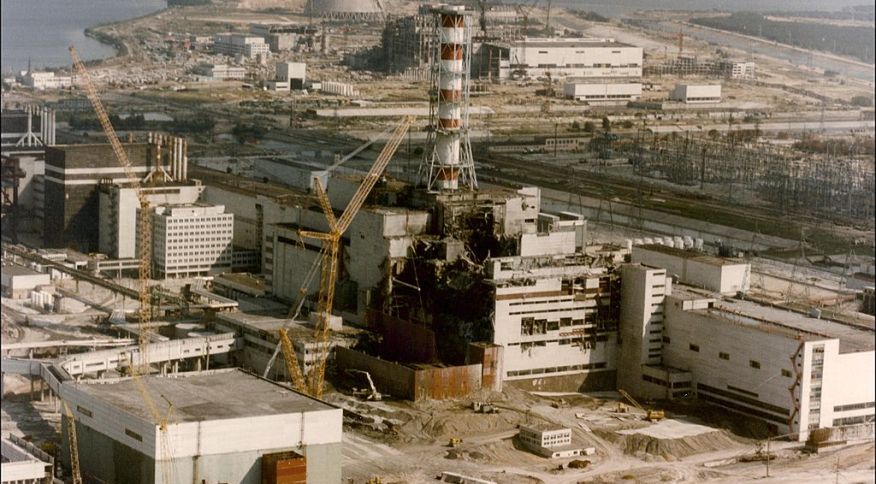
The Chernobyl disaster, a nuclear accident that occurred on April 26, 1986, at the Chernobyl Nuclear Power Plant near Pripyat, Ukraine, is considered one of the most severe nuclear accidents in history. The disaster had a profound impact on the environment, public health, and global perceptions of nuclear energy.
While the world watched with bated breath as Russian forces approached Chernobyl, experts assured us that the risk of a nuclear disaster was minimal. Thankfully, the focus shifted to domestic issues, with Congress passing a bill to overhaul the Postal Service and sending it to Biden for signature here.
It’s a relief to know that even amidst global uncertainty, our essential services are being addressed. And as the situation in Ukraine continues to unfold, let’s hope the international community can work together to prevent further escalation and ensure the safety of everyone involved.
The Chernobyl Disaster: A Timeline of Events
The Chernobyl disaster unfolded in a series of events that ultimately led to the release of a significant amount of radioactive material into the atmosphere.
The risk of a nuclear disaster at Chernobyl is minimal, even with Russian forces in control. The plant has been safely secured for years, and the current situation is unlikely to change that. It’s a reminder that even in times of conflict, there are things that remain constant, like the beauty of nature.
Speaking of beauty, have you heard this new album that makes beautiful music out of gravity, the elements, and photosynthesis ? It’s a truly inspiring work of art that reminds us of the interconnectedness of everything, even in the face of global turmoil.
Back to Chernobyl, while the situation is concerning, the focus should be on de-escalation and ensuring the safety of everyone involved.
- April 25, 1986:A planned safety test was scheduled for reactor number 4 at the Chernobyl Nuclear Power Plant. The test involved shutting down the reactor and then restarting it at low power levels to assess the performance of the emergency cooling system.
The news about the minimal risk of a nuclear disaster at Chernobyl, despite Russian forces reaching the site, is a stark reminder of the fragility of our world. It’s a stark contrast to the news coming out of Wisconsin, where Republicans are attempting to block a map that would add a black majority district , which feels like a blatant attempt to suppress the voices of minority communities.
It’s disheartening to see such blatant disregard for democratic principles, even as we grapple with the potential for global catastrophe. Hopefully, reason will prevail in both cases, and we can move forward with a focus on cooperation and understanding.
- April 26, 1986:During the test, a series of design flaws and human errors led to a power surge and an uncontrolled chain reaction. The reactor core overheated and exploded, releasing a massive plume of radioactive material into the atmosphere.
- April 26-27, 1986:Firefighters and other emergency personnel were deployed to the site, but many were exposed to high levels of radiation. The Soviet government initially downplayed the severity of the accident, but the release of radioactive material soon became apparent.
- April 28, 1986:The Soviet government officially announced the accident to the world. The International Atomic Energy Agency (IAEA) was notified, and international assistance was offered.
- May 1986:A concrete sarcophagus was constructed over the damaged reactor to contain the radioactive material. The city of Pripyat, located near the plant, was evacuated.
- June 1986:The Chernobyl Exclusion Zone, a 30-kilometer radius around the plant, was established to restrict access to the contaminated area.
Long-Term Environmental and Health Impacts, Risk of nuclear disaster is minimal as russian forces reach chernobyl
The Chernobyl disaster had a lasting impact on the environment and public health. The radioactive material released into the atmosphere spread over a vast area, contaminating soil, water, and food sources. The long-term health effects of radiation exposure are complex and can include:
- Increased risk of cancer:Studies have shown an increase in thyroid cancer among children who were exposed to radiation from the Chernobyl disaster. Other cancers, such as leukemia and breast cancer, have also been linked to radiation exposure.
- Genetic mutations:Radiation exposure can damage DNA and lead to genetic mutations. These mutations can be passed down to future generations.
- Immune system deficiencies:Radiation exposure can weaken the immune system, making individuals more susceptible to infections.
- Cardiovascular disease:Studies have suggested a link between radiation exposure and an increased risk of cardiovascular disease.
Scale of the Disaster and its Consequences
The Chernobyl disaster was a catastrophic event with far-reaching consequences.
- Radioactive Release:The explosion released an estimated 5% of the reactor’s core, releasing a massive amount of radioactive material into the atmosphere. The radioactive cloud spread across Europe, contaminating vast areas of land.
- Evacuation and Relocation:Over 115,000 people were evacuated from the city of Pripyat and surrounding areas. Many of these people were never able to return to their homes.
- Economic Impact:The disaster had a significant economic impact on the Soviet Union. The cost of cleanup and compensation for affected individuals was substantial. The disaster also led to a decline in tourism and agricultural production in the affected region.
- Nuclear Safety Concerns:The Chernobyl disaster raised serious concerns about the safety of nuclear power plants worldwide. It led to a reassessment of safety protocols and the implementation of new regulations.
Current Situation at Chernobyl
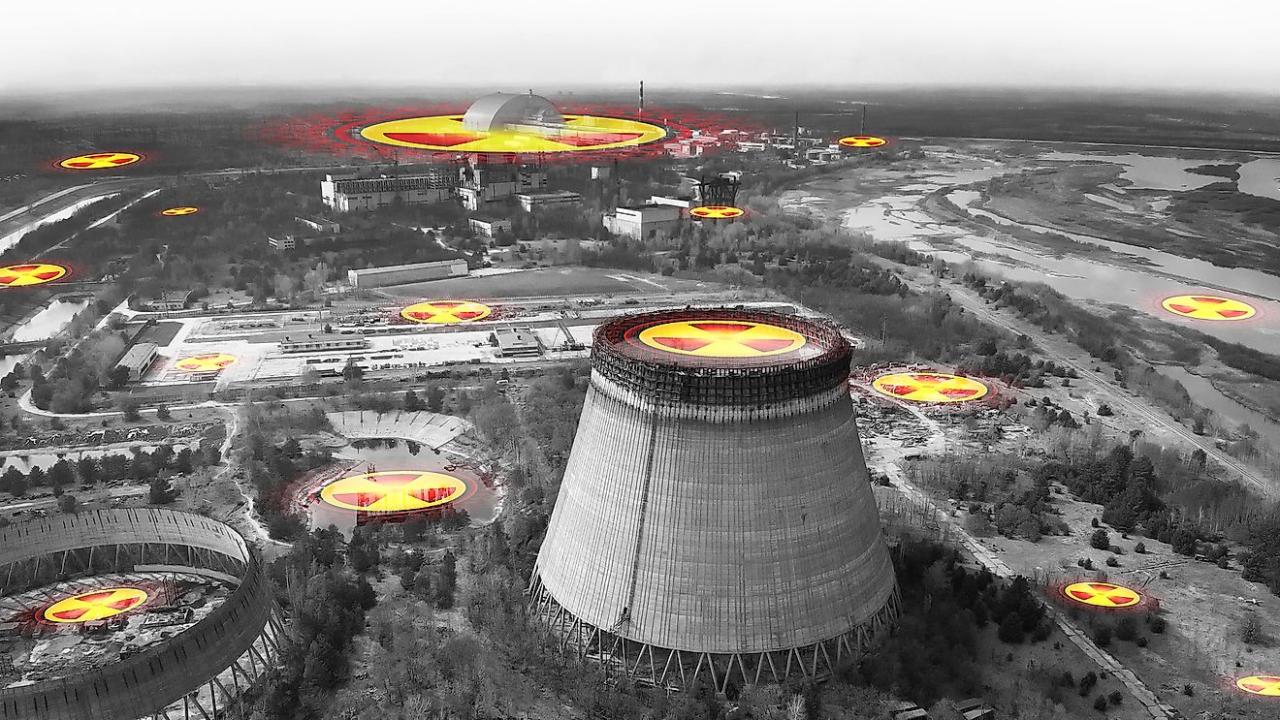
The Chernobyl Exclusion Zone, established after the 1986 disaster, is a vast area surrounding the Chernobyl Nuclear Power Plant in northern Ukraine. It remains a site of significant environmental and health concerns, and the recent Russian invasion has brought renewed attention to the potential risks associated with the site.The current situation at Chernobyl is complex and involves several interconnected factors.
The ongoing conflict has disrupted the site’s management and monitoring, raising concerns about the safety of the sarcophagus that encloses the destroyed reactor and the radioactive materials within.
Safety of the Sarcophagus
The sarcophagus, constructed in the aftermath of the disaster, is a crucial element in containing the radioactive materials released during the explosion. It has been undergoing a significant upgrade, known as the New Safe Confinement, which was completed in 2019.
The new structure, a massive arch-like shelter, is designed to further secure the sarcophagus and prevent the spread of radiation for at least 100 years. However, the ongoing conflict has raised concerns about the structural integrity of the sarcophagus and the new confinement structure.
Radiation Levels and Potential Risks
The Chernobyl Exclusion Zone continues to have elevated radiation levels, particularly in certain areas. While the radiation levels have decreased significantly since the disaster, they remain a concern for the health of workers and residents in the area. The recent conflict has disrupted the regular monitoring of radiation levels, making it difficult to assess the current situation.
There are concerns that the fighting could lead to damage to the sarcophagus or the new confinement structure, potentially releasing more radioactive material into the environment.
Management and Monitoring Challenges
The conflict has disrupted the regular operations of the Chernobyl Exclusion Zone. The Ukrainian staff responsible for monitoring and managing the site have been forced to evacuate, and the site is currently under the control of Russian forces. This disruption has raised concerns about the ability to effectively monitor and manage the site, potentially leading to safety breaches.
Environmental Impact
The Chernobyl disaster had a significant impact on the surrounding environment, leading to widespread contamination. The Exclusion Zone is home to a diverse ecosystem, including forests, wetlands, and wildlife. The ongoing conflict could exacerbate the environmental impact of the disaster, potentially leading to the release of more radioactive materials into the environment and further contaminating the area.
Humanitarian Concerns
The conflict has also raised humanitarian concerns for the people living in the Chernobyl Exclusion Zone. Many residents were forced to evacuate their homes due to the fighting, and the conflict has disrupted access to essential services, including healthcare and food supplies.
The situation is particularly precarious for those who have chosen to remain in the Exclusion Zone, facing the challenges of limited resources and the potential for increased radiation exposure.
Final Review
The presence of Russian forces at Chernobyl serves as a stark reminder of the enduring impact of the 1986 disaster. While the immediate risk of a nuclear accident may be low, the long-term consequences of any damage to the sarcophagus or the surrounding infrastructure could be catastrophic.
The international community’s watchful eye and the ongoing efforts to manage the site are crucial to ensuring the safety of Chernobyl and the surrounding region. The future of Chernobyl, like the future of Ukraine, remains uncertain, but one thing is clear: the world is watching closely.