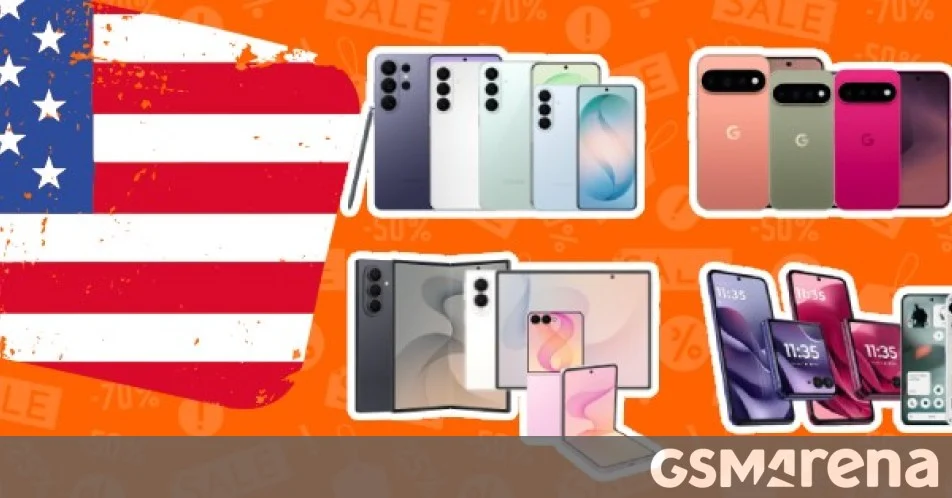
The retail industry is currently navigating the final stretch of Amazon’s extended Black Friday promotional window, a strategic shift that has moved the traditional single-day event into a week-long marathon of consumer discounts. With the official date of Black Friday arriving tomorrow, data analysis indicates that the vast majority of inventory remains available, with the notable exception of the Samsung Galaxy Xcover7 Pro, which has faced stock depletion due to high demand. As retailers push toward the conclusion of this period, consumers are advised to monitor the remaining duration on specific Samsung promotions, some of which are subject to 24-hour expiration windows.
Evolution of the Black Friday Promotional Window
Historically, Black Friday represented a distinct, 24-hour period of intense retail activity. In recent years, however, major e-commerce platforms like Amazon have expanded this timeframe to capture consumer interest earlier in the month. This shift serves as a mechanism to alleviate supply chain congestion and spread logistical burdens over a longer period. For the current cycle, the extension has allowed for dynamic price adjustments based on real-time inventory flow and competitor analysis.
The current environment is characterized by a "price-matching" dynamic where manufacturers like Samsung and Google, along with third-party retailers, calibrate their offers against one another. While some flagship devices have seen price increases compared to their early-week benchmarks—likely due to the depletion of early-bird incentive batches—other sectors, particularly in the mid-range smartphone market, are currently reaching their lowest price points of the fiscal year.
Flagship Smartphone Market Analysis
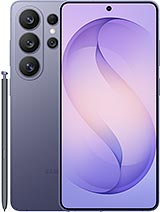
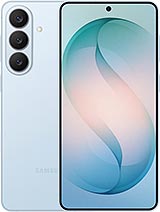
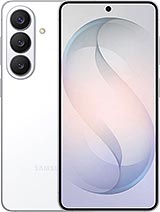
The flagship segment, traditionally anchored by the Samsung Galaxy S26 series, presents a complex landscape for buyers. While the Galaxy S26, S26+, and S26 Ultra are not explicitly labeled as "Black Friday" specials, their pricing has fluctuated significantly throughout the week. The Galaxy S26 Ultra has emerged as a focal point, with current discounts exceeding those observed just seven days ago, suggesting that retailers are incentivized to clear high-end inventory before the end of the quarter.

Google’s Pixel 11 series has also adopted a more aggressive discount strategy compared to previous iterations. The Pixel 11 Pro XL is currently being offered at a 31% discount, supplemented by a $325 trade-in bonus. Similarly, the Pixel 11 Pro holds a 32% discount with a $300 trade-in incentive. Market analysts note that the pricing proximity between the standard Pixel 11 and the Pro model—a difference of only $50—renders the vanilla model a less competitive choice, effectively driving consumer demand toward the higher-tier hardware.

The Folding Smartphone Sector: A Two-Brand Landscape
The foldable smartphone category, dominated by the Samsung Galaxy Z Fold8 and Z Fold8 Ultra, remains a high-value niche. Despite the prominence of these devices, market observers have noted that their price points have risen by approximately $50 since the previous week, indicating that early demand has successfully absorbed the most favorable promotional pricing.
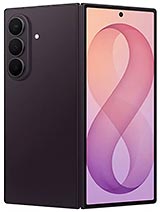
The flip-style foldable market presents a more diverse array of options, primarily due to the active presence of Motorola. The Samsung Galaxy Z Flip8 maintains a base price of $1,000, positioning it as a direct competitor to the S26 Ultra in terms of budget allocation. However, the internal competition within the Motorola ecosystem is notable. The Motorola Razr Ultra 2026 enters the market at a significant premium over the 2025 iteration. The 2025 model remains available at a $600 discount compared to the current 2026 flagship, creating a substantial value proposition for consumers prioritizing performance-to-cost ratios over the newest hardware generation.

Mid-Range Performance and Long-Term Value
In the mid-range segment, the Samsung Galaxy S26 FE has reached a record-low price point. This device is particularly noteworthy for its commitment to a seven-year OS update cycle, a factor that is increasingly influencing consumer purchasing decisions regarding long-term device sustainability. The inclusion of a telephoto camera at this price tier remains a differentiator, especially when compared to the entry-level Samsung Galaxy A37, which lacks both the advanced camera optics and the higher-performance Exynos 2500 chipset found in the FE variant.

The Nothing Phone (3) and (4a) Pro models have also gained traction in the North American market. These devices provide a distinct alternative to the established duopoly of Samsung and Google. Both models feature 50MP telephoto capabilities, which serves as a significant hardware upgrade over the 8MP sensors typically found in competing mid-range devices.

Specialized Hardware and Market Trends
Beyond mainstream smartphones, niche devices are carving out a distinct space in the retail landscape. The Fairphone 6+, marketed for its repairability and modular design, appeals to the growing demographic of consumers prioritizing sustainability and the "Right to Repair." Simultaneously, the TCL NxtPaper 70 Pro targets the reading-intensive user base, utilizing display technology designed to minimize eye strain. These categories suggest that retailers are diversifying their Black Friday portfolios to cater to specific consumer values beyond raw processing power.

Implications of Current Retail Trends
The current promotional cycle reflects several broader economic and technical trends in the mobile industry:

- Inventory Management: The exhaustion of early-week discounts on flagship foldables suggests that manufacturers are successfully managing supply to maintain higher margins as the peak shopping day approaches.
- Trade-in Economics: The emphasis on trade-in bonuses—such as those offered for the Pixel 11 series—indicates a strategic push to cycle older hardware out of the market and capture user loyalty within specific ecosystems.
- Hardware Parity: The lack of significant differentiation between the standard and Pro versions of various smartphones, as evidenced by the $50 price gap in the Google Pixel 11 line, suggests that manufacturers are attempting to upsell consumers to higher-margin devices.
- Software Longevity: The market reception of the S26 FE highlights the growing importance of software support as a primary sales driver. Consumers are increasingly viewing their phone purchases as multi-year investments rather than short-term accessories.
Final Procurement Advice
As the final hours of the Black Friday week-long sale approach, consumers should be cognizant of the time-sensitive nature of these offers. The presence of countdown timers on select Samsung products serves as a reminder that promotional windows are subject to change based on real-time demand.

For those looking to optimize their expenditure, the data suggests that the "sweet spot" remains in the mid-range segment, where long-term support and high-end camera features are currently available at unprecedented price points. Conversely, buyers interested in foldable technology should evaluate whether the incremental upgrades in the 2026 hardware models justify the price gap compared to the still-capable 2025 variants. As the industry looks toward the post-Black Friday period, the focus will likely shift from aggressive discounting to maintaining steady-state retail prices for the remainder of the holiday shopping season.

This analysis is intended for informational purposes only. Readers should verify individual merchant policies and current pricing before finalizing transactions, as market fluctuations may occur without prior notice. Retailers and manufacturers have provided the current data through official promotional channels; however, the availability of these specific models and discounts remains subject to local stock levels and regional retail variations.