The relationship between the executive branch and the press corps reached a historic breaking point this week, culminating in a legal showdown that forced the federal judiciary to intervene in the daily operations of the White House. The dispute, centered on the administration’s attempt to revoke the press credentials of CNN, MS NOW, and Politico, serves as a stark reminder of the fragile nature of democratic norms and the tension between presidential authority and the First Amendment. What began as a series of targeted administrative bans transformed into a complex constitutional crisis, raising fundamental questions about the role of the press in American governance and the limitations of executive power regarding media access.
The Chronology of the Conflict
The friction between President Donald Trump and several major media organizations has been a hallmark of his tenure, yet the events of the past week represent an escalation in both tactics and legal scrutiny. The conflict effectively commenced when the administration moved to ban CNN, MS NOW, and Politico from White House grounds, citing dissatisfaction with their editorial coverage.
On Wednesday, the conflict shifted from political rhetoric to the courtroom, as U.S. District Judge Timothy Kelly presided over a hearing to determine the validity of the administration’s actions. The atmosphere was charged with the weight of historical precedent, as legal representatives for the media outlets argued that the revocation of "hard passes" was a retaliatory measure designed to stifle unfavorable reporting.
The legal resolution arrived in the early hours of Thursday morning. Judge Kelly ruled in favor of the journalists, issuing a 14-day temporary restraining order. His decision, rooted in the Fifth Amendment’s due process clause, underscored a critical procedural failure by the administration. Kelly noted that the defendants failed to provide notice or an opportunity for the affected journalists to contest the revocation of their credentials. Furthermore, the judge expressed deep skepticism regarding the administration’s stated rationale for the ban—national security concerns—noting that the President’s own public statements had framed the action as a direct response to the perceived "lack of truthfulness" in the outlets’ reporting.
A Disputed Restoration of Access
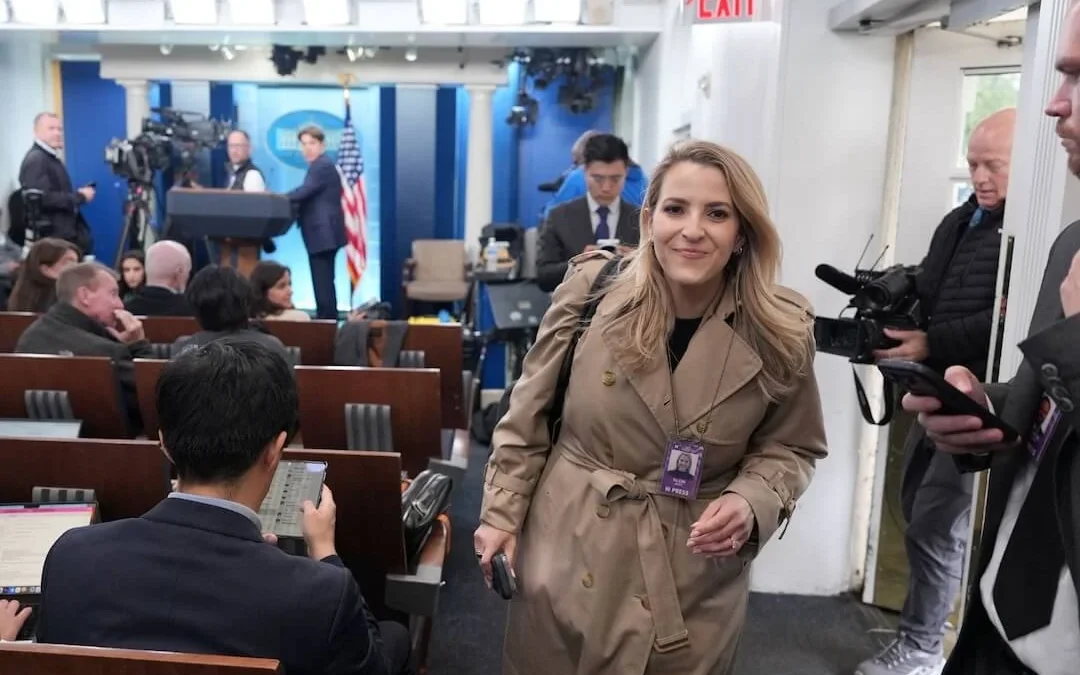
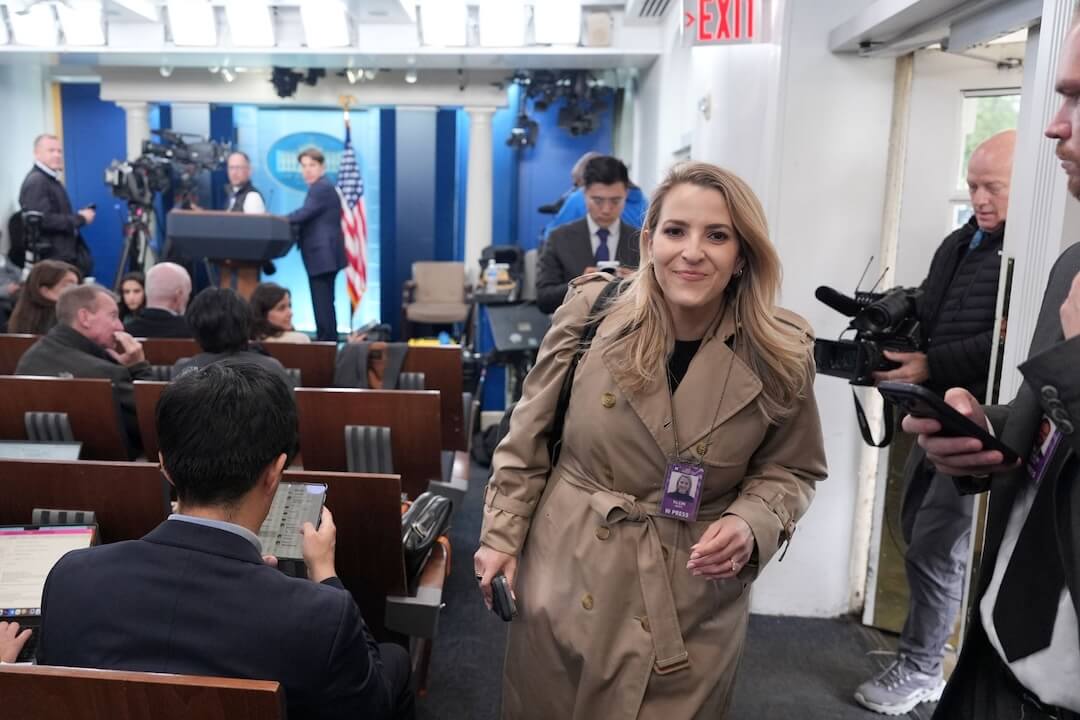
Following the issuance of the temporary restraining order, the situation on the ground remained chaotic. Despite the clear mandate from the court for the White House to "immediately return, reinstate, and restore" press credentials, journalists from the affected outlets reported continued denial of access to the White House grounds well into Thursday morning.
This noncompliance prompted an emergency request from the media outlets’ legal team. Theodore J. Boutrous, lead attorney for the plaintiffs, formally argued that the administration was in clear violation of the court’s order. While the White House press operations director, Micah Stopperich, claimed that badges had been restored in the early morning hours, firsthand accounts from reporters on the scene contradicted this timeline. Reporters such as Betsy Klein were documented as being turned away as late as 11:00 a.m., hours after the judge’s ruling. It was not until midday that the journalists were finally permitted entry, though the delay fueled significant concern regarding the administration’s willingness to adhere to judicial mandates.
The Geopolitical Irony of the Moment
The timing of this administrative blockade added a layer of irony that did not escape the notice of observers. Throughout the standoff, the White House was hosting Chinese leader Xi Jinping. Journalists were quick to point out the contrast between the President’s rhetoric on democratic values and the reality of the scene: Chinese state media representatives were granted access to the White House grounds while American journalists were being barred.
Dana Bash, hosting CNN’s "Inside Politics," highlighted the symbolic damage caused by the administration’s actions. By restricting domestic media while hosting a foreign head of state, the administration provided a contradictory signal regarding the importance of a free press and the democratic checks and balances that define the American system.
The Legal and Constitutional Stakes
The involvement of the judiciary in this matter underscores the gravity of the dispute. During an appearance on "Deadline: White House," attorney Theodore J. Boutrous emphasized that the case transcends the specific interests of the three media outlets involved. Boutrous argued that the government’s legal brief—which appeared to suggest that the executive branch has the authority to unilaterally decide which journalists may cover it—represents a fundamental misunderstanding of the relationship between the government and the press.
"It’s really shocking that that’s the position of the United States government," Boutrous stated, noting that the government’s stance appeared to advocate for a framework where journalists are not permitted to gather information that the government deems sensitive or critical. The legal team remains prepared for the next stage of litigation, specifically the preliminary injunction hearing, where they expect the administration to attempt to construct a more robust, albeit legally dubious, rationale for the bans.
Implications for the Media and the Public
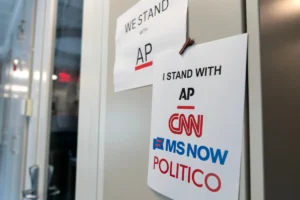
The broader implications of this week’s events are significant. The suspension of the TV pool during the height of the crisis demonstrated the degree to which media organizations were willing to stand in solidarity to protect the principle of equitable access. As the New York Times reported, major networks signaled they would not resume standard coverage until they were assured that the affected outlets were allowed to participate in the press pool.
Furthermore, the tension did not dissipate entirely once the ban was lifted. Reports emerged Thursday evening that reporters from CNN and MS NOW were blocked from covering a state dinner at the White House. According to CNN’s Kristen Holmes and MS NOW’s Laura Barrón-López, they were told their credentials were restricted to technical (audio and camera) use only, with no editorial presence allowed. This suggests that while the court-ordered access to the grounds was restored, the administration continued to employ more granular, administrative hurdles to restrict reporting on specific high-profile events.
Analyzing the Erosion of Norms
The events of this week have provided a clear case study on the erosion of institutional norms. The conflict highlights a shift in the perceived utility of the press, moving from a standard adversarial relationship toward a model of administrative exclusion.
From a data perspective, the White House press corps operates on a system of mutual reliance. The "hard pass" is not a gift from the administration but a tool that allows the press to perform its function as an extension of the public’s right to know. When the criteria for holding such a pass shift from objective standards (such as security clearances and the necessity of reporting) to subjective criteria (such as the tone or content of coverage), the foundation of press freedom is compromised.
The judiciary’s intervention, while effective in the immediate term, highlights that the courts may become a frequent forum for resolving disputes that were previously handled through negotiation and tradition. If the administration continues to challenge the established norms of press access, the legal system may be forced to define with greater precision the extent of the President’s authority over the White House press pool.
Conclusion
The events of this week served as a stress test for the First Amendment. While the legal victory for the media outlets was a decisive win for the principle of a free press, the resistance encountered during the implementation of the court’s order points to a challenging path forward. As the case moves toward a preliminary injunction, the focus will remain on whether the government can provide a constitutionally sound justification for restricting access, or if the court will firmly reject the notion that presidential antipathy is a valid basis for curtailing the rights of the press. For now, the incident remains a potent reminder that the freedoms Americans take for granted—including the right to witness their government in action—are subject to ongoing defense in both the halls of power and the chambers of justice.