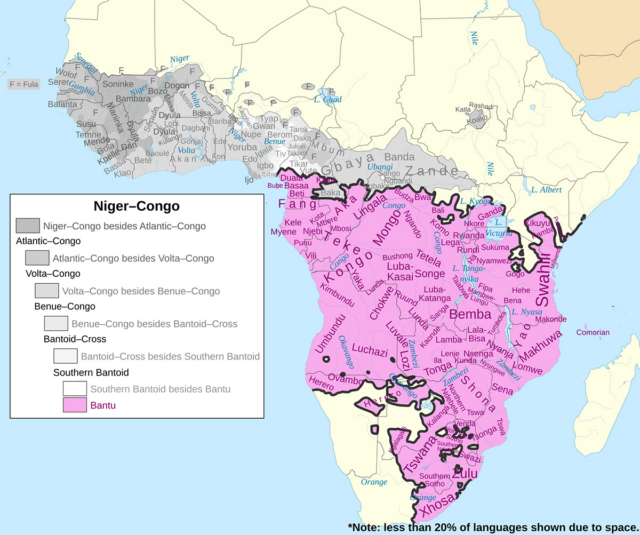
The archaeological and genetic history of sub-Saharan Africa has been fundamentally rewritten in recent years by a multidisciplinary synthesis of data, revealing the profound reach of the Bantu expansion—a migration that stands as one of the most significant human demographic movements in history. Beginning between 6,000 and 4,000 years ago, ancestral Bantu-speaking communities moved from their homeland in the Grassfields region of western Africa, primarily modern-day Cameroon, to settle across the vast majority of the continent’s southern half. This expansion was not merely a movement of people; it was the vector for a transformative “package” of technologies and lifestyles, including sedentary agriculture, iron metallurgy, livestock management, and specialized pottery production.
Today, the legacy of this migration is etched into the demographic and linguistic reality of the continent. Approximately 350 million people speak one of roughly 500 distinct Bantu languages, ranging from the widely spoken Swahili in the east to Zulu and Xhosa in the south. Beyond linguistics, genetic studies have confirmed that the Bantu expansion left an indelible mark on the ancestry of hundreds of millions of Africans, as well as significant populations in the African diaspora.
The Technological Engine of Expansion
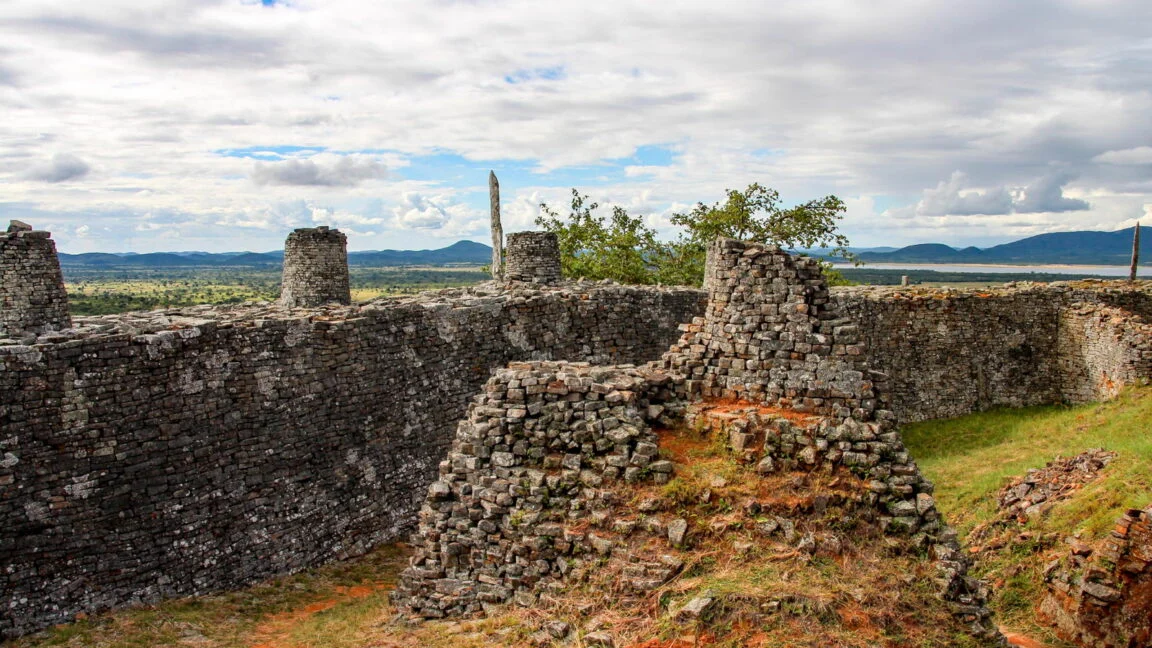
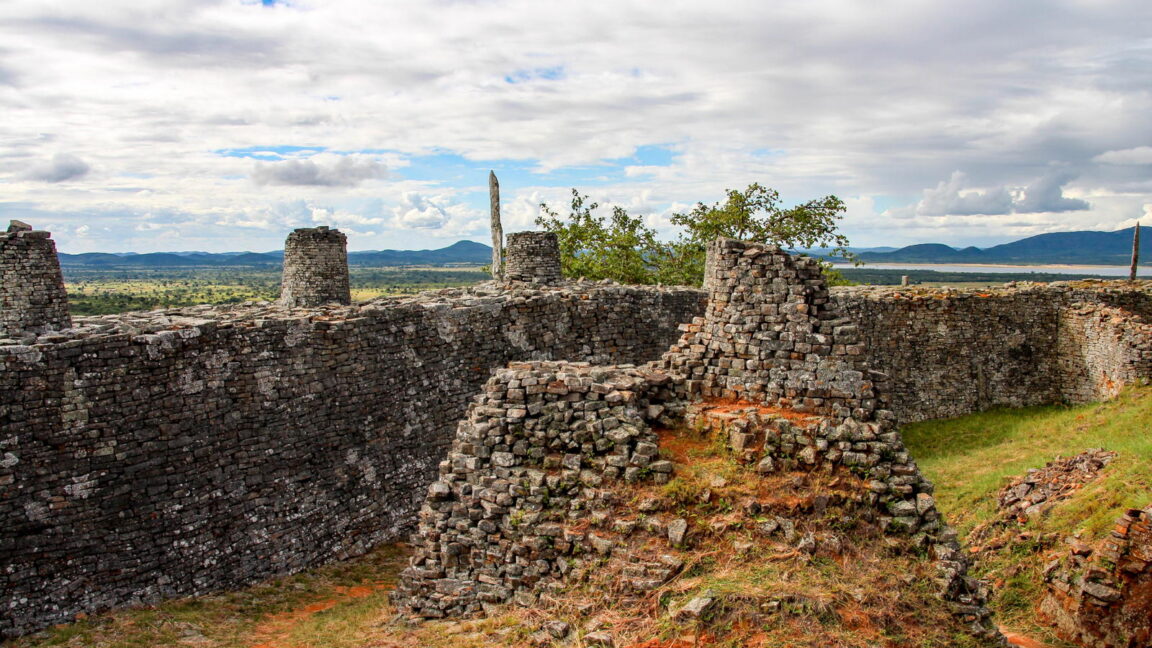
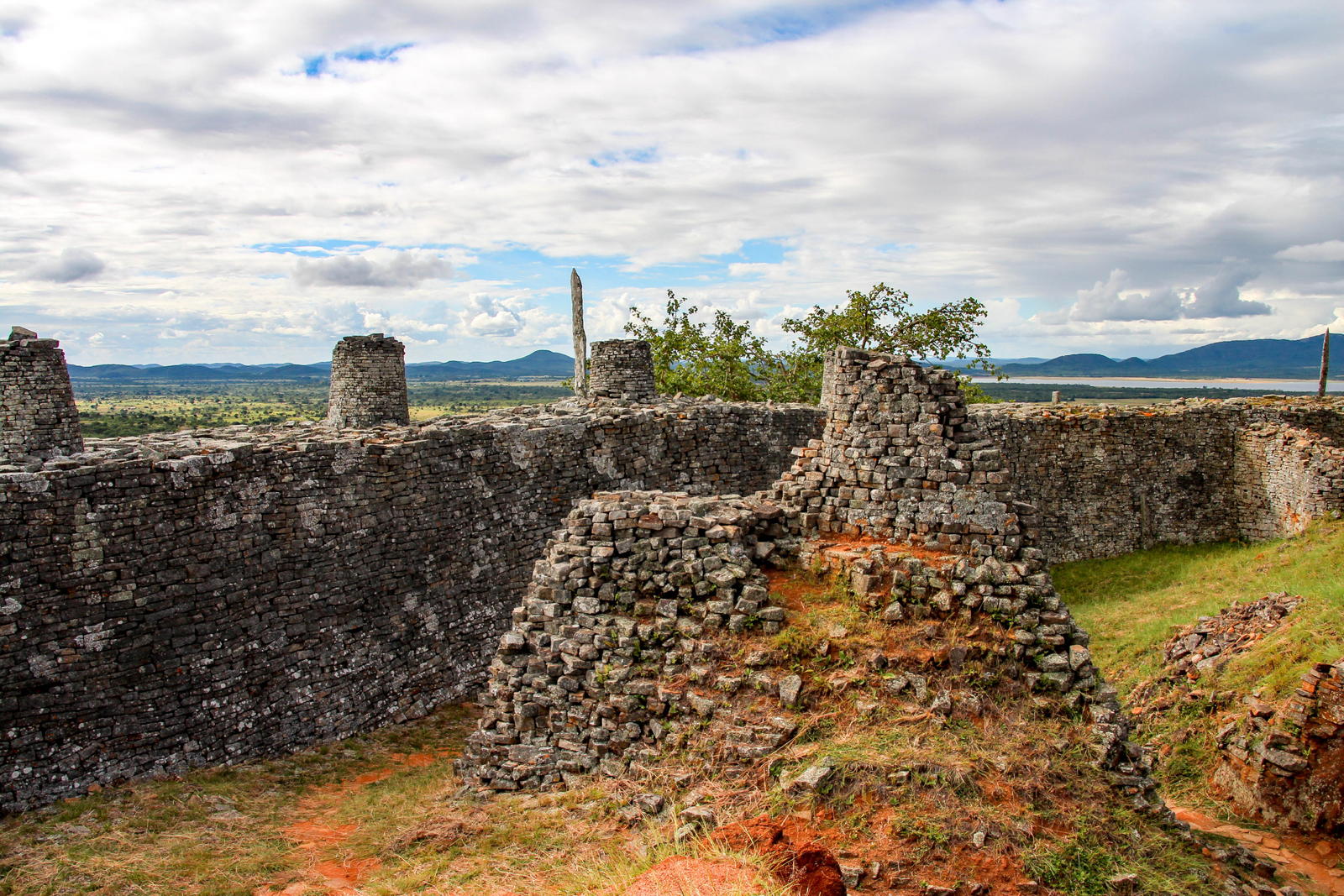
The success of the Bantu speakers in populating new territories was underpinned by their mastery of the environment, most notably through iron production. The ancient city of Great Zimbabwe, which flourished between 1000 and 1700 AD, serves as a testament to this technological sophistication. Archaeometallurgists have identified the ruins of advanced iron-smelting furnaces in the region that utilized natural-draft technology—a design that allowed the furnaces to draw air through a chimney system, reaching temperatures exceeding 2,100 degrees Fahrenheit. This innovation removed the need for manual bellows, drastically increasing efficiency.
This technical prowess, applied to the production of iron hoes, axes, and arrowheads, provided Bantu settlers with a decisive advantage over the hunter-gatherer communities they encountered. The ability to clear forests for farmland and maintain large, settled populations enabled the rapid demographic growth required to push further into the Congo rainforest and eventually toward the southern and eastern coasts. The iron-smelting traditions were not just industrial; they were deeply integrated into the cultural fabric, with some evidence suggesting that ritualistic practices, such as the inclusion of bone fragments in furnaces, served the technical purpose of adding calcium to the melt, thereby purifying the iron.
A Chronological Reconstruction of the Migration
The migration did not occur as a single, rapid sweep but rather as a multi-generational, staggered expansion. Initial linguistic evidence, observed by 19th-century scholars, established that Bantu languages shared a common ancestry. This hypothesis was later supported by the geographical distribution of language diversity; the greatest variety of Bantu languages is found in the region of the western African homeland, indicating that this is the point of origin.
Archaeological records, while historically underfunded, provide a clear north-to-south trajectory. By the 1990s, scholars began to debate whether this diffusion was the result of direct human migration or a cultural osmosis where local groups adopted new technologies. However, the 21st-century revolution in population genetics has settled this debate. Large-scale genomic analyses, including a 2024 study of 1,763 individuals, demonstrate that genetic diversity among Bantu speakers is highest in western Africa and declines as one moves further away from the homeland. This "isolation by distance" pattern is a classic genetic signature of a population expanding into new, previously unpopulated or sparsely populated territories.
The trajectory through the Congo rainforest has been a particular focus of recent research. Computational linguistic models developed in 2015, using data from over 400 languages, indicate that ancestral Bantu groups spent an extended period within the Congo basin, allowing for significant linguistic divergence before splitting into distinct eastern and southern streams upon reaching the rainforest’s southern edge roughly 2,500 to 3,500 years ago.
Interaction and Cultural Synthesis
The Bantu expansion was characterized by more than just displacement; it was a complex process of interaction, conflict, and synthesis. Genetic studies reveal that Bantu-speaking populations in central and southern Africa share significant portions of their DNA with the Indigenous groups they encountered, such as the rainforest hunter-gatherers and the Khoisan peoples.
Intriguingly, this admixture shows a distinct gender bias. In southern Africa, mitochondrial DNA—inherited through the maternal line—shows higher proportions of Khoisan ancestry, while Y-chromosome data—inherited from the paternal line—is dominated by Bantu markers. This suggests a pattern of Bantu-speaking men integrating with local Khoisan women. The influence of this contact is also reflected in language, as the distinctive click consonants found in certain southern Bantu languages, such as Zulu and Xhosa, are widely considered to be a "substrate" inherited from contact with Khoisan languages.
Archaeological excavations at sites in Mozambique have uncovered evidence of coexistence, where hunter-gatherer groups appear to have adopted Bantu-style pottery, suggesting that these groups were not merely victims of displacement but were also active participants in a regional network of trade and cultural exchange. By the 12th century, these networks had become global; archaeological findings of Chinese porcelain and glass beads in southern African ruins demonstrate that the complex societies built by Bantu speakers were integrated into vast Indian Ocean trade routes, exporting gold, ivory, and high-quality iron to markets as far away as India.
Challenges and Future Directions
Despite the progress made by linguists, geneticists, and archaeologists, the "complete story" of the Bantu expansion remains a work in progress. Significant gaps in the archaeological record persist, partly due to the historical lack of institutional funding for African research. Many experts, including those from the University of Oxford and the Field Museum of Natural History, emphasize that future breakthroughs depend on increased support for African-led excavations and the development of local laboratories.

Linguistic research also faces challenges. While computational models have provided a framework for understanding language evolution, they often struggle to account for the "cross-pollination" that occurred when different groups met. Newer studies, such as the 2026 research on Bantu linguistic contact, indicate that traditional "tree-like" models of language development may be too simplistic. Experts argue that rigorous, on-the-ground documentation of under-studied Bantu languages is necessary before accurate historical modeling can be finalized.
Furthermore, the integration of ancient DNA (aDNA) from archaeological remains is the next frontier. By analyzing the genomes of individuals who lived thousands of years ago, scientists hope to move beyond broad demographic models to observe specific migration events in real-time. This will help clarify the "spread over spread" events—the multiple waves of migration that likely occurred as societies shifted and merged.
The Bantu expansion remains one of the most profound chapters in human history, having transformed the demography, technology, and culture of a continent. It serves as a reminder that Africa’s history is not defined by static boundaries, but by a dynamic and innovative process of movement and exchange. As researchers continue to bridge the gap between genetics and the archaeological record, they are not only uncovering the origins of the modern African continent but also illustrating the resilience and adaptability of human migration in the face of environmental and social change. The ongoing collaboration between the three disciplines—archaeology, linguistics, and genetics—is essential to ensuring that the story of the Bantu-speaking peoples continues to be told with the accuracy and depth that its significance demands.