The modern consumer landscape is engineered to encourage recurring, low-friction spending. Retail analytics indicate that the average household experiences "subscription creep"—a phenomenon where small, habitual purchases of consumable goods drain disposable income without providing significant utility. By analyzing consumer behavior patterns and the life cycles of common household goods, financial experts have identified 33 specific items that, when purchased with less frequency or replaced with more durable alternatives, can result in substantial annual savings.
The Psychology of Habitual Spending
Retail marketing often relies on the "path of least resistance." By placing consumable goods near checkout counters or utilizing subscription models for household staples, retailers capitalize on the consumer’s desire for convenience. Behavioral economists categorize these as "micro-expenses," which often escape the rigorous scrutiny applied to major capital expenditures like vehicles or real estate. However, longitudinal studies suggest that these small, cumulative costs are a primary factor in household budget volatility.

Categorizing the Waste: From Sponges to Appliances
A systematic review of household inventory reveals several categories where consumer habits are frequently disconnected from the functional longevity of the products.
Cleaning and Consumable Goods
The most frequent culprits are disposable cleaning supplies. The practice of discarding kitchen sponges on a weekly basis is largely driven by sanitation concerns that may be overstated. Research from the U.S. Department of Agriculture (USDA) suggests that proper cleaning—rinsing, wringing, and allowing full air-drying—significantly extends the useful life of a sponge. By shifting to a bulk-purchase model and utilizing more durable cleaning cloths, households can reduce this specific line item by approximately 70% annually.
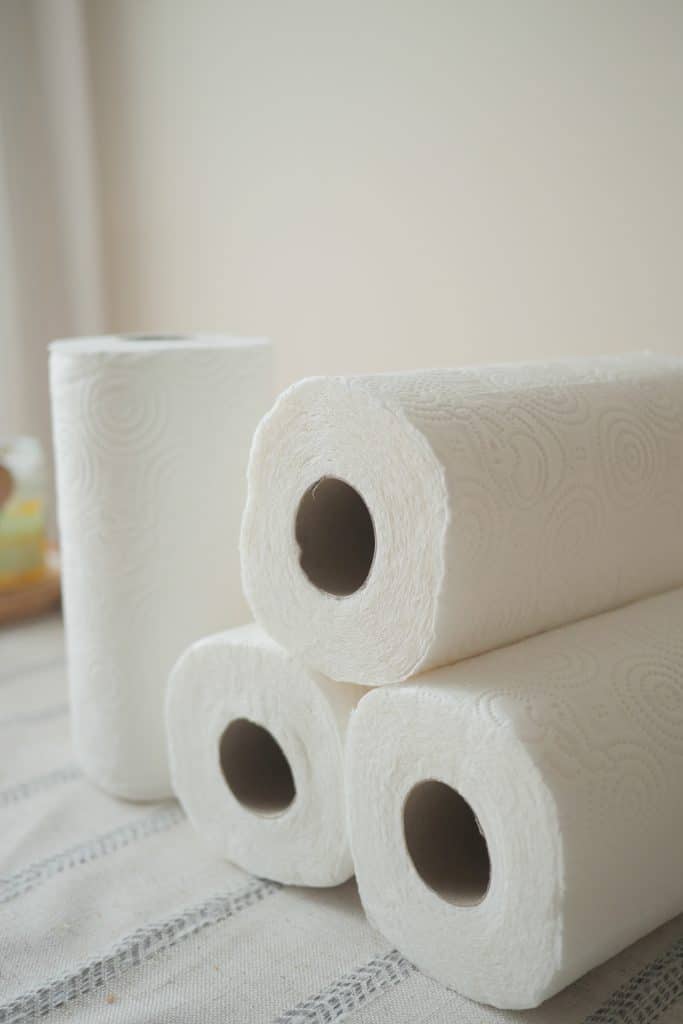
Similarly, the reliance on single-use paper towels for minor spills represents a significant financial leak. When compared to the cost of reusable microfiber or cotton towels, which can be laundered hundreds of times, the "per-use" cost of paper towels is exponentially higher.
The Hidden Cost of "Convenience" Packaging
Consumer goods such as trash bags and water bottles are frequently purchased in "convenience packs" at supermarkets. Financial analysis shows that these formats often carry a markup of 200% to 300% compared to warehouse-style bulk packaging. The transition to larger, high-volume containers reduces the unit price, effectively turning a recurring, high-cost expense into a lower-frequency, manageable investment.
The Durability Gap: Appliances and Hardware
A significant portion of household spending is directed toward replacing items that have not actually reached the end of their functional life.
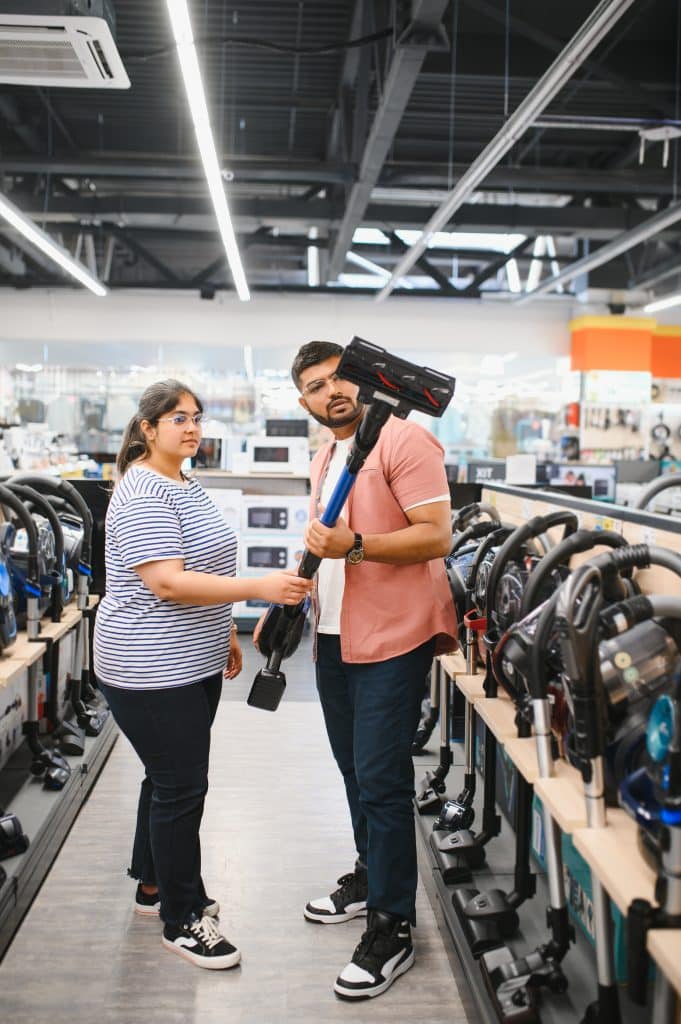
- Vacuum Cleaners and Small Appliances: Consumer advocacy groups frequently report that a large percentage of "broken" vacuum cleaners are simply suffering from clogged filters or tangled brush rolls. The tendency to replace, rather than repair, is a major driver of e-waste and unnecessary household spending.
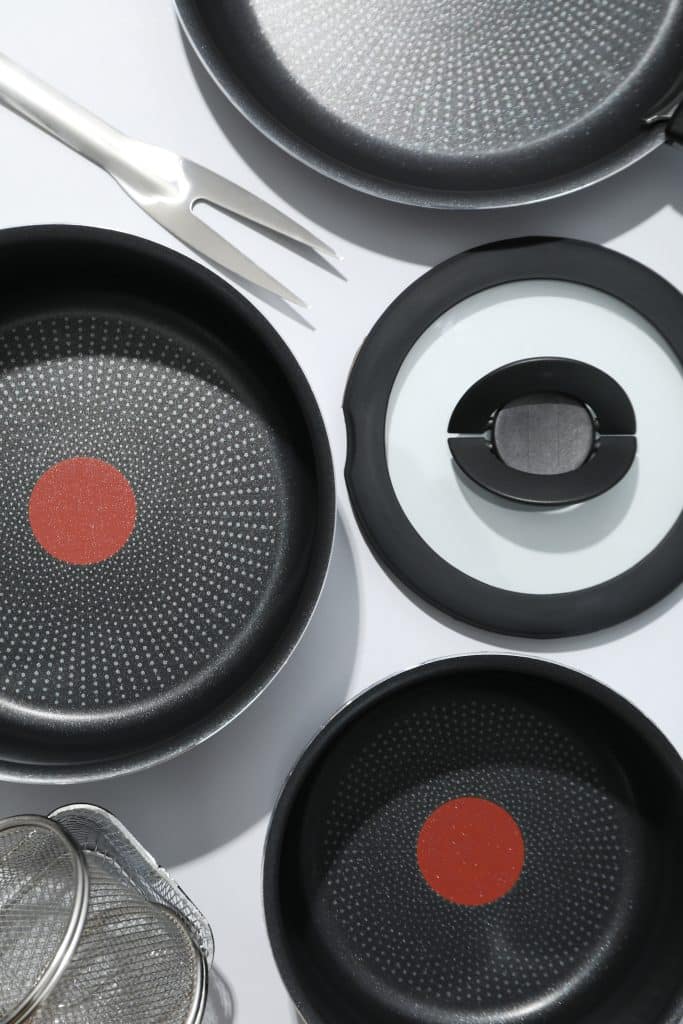
- Nonstick Cookware: While low-cost nonstick pans are ubiquitous, their coatings are notoriously fragile. By investing in mid-range cookware and adhering to strict maintenance protocols—such as avoiding metal utensils and high-heat settings—the replacement cycle can be extended from one year to five or more.
- Garden and Hand Tools: The "bargain-bin" trap is particularly prevalent in hardware. Tools manufactured with low-grade materials often fail during their first period of high-intensity use. The strategy of "buying once, buying right" remains the most effective hedge against the recurring cost of cheap tool replacement.
Strategic Timing and Market Cycles
Large-ticket items, particularly furniture and major appliances, are subject to predictable price fluctuations tied to the retail calendar. Data from major retailers shows that inventory turnover cycles often lead to deep discounts during specific windows, such as holiday weekends or end-of-quarter clear-outs. Consumers who time their purchases according to these cycles, rather than reacting to an immediate need, can save between 15% and 40% on standard retail prices.

Furthermore, the secondary market has evolved. With the rise of reputable online platforms for second-hand furniture, the "new-only" mentality is increasingly seen as an outdated financial strategy. Quality furniture, particularly solid wood pieces, often retains structural integrity long after its initial purchase, making second-hand acquisitions a fiscally sound decision.

The Role of "Generic" Alternatives
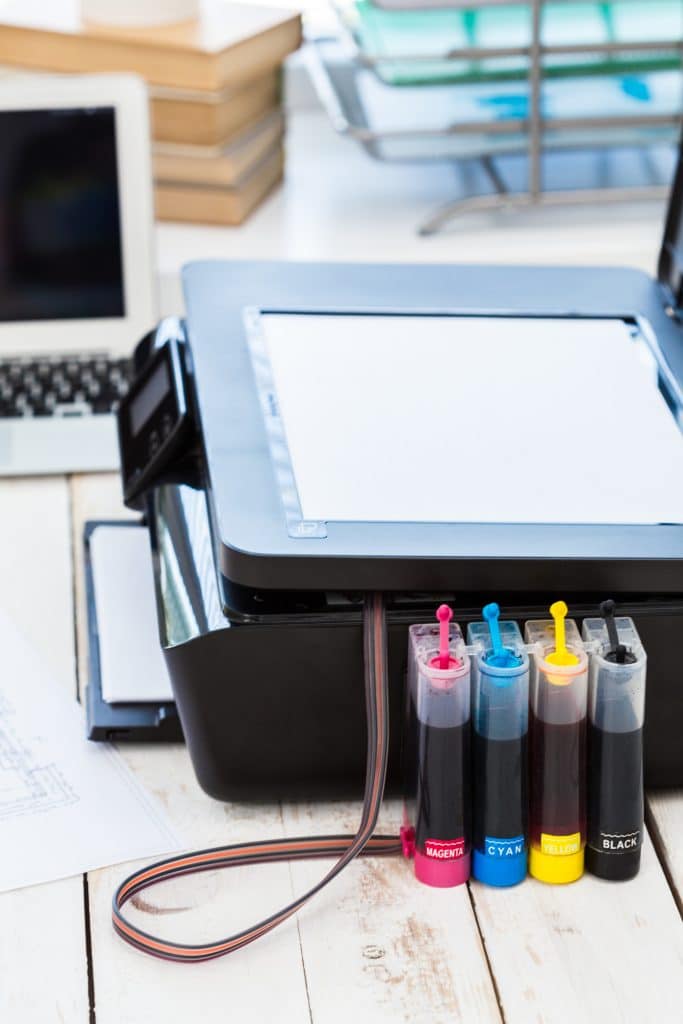
A critical component of financial optimization is the "generic test." In many instances, private-label products are manufactured in the same facilities as premium, name-brand items. The price difference—often 30% or more—is primarily attributable to marketing budgets rather than chemical composition or quality control. For staples such as printer ink, cleaning solutions, and basic pharmaceuticals, the generic or third-party compatible option offers near-identical performance at a fraction of the cost.
Implications for Long-Term Financial Planning
The cumulative effect of these changes is not merely about "frugality" but about the intentional allocation of resources. When a household shifts from an "autopilot" purchasing mindset to a deliberate, needs-based strategy, the freed-up capital can be redirected toward higher-yield financial vehicles, such as retirement accounts or emergency funds.
Data Summary of Potential Savings (Estimated)
| Category | Traditional Habit | Optimized Habit | Annual Potential Savings |
|---|---|---|---|
| Cleaning Supplies | Weekly replacement | Bulk/Reusable | $150 – $250 |
| Consumables (Water/Paper) | Weekly store runs | Bulk/Filtered | $300 – $500 |
| Small Appliances | Replace at first sign of issue | Maintenance/Repair | $200 – $600 |
| Total | $650 – $1,350+ |
Industry and Expert Perspective
Financial planners often emphasize that the goal is not total deprivation, but the elimination of "frictionless waste." The industry consensus is that consumer behavior is heavily influenced by the ease of purchase; therefore, by introducing intentional barriers to purchasing—such as a 48-hour waiting period for non-essential items—consumers can significantly reduce impulsive spending.

Retail analysts note that the "subscription-everything" model is a direct response to this trend. Businesses are increasingly moving toward automated, recurring revenue models to lock in consumers. Awareness of these mechanisms is the first step toward reclaiming budget control.

Conclusion: Moving from Autopilot to Intent
The transition to a more efficient household budget requires a shift in perspective. It involves questioning the necessity of "newness," understanding the difference between maintenance and end-of-life for appliances, and resisting the marketing pressure to purchase convenience at a premium.
Ultimately, the most successful households are those that treat every purchase as an investment of their time and resources. By auditing recurring expenses and prioritizing quality and repairability over impulse, consumers can create a more resilient financial profile. The objective is to stop buying out of habit and start purchasing with a clear, defined purpose. This methodical approach to household management ensures that money is not lost to the "drawer of useless things" but is instead preserved for long-term financial security and meaningful life goals.