The release of the September 2026 desktop wallpaper collection marks a significant milestone in a digital tradition that has spanned more than 15 years. This ongoing initiative serves as a decentralized platform for global designers to showcase their artistic capabilities, offering a unique departure from the constraints of client-based design work. By facilitating a space where creative autonomy takes precedence over stakeholder requirements, the project has evolved into a repository of diverse visual narratives that reflect the transitional nature of the calendar year.
The Historical Context and Evolution of the Project
Since its inception over a decade and a half ago, the monthly wallpaper series has functioned as a cornerstone for community-led design. The project was originally conceived to provide graphic designers, illustrators, and digital artists with a low-pressure environment to iterate on their craft. Over the years, the scope of the project has expanded significantly; what began as a niche interest for a small group of web designers has matured into a global call for submissions that attracts contributors from diverse cultural backgrounds, including Serbia, Spain, India, Belgium, Hungary, Canada, and Mexico.
The project operates on a consistent, predictable schedule. Every month, an open call for submissions is issued, followed by a curation process that emphasizes artistic merit, thematic relevance, and technical quality. By the end of each month, the upcoming collection is finalized and released to the public, providing users with free access to high-resolution assets that facilitate personal digital expression.
Analyzing the September 2026 Creative Themes
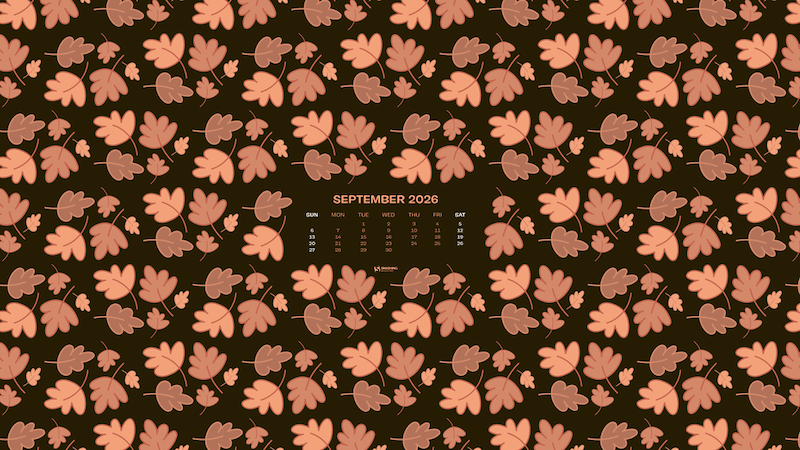
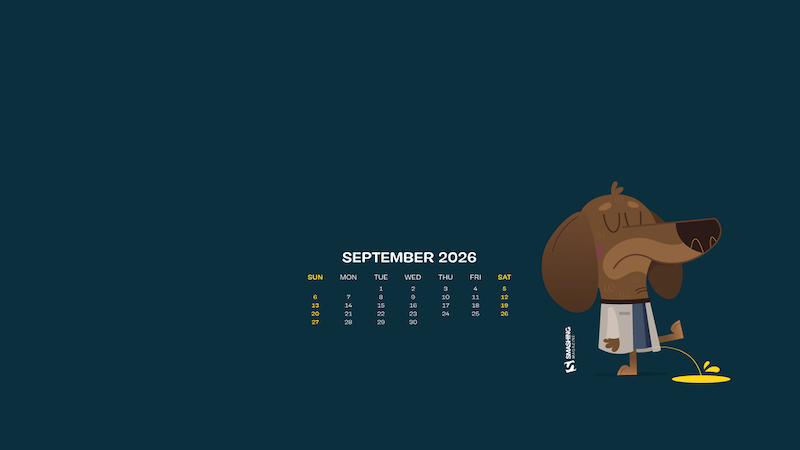
The September 2026 collection is characterized by a palpable sense of transition. As the Northern Hemisphere shifts from summer to autumn, the submitted designs offer a study in seasonal psychology. The visual language employed by the artists captures the tension between the residual energy of summer—represented by vibrant palettes and themes of vacation—and the impending arrival of autumn, marked by darker tones, forest imagery, and motifs of introspection.
Seasonal Transitions and Environmental Reflection
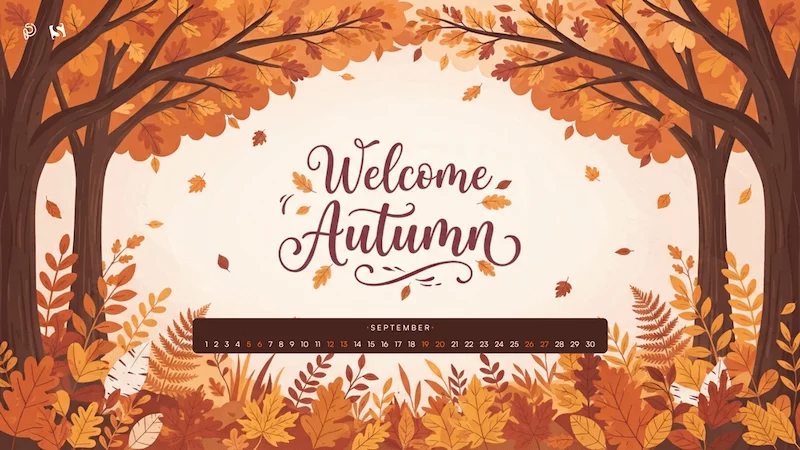
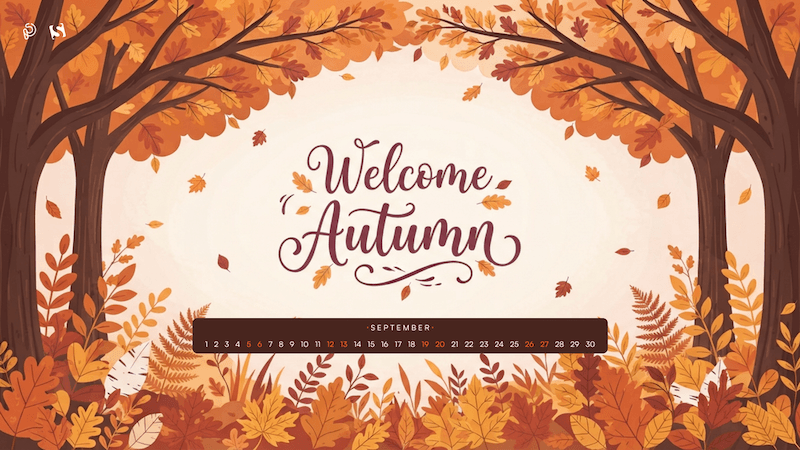
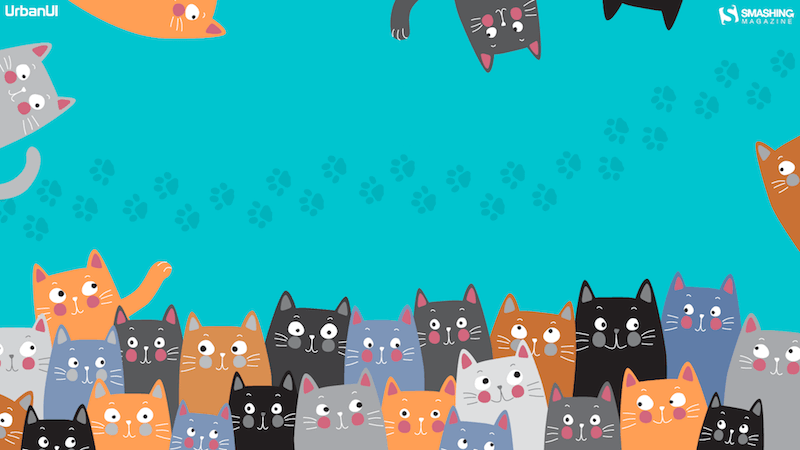
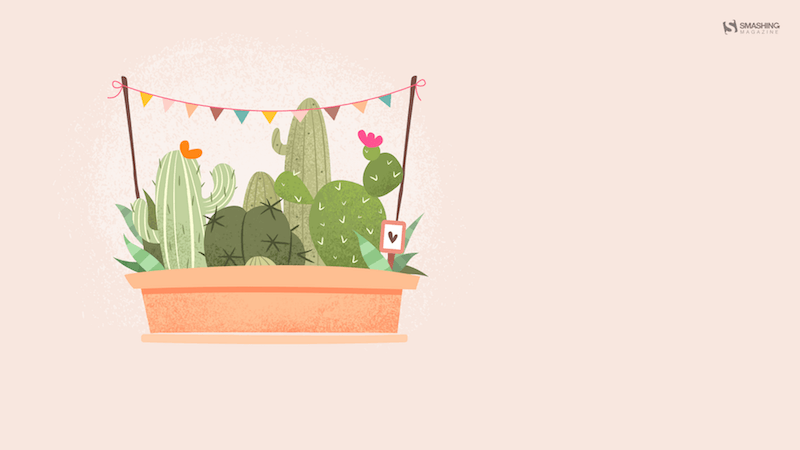
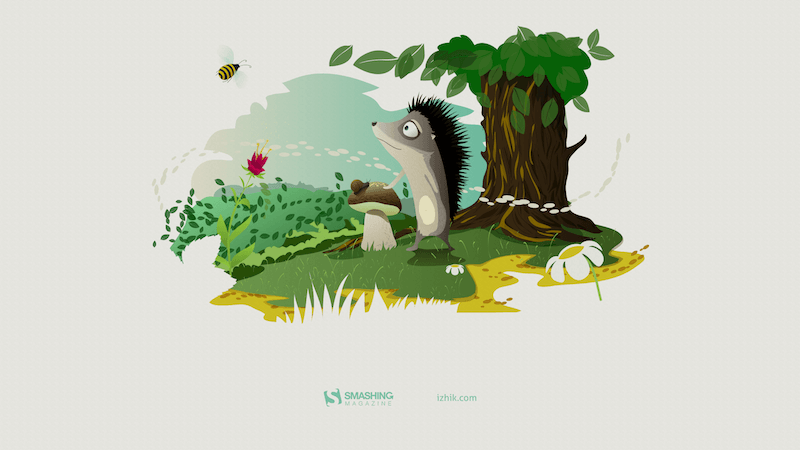
Several contributors have chosen to focus on the ecological shift associated with September. PopArt Studio, a design collective based in Serbia, contributed "Welcome Autumn," an illustration that utilizes a woodland canopy to frame the viewer’s workspace. The design employs a color palette of amber, rust, and deep burgundy, intentionally aiming to evoke the "quiet transition into a slower rhythm." This focus on nature is a recurring theme; other contributors, such as Livia Lénárt from Hungary, utilized cacti to emphasize the persistence of nature regardless of the calendar, while Igor Izhik from Canada drew inspiration from the traditional seasonal activity of mushroom foraging.
Cultural and Regional Expressions
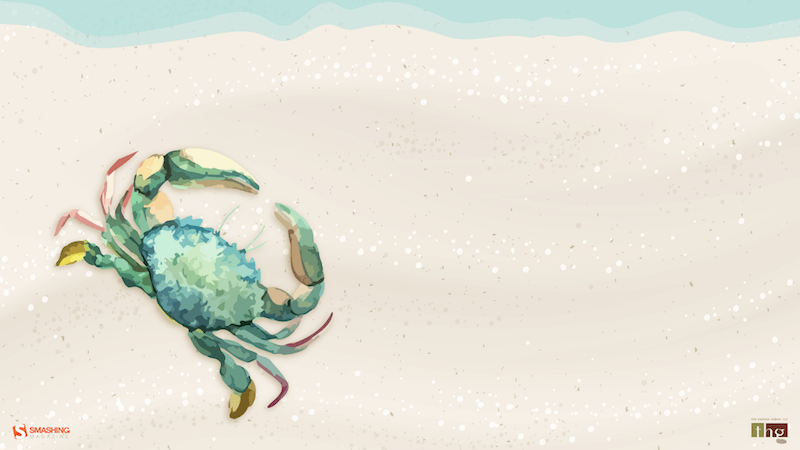
The collection also highlights the intersection of regional identity and artistic output. The Hannon Group from Washington, D.C., provided a design titled "Maryland Pride," which honors the blue crab—a symbol of regional economic and cultural significance in the United States. Simultaneously, Maria Keller from Mexico utilized the backdrop of the country’s Independence Day to illustrate the cultural icon of Lucha Libre. These contributions demonstrate how the platform serves as a medium for designers to communicate regional heritage to a global audience.
Supporting Data and Community Participation Metrics
The success of this monthly initiative can be measured by both the volume of participation and the breadth of the geographical reach. While specific download metrics for the September 2026 release are proprietary, historical performance data suggests that these collections serve thousands of users across multiple operating systems. The requirement for multiple resolutions—ranging from standard mobile displays to ultra-high-definition desktop monitors—highlights the technical rigor required by the contributors.
The project relies on a "community-for-the-community" model, which effectively bypasses the traditional commercial barriers to high-quality digital art. By removing client-driven feedback loops, the platform encourages designers to experiment with non-traditional aesthetics, including minimalism, abstract patterns, and complex illustrative storytelling.
The Professional Implications for Graphic Designers
For professional designers, the value of the monthly wallpaper series extends beyond the aesthetic contribution. It serves as a form of "pro-bono" professional development. In a landscape increasingly dominated by generative AI and automated design tools, the ability for human artists to create work that resonates on an emotional and seasonal level remains a vital differentiator.

Designers such as Ricardo Gimenes (Spain) and the team at PopArt Studio (Serbia) have become recurring contributors, signaling a high level of engagement with the platform. For these artists, the series provides a consistent portfolio piece that demonstrates versatility and a commitment to the design community. Furthermore, the act of contributing to a public-facing series allows designers to cultivate a personal brand that is not tied to a specific corporate entity, but rather to their individual artistic vision.
Chronology of the 2026 Selection Process
The assembly of the September 2026 collection followed a rigorous, time-bound sequence:

- Early August: The open call for submissions was disseminated across professional design networks and social media platforms.
- Mid-August: Initial concepts and sketches were submitted, focusing on the themes of late summer and early autumn.
- Late August: A period of internal review was conducted, focusing on resolution standards, artistic composition, and adherence to the thematic guidelines.
- August 30–31: Final file optimization and formatting for various screen sizes (including mobile, tablet, and desktop).
- September 1: Official publication of the collection, coinciding with the start of the month.
Official Responses and Future Outlook
Organizers at the publication level have expressed strong satisfaction with the caliber of the 2026 submissions. In a statement regarding the future of the project, representatives emphasized the importance of maintaining an open submission policy. By allowing any designer to submit work, the platform ensures that the collection remains diverse, avoiding the homogenization often found in commercially curated stock-image libraries.
"We cannot wait to see your story come to life," the editorial team noted in their latest release, reiterating that the platform is currently accepting submissions for the October 2026 cycle. This consistent outreach ensures a continuous pipeline of talent, effectively securing the longevity of the project into the next decade.
Broader Impact and Conclusion
The impact of this long-standing digital project is multifaceted. On an individual level, it provides users with a sense of novelty and customization, which is known to improve user satisfaction in digital work environments. On a community level, it fosters a sense of global cooperation, as artists from vastly different social and political landscapes share a common space to interpret the passage of time.

As we look toward the final quarter of 2026, the series stands as a testament to the power of decentralized, community-driven content. The September collection, with its mix of melancholic autumnal themes and vibrant cultural celebrations, serves as a mirror to the current global zeitgeist. By prioritizing the creative voice of the individual over the requirements of the market, this project remains a vital resource for those looking to maintain a personal connection with their digital environment. As the project looks toward future iterations, the focus will undoubtedly remain on balancing technical accessibility with the evolving artistic sensibilities of its global participant base.