With over 71% of U.S. adults actively participating in social media networks, Facebook remains a critical digital frontier for enterprises, small businesses, and independent creators alike. Navigating the sheer volume of performance data generated on the platform requires robust strategy, keen insight, and the right technological stack. Since Meta retired its standalone Facebook Analytics product and consolidated its reporting features within Meta Business Suite, digital marketers have faced a shifting landscape of data management. To capture both organic reach and paid ad performance efficiently, modern marketing teams increasingly look beyond native solutions toward comprehensive third-party analytics platforms.

The evolution of social media reporting has made it clear that basic, platform-native metrics can no longer satisfy complex organizational goals. While casual users and single-page managers may find basic dashboards sufficient, growing brands require advanced cross-platform tracking, long-term historical data storage, and competitive benchmarking. This analysis examines the state of Facebook analytics, the limitations of native reporting tools, and a detailed comparison of the top nine analytics platforms designed to optimize social media returns in 2026.
Understanding Facebook Analytics and the Shift Away from Legacy Tools

Facebook analytics encompass all performance data associated with a professional Page, individual posts, and paid ad campaigns. These data points detail how far content travels, who engages with it, and what subsequent actions users take. Historically, marketers relied on a dedicated platform called Facebook Analytics to harvest these insights. However, in 2021, Meta transitioned its analytics infrastructure into Meta Business Suite and Ads Manager, shifting the architecture of how brands monitor their digital footprint.
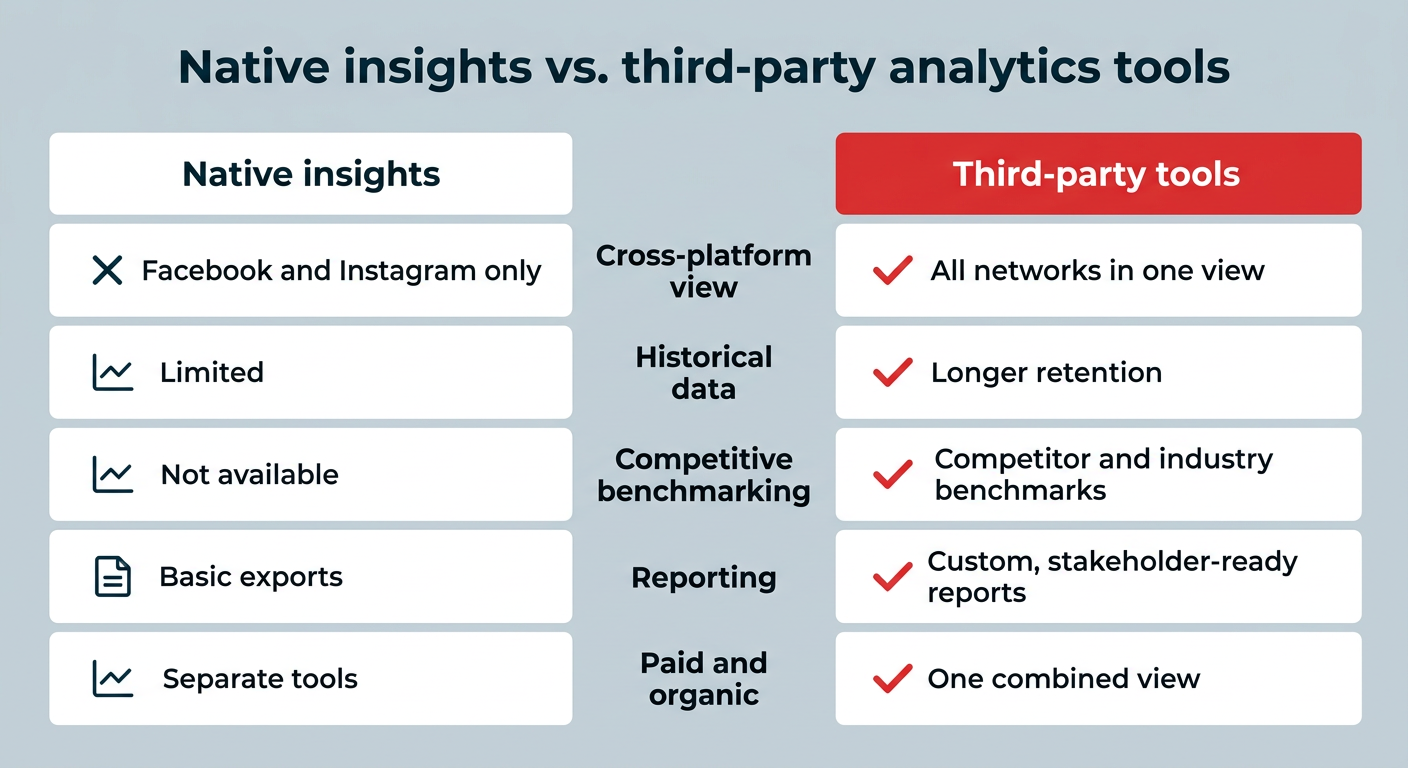
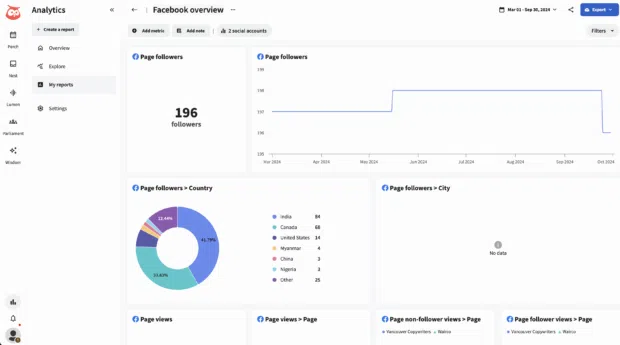
Today, Facebook page analytics typically span several core operational categories: audience demographics, engagement metrics, reach and impressions, video consumption habits, and conversion tracking. While Meta Business Suite serves as an accessible starting point, its capabilities are strictly confined to Meta-owned properties. Organizations managing multi-channel marketing campaigns across Instagram, LinkedIn, TikTok, YouTube, and X quickly discover that native solutions leave critical gaps in their overarching data strategies.
Why Third-Party Analytics Platforms Have Become Essential
As corporate reliance on social media marketing deepens, the shortcomings of native dashboards become more apparent. Meta Business Suite provides a snapshot of current performance, but it fails to support advanced cross-channel reporting or historical trend analysis extending beyond limited timeframes. Furthermore, native tools lack automated, stakeholder-ready reporting templates, robust competitive intelligence features, and integrated social listening capabilities.
When marketing teams must present comprehensive return on investment (ROI) metrics to executive leadership, relying solely on free, platform-native tools risks painting an incomplete picture. Third-party analytics software bridges these gaps by consolidating cross-platform metrics into a single dashboard, enabling deeper historical comparisons, and incorporating external context such as brand sentiment and industry benchmarking.
Comparative Breakdown of the Top 9 Facebook Analytics Tools for 2026
Choosing the appropriate software depends heavily on organizational structure, budgetary constraints, and specific analytical requirements. The top nine platforms available to marketers feature distinct strengths, ranging from enterprise-grade management suites to specialized competitive intelligence trackers.
-
Perch by Hootsuite
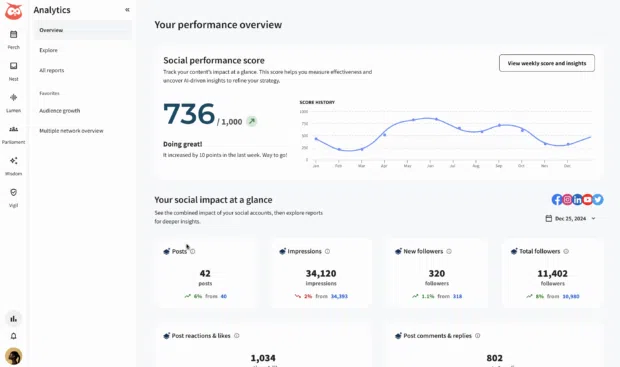
Designed primarily for enterprise teams and cross-platform reporting, Perch by Hootsuite allows digital marketers to schedule content, monitor post performance, and analyze Facebook results alongside major networks like Instagram, LinkedIn, and YouTube. With advanced customizable reports, intuitive benchmarking tools, and predictive audience analysis, the platform streamlines the process of presenting insights to key stakeholders. Integration with social listening applications like Lumen further enriches quantitative data with qualitative brand context. Pricing starts at $99 per user per month for the Standard plan, with Advanced tiers at $249 and custom enterprise options available.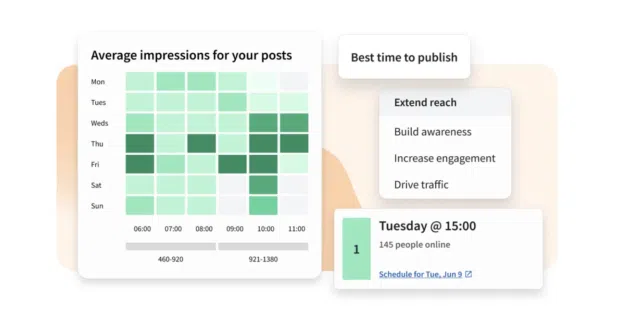
-
Meta Business Suite
Serving as the premier free starting point for content management, Meta Business Suite is directly integrated with Ads Manager. It provides a centralized location to monitor basic post engagement, manage direct messages, and review high-level page analytics across Facebook and Instagram. While it lacks advanced cross-platform capabilities and automated competitive benchmarking, its complete lack of cost makes it indispensable for small businesses launching their initial digital strategies. -
Buffer
Buffer offers a streamlined, user-friendly social media management experience tailored for small teams and straightforward tracking. Although it lacks advanced features such as social listening, paid content tracking, and deep competitive benchmarking, its clean dashboard makes it an ideal choice for managers seeking an uncluttered interface. Basic plans are free, with advanced features ranging between $5 and $10 per channel per month when billed annually.
-
Rival IQ
For organizations prioritizing competitive intelligence, Rival IQ delivers specialized social analytics focused on competitor tracking and industry benchmarking. Marketers can evaluate rival posting habits, audience growth, and engagement rates alongside their own metrics. Plans begin at $239 per month, reflecting its specialized market positioning. -
Social Status
Social Status excels in tracking both organic and paid content while offering dedicated tools for influencer marketing evaluation. By providing clear ad analytics and robust campaign summaries, the platform functions as a well-rounded option for performance-driven agencies. A limited free tier is available, with paid plans starting at $29 per month.
-
Facelift Data Studio
Formerly known as Quintly, Facelift Data Studio targets data-heavy enterprises by offering access to approximately 350 customizable performance metrics. Users can perform granular analysis, build custom dimensions, and benchmark performance against selected competitors or industry leaders. Pricing begins at approximately €300 per month. -
Social Insider
Social Insider focuses heavily on strategic benchmarking and content categorization. It utilizes built-in industry standards to evaluate social performance while employing AI-driven content analysis to help brands optimize their messaging pillars. Pricing is available via custom enterprise quotes.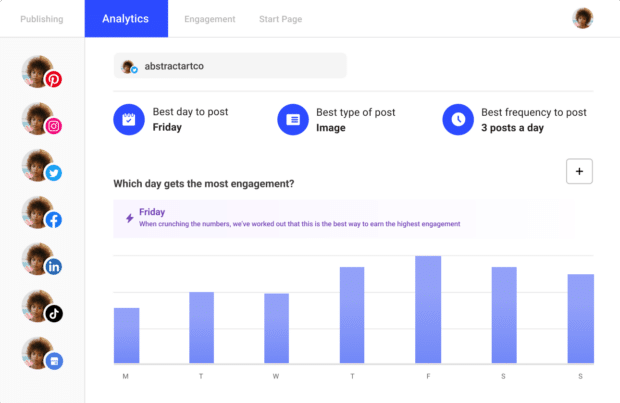
-
Sotrender
Sotrender stands out for its emphasis on sentiment tracking and comprehensive campaign analysis. Beyond standard reach and engagement statistics, the platform monitors audience sentiment across both organic and paid initiatives, utilizing proprietary indexes to measure interactivity and consumption over time. Pricing requires a custom quote. -
NapoleonCat
Combining social inbox management, automated publishing, and analytics into a single interface, NapoleonCat is built for efficiency across Facebook, Instagram, LinkedIn, and YouTube. Its unified approach to community management and reporting makes it popular among mid-sized teams. Plans begin at $79 per month for two users and five profiles.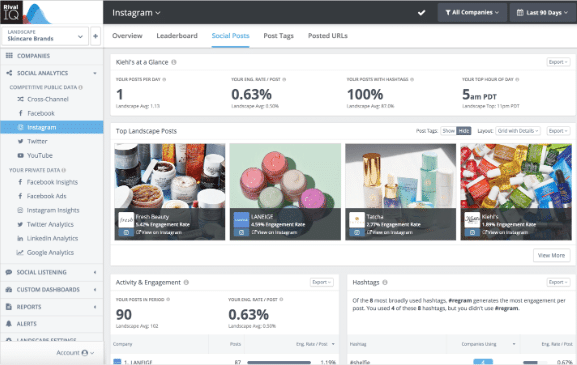
Key Criteria for Selecting an Analytics Platform
Selecting the right analytics tool requires aligning platform capabilities with the specific inquiries posed by executive stakeholders. Organizations should evaluate prospective software based on six core criteria: data depth, cross-platform consolidation, automated reporting capabilities, historical data retention, integration with existing customer relationship management (CRM) software, and pricing scalability. A tool that fails to connect social metrics to broader business outcomes will ultimately provide limited long-term value.

Essential Metrics to Monitor by Strategic Goal
Effective performance measurement requires grouping metrics by specific campaign objectives rather than applying blanket evaluations across disparate initiatives.

- Awareness Campaigns: Success should be measured through reach, impressions, follower growth rates, and total video views. These metrics illustrate audience expansion and brand visibility.
- Engagement Campaigns: Focus shifts toward engagement rates, specific reactions, comments, shares, and content saves, indicating whether creative assets successfully provoke audience interaction.
- Conversion Campaigns: Evaluation relies on link clicks, click-through rates (CTR), generated leads, completed purchases, and cost per result, directly connecting social activity to financial outcomes.
- Audience Composition: Monitoring age, geographic location, language demographics, and active user schedules ensures messaging reaches the intended demographic profile.
- Brand Health: Tracking negative feedback rates, customer service response times, and sentiment analysis helps mitigate public relations risks and operational friction.
Best Practices for Leveraging Analytics to Improve Results
Translating raw data into improved marketing performance requires a disciplined operational loop: establishing precise goals, adhering to a consistent review cadence, identifying performance patterns, testing strategic adjustments, and evaluating subsequent outcomes. By reviewing data weekly or bi-weekly rather than waiting for quarterly reviews, social media managers can rapidly pivot away from underperforming strategies and amplify content themes that resonate with their target audience.

Ultimately, mastering Facebook analytics in 2026 requires moving beyond vanity metrics and adopting sophisticated tools that integrate paid, organic, and cross-platform data into a unified, actionable narrative.