
In the contemporary commercial landscape, businesses face unprecedented levels of competition, demanding a shift away from isolated promotional channels toward comprehensive, integrated methodologies. Holistic marketing has emerged as a fundamental operational framework for companies seeking to scale not only their core business models but also ancillary revenue drivers such as affiliate marketing programs. Defined fundamentally as the strategic alignment of all departmental functions, marketing channels, and brand messaging, holistic marketing ensures that internal operations, external communications, and customer service departments function in absolute harmony. This unified approach is designed to elevate brand perception, streamline the buyer journey, and cultivate long-term, sustainable economic growth.
Unlike traditional marketing paradigms, which frequently manage channels such as public relations, digital advertising, social media, and affiliate partnerships in functional silos, holistic marketing asserts that every consumer touchpoint dictates public perception. By enforcing rigorous brand consistency across all platforms, enterprises can build robust consumer trust and establish enduring relationships. Industry analysts note that companies adopting integrated, cross-departmental frameworks experience marked improvements in consumer retention and lifetime value metrics. Consequently, the strategy transcends basic product promotion, anchoring itself in the continuous delivery of value throughout every phase of the consumer lifecycle.
The Tripartite Foundation of Holistic Marketing
To effectively execute a holistic marketing strategy, corporate leadership must understand and implement its three primary pillars: internal marketing, relationship marketing, and societal marketing. Each dimension serves a distinct operational purpose while reinforcing the overarching corporate mission.
Internal marketing targets the organization’s workforce, recognizing that employees and contracted service providers act as the primary brand ambassadors. Employees across human resources, customer support, web development, and affiliate management cannot authentically promote a brand they do not fully understand or believe in. By actively engaging internal teams, communicating company values, and fostering job satisfaction, organizations ensure that staff members project a consistent, motivated brand image naturally. When employees are aligned with corporate objectives, external communications reflect a higher degree of authenticity and operational cohesion.
Relationship marketing shifts the operational focus toward cultivating long-term, mutually beneficial connections with consumers, business partners, suppliers, and affiliate publishers. Rather than pursuing one-off transactions, organizations leveraging this dimension aim to transition standard purchasers into brand advocates and regular affiliates. By maintaining transparent lines of communication and keeping external partners closely informed, companies establish an ecosystem of mutual support that drives organic market expansion and elevates key performance indicators across affiliate channels.
Societal marketing integrates corporate social responsibility (CSR) and ethical business practices into the commercial core. Modern consumers increasingly gravitate toward brands that demonstrate a genuine commitment to addressing societal and environmental challenges. Initiatives such as community support, sustainable sourcing, and charitable contributions not only fulfill ethical obligations but also generate substantial public relations value. When a corporation engages in societal marketing, the associated goodwill naturally amplifies public awareness, enriches social media campaigns, and provides affiliates with compelling, values-driven narratives to share with their respective audiences.

Core Components and Strategic Execution
Building a successful holistic framework requires the synchronization of several interconnected components, beginning with an unyielding customer-centric approach. Placing the consumer at the focal point of all marketing initiatives ensures that product development, digital design, and customer support mechanisms are optimized to deliver genuine utility. This customer-first mindset directly impacts affiliate program performance. High-performing affiliate publishers routinely conduct rigorous pre-promotion evaluations, auditing a brand’s digital footprint, customer service responsiveness, and checkout user experience before committing promotional space. Brands that fail to deliver a seamless user experience struggle to attract top-tier affiliate talent.
Complementing customer-centrism is the integrated marketing mix, which eliminates messaging discrepancies across channels. In fragmented corporate environments, individual departments frequently deploy conflicting value propositions—positioning a product as a budget-friendly commodity on social media while marketing it as a luxury item through PR channels. Holistic marketing mandates the strict standardization of core brand values, visual assets, typography, and unique selling propositions (USPs).
Data-driven decision-making represents another vital component of the framework. Modern enterprises harness advanced analytics, consumer behavior tracking, and feedback loops to refine marketing expenditures and resource allocation continuously. By relying on empirical metrics rather than intuition, organizations can optimize campaign performance, reduce structural redundancies, and adapt swiftly to evolving market dynamics.
Brand consistency acts as the final unifying thread. When visual elements and messaging remain uniform across web platforms, email campaigns, and affiliate networks, consumer recognition strengthens. Market research consistently demonstrates that repeated exposure to cohesive branding accelerates cognitive processing of advertisements, deepens emotional connections, and significantly lowers customer acquisition costs over time.
Measurable Benefits and Operational Efficiency
The structural advantages of adopting a holistic marketing strategy manifest across multiple operational dimensions. Primarily, enterprises achieve heightened marketing efficiency by eliminating redundancies and fostering cross-departmental collaboration. When marketing, sales, and customer service teams operate from a single playbook, resource allocation is optimized, ensuring maximum return on investment across all digital and physical channels.
Furthermore, a holistic approach directly facilitates a frictionless customer journey. Consistent messaging across every touchpoint minimizes consumer friction, directly boosting conversion rates and customer retention metrics. Satisfied consumers naturally transition into loyal brand advocates, generating organic word-of-mouth promotion that broadens market reach without incurring additional advertising expenditures.
For affiliate programs specifically, holistic marketing provides a distinct competitive advantage. Elite affiliate publishers actively seek out established brands characterized by high conversion rates, reliable payout structures, and predictable, consistent marketing strategies. When a brand exhibits strong internal alignment and consistent external messaging, affiliate onboarding rates increase. A small cohort of highly engaged, productive affiliates can rapidly accelerate program statistics, transforming the affiliate network into one of the organization’s most lucrative revenue streams.
Case Study: Holistic Execution at Enterprise Scale
Global technology conglomerate Apple serves as an empirical benchmark for holistic marketing execution in the modern corporate sector. The company is widely recognized for maintaining rigorous integration across product design, advertising, retail environments, and digital services. Apple’s core corporate values—encompassing accessibility, environmental sustainability, inclusion, diversity, privacy, and racial equity—are systematically embedded in both external advertising campaigns and internal recruitment messaging.
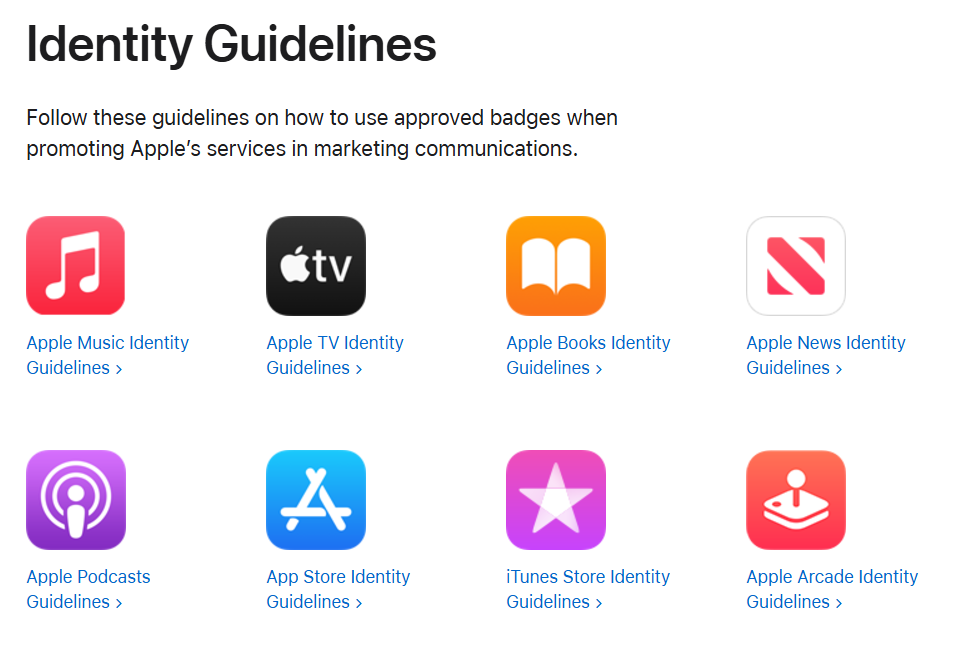
Internally, Apple fosters deep employee engagement through structured corporate values alignment, ensuring that retail and support personnel deliver authentic, uniform brand experiences. Externally, this philosophy extends into partner ecosystems, such as the Apple Services Performance Partners Program. This initiative provides strict compliance and promotional guidelines to affiliate publishers, ensuring that external marketing efforts precisely mirror the corporate brand identity.
Additionally, Apple consistently incorporates societal marketing into its core consumer touchpoints. The technology giant routinely highlights charitable donation initiatives, renewable energy milestones, and supply chain responsibility directly on its primary digital properties. By harmonizing global advertising, public relations, retail operations, and partner networks under a singular strategic vision, Apple maintains industry dominance and exceptional levels of consumer loyalty, illustrating the tangible economic returns of holistic execution.
Future Implications and Strategic Evolution
As the global digital economy continues to mature, the integration of holistic marketing frameworks is transitioning from a competitive advantage to an absolute operational necessity. Emerging technologies, including artificial intelligence, machine learning, and advanced predictive analytics, are revolutionizing consumer personalization. To maintain parity, organizations must ensure that technological deployments do not fracture brand messaging but rather reinforce the unified consumer experience.
Concurrently, the rising prominence of environmental, social, and governance (ESG) criteria means that societal marketing will play an increasingly critical role in corporate valuation. Consumers, regulatory bodies, and business partners increasingly demand radical transparency and ethical operational standards. Brands that successfully integrate sustainability and social responsibility into their core business models will capture disproportionate market share, while those maintaining isolated, fragmented marketing operations risk obsolescence.
Ultimately, the successful execution of holistic marketing requires rigorous executive oversight, open inter-departmental communication, and a corporate culture that values collaboration over functional isolation. By treating every marketing channel, public relations campaign, customer service interaction, and affiliate partnership as an interdependent component of a single grand design, organizations can navigate marketplace volatility, secure long-term operational resilience, and achieve sustainable commercial prosperity.