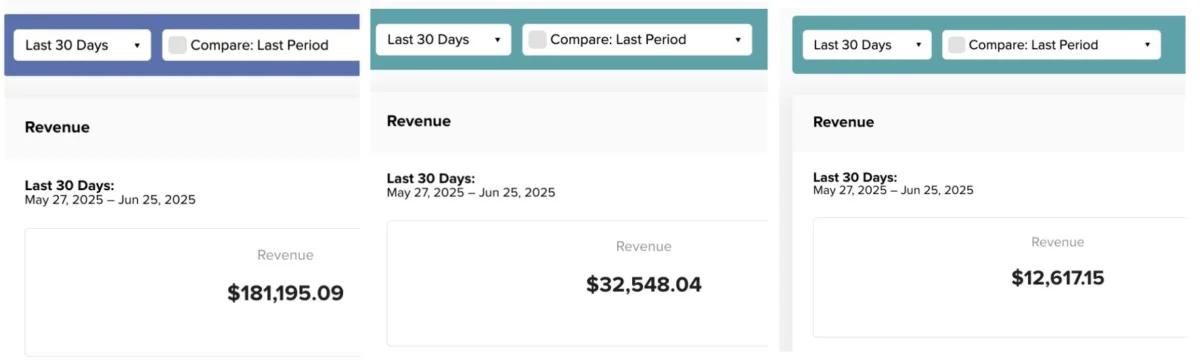
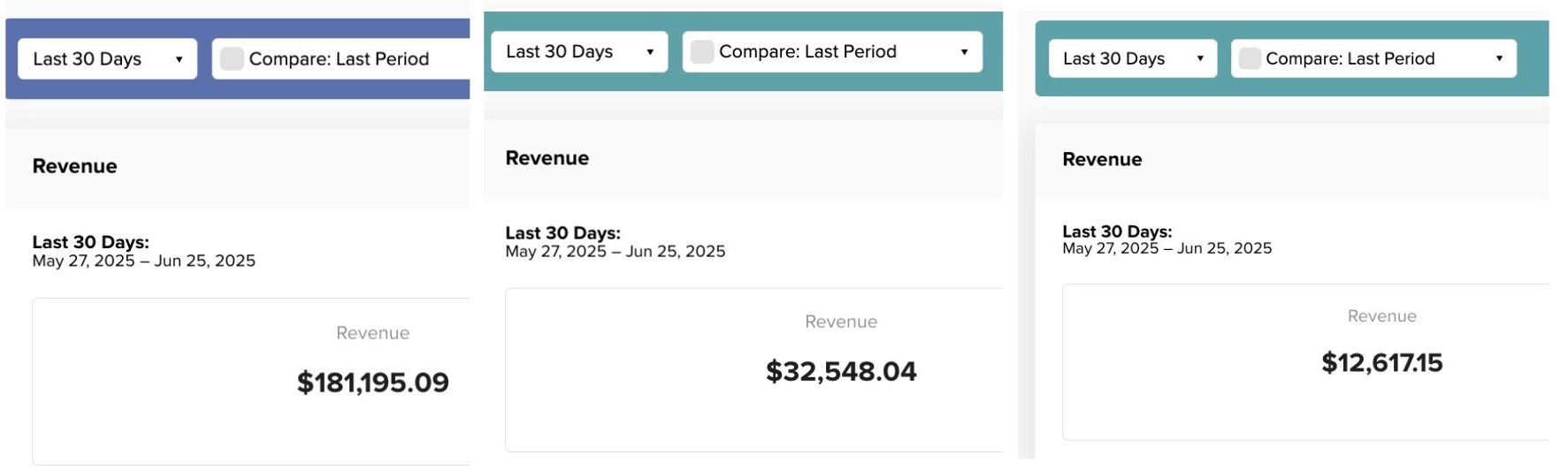
The digital publishing landscape has undergone a profound transformation over the past decade, shifting away from a monolithic reliance on traditional search engine optimization toward diversified, audience-centric ecosystems. Amid algorithm volatility and changing referral patterns, seasoned digital publisher Jon Dykstra has detailed a resilient revenue blueprint that bypasses traditional search traffic dependence. Generating upwards of $100,000 per month in net profits across a portfolio of three primary web properties, Dykstra’s operational framework highlights a strategic pivot toward multi-channel traffic acquisition, list building, and automated monetization.
This comprehensive model, refined over 18 months of rigorous testing, offers a case study in modern digital asset management. By integrating passive display advertising, high-intent affiliate networks, email newsletter monetization, and social media automation, the strategy insulates publishers from the systemic risks associated with single-source traffic dependency, such as search engine algorithm updates.
The Evolution of Niche Publishing and the Shift Away from SEO Dependency
For years, search engine traffic served as the foundational pillar for independent content creators. However, frequent updates to major search algorithms have introduced significant volatility to organic traffic acquisition, prompting publishers to explore alternative architectures. Dykstra’s approach represents a broader industry trend toward community-owned audiences and direct-to-consumer digital touchpoints.

The core premise of the blueprint relies on constructing self-reinforcing loops, often referred to as monetization flywheels. Rather than treating a website as a static billboard for search engine queries, the strategy treats a domain as the initial point of contact in a structured customer journey. Once a user arrives—via alternative traffic sources or direct navigation—the objective immediately shifts from a single page-view transaction to a long-term engagement model.
Phase One: Content Authority and Core Asset Development
The foundation of the multi-domain revenue model rests on publishing high-utility, authoritative content within specific niches. Rather than prioritizing high-volume keyword matching designed solely for search engine rankings, the methodology emphasizes creating definitive resources that establish brand equity and audience trust.
Publishers utilizing this framework focus on solving specific consumer problems, thereby increasing direct return rates and brand recognition. This content serves as the anchor for all subsequent marketing and monetization vectors, ensuring that visitors who arrive via non-search channels find immediate and sustained value.
Phase Two: Audience Capture and the Value of Direct Communication Channels
A critical vulnerability for many digital publishers is the failure to retain visitor data. Industry data suggests that a vast majority of first-time website visitors depart without leaving a traceable identifier, effectively squandering acquisition efforts. Dykstra’s framework mitigates this loss by prioritizing immediate email list acquisition through integrated service providers such as Kit (formerly ConvertKit).
By deploying strategic lead magnets, content upgrades, and subscription prompts throughout every article, publishers convert transient web traffic into owned media assets. In the event of social media platform policy shifts or search algorithm demotions, an owned email database provides a secure communication channel that remains resilient against third-party disruptions.
Phase Three: Multi-Tiered Monetization Architecture
Revenue generation within this model is distributed across multiple streams to maximize yield per visitor without compromising user experience. The monetization stack is structured across three primary layers:
- Passive Display Advertising: Premium ad management networks, notably Mediavine, serve as the baseline revenue engine. These platforms optimize ad placement and yield automatically once traffic thresholds are met, generating consistent, passive income on every page view.
- Aggregated Affiliate Marketing: Rather than managing fragmented relationships with dozens of individual merchants, the strategy leverages comprehensive affiliate platforms such as Stay22. These sitewide tools automatically optimize links to direct traffic toward the highest-converting retail partners, streamlining operations while maximizing commissions.
- Newsletter Monetization: Email newsletters are operated as standalone profit centers rather than mere broadcast tools. By integrating monetization platforms like SparkLoop and implementing proven direct-response frameworks popularized by industry experts such as Scott DeLong, publishers monetize daily dispatches through sponsored placements and newsletter referral networks.
Phase Four: Diversified Traffic Acquisition Strategies
Recognizing that organic search represents only one avenue of discovery, the blueprint incorporates aggressive multi-channel traffic acquisition. Pinterest functions as a primary visual search engine capable of capturing high commercial intent, utilized via specialized software tools like Pin Clicks to streamline content distribution and tracking.
Concurrently, social media platforms are leveraged not merely for brand awareness, but as direct funnels for audience acquisition. Automated messaging tools, including Manychat, facilitate real-time engagement on platforms like Instagram and Threads. When users interact with specific posts, automated conversation flows capture contact details and direct prospects onto the central email subscriber list, creating a continuous, automated acquisition funnel.

Industry Implications and the Flywheel Effect
The convergence of these diverse elements creates a compounding flywheel effect. Initial traffic generation leads to display ad revenue and affiliate commissions. Simultaneously, a percentage of those visitors convert into email subscribers, who then receive regular newsletter content that drives them back to the website for additional monetization touchpoints. Automated social media funnels continuously inject new prospects into the top of the system, expanding the audience base over time.
Financial disclosures and performance metrics from Dykstra’s operations indicate that a well-optimized portfolio of niche properties can achieve substantial economic stability. By treating digital publishing as a comprehensive media business rather than a passive hobby, creators are increasingly able to replace traditional employment income with diversified digital assets.
As the digital publishing sector continues to mature, frameworks that emphasize audience ownership, diversified traffic sources, and multifaceted monetization are likely to serve as a benchmark for independent creators navigating an increasingly competitive online ecosystem.