Global ecommerce sales are projected to reach an unprecedented $5.5 trillion worldwide, according to industry forecasts by Insider Intelligence. This extraordinary milestone underscores a broader macroeconomic shift: digital retail is no longer merely an alternative to brick-and-mortar commerce; it is the primary engine of modern consumer spending. As online retail continues its aggressive upward trajectory, the mechanics of how consumers discover, evaluate, and purchase goods are undergoing a structural evolution.
For years, traditional ecommerce relied on a fragmented customer journey. Shoppers would browse a social media platform, encounter a targeted advertisement, click away from the application, load an external web browser, navigate a standalone ecommerce storefront, create an account, and finally input payment details. Each step in this convoluted process introduced friction, resulting in high rates of cart abandonment and lost revenue for brands.

Enter social commerce: the seamless integration of online retail infrastructure directly into social media ecosystems. By allowing users to discover, evaluate, and purchase products without ever leaving their preferred application, social commerce is redefining the parameters of digital retail.
Defining Social Commerce and Its Distinctions
To understand the current retail landscape, industry analysts emphasize the necessity of distinguishing between related yet fundamentally different digital strategies. Social commerce is formally defined as the process of buying and selling products or services entirely within a social media platform.
This model transforms social networks from top-of-funnel discovery channels into complete, closed-loop transaction hubs. Major platforms—including Facebook, Instagram, TikTok, and Pinterest—have invested heavily in proprietary infrastructure, deploying native "Shop Now" and "Buy" buttons that eliminate external navigation entirely.

By contrast, traditional ecommerce encompasses the broader universe of online transactions conducted via dedicated websites, branded applications, and standalone digital storefronts hosted on platforms like Shopify or WooCommerce. Meanwhile, social selling refers to an entirely separate sales enablement strategy: the practice of building organic relationships, establishing authority, and nurturing leads via social media channels before guiding them toward a formal transaction.
Core Drivers Fueling the Social Commerce Boom
The rapid adoption of social commerce by both consumers and merchants is propelled by several distinct economic and behavioral catalysts.
First, the shopping process has become inherently more interactive. Rather than passively viewing a static product catalog, consumers engage in communal shopping experiences. Buyers can comment on items, solicit real-time advice from peers, share product links via direct messages, and interact dynamically with brand representatives. This digital environment closely mimics the social dynamics of a physical shopping mall.

Second, demographic shifts are heavily favoring social-first retail models. According to data published by Statista, approximately 62 percent of U.S. consumers aged 18 to 34 have completed a purchase directly influenced by branded social media posts or content shared by digital influencers. For brands targeting Millennials and Generation Z, establishing a native social shop is no longer optional; it is an essential customer acquisition strategy.
Third, social commerce systematically removes purchase friction. By collapsing the distance between product discovery and financial settlement, brands experience significantly lower cart abandonment rates. A consumer watching a fitness influencer on TikTok can purchase a portable blender with a single tap and return to their video feed within seconds, completely bypassing the administrative fatigue of traditional online checkouts.
Fourth, social platforms function as organic, real-time focus groups. The bidirectional nature of social media enables brands to gather immediate qualitative feedback on product ideas, design iterations, and inventory planning through direct customer interactions and comment sections.

Finally, advanced algorithmic data targeting allows merchants to place ready-to-buy products directly in front of highly segmented audiences based on granular behavioral data, significantly outperforming the conversion efficiency of conventional broad-market advertising.
Major Ecosystems Leading the Market
As the social commerce sector matures, several leading technology conglomerates have established comprehensive infrastructure to support merchants and consumers.
Facebook Shops leads the market in versatility, offering free, highly customizable storefronts that can be synchronized directly with existing ecommerce inventory lists via partner platforms or data spreadsheets. Accessible across Facebook Pages, Instagram profiles, shopping ads, and Stories, Facebook Shops provide flexibility through in-app checkouts, external website redirection, and integrated messaging via Messenger.

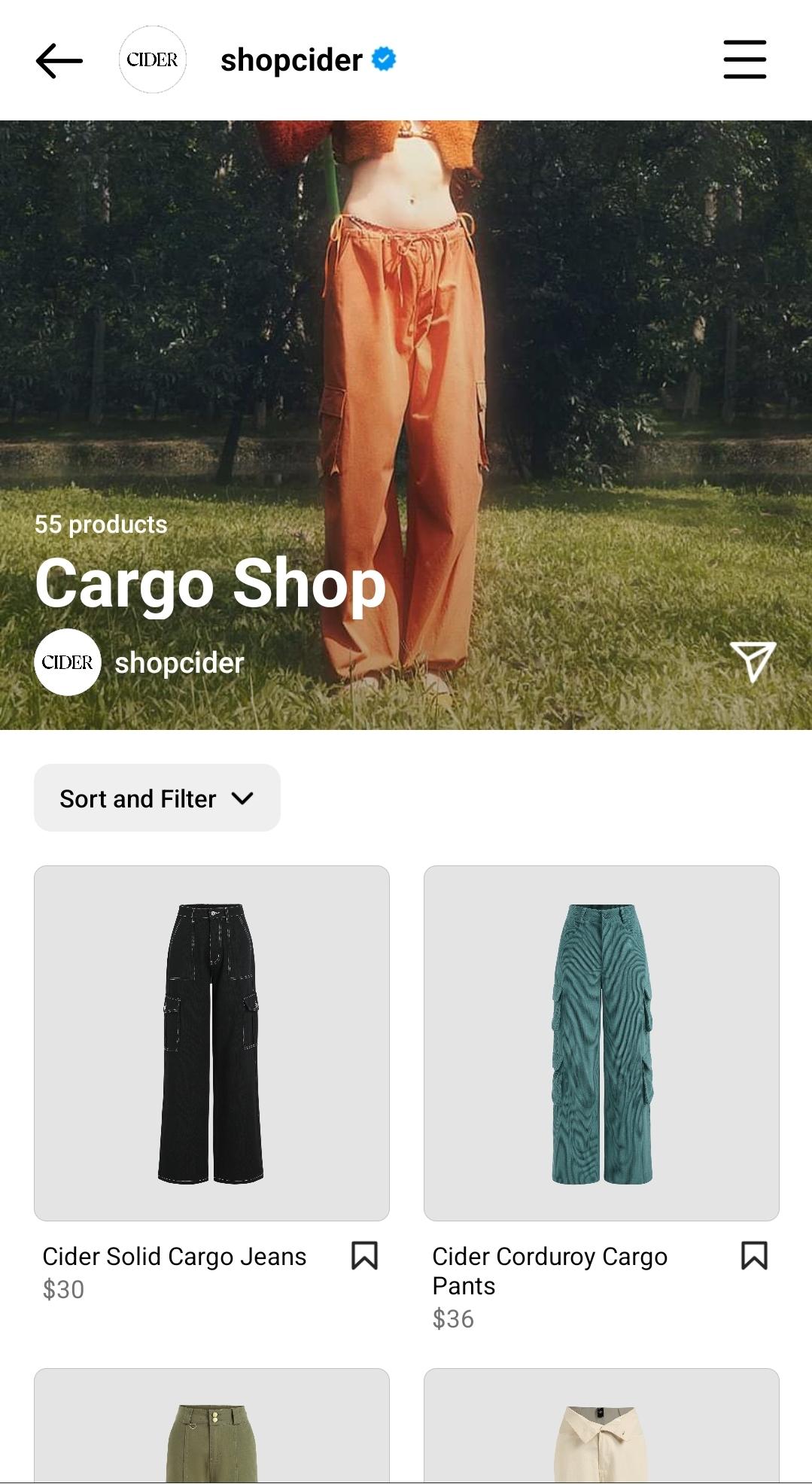
Instagram Shops leverage high-visual media to drive conversions, allowing brands to tag products within standard photo posts, Stories, Reels, and live broadcasts. Recent updates by Meta have further streamlined this pipeline by enabling secure transactions directly within direct messages.
Pinterest occupies a unique niche, combining visual discovery with search engine optimization. While international users are frequently redirected to external websites, U.S.-based consumers can utilize Product Pins to complete purchases natively within the application. With roughly 89 percent of Pinterest users actively utilizing the platform for purchase inspiration, it remains a vital channel for intentional shoppers.
TikTok has revolutionized impulsive purchasing culture, popularized by viral phenomena such as the #TikTokMadeMeBuyIt hashtag, which has accumulated billions of views globally. Through TikTok Shop, merchants can integrate products directly into organic videos, LIVE streams, and product showcase tabs, capturing a highly engaged younger demographic.
Strategic Best Practices for Maximizing Revenue
Deploying a social storefront is merely the foundational step; optimizing revenue requires deliberate operational strategies and advanced technological integration.
Active social listening is paramount. Brands must utilize digital monitoring tools to track brand mentions, analyze customer sentiment, and stay informed regarding broader industry trends. Furthermore, maintaining high responsiveness is critical to preserving conversion rates. Because manual customer service can quickly overwhelm marketing teams, many top-performing brands deploy conversational AI chatbots, such as Hootsuite’s Heyday. These advanced tools automate up to 80 percent of routine customer inquiries—such as pricing, shipping updates, and order tracking—while intelligently routing complex queries to human support staff.
Additionally, leveraging social proof remains non-negotiable. Industry research consistently indicates that the overwhelming majority of digital consumers consult customer reviews before finalizing a purchase. Brands are increasingly utilizing automated post-purchase email sequences and incentivized feedback campaigns to collect testimonials, subsequently repurposing positive reviews into social media carousels, user-generated content features, and live-streaming sessions.

Implications and Future Outlook
The institutional pivot toward social commerce signifies a permanent decentralization of the traditional digital storefront. As social media platforms continue to refine their financial infrastructure, regulatory bodies and financial institutions are closely monitoring data privacy standards and cross-border transaction security.
For enterprise brands and small-to-medium enterprises alike, the mandate is clear. By harmonizing social engagement with frictionless transaction technology, businesses can meet modern consumers where their attention already resides, cementing social commerce as a permanent pillar of the global digital economy.