The corporate communications landscape is currently navigating a complex intersection of public safety crises, shifting consumer expectations, and emerging technological anxieties. Recent developments across multiple industries underscore the delicate balance brands must maintain between operational efficiency, customer trust, and crisis response. From amusement park safety overhauls and short-term rental policy adjustments to retail pricing transparency and evolving media distribution models, organizations are facing heightened scrutiny from the public and regulatory bodies alike. Understanding how these entities manage reputational challenges provides critical insights into modern public relations and corporate strategy.
Six Flags Responds to Tragedy with Proactive Safety Overhauls
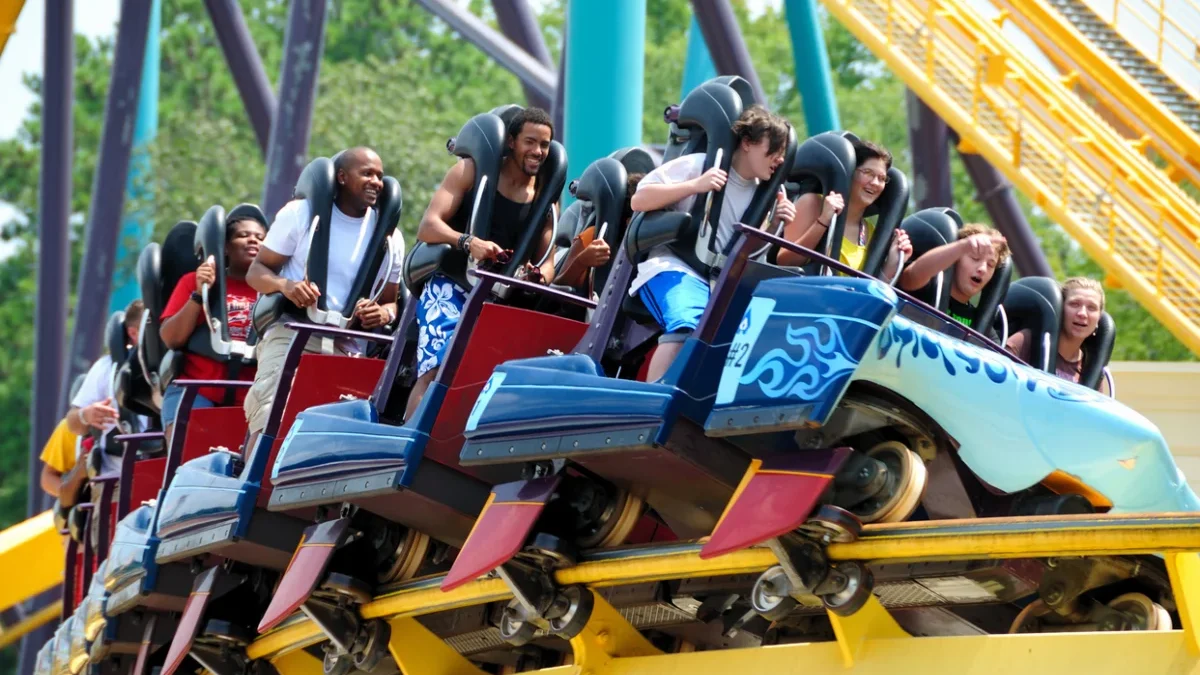
The amusement park industry has been forced to confront profound questions regarding ride safety following a fatal incident at Six Flags Over Georgia. Just under two weeks after rider Hassan Kariem was tragically flung from the park’s Goliath roller coaster and killed, Six Flags Entertainment CEO and President John Reilly announced a comprehensive suite of new safety measures aimed at restoring public confidence.
The incident, which occurred in mid-October, immediately plunged the entertainment giant into a high-stakes crisis communications scenario. In his official statement, Reilly prioritized human empathy over corporate defensiveness. By explicitly naming the victim and expressing condolences to Kariem’s family, loved ones, and injured parties, the leadership team set a tone of accountability. Furthermore, the communication underscored the statistical safety of the park’s attractions, noting that over one billion guests have safely enjoyed Six Flags rides over the past four years.
While the exact mechanical or human cause leading to Kariem slipping his restraints has not yet been formally released by investigators, Six Flags has opted for immediate, proactive mitigation. The park system is reinforcing safety protocols across its properties and introducing supplementary seat belts on Goliath and other roller coasters equipped with similar restraint systems.
Historically, coasters like Goliath utilize a secure "clamshell" restraint—a rigid lap bar mechanism—but lacked an additional fabric lap belt across the hips. By retrofitting these rides, Six Flags has signaled that Goliath will eventually reopen, indicating that the foundational safety architecture of the ride remains structurally sound. Five other rides across the company’s portfolio featuring similar restraint configurations remain temporarily closed pending the implementation of the new safety belts.
From a crisis management perspective, announcing solutions before the definitive root cause of an accident is publicly understood presents a calculated risk. However, industry analysts suggest the addition of secondary seat belts functions as an effective public relations maneuver designed to tangibly reassure riders. Reilly concluded his remarks by emphasizing that trust is earned through actions rather than rhetoric, signaling that ongoing transparency will remain a cornerstone of the company’s recovery narrative.
Airbnb Redesigns Guest Policies to Eliminate Onerous Check-Out Chores
In the hospitality sector, short-term rental giant Airbnb has enacted a sweeping overhaul of its platform policies, directly addressing a long-standing point of friction between guests and property hosts. The company has revised the parameters governing check-out requirements, explicitly banning hosts from imposing burdensome tasks on departing visitors.
For years, travelers utilizing the platform have voiced frustration over complex departure checklists that included manual dishwashing, stripping beds, taking out household trash, and hauling garbage to off-site dumpsters. Under the newly implemented guidelines, while hosts retain the right to establish "reasonable" rules—such as turning off lights, locking doors, and extinguishing fires—certain chores are now strictly prohibited.
In a formal media statement, Airbnb acknowledged the growing dissatisfaction within its user base. The company noted that house rules had become confusing, onerous, and difficult to manage, prompting a redesign aimed at improving discovery, clarity, and predictability. The policy shift represents a deliberate recalibration of the platform’s dual-constituent business model.
Managing a two-sided marketplace requires balancing the economic interests of hosts against the consumer expectations of guests. In this instance, Airbnb has visibly prioritized the guest experience. While communications directed toward consumers emphasized empathy and ease of use, statements issued to hosts adopted a far more direct, expectation-driven tone. Industry observers note that while Airbnb risks alienating hosts who rely on extensive guest labor for turnover, retaining consumer confidence and revenue remains paramount for long-term viability.
Retailers Face Consumer Skepticism Over Alleged AI-Driven Dynamic Pricing
The intersection of artificial intelligence and consumer retail pricing has ignited widespread public apprehension, fueled by anecdotal evidence of algorithmic price discrimination. Concerns reached a fever pitch following an incident involving an Illinois resident who attempted to purchase a computer hard drive from Walmart. When viewed on his personal smartphone, the item was listed at $369; simultaneously, when accessed via his wife’s device, the identical product appeared at a price $110 lower.
Although Walmart representatives informed the Wall Street Journal that the discrepancy was the result of a temporary pricing error that has since been rectified, the explanation did little to quell broader consumer anxieties. The incident has intensified existing fears that major retailers and service providers are utilizing artificial intelligence and machine learning algorithms to adjust prices dynamically based on individual browsing history, demographic data, and past purchasing behavior.
Despite repeated denials from major corporations—including Walmart and fast-food chain McDonald’s—concerning the implementation of algorithmic surge or personalized pricing, consumer trust remains severely constrained. Modern shoppers are currently contending with persistent economic pressures, particularly the high cost of living, alongside societal uncertainties surrounding the rapid integration of artificial intelligence.
When these dual concerns converge, isolated technical glitches are frequently interpreted as systemic corporate exploitation. Public relations experts emphasize that combating pervasive consumer narratives requires radical transparency. Organizations utilizing advanced pricing models must clearly articulate how prices are calculated and how artificial intelligence is deployed within their operations, while acknowledging that rebuilding consumer trust will require sustained, verifiable consistency over time.
The Ringer Pioneers Content Distribution Through Substack Partnerships
Media organizations are continuing to adapt to profound shifts in digital discovery, moving away from traditional website-centric models toward decentralized distribution networks. A prominent example is sports and culture outlet The Ringer, which has aggressively expanded its partnership network by driving digital traffic toward external platforms, including Spotify for podcasts and Substack for independent written commentary.
Rather than funneling all readers directly to its proprietary web domain, The Ringer actively promotes individual newsletters curated by its staff writers via Substack. These publications range in pricing from free offerings to paid subscriptions costing up to $10 per month, though corporate revenue-sharing structures between the publication and its writers have not been publicly disclosed.
According to analysis by Nieman Lab, this strategic pivot offers distinct advantages in the current media ecosystem. Substack provides social media-like discovery feeds and streamlined, low-friction subscription mechanisms that reduce churn and enhance user acquisition.
This transformation in the publishing landscape reflects a broader industry reality: algorithmic discovery and platform accessibility now dictate media viability. With traditional social media platforms such as Facebook and X (formerly Twitter) scaling back their referral traffic for news publishers, innovative distribution partnerships are proving essential for audience retention. For public relations professionals, the proliferation of specialized, writer-driven newsletters creates targeted avenues for pitching and audience engagement, ensuring that quality content continues to reach influential demographics across diversified channels.