In the hyper-competitive landscape of digital content creation, the technical threshold for entry has never been lower, yet the bar for audience retention has never been higher. Data from the Content Marketing Institute indicates that while 70% of marketers are actively investing in content marketing, the vast majority of blogs struggle to convert casual traffic into loyal, returning readers. While many creators master the mechanics of search engine optimization (SEO), content structure, and technical platform management, they frequently encounter a "growth plateau." Industry analysts suggest that this stagnation is rarely a failure of information quality, but rather a failure of brand resonance—a lack of distinct personality that differentiates a site from the millions of other pages vying for consumer attention.
The Evolution of Personal Branding in Content Strategy
The shift toward personalized blogging represents a broader movement in digital media where the creator’s identity acts as a primary competitive advantage. In the early 2000s, blogging was primarily an informational exercise. By the mid-2010s, with the rise of social media integration, the "face behind the screen" became a pivotal element of brand equity. A 2023 study by Nielsen noted that consumers are 65% more likely to trust content from individuals they perceive as "relatable" rather than faceless corporate entities.
The process of infusing personality into a blog is not merely an aesthetic choice; it is a strategic business decision designed to lower bounce rates and increase session duration. By analyzing the methodologies of ten high-performing digital publishers, one can observe a systematic approach to identity-driven content, moving from visual storytelling to psychological audience segmentation.
Visual Authenticity and High-Impact Imagery
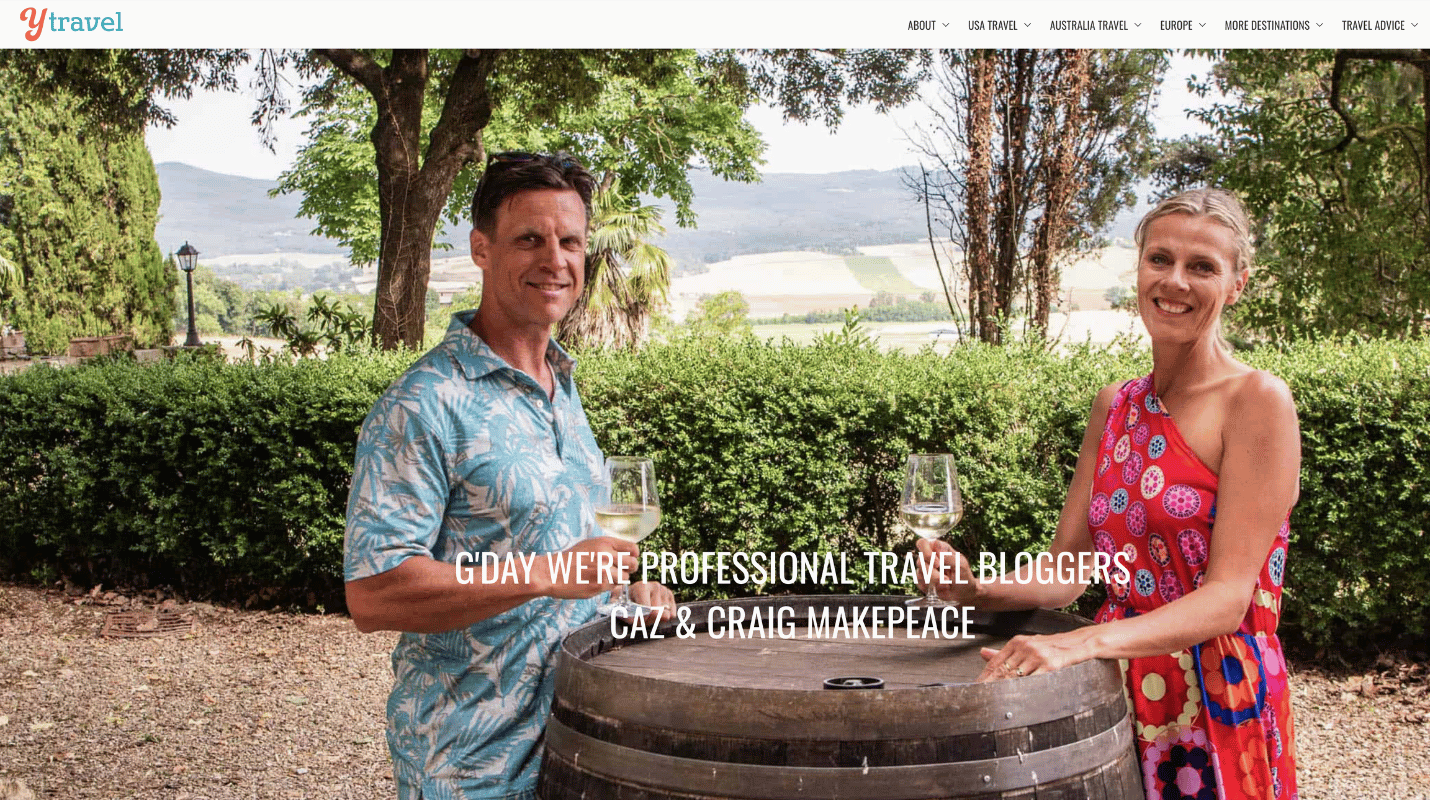
For content categories reliant on aesthetics—such as travel, culinary arts, and fashion—the integration of high-quality, authentic photography serves as the foundational pillar of brand personality. Caz and Craig Makepeace of YTravel illustrate this through their consistent use of candid family photography. Unlike stock imagery, which often creates a sense of detachment, their approach utilizes visual storytelling to document their journey.
From a technical perspective, image-heavy blogs must balance resolution with load-time performance. Research from Google’s Core Web Vitals reports suggests that for every second a page takes to load, conversion rates drop by approximately 20%. Therefore, successful bloggers like the Makepeaces employ optimized, high-resolution imagery that aligns with a specific narrative theme, ensuring that the visual experience is both engaging and technically performant.
The Role of Voice and Narrative Tone
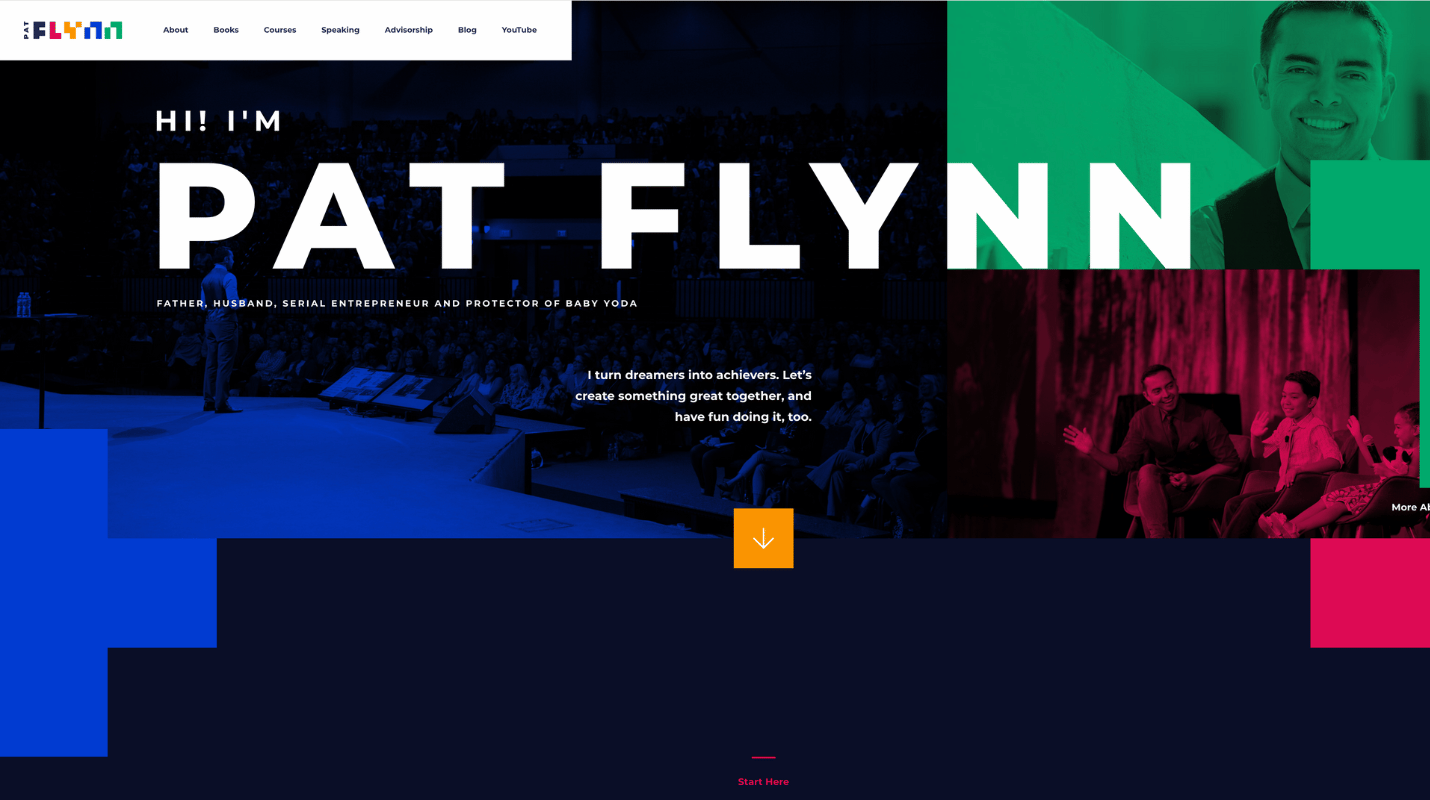
A distinct "brand voice" acts as the personality of the written word. Shannon Kelly White serves as a case study for polarizing, yet highly effective, content strategy. By utilizing a specific, unfiltered lexicon, she segments her audience immediately upon arrival. While this approach risks alienating a portion of the casual demographic, it fosters extreme loyalty among the remainder.
Data regarding audience demographics suggests that "brand alignment" is a key driver for long-term retention. When a blogger adopts a consistent, recognizable tone, they are essentially creating a filter that welcomes their target audience while deterring those who are not a fit. This leads to higher-quality engagement metrics, as the readers who remain are more likely to interact with, share, and comment on the content.
Strategic Visual Identity and Illustration
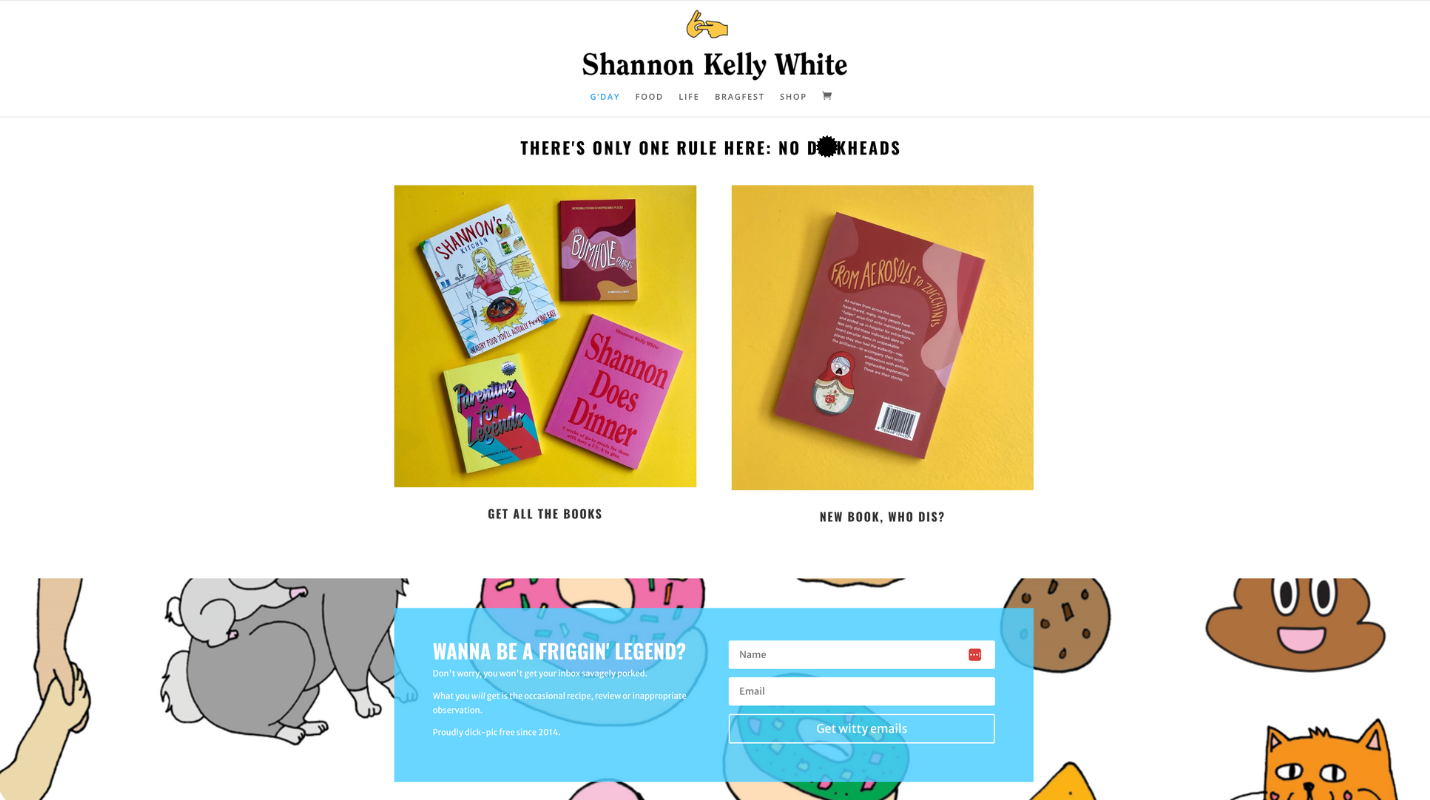
In contrast to the use of photography, creators like Ramsey of Blog Tyrant have leveraged custom, branded illustrations to create a "superhero" avatar. This visual shorthand allows the blog to be instantly recognizable across various platforms, including social media, email newsletters, and landing pages. The psychological principle here is the "mere-exposure effect," where users develop a preference for a brand simply because it becomes familiar through repeated, consistent visual markers.
This strategy is particularly effective for educational or consulting-based blogs where the creator needs to establish authority while remaining approachable. By abstracting the personality into an illustration, the blogger creates a mascot that can represent the brand in scenarios where a real-time photo might be impractical.
The About Page: The Cornerstone of Connection
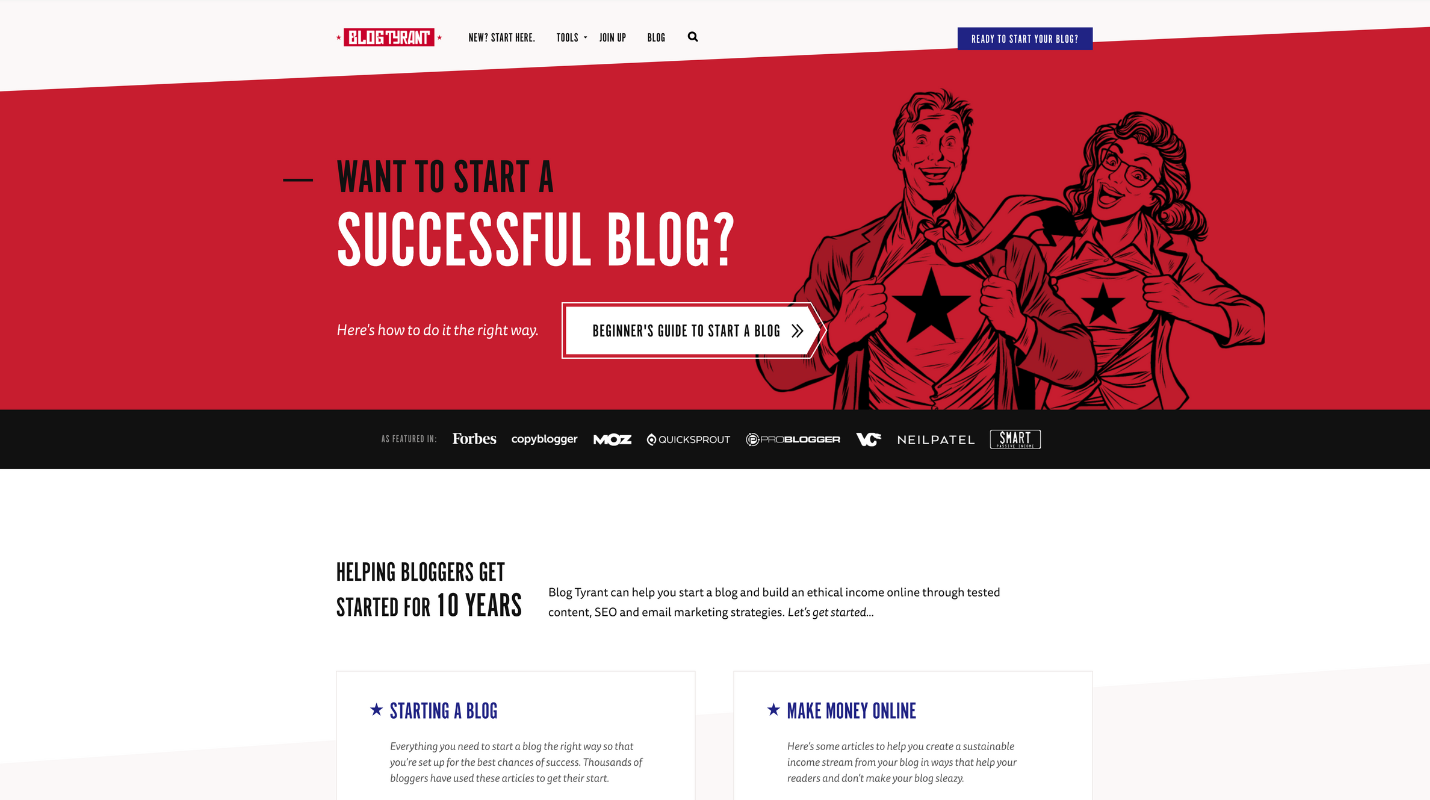
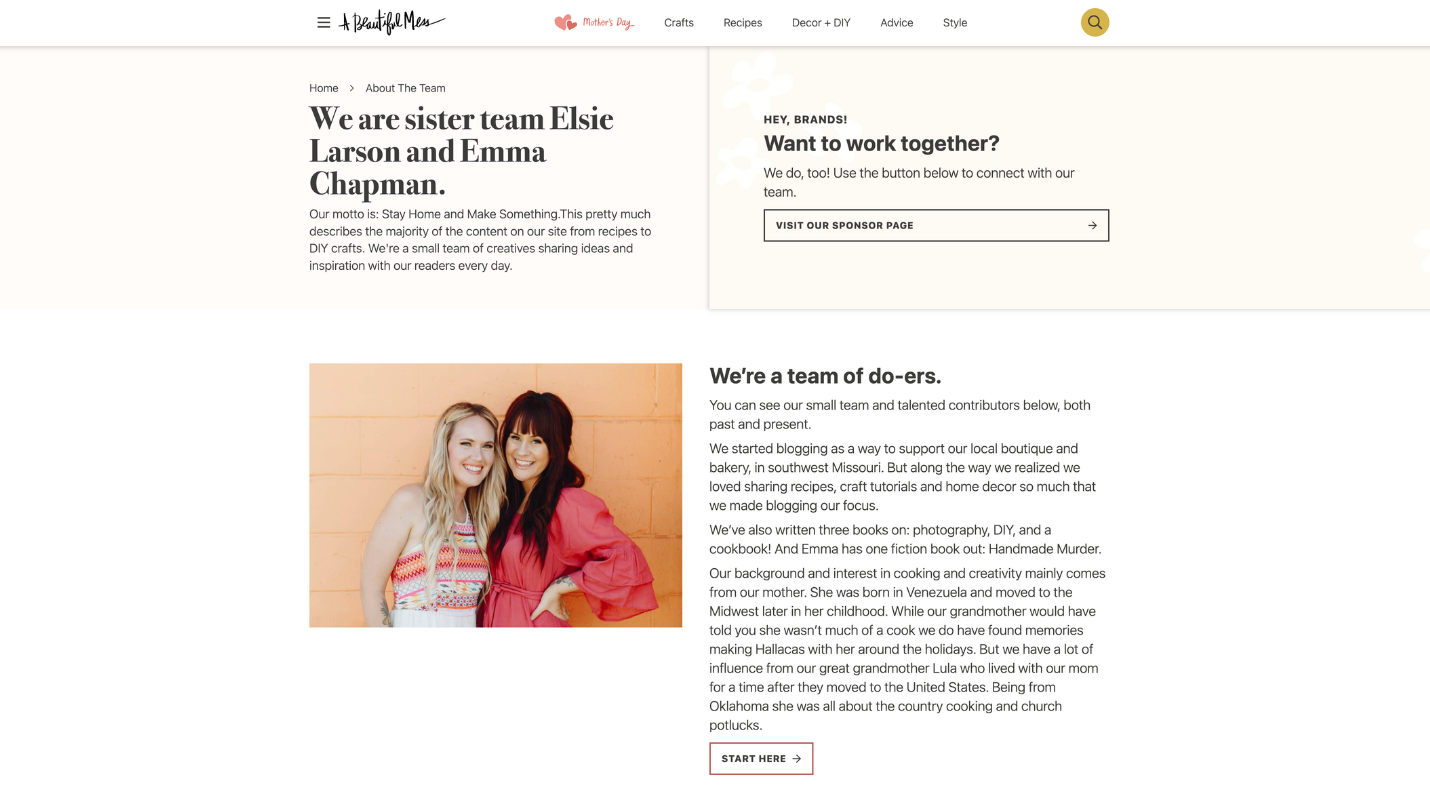
Industry analytics show that for most professional blogs, the "About" page is the second or third most visited URL on the entire site. It is the primary destination for users who are already convinced by the content and are now seeking to understand the creator’s motivation and credentials.
Elsie and Emma of A Beautiful Mess exemplify this by treat their "About" page not as a dry biography, but as a dynamic brand introduction. They utilize high-quality portraiture and punchy, mission-driven copy to bridge the gap between the reader and the creator. Experts in user experience design argue that a well-crafted about page acts as a "trust signal," which is essential for monetization efforts, such as selling courses, affiliate marketing, or brand partnerships.
Multi-Platform Brand Consistency
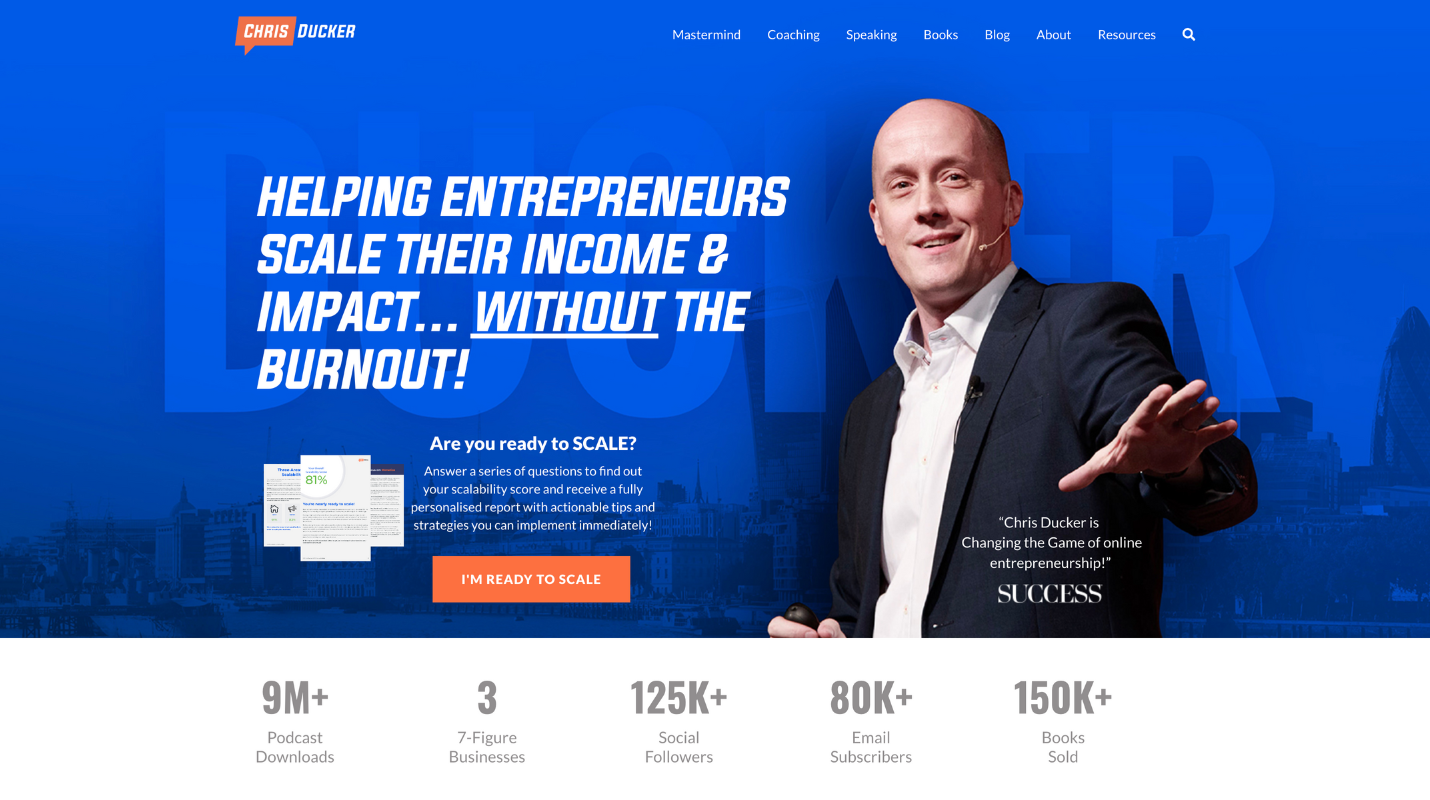
Consistency across digital ecosystems—ranging from the blog itself to Twitter, LinkedIn, and Facebook—is critical for modern digital brand architecture. Chris Ducker’s strategy of using identical, professional headshots across all touchpoints ensures a seamless transition for the user. When a reader clicks from a Facebook post to a blog, the visual continuity reassures them that they have arrived at the correct destination.
This is a lesson in brand hygiene. If a brand’s aesthetic fluctuates wildly between platforms, it creates cognitive dissonance for the consumer. Consistent branding, by contrast, builds a subconscious foundation of reliability and professionalism, which is crucial for scaling a personal brand into a sustainable business.
Color Theory and Aesthetic Cohesion
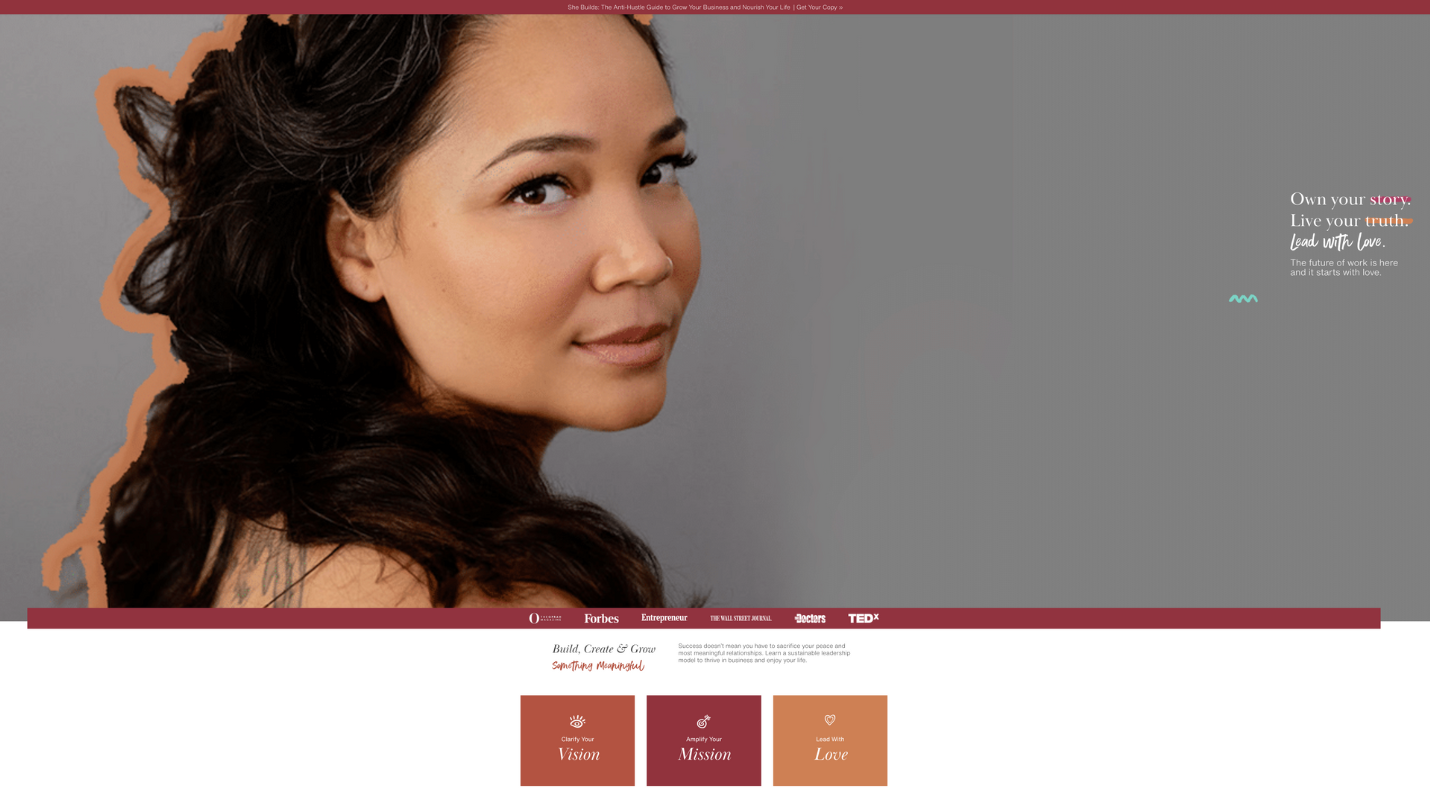
Jadah Sellner’s blog provides a masterclass in the application of color psychology. By aligning the color palette of her clothing in photographs with the site’s overall UI/UX design, she creates a seamless visual environment. Color psychology, a field extensively researched in marketing, indicates that specific hues influence user emotion and perception. Earthy, warm tones—such as those used by Sellner—often evoke feelings of comfort, trust, and organic growth, which are highly desirable traits for a business coach or mentor.
Clarity of Intent: The Brand Statement
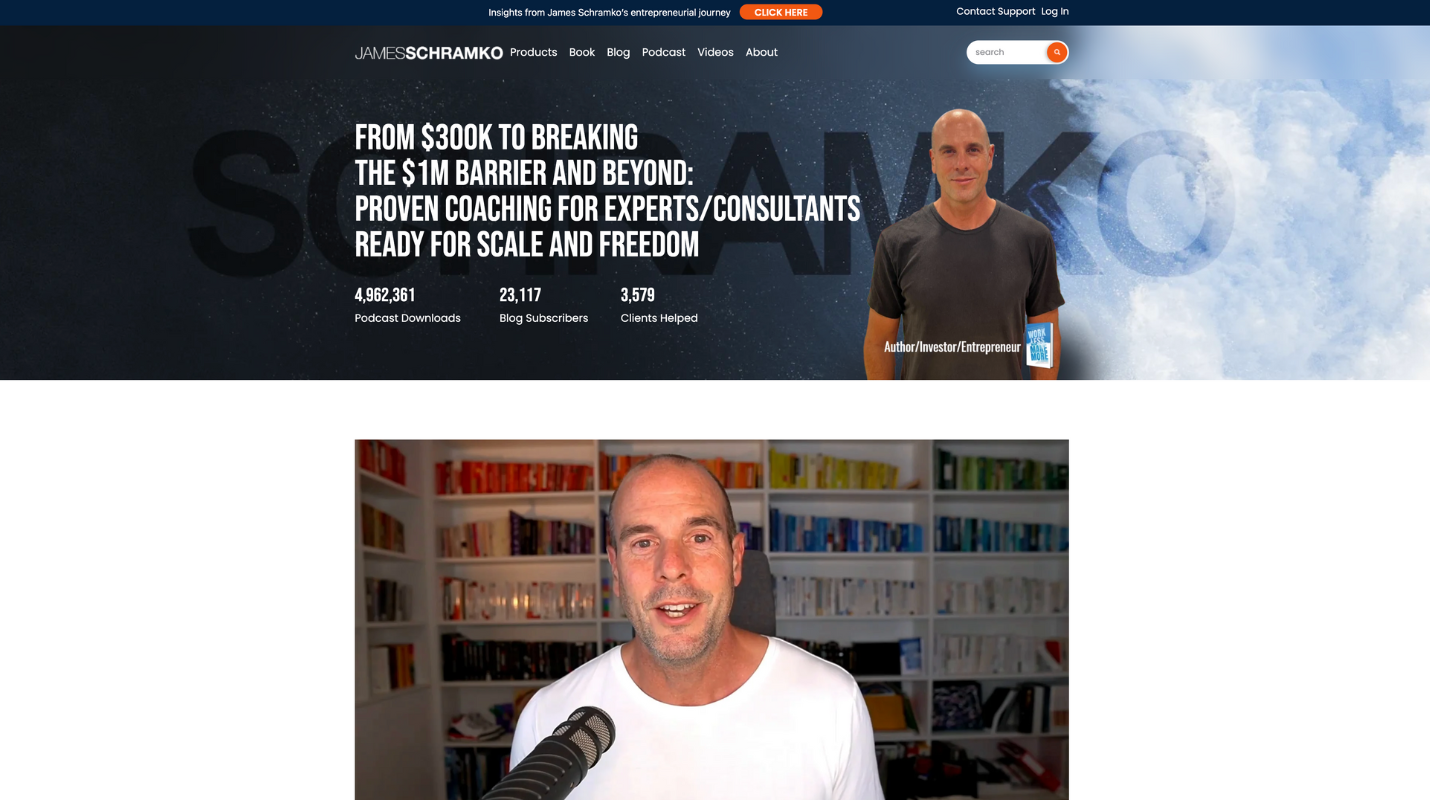
A "brand statement" serves as a navigational beacon for the visitor. James Schramko’s SuperFastBusiness is a primary example of using the "above-the-fold" real estate of a homepage to clearly state the value proposition. By identifying both the service provided and the specific audience targeted, the site eliminates ambiguity.
In a digital era defined by short attention spans, the ability to clearly define "who this is for" within three seconds of landing on a page is a critical metric for reducing bounce rates. Modern UX standards suggest that a clear, concise tagline, followed immediately by a direct call to action (CTA), is the most effective way to funnel users toward the desired conversion path.
The Power of Audience Definition
Emily of Puttylike utilized a psychological approach to community building by creating a label—"Multipotentialite"—that allowed her readers to identify themselves. This creates a sense of belonging. By integrating a lead-magnet quiz on her homepage, she converts anonymous visitors into members of her mailing list.
This strategy is a form of "community engineering." By giving the audience a name, she transforms a blog into a movement. This shift from a "content consumer" model to a "community member" model is the pinnacle of personalized blogging. When users feel they are part of a defined group, their willingness to engage with products, services, or recommendations increases significantly.
Broader Implications and Future Outlook
The transition from a standard blog to a personality-driven digital brand is not a luxury; it is a necessity for long-term viability. As artificial intelligence begins to dominate the production of generic, informational content, the value of the "human element" is expected to rise exponentially. Algorithms, while capable of producing accurate data, cannot replicate the nuanced, subjective experience of a human creator.
Future trends in blogging will likely emphasize this "Creator-as-Brand" model, where the success of a site is measured not just by traffic volume, but by the strength of the community and the depth of the personal connection between the blogger and the reader. For creators looking to remain relevant in the coming decade, the lessons provided by these ten bloggers offer a roadmap: start with visual clarity, maintain platform consistency, define the audience, and, above all, be authentically human.