For decades, the standard playbook for environmental advocacy has relied heavily on a predictable cocktail of fear, guilt, and existential pressure. Climate communicators and organizations long operated under the assumption that painting the most catastrophic picture of the future was the only way to shock individuals and corporations into meaningful action. However, as global temperatures continue to shatter historical records and ecological crises intensify, a growing body of evidence suggests this strategy has hit a brick wall. The disconnect between alarmist messaging and tangible progress has forced a fundamental re-evaluation of how environmental science and policy are communicated to the public.
Recent milestones underscore the urgency of this crisis while highlighting the failure of traditional messaging. Earlier this month, the United Nations issued a stark warning that the global community has officially missed its target of limiting warming to 1.5 degrees Celsius, bypassing a critical threshold entirely. Simultaneously, annual Conference of the Parties (COP) summits routinely conclude with incremental, diluted agreements that fall woefully short of necessary decarbonization trajectories. Summers are growing dangerously hotter, extreme weather events are becoming more frequent and severe, and public fatigue appears to be setting in at an unprecedented scale.
The institutional landscape is similarly shifting backward. In the United States, the Environmental Protection Agency has rolled back key components of its own regulatory authority, while corporate "greenhushing"—the practice of companies staying quiet about their sustainability initiatives for fear of regulatory scrutiny or activist backlash—is on the rise. Media fragmentation and competing global crises have further eroded the public visibility of environmental issues. Data from GlobeScan reveals that the proportion of consumers exposed to sustainability messaging dropped precipitously from 49% in 2023 to 36% in 2025. Furthermore, research from the Potential Energy Coalition indicates that global news coverage of climate change fell by 38% from its peak in 2021. For climate communications professionals, the message is unequivocal: continuing with yesterday’s strategies is no longer an option.
Decoding Emotional Drivers in Environmental Discourse
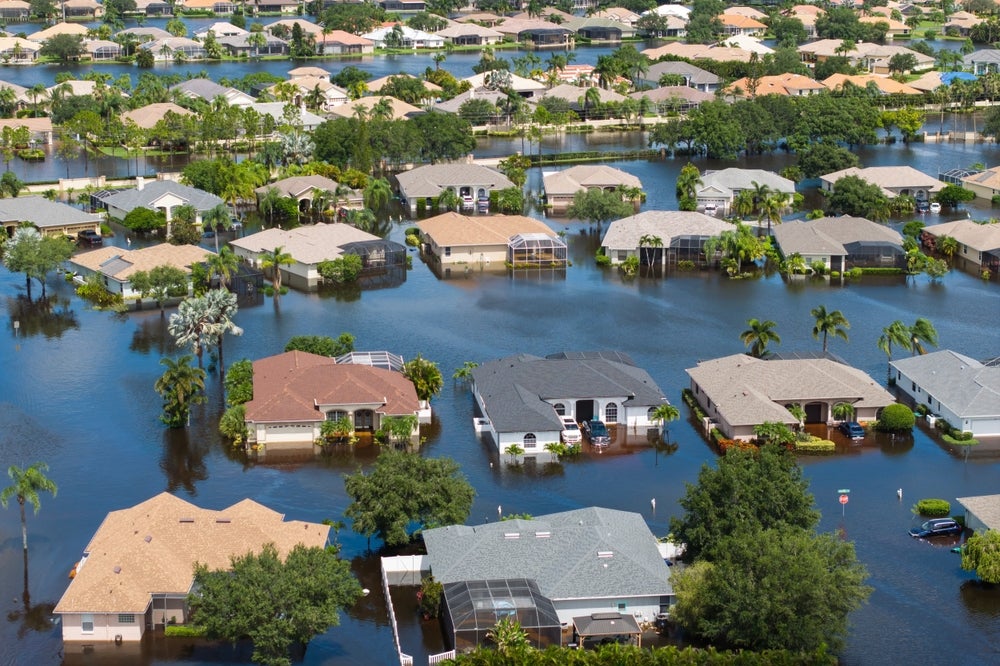
To understand why traditional awareness campaigns are losing their grip, the Purpose Center of Excellence at Allison Worldwide undertook an extensive empirical investigation into the emotional mechanisms behind climate engagement. Analyzing nearly 75,000 pieces of content across 20 distinct climate-related topics over an intensive 85-day period, the research team mapped out how 18 different emotional drivers influence public response. The analyzed topics spanned a broad spectrum of environmental challenges, ranging from global supply-chain disruptions and economic losses to ocean acidification and marine warming.
The findings challenge foundational assumptions long held by public relations firms and environmental NGOs, particularly concerning the utility of fear-based messaging. For years, campaigners believed that cultivating a sense of dread would compel audiences to adopt sustainable behaviors. Yet, the data demonstrates that dread performs poorly as a primary motivator. Among the 18 emotional drivers tested, dread languishes in the middle of the pack, ranking ninth overall. Furthermore, dread emerged as a top-five emotional driver in only five of the 20 examined climate topics.
Instead of panic, the analysis revealed that audiences are far more likely to engage with content driven by trustworthiness—how reliable the public perceives the reporting institution or source to be—alongside victim identity, human origin, and moral concern. Messages that clearly articulate human accountability and highlight identifiable victims consistently outperform abstract prophecies of doom.
The Pitfalls of Saturation and the Illusion of Urgency
A major strategic shift in recent years has involved connecting everyday meteorological anomalies directly to climate change, operating under the assumption that bringing the crisis to a citizen’s front doorstep will automatically generate political and behavioral urgency. However, the Allison Worldwide data reveals a counterintuitive reality: high-volume weather coverage often breeds emotional numbness rather than action.
An analysis of media output during the summer months illustrates this paradox vividly. Heatwaves, droughts, and floods accounted for roughly 80% of all climate-related news coverage, yet these specific weather events consistently ranked in the bottom five for emotional intensity. While daily media volume for heatwaves spiked from approximately 150 articles to 1,150 articles a week during July, their emotional resonance score remained stubbornly low, trapped in a minor statistical band. Audiences were inundated with statistical updates about rising temperatures, but the saturation failed to move the needle on personal investment.
Conversely, high-emotion topics—such as biodiversity loss, systemic environmental injustice, and approaching climate tipping points—averaged significantly higher emotional intensity scores. However, these critical subjects suffered from a severe visibility deficit, appearing in fewer than 1,000 articles each. This represents a staggering 36-to-1 coverage disparity between low-intensity weather reporting and high-intensity ecological threats. Across all evaluated categories, emotional intensity decreased as media volume increased, confirming that market saturation numbs public perception while scarcity sharpens it.
The Power of Trustworthy Messengers and Shared Accountability
Overcoming the fatigue associated with repetitive disaster reporting requires a deliberate pivot toward credible messengers and accountability frameworks. Building widespread public trust remains a formidable challenge, particularly given that institutional confidence across governments, corporations, and mainstream media hovers near historical lows. Consequently, climate communicators can no longer rely on faceless corporate statements or generalized institutional pronouncements.
Instead, communicators must leverage individuals and organizations that possess inherent authenticity and nonpartisan credibility. A prime example of this strategy in action is the Science Moms initiative, which utilized a regional Super Bowl commercial to bypass traditional political divides. By featuring climate scientists who were also mothers, the campaign deployed trustworthy messengers who directly addressed a tangible victim identity: their own children. The campaign’s framing—noting that billions of tons of carbon pollution would enter the atmosphere before a newborn takes her first breath—successfully shifted the conversation from abstract atmospheric metrics to immediate human vulnerability.
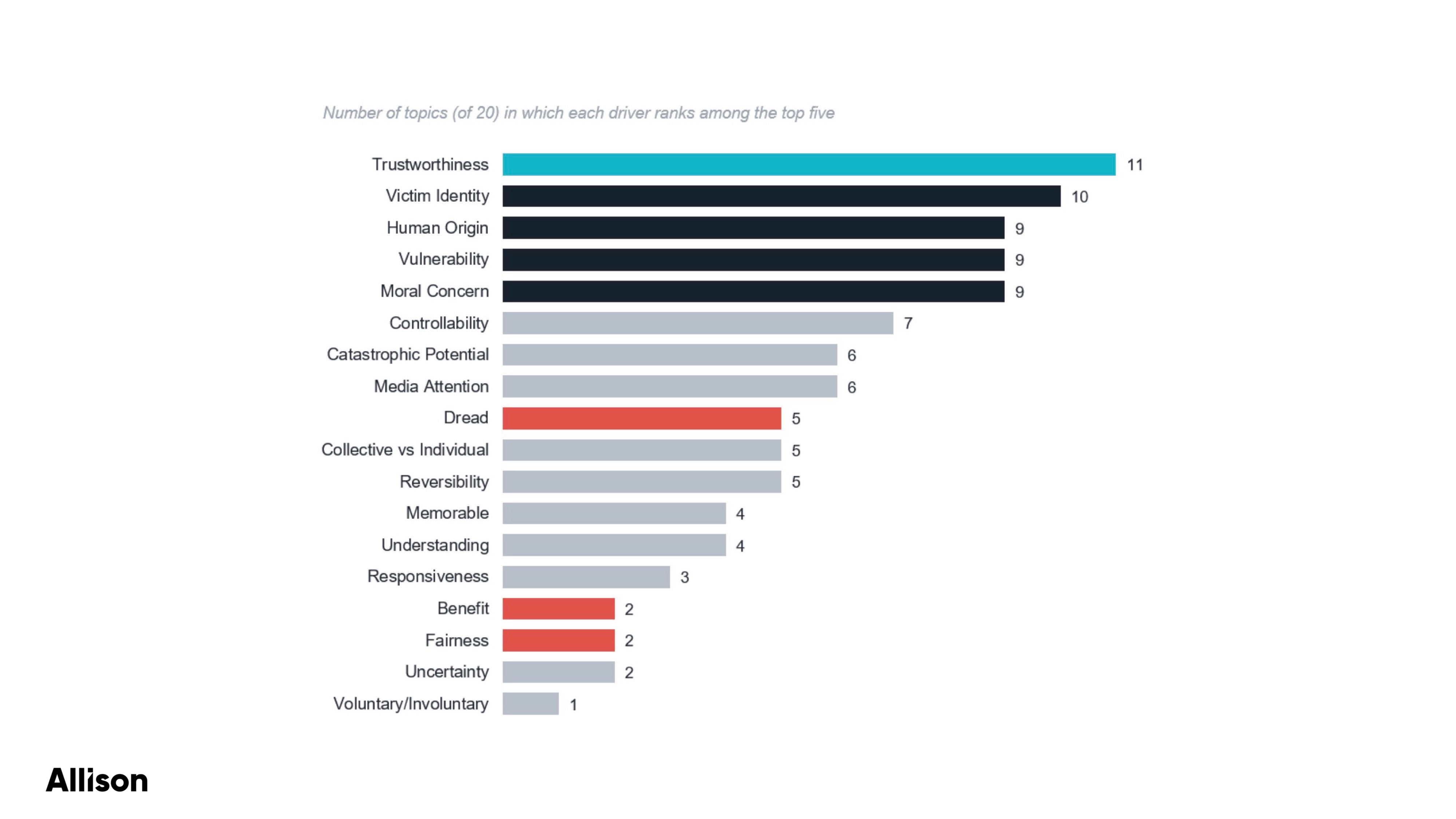
Furthermore, the research highlights fairness as a critically underutilized emotional lever within the climate communications landscape. Among all tested drivers, fairness—encompassing equity, environmental justice, and the distribution of systemic responsibility—commanded the highest average emotional intensity. Despite its potency, fairness-based framing appeared in only two of the twenty studied topics. Shifting the narrative toward equity and accountability offers communicators a high-resonance, low-competition pathway to engage skeptical or fatigued audiences.
Strategic Implications for the Future of Advocacy
The empirical findings from the Allison Worldwide study offer a clear roadmap for reforming environmental communication strategies. The path forward does not require abandoning emotion altogether; rather, it demands the precise deployment of emotional currencies that resonate with human psychology.
By replacing paralyzing narratives of dread with pillars of trustworthiness, human accountability, and fairness, practitioners can bridge the widening gap between scientific reality and public action. As the window to address critical ecological tipping points continues to narrow, the imperative for communicators is clear: evolve the message, respect the audience’s emotional intelligence, and transition from generating mere awareness to inspiring sustainable behavioral change.