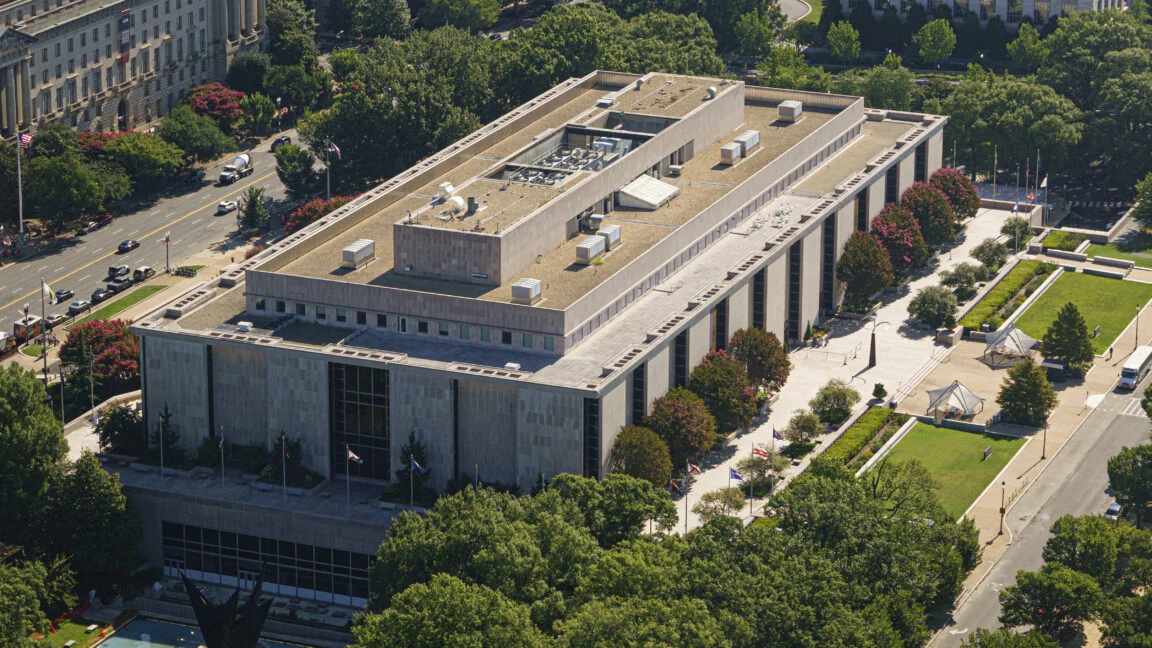
The Smithsonian Institution, long considered the premier repository of American history and a neutral guardian of the nation’s heritage, currently finds itself entangled in a profound ideological conflict that threatens its operational autonomy and federal funding. For decades, the institution has successfully navigated the complexities of American political life, maintaining a bipartisan reputation even as the broader cultural climate grew increasingly polarized. However, the events of the last several years—culminating in a series of intense congressional hearings, executive orders from the Trump administration, and the resignation of its secretary, Lonnie Bunch—have pushed the institution into the heart of a national debate over how history should be curated, taught, and remembered.
A Shifting Institutional Mandate
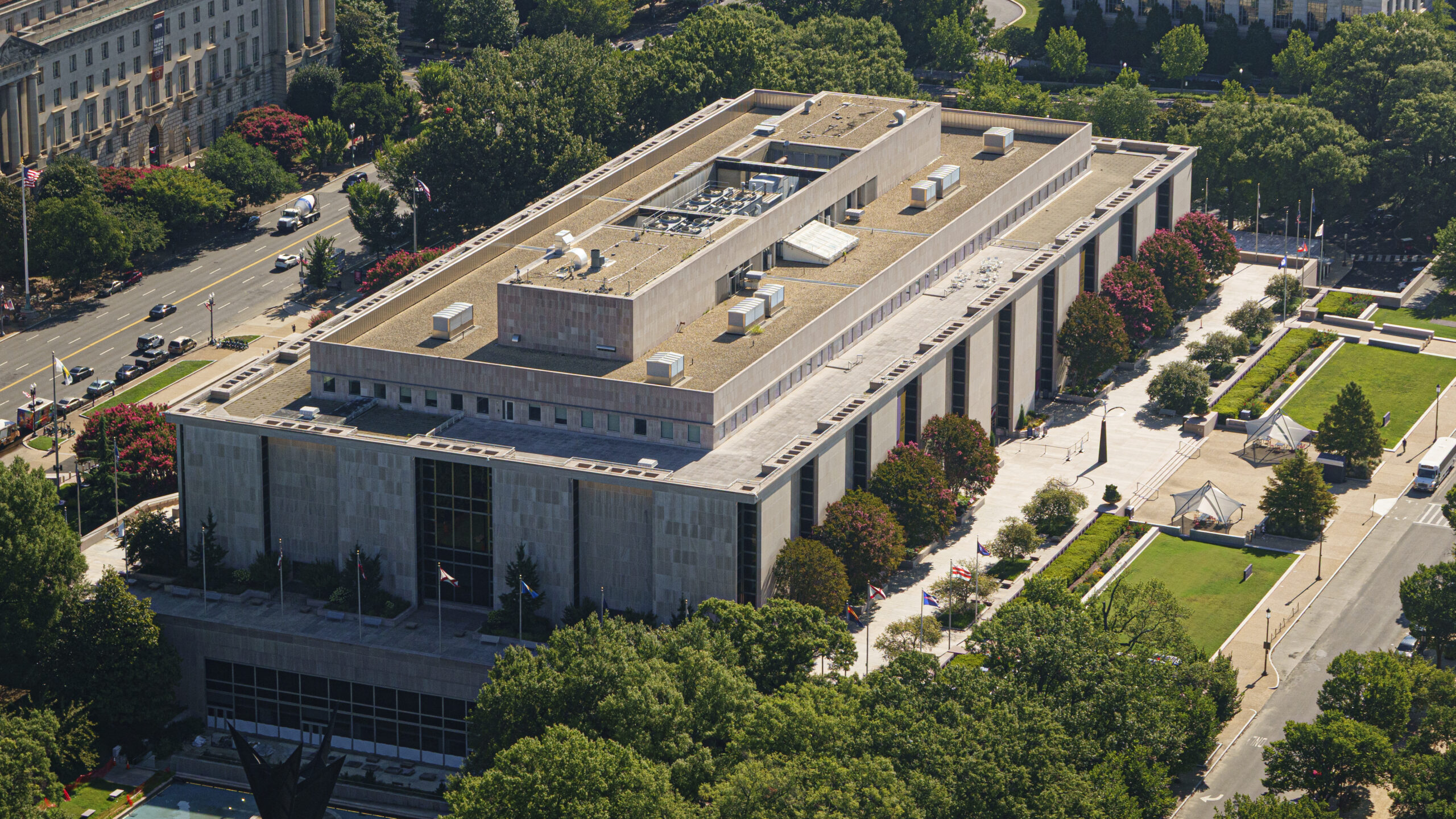
The tension currently gripping the Smithsonian is not entirely novel; it is the latest iteration of a decades-long struggle to define the institution’s mission. Established in 1846, the Smithsonian evolved into a massive, multifaceted organization comprising 21 museums and research centers. By the late 20th century, the National Museum of American History began to grapple with a dual identity: was it a technology museum, as its original name suggested, or a comprehensive historical record of the United States?
In 1999, the institution faced a significant public critique from commentators such as David Brooks, who argued that the museum had drifted into a "multicultural grievance" narrative that marginalized pivotal figures and events in favor of identity-based critiques. This led to a 2002 blue-ribbon commission, chaired by former Republican official Richard Darman, which recommended a "transformation" toward a more coherent, chronological, and balanced narrative of American history. Despite these efforts, curators continued to move away from the "great man" approach to history, favoring episodic storytelling that highlighted the experiences of marginalized groups. This transition, while intended to be inclusive, left the museum vulnerable to charges that it had abandoned a unified, aspirational national narrative.
The 2020 Pivot and Institutional Reckoning
The internal trajectory of the Smithsonian changed significantly in the summer of 2020. In the wake of the COVID-19 pandemic and the widespread social unrest following the murder of George Floyd, the institution, led by Secretary Lonnie Bunch, launched a series of internal initiatives categorized under "Smithsonian Cares." These efforts focused on integrating Diversity, Equity, Accessibility, and Inclusion (DEAI) frameworks into the core of the museum’s operations.
Internal records from the Board of Regents meetings in 2020 and 2021 reveal a clear pivot toward positioning the Smithsonian as a forum for critical conversations about race, identity, and social justice. This shift was supported by the Biden administration, which collaborated with the Smithsonian on various exhibits at the White House celebrating Pride Month, Black History Month, and other heritage observances. While the institution’s leadership viewed these changes as a necessary evolution to reflect a more inclusive American reality, these actions provided a clear target for conservative critics who argued that the museum had succumbed to ideological capture.
The Trump Administration’s Intervention
The election of Donald Trump marked the beginning of a direct confrontation between the executive branch and the Smithsonian. In March 2025, President Trump signed an executive order labeling the institution’s programming as "divisive, race-centered ideology." This was followed by a comprehensive, 162-page White House report released on July 4, 2026, which served as a blistering audit of the museum’s recent curatorial choices.
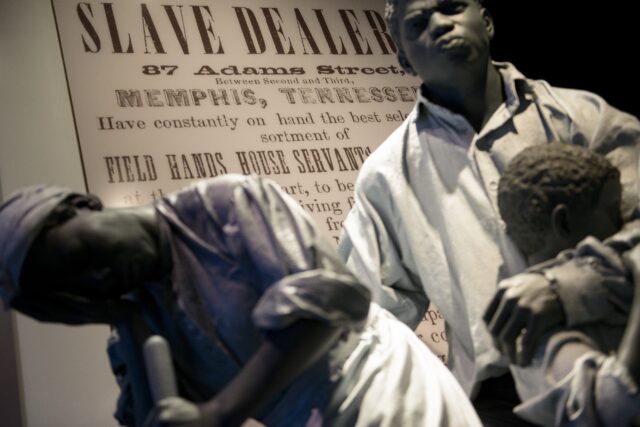
The report singled out specific exhibits for intense scrutiny. Among them was the 2021 exhibit "The Electric Dr. Franklin," which hypothesized that Benjamin Franklin may have used enslaved people in his early electrical experiments. Other controversial items identified by the administration included an exhibit on girlhood that referenced gender identity in ways deemed inappropriate by conservative lawmakers, and the inclusion of a BDSM-related harness in a display concerning LGBTQ history. The report argued that the museum had moved away from "straightforward historical education" toward "extreme political activism."
Legislative Scrutiny and Congressional Hearings
The political pressure intensified in July 2026, when two House committees held back-to-back hearings to grill Smithsonian leadership. Director Anthea Hartig was forced to defend the institution’s curatorial standards against aggressive questioning from Republican representatives.

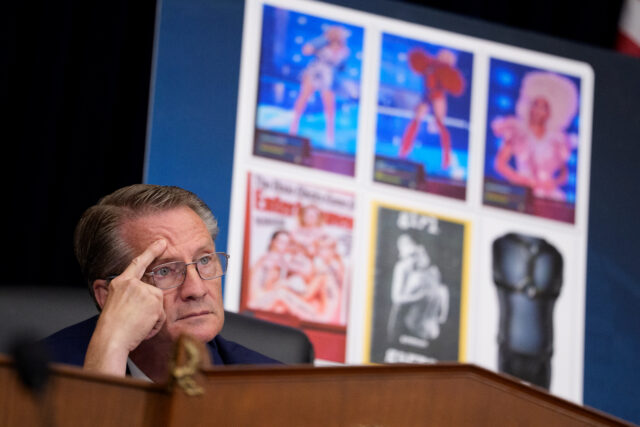
During the hearings, lawmakers displayed images of the controversial artifacts, questioning their educational value and suitability for a taxpayer-funded national museum. Rep. Tim Burchett of Tennessee and other committee members challenged the museum’s use of internal "social action" toolkits, which critics claimed characterized concepts like "politeness" and "objectivity" as features of white supremacy.
Conversely, Democratic lawmakers and academic witnesses, including Yale historian David Blight, defended the Smithsonian’s independence. Rep. Kweisi Mfume’s impassioned defense of the institution highlighted the depth of the partisan divide, with supporters framing the administration’s attacks as an attempt to sanitize history and suppress the honest exploration of America’s more difficult chapters.
Financial and Organizational Consequences
The Smithsonian’s position is uniquely fragile due to its funding structure. While the institution is an independent federal entity governed by a 17-member board, it relies on federal appropriations for approximately 62% of its annual budget—totaling more than $1 billion. Threats of significant budget cuts from a Republican-led Congress have created an atmosphere of extreme uncertainty.
In September 2026, the cumulative pressure led to the resignation of Lonnie Bunch, the first African American secretary of the Smithsonian. His departure signaled a major leadership vacuum at a time when the board must fill multiple vacant citizen-regent seats. The appointment of these new members, along with the eventual selection of a successor, will be a critical indicator of the institution’s future direction. Chief Justice John Roberts, who heads the Board of Regents, is expected to play a decisive role in how the institution navigates these next steps.
Implications for the Future of Public History
The current struggle over the Smithsonian is emblematic of a broader contest over the role of cultural institutions in American democracy. Critics of the current administration’s intervention argue that a government-imposed narrative is fundamentally anti-intellectual and dangerous for the preservation of historical integrity. They maintain that a museum’s role is to present complex, often uncomfortable, facts that allow the public to engage with the reality of the past, rather than a curated version of national glory.
On the other hand, supporters of the administration’s efforts argue that the Smithsonian has a responsibility to provide a unifying national narrative that fosters civic cohesion. They contend that the "ideological capture" of the institution has alienated a significant portion of the public, and that a return to more traditional, consensus-based history is necessary to restore the museum’s standing as a truly national institution.

As the nation prepares for the aftermath of these events, the Smithsonian faces an existential question: can it maintain its role as an objective source of historical education while operating under the intense, partisan scrutiny of a political climate that demands ideological alignment? With several museums in the pipeline—including the National Museum of the American Latino—the debate over how to define the American story is likely to grow even more contentious. The resolution of this crisis will likely shape the institution’s identity for the next generation, determining whether the Smithsonian remains a space for debate and discovery or becomes yet another front in the ongoing national culture war.