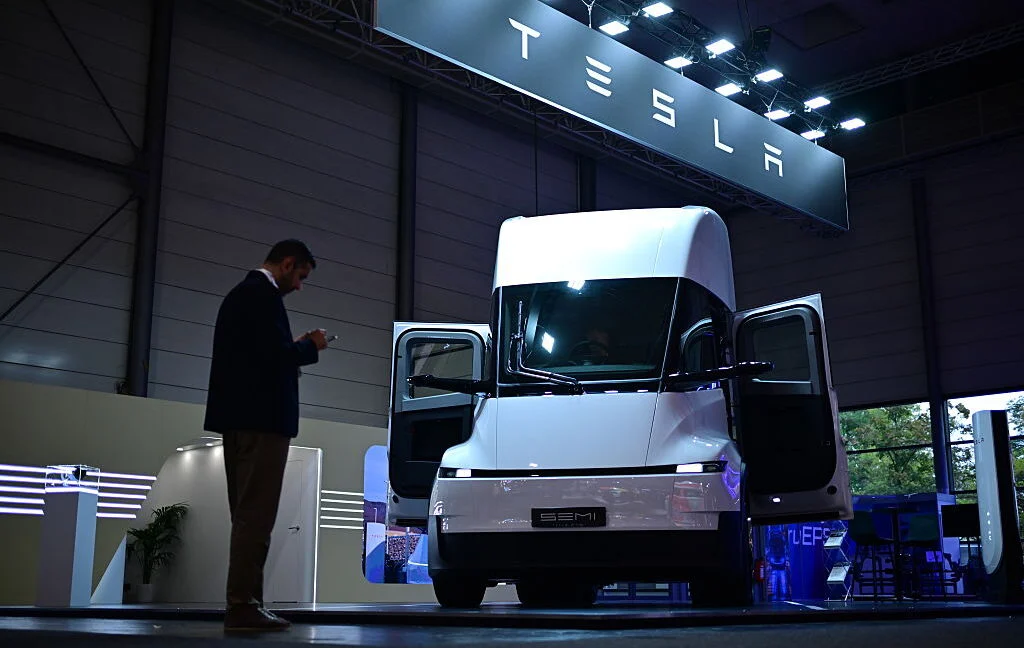
The logistics and transportation sector is currently navigating a period of profound transformation, characterized by a paradoxical landscape of retreating federal environmental mandates and surging market demand for electrified heavy-duty transport. While the current administration—supported by significant financial backing from industry leaders including Elon Musk—has moved to dismantle federal subsidies for electric vehicles (EVs) and roll back fuel economy standards for heavy-duty truck engines, the economic reality of the marketplace is driving an aggressive shift toward electrification. This divergence between policy and market demand has been underscored this week by a landmark procurement deal involving a coalition of major corporate shippers, including Microsoft and PepsiCo, which have placed a record-setting order for 2,500 Tesla Semi trucks.
The Economic Catalyst: Diesel Price Volatility
The decision by major corporate players to pivot toward electric heavy-duty vehicles is rooted less in regulatory pressure and more in the cold arithmetic of operational costs. The global energy market is currently under extreme duress, fueled by the ongoing conflict in the Middle East, which has significantly disrupted oil production and international shipping lanes. As the Iran War continues to strain global supply chains, diesel prices in the United States have reached record highs, effectively doubling in cost compared to the same period last year.
For fleet operators, the fuel-to-mileage ratio is the primary determinant of profitability. During a recent pre-taped address, Elon Musk emphasized the shifting economic calculus, noting that the Tesla Semi "is going to make a ton of sense economically because the cost of electricity is much less than the cost of diesel, especially in these crazy times." The irony of this economic pressure remains stark; while the administration Musk helped install has actively sought to weaken climate-related mandates for trucking, the geopolitical instability linked to that same administration’s foreign policy is creating the very conditions that necessitate a transition to electric energy.
A Chronology of the Tesla Semi Development
The journey of the Tesla Semi from concept to mass-market adoption has been protracted, marked by several years of delays and iterative engineering.
- November 2017: Tesla officially unveils the Semi prototype, promising long-range capability, rapid charging, and the integration of Enhanced Autopilot technology.
- 2018–2021: The company faces significant production hurdles, repeatedly pushing back delivery timelines as the focus shifts toward the high-volume production of the Model 3 and Model Y.
- December 2022: Initial deliveries begin, with PepsiCo receiving the first fleet of production-ready units for pilot testing.
- 2023–2024: Tesla expands the manufacturing capacity of its Nevada-based facilities to accommodate the scaling of the Semi production line.
- Mid-2025: The current record-setting order of 2,500 units is announced, signaling a transition from pilot programs to full-scale commercial deployment.
Structural Impact: The Pooling of Demand
The order of 2,500 units by a coalition of shippers represents a pivotal moment for the heavy-duty EV market. According to data from CALSTART, a clean transportation nonprofit, this single transaction has the potential to nearly double the total number of heavy-duty electric trucks currently operational on U.S. roads. By pooling their demand, these corporations have successfully negotiated pricing structures that make the transition to electric fleets financially viable, effectively de-risking the investment for individual carriers.
Meena Bibra, a spokesperson for the Smart Freight Centre, noted that the decision-making process was rigorous, involving a multi-faceted assessment of price, performance, production capability, and long-term service support. While the Tesla Semi emerged as the preferred choice for this specific procurement, the broader landscape remains competitive. Other manufacturers, including Kenworth, Volvo, and startup entities like Ride, continue to secure contracts based on specific regional needs and existing service infrastructure. For many logistics companies, the decision to purchase is heavily influenced by the existing brand ecosystem; those already integrated with Volvo or Kenworth service networks are frequently choosing to stick with their established partners as they transition to electric powertrains.
Policy Divergence and Environmental Implications
The regulatory environment in Washington stands in sharp contrast to the corporate decarbonization strategies being adopted by companies like Microsoft and PepsiCo. The federal government’s recent decision to cut billions of dollars in subsidies for EVs has complicated the transition for smaller logistics firms that lack the capital reserves of larger corporations. Furthermore, the administration’s efforts to lower fuel economy standards for heavy-duty truck engines represent a significant departure from previous federal trajectories aimed at curbing the transport sector’s carbon footprint.
Heavy-duty trucking is a major contributor to the U.S. environmental profile, accounting for approximately 7 percent of total domestic greenhouse gas emissions. By lowering standards for traditional internal combustion engines, the government effectively extends the lifecycle of high-emission vehicles. However, the data suggests that market forces—specifically the volatility of the oil market—are acting as a de facto regulator, forcing companies to adopt cleaner technologies simply to survive the current inflationary environment for fossil fuels.
Technological Hurdles: The Autonomy Question
Despite the progress in hardware, the software integration of the Tesla Semi remains a subject of intense industry scrutiny. During the initial 2017 rollout, Tesla promised that the Semi would be equipped with advanced driver-assistance systems, specifically citing Enhanced Autopilot. Nearly eight years later, the company has yet to deploy these features for the commercial fleet.
Musk recently addressed the status of "Full Self-Driving (Supervised)" for the Semi, indicating that it would debut in "the very near future." However, skepticism remains within the logistics industry. The operation of an 80,000-pound Class 8 truck presents significantly different safety and liability challenges than the operation of a passenger vehicle. Industry analysts suggest that while autonomous features could eventually reduce labor costs and improve safety by mitigating the risks of drowsy driving, the current technological maturity of these systems may not yet meet the stringent safety requirements of commercial freight operations.
Future Outlook for Heavy-Duty Freight
The next 18 months will serve as a critical stress test for the electric trucking industry. As the 2,500 Tesla Semis are delivered and integrated into existing supply chains, the industry will gain access to unprecedented data regarding battery efficiency, charging infrastructure reliability, and total cost of ownership (TCO) in real-world conditions.
If the performance of these vehicles meets the ambitious expectations set by Musk and the purchasing coalition, it will likely trigger a secondary wave of procurement across the logistics sector. Conversely, if the units encounter significant maintenance delays or fail to meet range expectations under heavy load, the industry may see a temporary cooling of demand as companies hedge their bets with hybrid or hydrogen-fuel-cell alternatives.
The fundamental shift here is the decoupling of the EV industry from federal support. For years, the growth of the EV sector was inextricably linked to tax incentives and green energy mandates. Today, the sector is increasingly driven by the volatility of global oil markets and the strategic imperative for corporations to stabilize their operational expenditures. Whether through political mandate or market necessity, the transition of the U.S. trucking fleet appears to be accelerating, fundamentally altering the logistics landscape for the coming decade. As manufacturers and fleet operators navigate this transition, the success of the Tesla Semi will likely serve as a bellwether for the broader feasibility of heavy-duty electrification in an era of persistent global energy instability.