Returning to Texas after a 25-year absence, homeowner and technology journalist Christopher Null was immediately confronted by a formidable local fauna: mosquitoes that appeared larger, more resilient, and significantly more aggressive than those he remembered. Within weeks of moving back into his Texas residence, outdoor spaces had become practically unusable without incurring a barrage of bites. This personal plight reflects a broader, nationwide challenge: shifting climate patterns, longer warm seasons, and increased humidity have exacerbated pest pressures across the American South, driving homeowners to seek technological interventions that go beyond traditional, temporary pest control methods.
Faced with an urgent need for relief, Null initially turned to conventional commercial pest control services. This approach involved paying a local contractor thousands of dollars annually to visit his property once every three weeks. Armed with a heavy pesticide-blasting cannon strapped to his back, the technician would coat the property’s foliage in chemicals designed to knockdown local insect populations. While initially potent, this method proved structurally flawed and economically inefficient. The heavy-duty chemical barriers typically wore off entirely within 48 to 72 hours. Once the residual effect faded, mosquito populations returned with renewed vigor, leaving the property owner locked in an expensive, recurring cycle of chemical saturation that offered only fleeting windows of outdoor comfort.
The Search for a Semi-Permanent, Smart Solution
The search for a more sustainable, reliable alternative took two years of industry research before culminating in the adoption of the Thermacell LIV Smart Mosquito Repellent System. Unlike portable, personal-use mosquito repellers—which Thermacell has manufactured for years for campers, hikers, and patio diners—the LIV system represents a fundamentally different category of pest abatement. Designed as a semi-permanent infrastructure installation, the system is anchored around the property to create an on-demand, targeted chemical barrier that can be activated via smartphone applications or automation routines when outdoor spaces are occupied, and shut down remotely when the yard is vacant.
Two years after the initial deployment and extensive review of the first-generation LIV hardware, Thermacell introduced a major hardware revision: the LIV 2.0 system. The manufacturer supplied the upgraded hardware suite for long-term testing to evaluate mechanical improvements, ease of installation, and overall efficacy compared to its predecessor. While the core technological premise remains consistent, the iteration brings notable structural and aesthetic refinements to almost every component of the system, leaving only the underlying cabling architecture untouched.
System Architecture and Chronology of the LIV Ecosystem
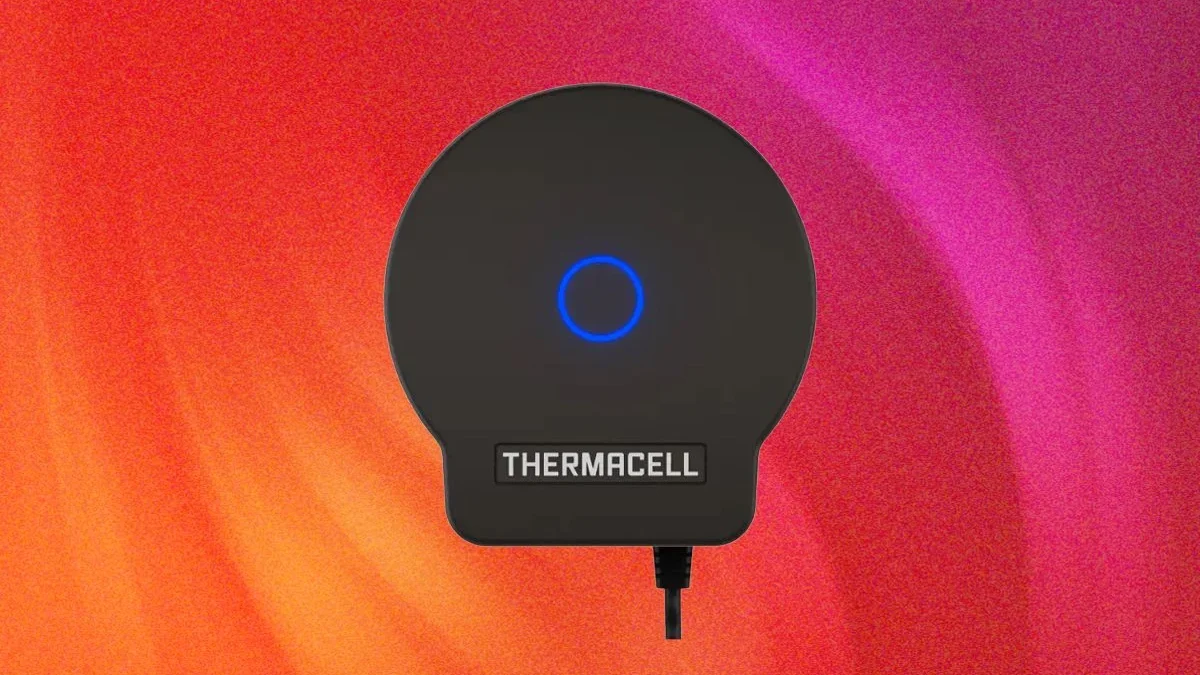
Conceptually, the LIV 2.0 architecture adheres to the proven framework of the original model. At the heart of the system are Wi-Fi-connected control hubs that plug directly into standard exterior electrical outlets. These hubs act as the command centers, managing power distribution and digital connectivity. Extending from the control hubs are lengths of specialized cabling, arranged in a daisy-chain configuration around the designated perimeter—such as a swimming pool deck, patio, or garden perimeter.
Interspersed along this cable network are individual pesticide-emitting repellers. Each repeller unit can be positioned up to 20 feet apart from the next, forming an interconnected perimeter defense line. Inside each repeller sits a replaceable chemical vial containing metofluthrin, a synthetic pyrethroid derivative known for its high efficacy in repelling mosquitoes without requiring direct contact or heavy, toxic environmental saturation. Crucially, metofluthrin does not necessarily kill mosquitoes on contact; instead, it creates an invisible vapor barrier that disrupts their sensory receptors, rendering them unable to detect human hosts and driving them away from the protected zone.
During the initial deployment of the first-generation system, the configuration required two control hubs and five repellers to adequately ring a residential swimming pool. In evaluating the LIV 2.0 hardware, the testing methodology was expanded: a sixth repeller was integrated into the perimeter to eliminate a perceived vulnerability in a shaded corner where micro-climates might allow mosquitoes to breach the vapor shield.

Evolution from Version 1.0 to LIV 2.0: What Has Changed?
The transition from the original LIV system to the LIV 2.0 iteration focuses primarily on hardware refinement, industrial design updates, and enhanced user experience. While the underlying chemical science—relying on metofluthrin vaporization—remains unchanged due to its proven effectiveness, the physical units have undergone significant redesigns.
Exterior aesthetics have been updated to blend more seamlessly into modern landscaping, utilizing subdued color palettes and more durable, weather-resistant chassis materials designed to withstand extreme UV exposure, heavy rainfall, and fluctuating seasonal temperatures. Furthermore, software integrations within the companion mobile application have been streamlined, offering more reliable Wi-Fi pairing, more granular scheduling capabilities, and improved diagnostic feedback loops in case a cable connection is disrupted or a chemical vial runs low.
Industry Data and Market Context for Smart Pest Control
The launch of the LIV 2.0 arrives at a time of significant expansion within the smart home and outdoor living markets. According to recent market research reports, the global pest control market has experienced steady year-over-year growth, driven heavily by consumer demand for automated, eco-conscious, and data-driven home maintenance solutions. Traditional pest control—characterized by scheduled truck visits and broad-spectrum chemical sprays—is facing increasing scrutiny from environmentally conscious consumers concerned about the impact of indiscriminate pesticide use on beneficial insects, such as bees and butterflies.
Targeted, on-demand systems like the Thermacell LIV platform represent a structural shift in how homeowners approach vector-borne disease prevention and outdoor comfort. By utilizing metofluthrin only when the system is actively running, homeowners significantly reduce the total volume of chemicals released into the immediate environment compared to traditional barrier sprays. Furthermore, integration with smart home ecosystems—including compatibility with major automation platforms—allows users to tie mosquito abatement schedules directly to outdoor lighting routines, smart irrigation systems, or occupancy sensors.
Broader Implications for Homeowners and Environmental Safety
As climate shifts continue to expand the geographic ranges and active seasons of mosquito species capable of vectoring diseases such as West Nile virus, Zika, and dengue fever, residential pest management has transitioned from a matter of comfort to a public health consideration. Automated perimeter systems offer a middle ground between personal insect repellents (such as DEET sprays applied directly to the skin) and area-wide municipal or commercial spraying.
However, analysts note that such systems come with distinct trade-offs. The initial investment for a multi-unit perimeter system like Thermacell LIV—encompassing hubs, multiple repellers, professional or DIY installation, and ongoing subscription purchases for replacement metofluthrin vials—remains substantial, often comparable to or exceeding the annual cost of traditional contract spraying. Consequently, these technologies are currently positioned primarily within the premium residential home improvement market.
As long-term testing of the LIV 2.0 system continues, early indicators suggest that Thermacell has successfully addressed minor durability and connectivity pain points identified in the first-generation hardware. By maintaining backward compatibility with existing cabling while upgrading the control hubs and repeller units, the company has also provided an accessible upgrade path for early adopters. For homeowners locked in a perennial battle with aggressive regional mosquito populations, the evolution of smart perimeter defense systems signals a promising, albeit premium, shift toward friction-free backyard management.