Achieving visibility on TikTok in 2026 requires more than just high-quality creative content; it demands a strategic approach to timing that aligns with the platform’s complex recommendation algorithm. For digital marketers, small business owners, and independent creators, the question of when to hit "publish" has become a central component of social media strategy. Recent empirical analysis of over 7.1 million posts suggests that while there is no universal "magic hour," specific temporal patterns significantly correlate with higher audience engagement rates.
The TikTok algorithm functions on a series of rapid-fire signals, prioritizing content that generates immediate interaction. When a video is uploaded, the platform serves it to a small initial test group. If this cohort interacts—through likes, shares, comments, or, most crucially, extended watch time—the algorithm identifies the content as high-value and distributes it to a broader audience on the For You Page (FYP). Consequently, posting during periods of peak user activity acts as a catalyst, providing the necessary momentum to trigger this algorithmic push.
Chronology and Patterns of Engagement
A comprehensive analysis of 7.1 million videos, carousels, and text posts conducted by Buffer researchers in early 2026 has unveiled a nuanced map of user behavior. The data indicates that engagement is not distributed evenly across the week; rather, it fluctuates based on the shifting routines of a global user base.
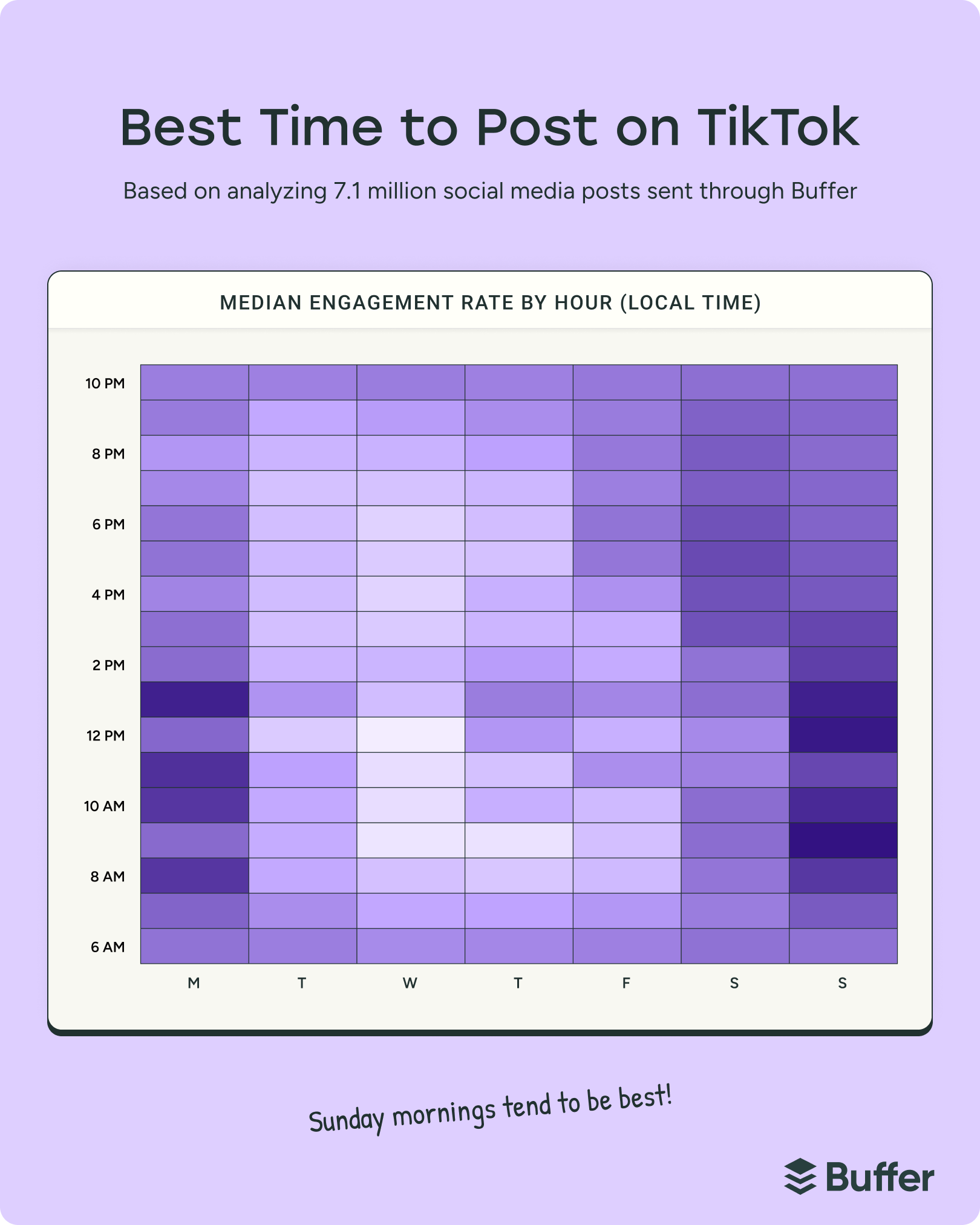
The standout finding from the 2026 study identifies Sunday at 9 a.m. as the single most effective time for content distribution. This suggests that as users ease into their weekend, they are highly receptive to short-form video consumption. Following this, Monday at 1 p.m. and Sunday at 1 p.m. emerge as secondary peaks, reflecting a "return to routine" engagement spike.
Conversely, the data highlights that mid-afternoon windows—specifically between 12 p.m. and 5 p.m. on weekdays—often see lower engagement levels. This is largely attributed to the nature of the medium. Unlike text-heavy platforms that can be navigated in short, quiet bursts during a workday, TikTok is a sound-on, high-attention experience. Users are statistically more likely to engage with such content during dedicated downtime, such as lunch breaks, commutes, or evening periods of relaxation.
Data Breakdown by Day
To assist content planners in optimizing their workflows, the following table summarizes the primary and secondary engagement windows identified by the 2026 study:
| Day of the Week | Primary Peak | Secondary Windows |
|---|---|---|
| Monday | 1 p.m. | 11 a.m., 8 a.m. |
| Tuesday | 6 a.m. | 10 p.m., 7 a.m. |
| Wednesday | 10 p.m. | 6 a.m., 9 p.m. |
| Thursday | 1 p.m. | 10 p.m., 6 a.m. |
| Friday | 6 p.m. | 10 p.m., 8 p.m. |
| Saturday | 5 p.m. | 4 p.m., 3 p.m. |
| Sunday | 9 a.m. | 1 p.m., 12 p.m. |
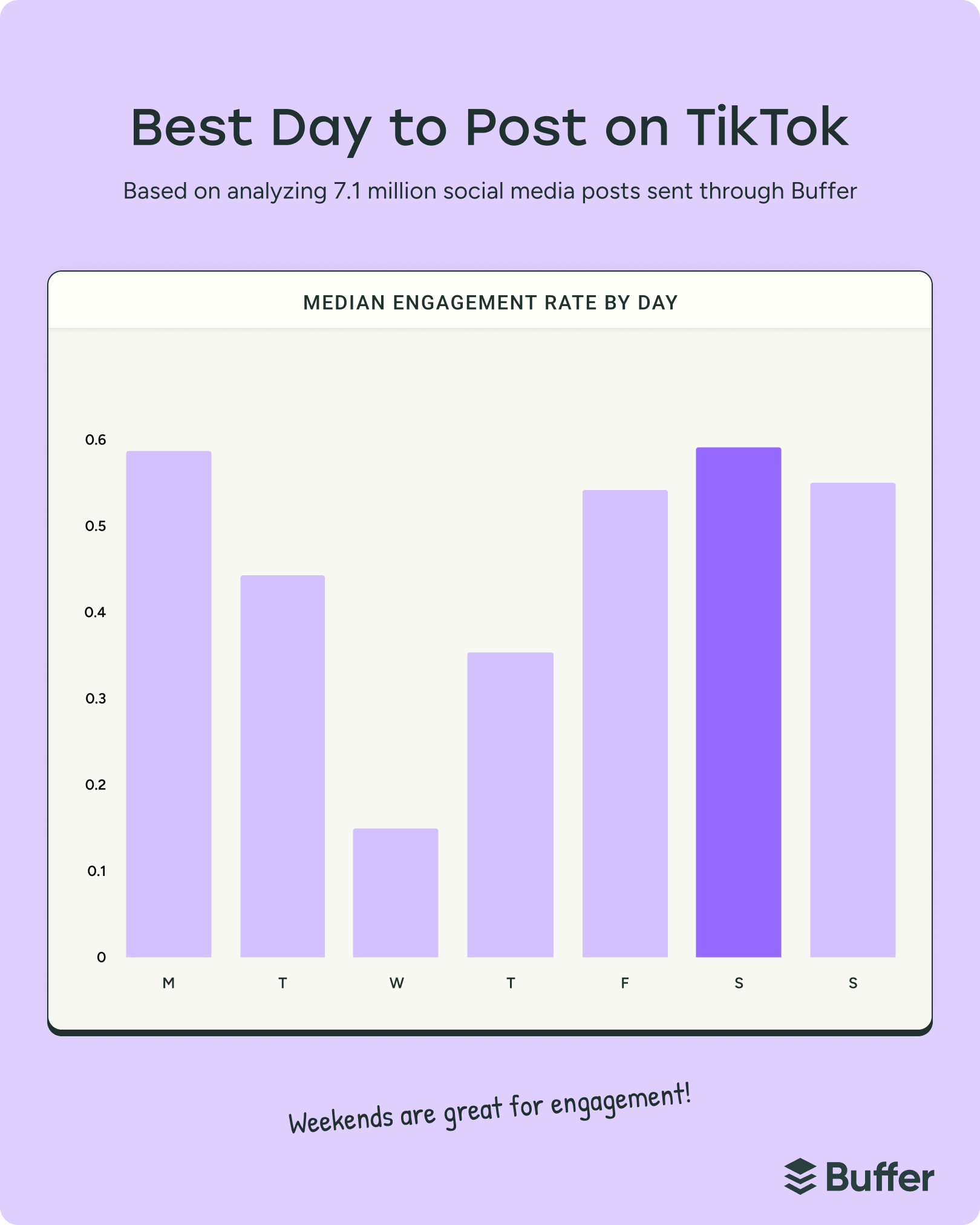
Saturday stands out as the most consistent day for high-performance content, while Sunday morning holds the top spot for individual engagement volume. These findings suggest that the traditional "9-to-5" work week influence is declining as creators move toward a more flexible, weekend-heavy posting schedule.
The Mechanism of Algorithmic Success
The reliance on timing is rooted in the "three-second rule." Because the algorithm prioritizes retention, the first three seconds of a video are critical for hooking the viewer. If a video is posted when a creator’s specific audience is offline, it risks missing the critical "first-hour" window of engagement. When a post sits idle, the algorithm may misinterpret the lack of early interaction as a sign of low quality, effectively burying the content before it has a chance to reach a wider audience.
However, industry experts emphasize that timing is a force multiplier, not a replacement for content quality. A video with poor pacing, a weak hook, or low-value information will not perform well, regardless of the posting time. Timing should be viewed as the foundation upon which high-quality content is built.
Strategic Implementation and Audience Analysis
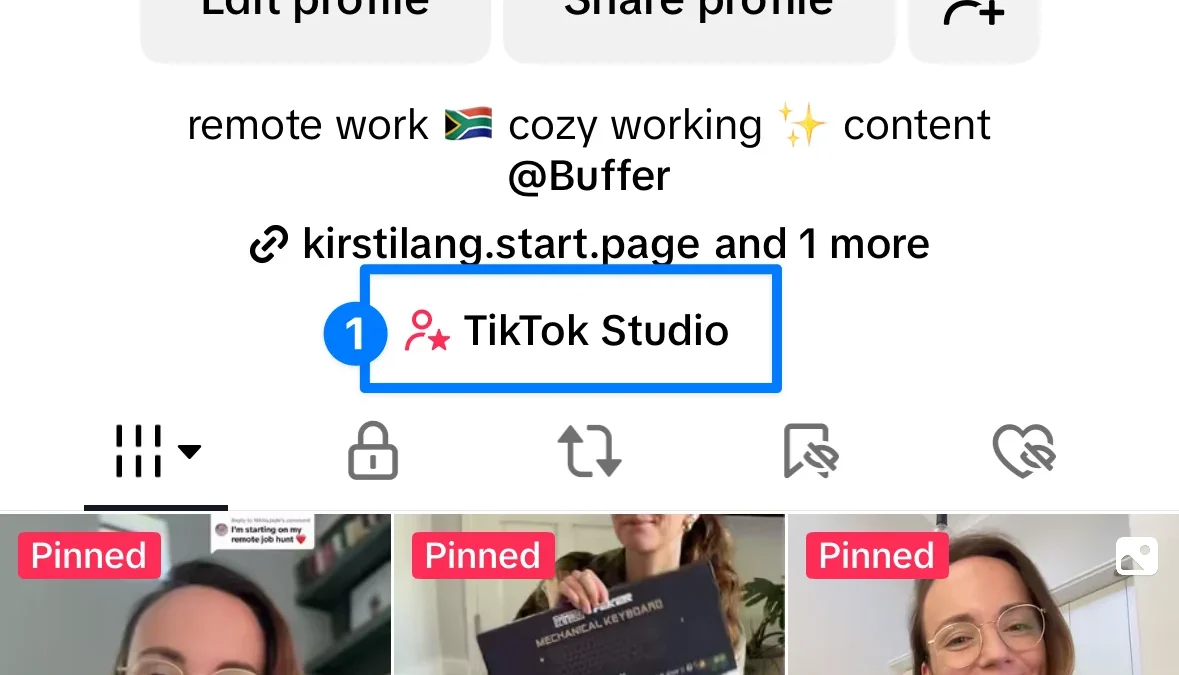
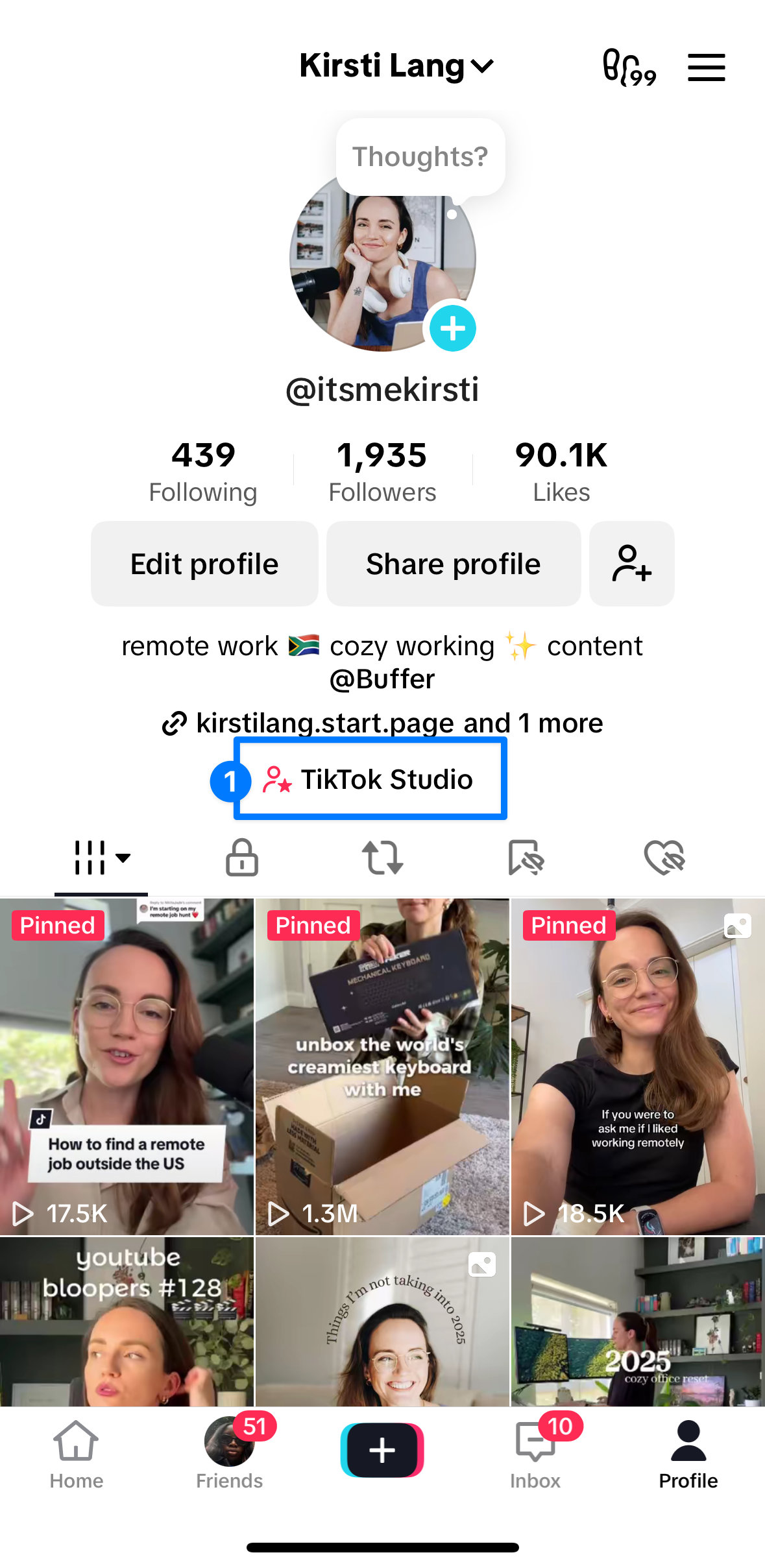
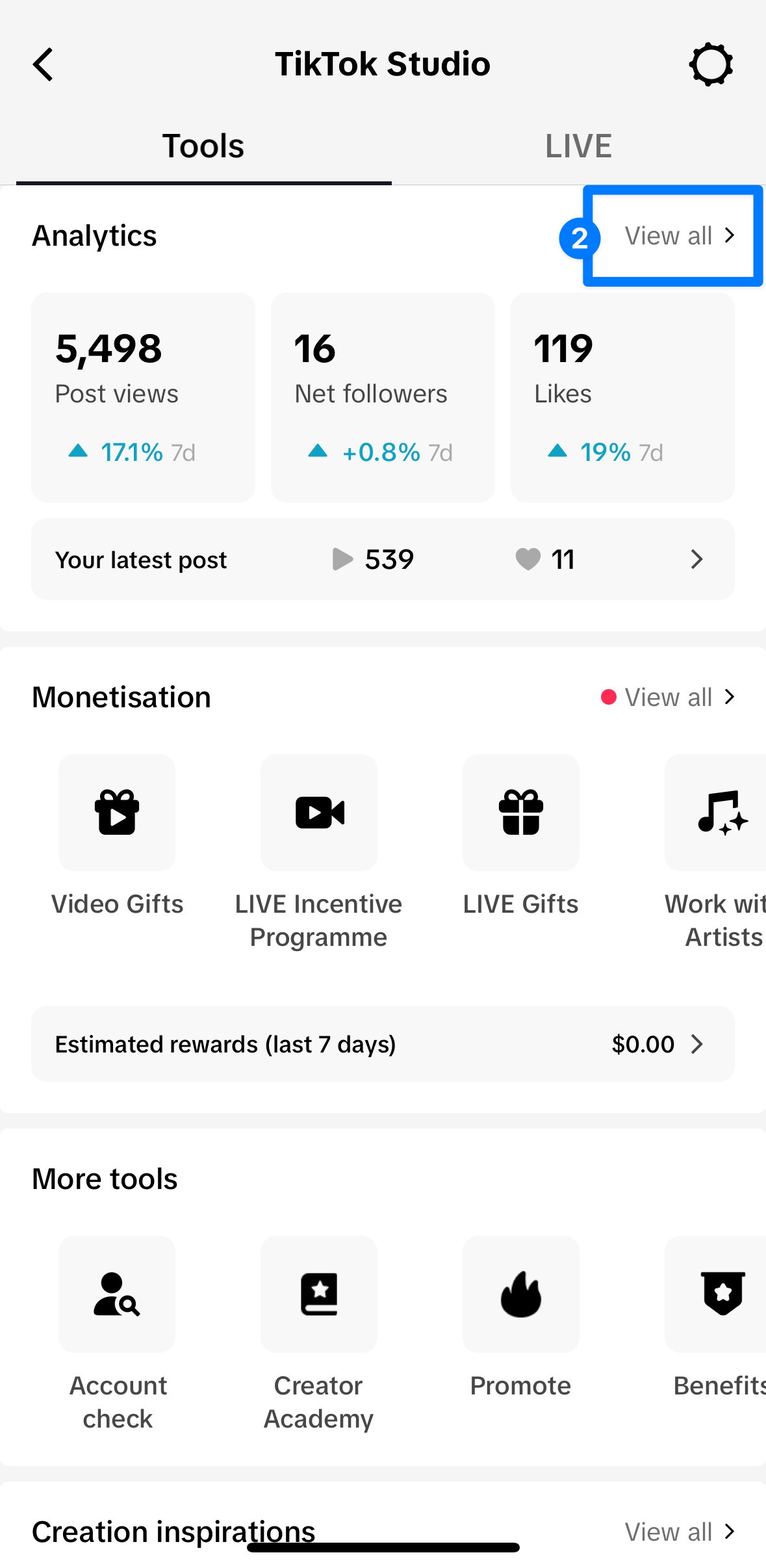
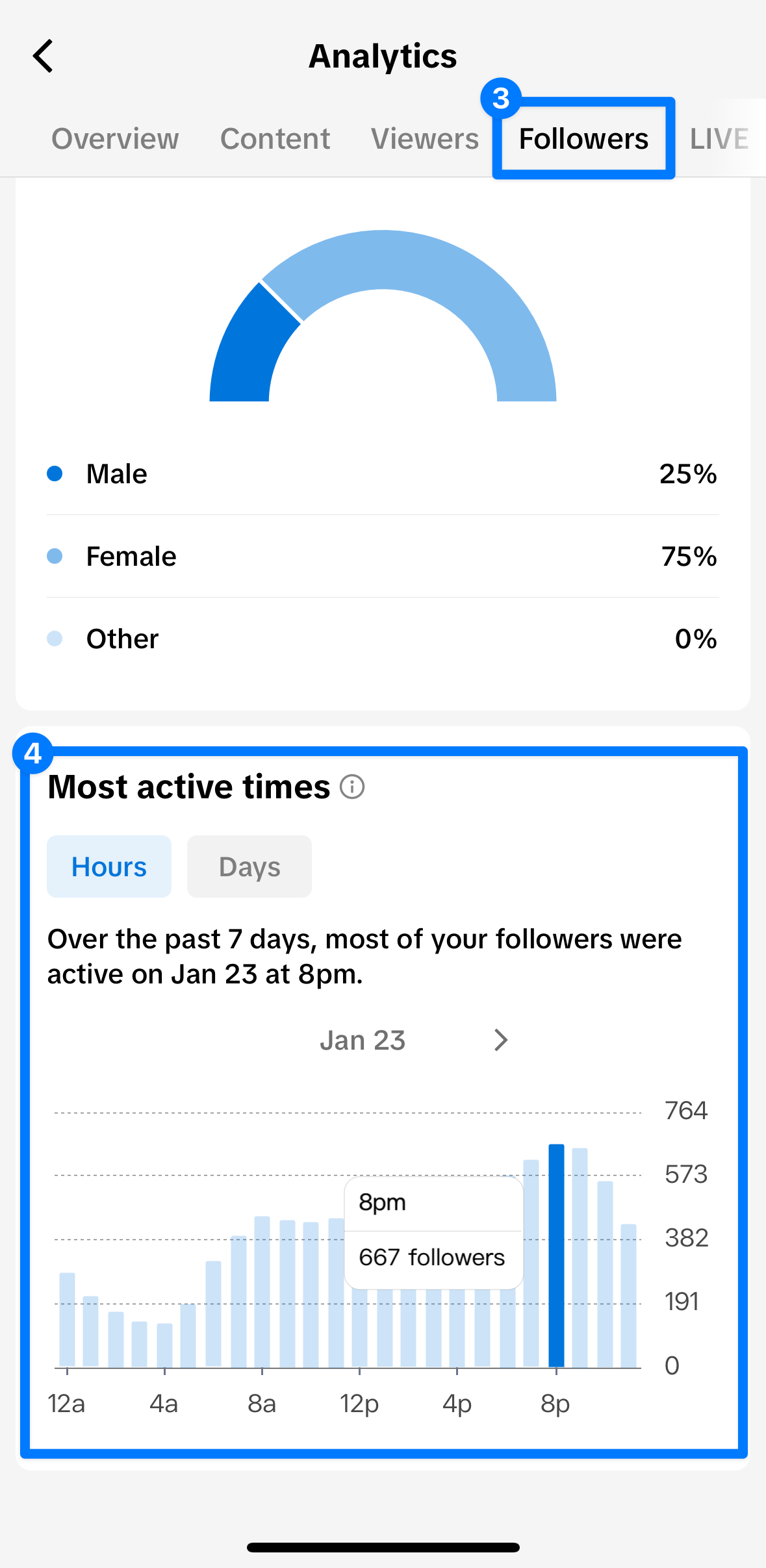
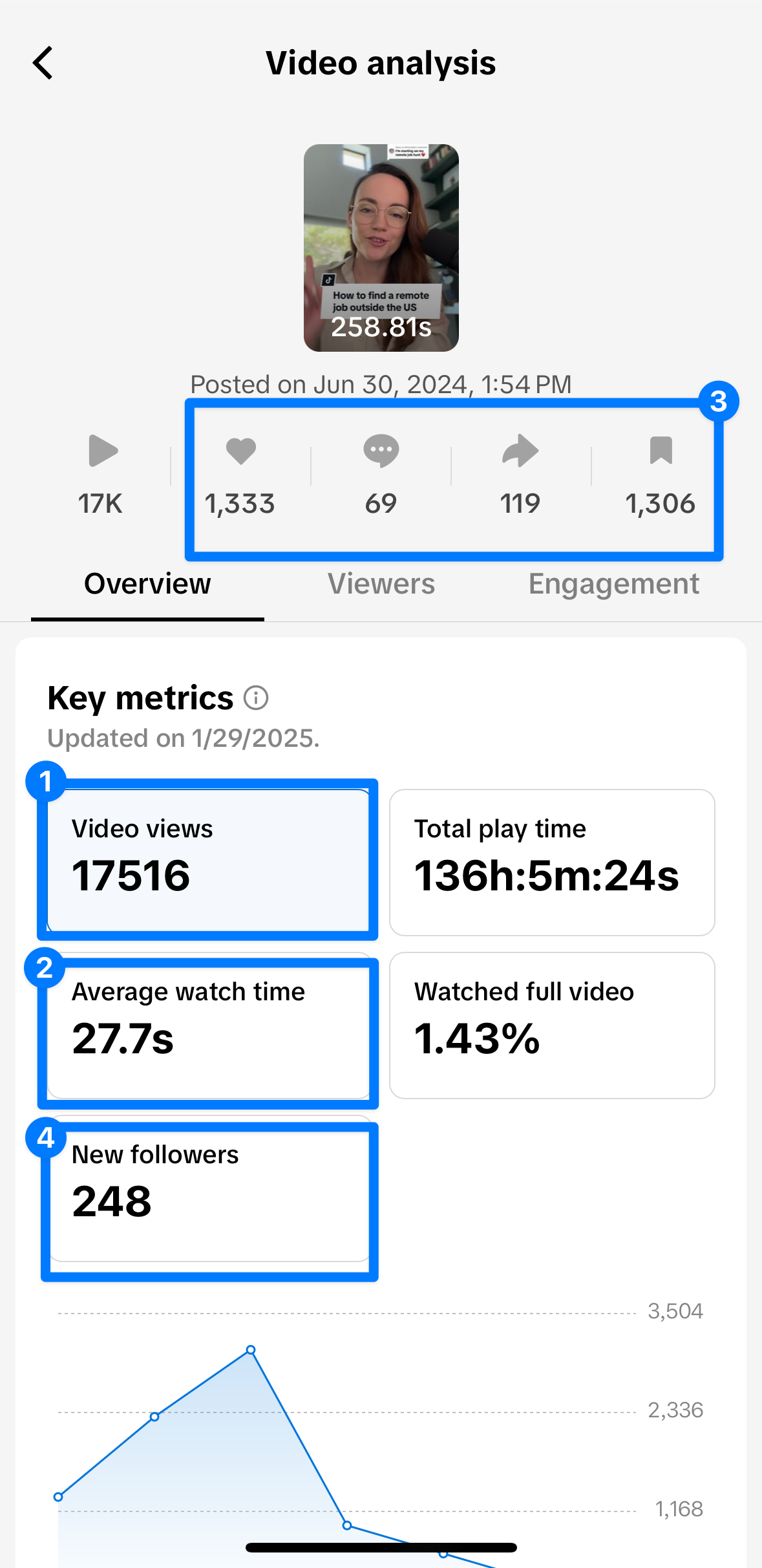
Data-driven strategies must be tempered with platform-specific analytics. TikTok’s internal analytics dashboard, available to all business and creator accounts, provides a granular view of when a specific account’s followers are most active. Relying solely on global averages may be insufficient for niche creators whose audiences operate on different schedules or in specific geographic regions.
For instance, educational content creators often report higher engagement during morning hours, when users are seeking information to start their day. In contrast, entertainment-focused accounts typically see their highest traction during late-evening "wind-down" periods. By auditing their own historical performance in the "Followers" tab of the TikTok analytics suite, creators can refine these general industry findings to suit their unique audience demographic.
Implications for Content Scheduling
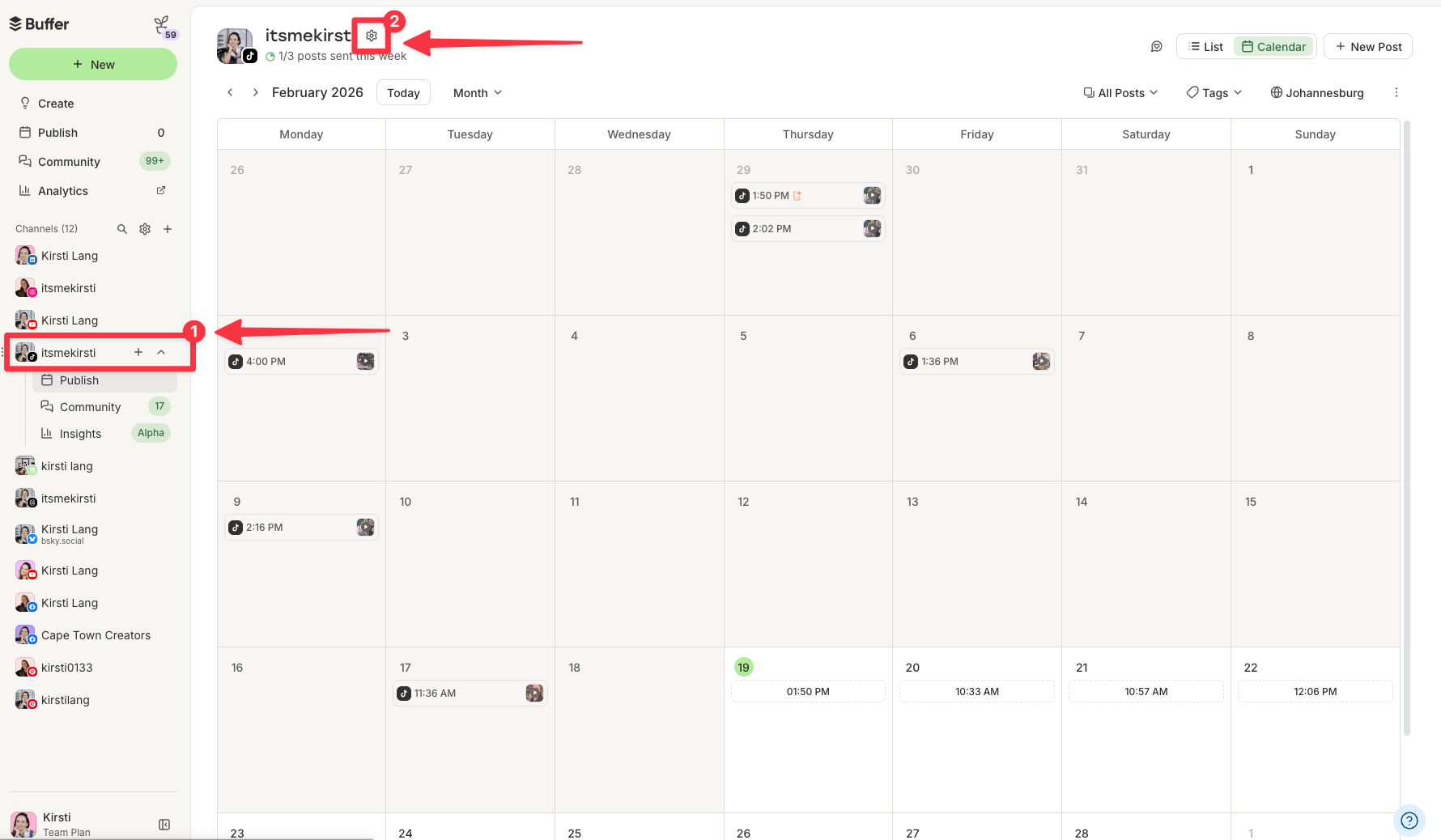
The operational burden of manual posting at precise hours is a known pain point for businesses. The use of scheduling software, such as Buffer, has become an industry standard for maintaining consistency. By automating the publication process, brands can ensure their content goes live during peak windows without requiring manual intervention, thereby facilitating a more professional and reliable content pipeline.
Furthermore, the integration of scheduling tools allows for A/B testing. By rotating posting times over a 14-to-30-day trial period, creators can move from speculative scheduling to an evidence-based strategy. If a video performs exceptionally well at 6 p.m. on a Friday, that slot should be integrated into the weekly recurring content calendar.
Broader Context and Future Considerations
As TikTok continues to evolve, the definition of "peak time" remains fluid. The rise of global audiences means that many creators are managing time zones that span multiple continents. When an audience is distributed globally, experts recommend focusing on the time zone where the majority of the core audience resides. Alternatively, for a truly international following, posting during the morning hours of the primary target market often provides a high-probability window for reaching the widest possible cross-section of users.
Moreover, the increasing saturation of the platform means that consistency is becoming as important as timing. Regularity in posting builds a habit for the audience, creating an expectation of content delivery. When creators show up at the same times consistently, they cultivate a community that is trained to look for their content, which in turn improves the baseline level of engagement for every post.
Conclusion: A Synthesis of Strategy
Ultimately, while the 2026 data provides a clear roadmap for success, it should be treated as a starting point. The most effective social media strategy is one that combines empirical data with iterative testing.
- Leverage the Data: Utilize the identified peak times—especially Sunday mornings and Saturday afternoons—as a baseline for your content calendar.
- Audit Personal Analytics: Use TikTok’s native tools to verify if your specific audience aligns with these broad trends.
- Prioritize Content Quality: Ensure that the content itself meets the "three-second rule," as timing cannot compensate for lack of substance.
- Iterate and Adjust: Use scheduling tools to experiment with different time slots, comparing performance over several weeks to refine your approach.
By treating posting times as one variable in a broader equation of content strategy, creators and businesses can move beyond the unpredictability of the algorithm and begin to exert more control over their growth and digital reach. The goal is not merely to "beat the clock," but to ensure that high-quality content is presented to an audience at the exact moment they are ready to engage with it.