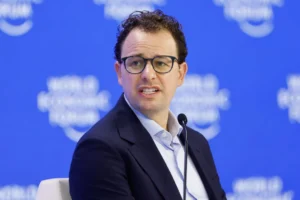
Automattic, the parent company behind the ubiquitous web publishing platform WordPress, has named Jeremy Klaperman as its interim Chief Financial Officer. Klaperman, who previously served as the CFO of the company’s high-growth WordPress VIP enterprise division, steps into the role during a period of significant corporate restructuring. This leadership change follows a dramatic sequence of events earlier this month that saw a brief, failed attempt by the board of directors to remove Automattic CEO and founder Matt Mullenweg, leading to a swift departure of several top-tier executives.
The appointment was communicated internally to staff on Friday, September 18, 2026, marking a pivotal moment in the company’s efforts to stabilize its operations. Klaperman is not new to the complexities of Automattic’s financial architecture; he has previously occupied the interim CFO position during periods when former CFO Mark Davies was on sabbatical. His familiarity with the company’s internal controls and financial strategy is expected to provide a sense of continuity as the firm navigates the aftermath of its recent governance crisis.
A Chronology of the Governance Crisis
To understand the weight of Klaperman’s new appointment, it is necessary to examine the rapid series of events that paralyzed the company’s executive suite earlier in September.
The turmoil began on September 9, 2026, when reports surfaced that Automattic’s board of directors had moved to force CEO Matt Mullenweg into a leave of absence. The move was widely interpreted as an attempt to oust the founder, triggering an immediate and intense period of speculation regarding the future of the company, which powers roughly 40% of the internet.
During the 33 hours that Mullenweg was effectively removed from the helm, significant internal maneuvers took place. Mark Davies, the then-CFO, stepped into the role of interim CEO. It was during this fleeting window of leadership change that Davies and then-Chief Legal Officer Andy Missan reportedly signed reciprocal severance agreements—a move that subsequently drew scrutiny as the company scrambled to regain its footing.
By September 12, the situation had inverted. Mullenweg successfully retook the position of CEO, effectively nullifying the board’s previous actions. The victory was decisive: the board members who had orchestrated the attempted ouster were removed, and both Davies and Missan departed the company. This left a power vacuum in the most critical administrative roles of the business, a void that Mullenweg is now methodically filling with the appointment of Klaperman and the pursuit of a new Chief Legal Officer.
The Financial and Legal Landscape
The stability of Automattic, a company that remains a private entity with a massive footprint in the digital infrastructure space, depends heavily on the confidence of its enterprise clients. WordPress VIP, the division where Klaperman earned his stripes, serves some of the world’s largest corporations and media outlets. The appointment of an insider to the CFO role suggests a desire to maintain fiscal discipline and reassure stakeholders that the company’s underlying business remains sound.
In a message to employees posted on Slack, Mullenweg offered a firm assessment of the company’s health, stating, “I have 100% confidence in our cash and financial position.” He added that while the company faces the logistical challenge of rebuilding its leadership team, “everything is within our control and depends only on Automattic’s ability to execute.”

This statement serves as a direct message to investors and enterprise partners. The financial health of Automattic is critical not only for its own operations but for the broader ecosystem of developers, agencies, and publishers who rely on its software stack. The company has historically maintained a unique culture, often balancing its open-source origins with the demands of a high-revenue enterprise business, and the current transition is a test of that balance.
Filling the Executive Void
Beyond the CFO position, the company is also actively replacing its Chief Legal Officer. Mullenweg confirmed that a candidate has verbally accepted the position, though the name of the individual has not yet been publicly disclosed. This role is particularly sensitive given the legal complexities surrounding the recent severance deals signed by the former executive team during the 33-hour management gap.
The company is also in the process of reconstituting its board of directors. While the names of the new board members have yet to be released, the next board meeting is scheduled for September 23. This meeting will be closely watched by industry analysts for signals regarding the company’s long-term governance strategy and whether it will adopt new oversight mechanisms to prevent similar power struggles in the future.
One notable point of stability amidst the change is the retention of Stephen Wolfram, the creator of Wolfram|Alpha and a special advisor to the company, who remains on the board. His presence provides a degree of continuity in strategic oversight, as he is one of the few high-profile figures who has weathered the recent internal upheaval.
Strategic Implications for the WordPress Ecosystem
The events at Automattic have broader implications for the web hosting and CMS (Content Management System) markets. As the industry faces increasing pressure from AI-driven site builders and shifting web technologies, Automattic’s ability to execute on its roadmap is paramount.
- Enterprise Confidence: For WordPress VIP clients, the primary concern is the longevity and reliability of their platform. By appointing a CFO who is intimately familiar with the enterprise business, Mullenweg is signaling that the company’s focus remains on the "bottom line" and the stability of its high-tier services.
- Governance Reform: The removal of the previous board suggests that Automattic will likely move toward a governance structure that is more closely aligned with the founder’s vision. While some critics argue that such concentration of power can be risky, proponents suggest it is necessary for maintaining the core mission of an open-source-led company.
- Operational Continuity: The swiftness with which the company has moved to fill the CFO and legal roles demonstrates a "crisis management" mode that is focused on minimizing downtime. By avoiding an extensive, prolonged search for an external CFO, Mullenweg is prioritizing immediate operational stability over the potential benefits of bringing in an outside executive who would require a longer onboarding period.
Looking Ahead: The September 23 Board Meeting
As the industry looks toward the September 23 board meeting, several questions remain. How will the new board composition alter the relationship between Automattic and the broader WordPress open-source community? Will the new leadership team pursue different financial goals, such as a potential public offering or a shift toward further aggressive acquisition?
For now, the narrative at Automattic is one of recovery. The company has moved quickly to distance itself from the decisions made during the brief period of executive turnover. By replacing the former CFO and Legal Chief with new, vetted leadership, the company is attempting to reset its corporate trajectory.
The market impact of these changes will likely be felt in the coming quarters. While the company is currently focused on internal housecleaning, it must eventually return its attention to the competitive pressures facing the WordPress platform. The rapid transition in leadership is a testament to the resilience of the organization, but the true test of this new team will be their ability to navigate the evolving digital landscape while maintaining the trust of their global user base.
Automattic’s journey through this corporate crisis serves as a reminder of the fragility inherent in the leadership of major tech companies. As the company prepares for its next chapter, the appointment of Jeremy Klaperman stands as a foundational step in re-establishing the stability required to continue its dominance in the web publishing sector. The upcoming weeks will reveal whether this new executive team can successfully navigate the challenges of a post-crisis environment and secure the company’s future in an increasingly competitive digital world.